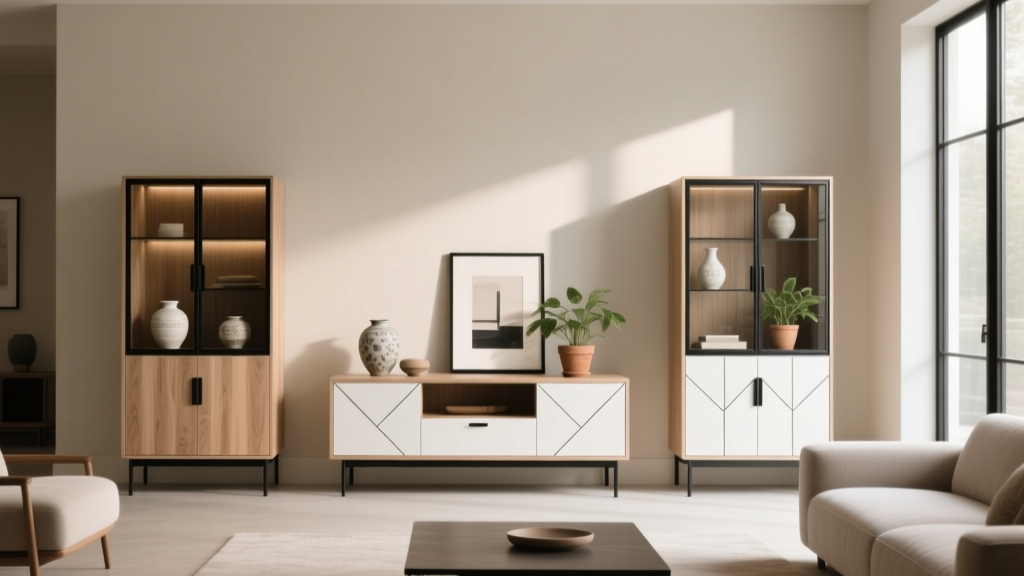
Best Display Cabinets for Living Rooms (2026)
A great living room doesn’t just happen—it’s built from thoughtful layers: seating that invites you to stay, lighting that flatters the space, and storage that keeps the whole room feeling calm. A display cabinet is one of the few pieces that can do all of that at once. It adds organization, creates a focal point, and gives your favorite objects a “home” that feels intentional rather than cluttered.
If you’ve ever looked around your living room and wondered where to put books, barware, framed photos, travel finds, or seasonal decor without overfilling shelves, this guide is for you. You’ll learn the best display cabinet styles for different room sizes, practical measurements that actually work, material recommendations, budget ranges, and styling tips that look designer-level but are easy to replicate—whether you own or rent.
What Makes a Display Cabinet a Smart Living Room Upgrade?
Display cabinets sit at the sweet spot between open shelving and closed storage. They let you show off what you love while hiding the everyday items that can make a living room feel messy (hello, remotes and extra candles).
- Instant structure: A cabinet creates visual “architecture” and makes blank walls feel finished.
- Curated personality: You can showcase books, art objects, and heirlooms without scattering them around the room.
- Dust and damage protection: Glass-front cabinets protect items better than open shelves, especially in high-traffic living rooms.
- Flexible storage: Many options combine drawers, adjustable shelves, and concealed compartments.
Before You Buy: Measurements, Placement, and Proportions
Key measurements that prevent “too big” or “too tiny”
- Depth: 14–18 inches works well for most living rooms. Deeper than 20 inches can feel bulky unless your room is large.
- Width:
- Small spaces: 24–36 inches
- Medium rooms: 36–60 inches
- Large rooms: 60–84+ inches (or use two matching cabinets)
- Height:
- Low cabinet/credenza: 28–34 inches (pairs nicely under art or a TV)
- Mid-height: 48–60 inches (great balance for most living rooms)
- Tall cabinet: 72–84 inches (best for vertical storage and big walls)
Spacing rules for comfortable flow
- Leave 30–36 inches for main walkways.
- If the cabinet has doors, allow 18–24 inches in front for door swing and browsing.
- For a cabinet under wall art, aim for 6–10 inches between the top of the cabinet and the bottom of the artwork.
Placement ideas that look intentional
- Anchor a blank wall: A tall display cabinet can replace the need for multiple small decor pieces.
- Beside a fireplace: Matching cabinets on both sides create symmetry and a built-in feel.
- Behind a sofa: A low glass-front cabinet can act like a sofa table with more storage.
- In a dining-living combo: A display cabinet doubles as a buffet for entertaining.
Best Display Cabinet Styles for Living Rooms (With Pros, Cons, and Best Uses)
1) Glass-Front Display Cabinets (The Classic “Curio” Reimagined)
Glass-front cabinets are having a moment again, but today’s versions feel cleaner and more modern—think slim frames, arched tops, or fluted glass that softens what you see inside. They’re ideal if you want your living room decor to feel curated instead of crowded.
- Best for: Books, ceramics, collectibles, barware, framed photos
- Materials to look for: Solid wood or veneer frames; tempered glass; soft-close hinges
- Trending details: Fluted/reeded glass, arched doors, matte black or champagne brass hardware
- Budget range: $250–$1,500 (mid-range sweet spot: $500–$900)
Real-world scenario: A renter in a 700 sq ft apartment chooses a 60-inch tall, 30-inch wide glass-front cabinet in a light oak finish. It stores glassware and cookbooks, while the top shelf holds two sculptural vases—instantly making the living room feel “styled” without adding extra furniture.
2) Credenza-Style Display Cabinets (Low, Long, and Living-Room Friendly)
If you prefer a calmer look, a low cabinet with some display space (glass doors, open cubbies, or a mix of closed drawers) is one of the most versatile living room storage solutions. It can sit under a TV, support a lamp and art, or act as an entertaining station.
- Best for: Board games, throws, media devices, vinyl, serving pieces
- Ideal dimensions: 60–72 inches wide, 16–18 inches deep, 28–34 inches high
- Budget range: $300–$2,000 (mid-range: $600–$1,200)
Design tip: If it’s going under a wall-mounted TV, choose a cabinet that’s at least 6–12 inches wider than the TV for better proportion and a more high-end look.
3) Corner Display Cabinets (The Space-Saver That Actually Looks Chic)
Corner cabinets used to feel dated, but updated silhouettes—slim profiles, glass doors, and curved fronts—make them a smart choice for small living rooms and awkward layouts. They’re especially useful when you need storage but can’t sacrifice walkway space.
- Best for: Small apartments, narrow living rooms, filling an empty corner by a window
- What to check: Corner footprint (often 16–24 inches per side), door swing clearance
- Budget range: $200–$1,200
Real-world scenario: A homeowner with a sectional that dominates the room uses a corner display cabinet behind the chaise. It holds books and family photos, and the top displays a table lamp—adding light where there wasn’t an outlet-friendly side table.
4) Wall-Mounted Display Cabinets (Great for Renters and Tight Floor Plans)
Floating display cabinets keep the floor visible, which makes a room feel larger. They’re ideal for minimalists, small spaces, and anyone who wants a more contemporary living room design.
- Best for: Small living rooms, narrow spaces, modern decor styles
- Practical tip: Install so the bottom sits about 12–18 inches above the floor (or align with other floating furniture for consistency).
- Budget range: $150–$900 (plus hardware or professional installation if needed)
Renter-friendly note: If wall mounting isn’t possible, look for a cabinet with slender legs (mid-century style) to get a similar airy effect.
5) Built-In or Modular Display Systems (Custom Look Without Full Renovation)
Modular systems—mix-and-match cabinets, shelves, and glass-door uppers—deliver that “built-in” vibe. This approach is very on-trend right now, especially with warm woods, creamy whites, and integrated lighting.
- Best for: Large living rooms, media walls, maximizing storage for families
- Design trend to try: Pair closed lower cabinets with glass uppers for a balanced mix of display and concealment.
- Budget range: $800–$6,000+ depending on size and configuration
Material and Finish Recommendations (What Looks Good and Lasts)
- Solid wood: Most durable and repairable; great for timeless living room furniture. Higher price point.
- Wood veneer: A quality veneer over plywood can look high-end and stay stable over time. Avoid ultra-thin veneers over particleboard if longevity matters.
- Metal frames: Perfect for modern, industrial, or urban spaces; choose powder-coated finishes for durability.
- Glass types:
- Clear glass: Crisp and classic; shows everything (including clutter).
- Fluted/reeded glass: Softens visual noise while still feeling light—one of the most popular current trends.
- Smoked/tinted glass: Moody and modern; looks best with interior lighting.
Color direction: Warm oak, walnut, and soft matte neutrals (cream, greige, muted taupe) are trending, while black and deep espresso remain timeless for contrast and grounding.
How to Style a Display Cabinet Like a Designer
A simple step-by-step formula
- Start with a clean edit: Don’t display everything you own. Aim to use 70–80% of the shelf space and leave breathing room.
- Build in layers: Place books or trays at the back, then objects in front to create depth.
- Use the “rule of threes”: Group decor items in threes (or fives) with varied heights for a natural look.
- Mix materials: Combine ceramics, glass, wood, and metal so the cabinet doesn’t feel flat.
- Add something living: A small plant, dried stems, or a bud vase adds softness and freshness.
Go-to display cabinet styling combos
- Modern organic: Stacked books + stoneware bowl + linen-bound photo album + small olive tree nearby
- Classic collected: Matching candlesticks + framed art leaned on a shelf + vintage box for small items
- Entertaining-ready: Bar tray + cocktail glasses + decanter + a small bowl for bottle openers
Lighting upgrades that change everything
- Interior LED strips: Look for warm white 2700K–3000K so it feels cozy, not clinical.
- Puck lights: Great for highlighting one shelf or a glass cabinet top section.
- Battery options: Ideal for renters—choose remote-controlled lights for convenience.
Product Recommendations by Budget (What to Look For)
Under $300: Best for first apartments and quick upgrades
- Look for slim glass-door cabinets (24–32 inches wide) with adjustable shelves.
- Choose fluted glass if you’re worried about keeping it perfectly styled.
- Prioritize stability: check for anti-tip hardware and solid back panels.
$300–$900: The sweet spot for most living rooms
- Seek soft-close hinges, sturdy shelf supports, and better finishes (oak, walnut, matte black).
- Consider a credenza with mixed storage: drawers + glass doors is extremely livable.
- If you entertain, choose adjustable shelves to fit taller bottles and pitchers.
$900–$2,500+: Investment pieces that elevate the whole room
- Look for solid wood construction, premium veneers, and well-finished interiors.
- Choose integrated lighting or add it during installation for a built-in feel.
- Consider modular systems for a custom media wall or library-style storage.
Common Mistakes to Avoid
- Buying without measuring door swing: A cabinet can fit the wall but still be frustrating if doors hit a sofa or coffee table.
- Overfilling shelves: A packed cabinet reads as clutter—even behind glass.
- Ignoring depth: Oversized depth can choke walkways. Stick to 14–18 inches for most rooms.
- Mismatching style and architecture: Ultra-modern cabinets can look out of place in traditional rooms unless you bridge the gap with hardware, lighting, or art.
- Not anchoring tall pieces: Always use anti-tip hardware, especially in homes with kids or pets.
- Cool lighting temperatures: Blue-white LEDs can make your living room decor look harsh. Choose 2700K–3000K.
FAQ: Display Cabinets for Living Rooms
What’s the best display cabinet for a small living room?
A tall, narrow glass-front cabinet (around 24–32 inches wide and 60–76 inches tall) maximizes vertical storage without taking up much floor space. Corner display cabinets are also excellent for tight layouts.
Should a living room display cabinet match the TV stand or coffee table?
It doesn’t need to be an exact match. Aim for coordination through wood tone, finish warmth, or hardware color. For example, a walnut cabinet can pair beautifully with a black metal coffee table if both share a modern silhouette.
How do I keep a glass display cabinet from looking cluttered?
Use fewer, larger items; group small items on trays; and leave 20–30% empty space per shelf. Fluted or reeded glass also helps soften visual clutter.
Is a display cabinet practical for families with kids?
Yes—choose one with tempered glass, secure anti-tip hardware, and a layout that mixes closed storage on the bottom with display shelves on top. Put breakables higher up.
What’s better for dust: open shelves or a glass-door cabinet?
A glass-door cabinet is significantly better. It reduces dust buildup and protects decor and books, especially if your living room is near an entryway or you have pets.
Can I use a display cabinet as a bar cabinet in the living room?
Absolutely. Look for adjustable shelves, space for taller bottles (at least 12–14 inches shelf height), and consider adding interior lighting for a polished bar moment.
Next Steps: Choose the Right Cabinet, Then Make It Yours
Start by deciding what you want your display cabinet to do: showcase decor, hide clutter, store entertaining essentials, or all three. Measure your wall and walkways, pick a style that fits your room’s scale, then elevate it with thoughtful styling and warm lighting. Even one well-chosen cabinet can make a living room feel more intentional, more functional, and more “you.”
Looking for more living room design and decor ideas—layout tips, storage solutions, and trend-forward styling? Explore more inspiration on thedecormag.com.
More Articles
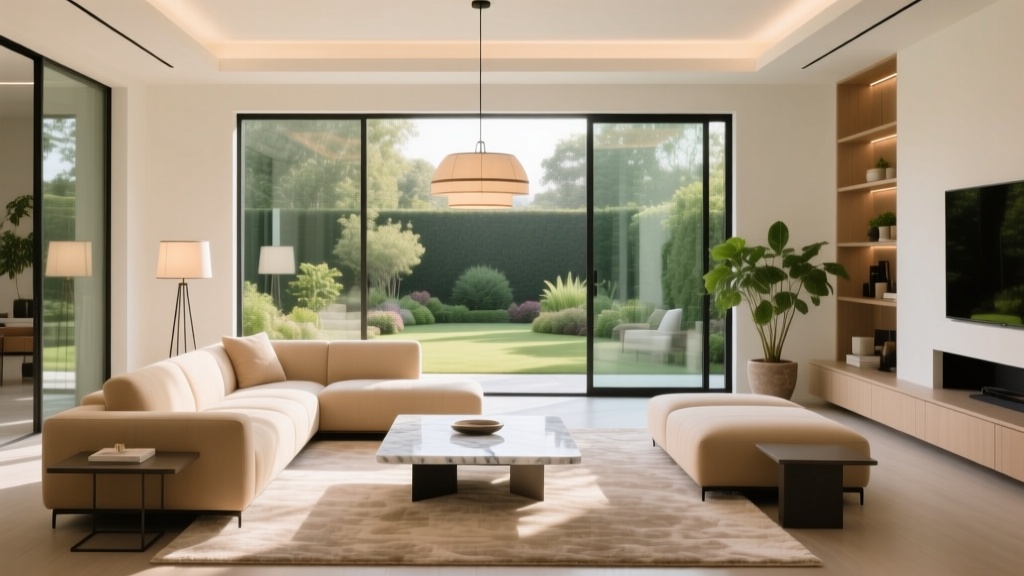 How to Style a Living Room Around a View - The Decor Mag
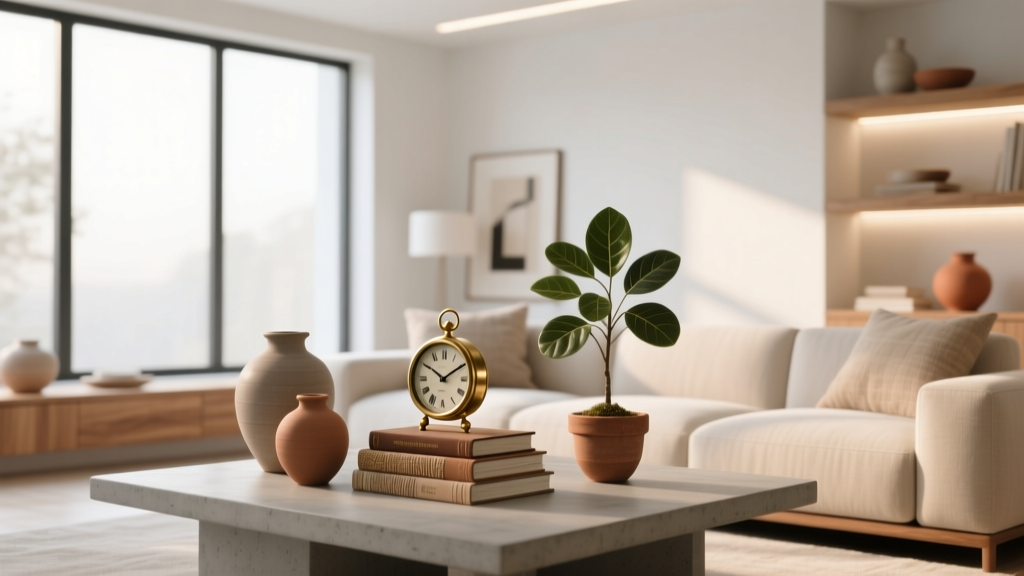 Living Room Curated Collections Display - The Decor Mag
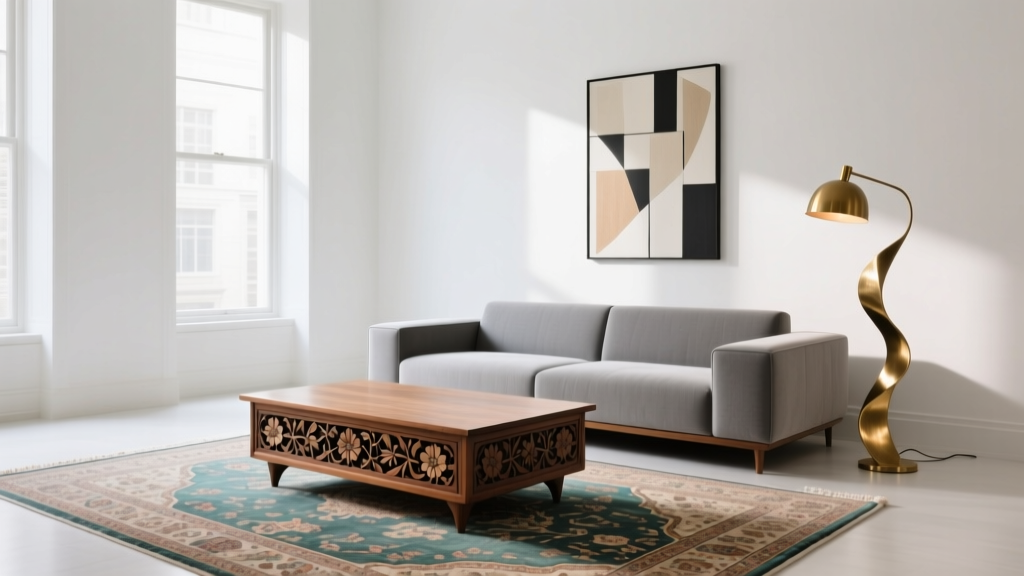 Antique Living Room Decor: Modern Mix Ideas (2026)
 Travel Souvenirs in Living Room Decor (2026)
 Budget-Friendly Smart Organization Ideas for 2026
 Living Room Furniture with Kids: Smart Picks (2026)
 Living Room Ideas That Feel Like Home (2026)
 The Best Throw Pillows for Every Season - The Decor Mag
 Best End Table Pairings for Sofas - The Decor Mag
 Living Room Contemporary Art Display - The Decor Mag