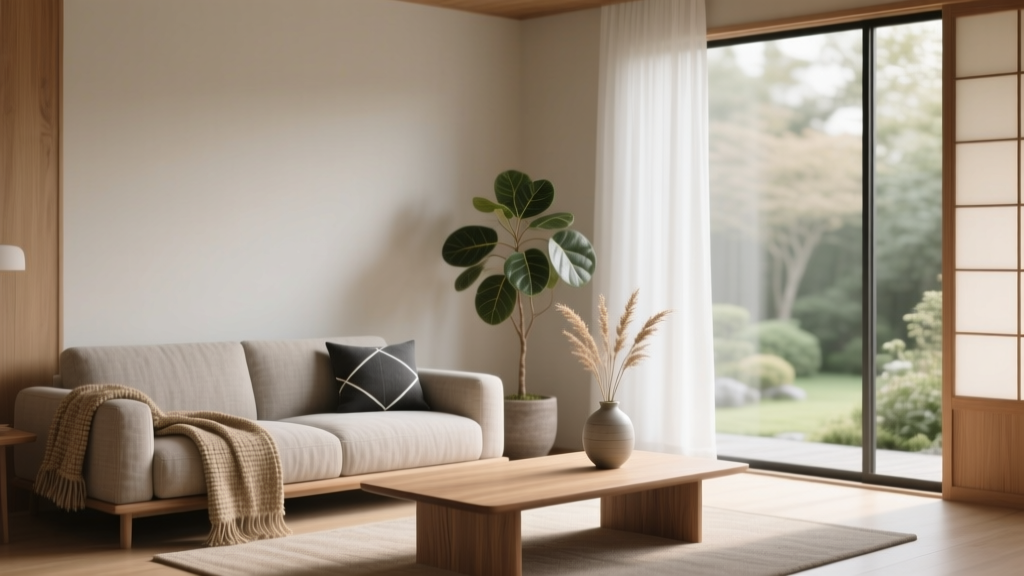
Living Room Japandi Style Guide - The Decor Mag
Japandi style has earned its place as one of the most searched living room design aesthetics—and for good reason. It blends Japanese calm and intention with Scandinavian comfort and functionality, creating spaces that feel clean but never cold, minimal but never bare. If you’ve ever wanted a living room that looks effortlessly pulled together (and stays that way), Japandi offers a clear roadmap.
This guide breaks down how to design a Japandi living room in a way that works for real homes and real routines—kids, pets, rentals, small apartments, open-plan spaces, and everything in between. You’ll learn how to choose the right color palette, furniture shapes, materials, lighting, rugs, and decor, plus the most common mistakes to avoid so your space looks curated rather than cluttered.
Along the way, you’ll find practical measurements, budget ranges, and product-style recommendations you can apply immediately—whether you’re refreshing a corner or rethinking the entire room.
What Is Japandi Style (and Why It Works So Well in Living Rooms)?
Japandi is a hybrid of Japanese and Scandinavian design. It shares a love of:
- Simple silhouettes and clean lines
- Natural materials (wood, linen, wool, paper, clay)
- Neutral, grounded color palettes
- Function-first furniture with a crafted feel
- Intentional decor (fewer pieces, more meaning)
For living room decor, this combination is especially powerful because the room has to do a lot: lounging, hosting, watching TV, reading, working from the sofa. Japandi’s “less but better” approach helps the space feel restful while still being livable.
The Japandi Living Room Formula: 5 Core Principles
1) Keep the palette warm, calm, and low-contrast
Japandi living rooms typically lean toward soft neutrals with earthy undertones. High contrast black-and-white can look too stark unless it’s balanced with warm woods and texture.
Go-to Japandi color palette:
- Warm white, ivory, oat, and sand
- Greige, warm taupe, stone
- Muted greens (sage, olive), clay, and soft charcoal
- Black accents used sparingly (frames, hardware, a single lamp)
Paint guidance: Choose matte or eggshell finishes for walls to reduce glare. If your living room is small or low-light, a warm off-white will brighten without feeling sterile.
2) Favor low, grounded furniture
A hallmark of Japandi interior design is the “grounded” feeling created by lower profiles and horizontal lines. You don’t need floor seating, but avoiding tall, bulky pieces helps the room feel serene.
Practical targets:
- Sofa seat height: 16–18 inches is a comfortable sweet spot
- Coffee table height: 14–16 inches, or 1–2 inches lower than your sofa seat
- Media console height: 18–24 inches (keeps the visual line low)
3) Mix Scandinavian coziness with Japanese restraint
Think: fewer objects, but softer textures. A Japandi living room should feel inviting, not like a showroom.
- Use one plush rug, two to four pillows, and one throw you truly like.
- Balance smooth surfaces (wood, stone, plaster-look walls) with tactile ones (bouclé, linen, wool).
4) Prioritize craftsmanship over trends
Japandi looks best when materials feel authentic. Even on a budget, you can aim for finishes that mimic real wood grain, matte ceramics, and textured textiles rather than glossy plastics.
5) Edit, store, and breathe
Negative space is part of the design. If every surface has decor, the room loses its calm. Storage that blends in—closed cabinets, baskets, and concealed charging—keeps the look clean.
Step-by-Step: How to Create a Japandi Living Room
Step 1: Start with one anchor piece
Choose your main anchor based on how you live:
- For loungers/TV households: a comfortable, streamlined sofa
- For entertainers: a sofa plus two occasional chairs
- For small spaces: a compact loveseat or apartment sofa with raised legs
Product-style recommendations:
- Sofa: linen-look upholstery, tight back or structured cushions, oak or walnut legs
- Chairs: light wood frame with woven seat, or a simple upholstered slipper chair
Budget ranges:
- Budget: $600–$1,200 (sofa in durable polyester/linen-blend)
- Mid-range: $1,200–$2,800 (better foam density, performance fabric options)
- Investment: $2,800–$6,000+ (solid wood frames, premium upholstery, long warranties)
Step 2: Lay down a textural rug that defines the zone
Rugs are essential in Japandi decor because they add warmth without clutter. Choose natural-looking textures: wool, jute blends, flatweaves, or high-quality synthetics that mimic wool.
Living room rug sizing cheat sheet:
- Standard living room: 8' x 10' (fits most sofa layouts)
- Larger seating area: 9' x 12'
- Small apartment: 6' x 9' (ensure at least the front legs of sofa sit on it)
Tip: If you’re deciding between two sizes, go bigger. A too-small rug is one of the fastest ways to make a living room look disjointed.
Step 3: Choose a coffee table with honest materials
Japandi coffee tables tend to be simple: round or softly rectangular, often in light-to-medium wood, with minimal hardware.
- Best materials: oak, ash, walnut, bamboo; stone tops (travertine-look); matte black metal as an accent
- Avoid: high-gloss lacquer, overly ornate legs, bulky farmhouse styles
Spacing guidance:
- Distance from sofa to coffee table: 14–18 inches
- Walkways around seating: 30–36 inches if possible (24 inches minimum in tight rooms)
Step 4: Add lighting in layers (soft and warm)
Lighting is where many living rooms miss the cozy factor. Japandi rooms rarely rely on one overhead fixture alone.
Layered lighting plan:
- Ambient: ceiling fixture or flush mount with warm bulbs
- Task: floor lamp near sofa or reading chair
- Accent: a table lamp or wall sconce to add glow and depth
Bulb tips:
- Color temperature: 2700K–3000K for a warm, relaxing feel
- Brightness: aim for 1,500–3,000 lumens total in an average living room (use dimmers to control mood)
Japandi-friendly lighting styles: rice paper lantern pendants, linen shades, matte ceramic bases, black metal accents used sparingly.
Step 5: Style with restraint—then stop
Japandi living room decor should look intentional. Instead of many small items, choose fewer objects with presence.
Easy styling formula (works every time):
- One large tray or shallow bowl on the coffee table (wood or stone)
- One sculptural vase (ceramic, matte finish) with branches or simple greenery
- One stack of 1–3 books (neutral covers if possible)
Wall art guidance:
- Go oversized rather than a cluttered gallery wall: try 24" x 36" or 30" x 40" above a sofa for impact.
- Choose calm subjects: landscapes, abstract line art, monochrome photography.
- Frame in light wood, black, or soft walnut.
Materials That Make Japandi Feel Authentic
If you’re focusing on upgrades that change the feel of the room quickly, prioritize tactile, natural-looking materials.
- Wood: oak, ash, beech, walnut; look for visible grain and matte finishes
- Textiles: linen, cotton, wool, bouclé (used sparingly), hemp blends
- Stone & clay: travertine, limestone looks, ceramic, terracotta, paper-clay
- Natural accents: rattan, cane, woven seagrass baskets
Durability tip for renters and families: Performance fabric sofas (stain-resistant) in a linen-look weave can deliver the Japandi vibe without the maintenance stress.
Real-World Japandi Living Room Setups (You Can Copy)
Scenario 1: Small apartment living room (renter-friendly)
Goal: Make a 10' x 12' living room feel calm and spacious without renovations.
- Choose a 72–80 inch apartment sofa in warm gray or oatmeal.
- Add a 6' x 9' wool-blend rug and a round 30–34 inch coffee table.
- Use a 18–22 inch tall media console with closed storage to hide clutter.
- Replace harsh bulbs with 2700K warm lighting and add one paper lantern pendant (plug-in options work well for rentals).
Budget snapshot: $800–$2,000 depending on sofa and rug quality.
Scenario 2: Open-plan living room (needs definition)
Goal: Create a clear seating zone that doesn’t compete with the dining area.
- Use a 9' x 12' rug to anchor the living space.
- Float the sofa with a console table behind it (10–14 inches deep) for a soft room divider.
- Keep the palette consistent across zones—repeat the same wood tone and one accent color (olive or clay works beautifully).
- Choose lighting that visually “drops” over each zone (pendant over dining, floor lamp cluster over living).
Scenario 3: Family living room (Japandi, but kid-proof)
Goal: A serene look that still handles toys and spills.
- Pick a sofa in performance fabric (oatmeal, taupe, or warm gray).
- Add two large lidded baskets (seagrass or woven fabric) for fast toy cleanup.
- Use a coffee table with rounded corners or an upholstered ottoman tray setup.
- Choose a patterned rug with subtle variation to hide marks (tone-on-tone geometric works well).
Budget snapshot: $1,500–$4,000 for durable seating + rug + storage.
Common Japandi Living Room Mistakes (and Easy Fixes)
- Mistake: Going too minimal and ending up with “empty” instead of calm.
Fix: Add texture—layer a wool rug, linen curtains, and a tactile throw. Japandi is warm minimalism. - Mistake: Choosing cool grays and bright whites that feel sterile.
Fix: Shift to warm neutrals (oat, sand, greige) and add wood tones. - Mistake: Too many small decor items creating visual noise.
Fix: Swap five small pieces for one substantial ceramic vase or a single sculptural lamp. - Mistake: Mixing too many wood tones.
Fix: Limit to two main wood families (example: light oak + walnut accents). Keep undertones consistent. - Mistake: Ignoring storage, so clutter keeps returning.
Fix: Prioritize closed storage—media consoles with doors, sideboards, or storage ottomans. - Mistake: Harsh overhead lighting.
Fix: Add layered lighting and dimmable warm bulbs (2700K–3000K).
Japandi Product Recommendations (What to Look For)
Rather than specific brand names that can change quickly, use these shopping filters to find pieces that match Japandi style and current living room design trends.
Seating
- Neutral upholstery: oatmeal, warm gray, taupe, soft white
- Low-profile arms and simple silhouettes
- Wood legs (oak/walnut) or hidden bases for a floating look
Rugs
- Wool or wool-blend for softness and longevity
- Jute-blend for texture (best in low-spill homes)
- Subtle patterning in tone-on-tone shades
Tables & storage
- Oak or ash veneer with matte finish (budget-friendly but still stylish)
- Slatted doors, cane details, or minimal pulls
- Closed cabinets to keep the room visually quiet
Textiles & window treatments
- Linen or linen-look curtains hung high and wide for a tailored look
- Warm white sheers layered with blackout panels for bedrooms adjacent to living rooms
Curtain hanging tip: Mount the rod 4–6 inches above the window frame (or close to the ceiling) and extend it 8–12 inches beyond each side of the window to make the room feel larger.
FAQ: Living Room Japandi Style
What colors are best for a Japandi living room?
Warm whites, beige, sand, greige, taupe, and muted earth tones like clay, olive, and soft charcoal. Keep contrast low and rely on texture for depth.
Can Japandi work in a small living room?
Yes—Japandi is ideal for small spaces because it prioritizes function, hidden storage, and a calm palette. Choose fewer, better pieces and scale them correctly (for example, a 72–80 inch sofa rather than an oversized sectional).
How do I make my living room Japandi on a budget?
Start with high-impact swaps: warm light bulbs (2700K), a larger neutral rug, linen-look curtains, and decluttering with closed storage baskets. You can also refinish or wrap furniture surfaces to reduce visual noise and unify wood tones.
Is Japandi the same as minimalist design?
They overlap, but Japandi is typically warmer and more tactile. Minimalism can feel stark; Japandi balances restraint with comfort—think wool rugs, linen drapes, and soft lighting.
What kind of sofa fits Japandi style?
A streamlined sofa with clean lines, neutral upholstery, and a grounded profile. Performance fabrics in an oatmeal or taupe weave are especially practical for everyday living rooms.
How do I keep a Japandi living room from feeling boring?
Use variation in texture (wool + linen + wood grain + ceramic), add one organic accent color (olive or clay), and introduce a statement piece with craftsmanship—like a sculptural lamp or a hand-thrown vase.
Your Next Steps: A Simple Japandi Checklist
- Edit surfaces: clear the coffee table, media console, and side tables.
- Choose a warm neutral palette: paint, textiles, and rug in coordinated tones.
- Anchor the room: correct rug size (often 8' x 10') and a low-profile coffee table.
- Add layered lighting: one floor lamp + one table lamp with warm bulbs.
- Style intentionally: one tray, one vase, one piece of art with breathing space around it.
If you’re ready to keep refining your space, explore more living room ideas, layouts, and decor inspiration on thedecormag.com.
More Articles
 Cocktail Table vs Coffee Table: Key Differences (2026)
 Antique Living Room Decor: Modern Mix Ideas (2026)
 Living Room Neutral Color Scheme Ideas - The Decor Mag
 Living Room Symmetrical Design Principles - The Decor Mag
 Living Room Vaulted Ceilings: Styling Tips (2026)
 Living Room Window Treatments for Privacy (2026)
 Best Modular Furniture for Living Rooms (2026)
 High and Low Furniture in Living Rooms (2026)
 Living Room French Provincial Inspiration - The Decor Mag
 Living Room Fireplace Design Ideas - The Decor Mag