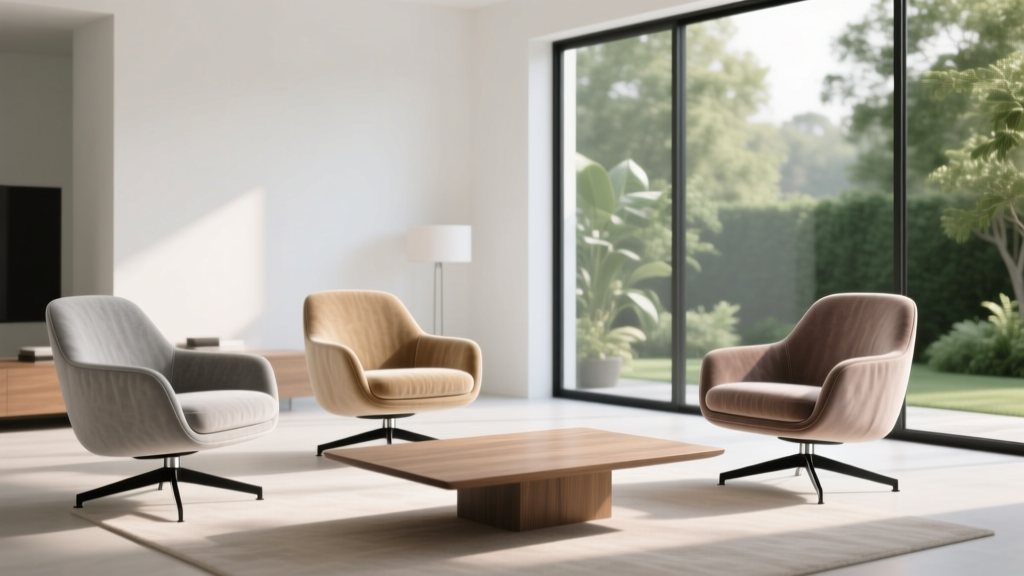
Best Swivel Chair Options for Living Rooms - The Decor Mag
A swivel chair can change how your living room works—without changing your entire layout. It’s one of the few seating pieces that feels equally at home in a cozy reading corner, a conversational seating group, or a small apartment where every square foot has to multitask. The simple ability to rotate means you can face the TV, turn toward guests, or angle toward a window view in a single motion.
But not all swivel chairs are created equal. Some are sleek and modern, others are plush and lounge-worthy, and a few are built specifically to disappear into a room’s design while quietly making it more functional. This guide breaks down the best swivel chair options for living rooms, how to choose the right size and silhouette, what materials hold up best, and how to style them so they look intentional—not like an afterthought.
You’ll also find real-world scenarios, common mistakes to avoid, and practical shopping guidance (including measurements and budget ranges) so you can confidently pick a swivel chair that feels great and looks even better.
Why Swivel Chairs Work So Well in Living Room Design
Swivel chairs are a designer favorite because they support “flexible living”—a major trend right now—while still aligning with timeless room-planning principles like balance, circulation, and conversation.
- They improve flow: You can rotate instead of dragging furniture, which helps in open-concept living rooms and smaller spaces.
- They support conversation: A swivel chair naturally encourages face-to-face seating and prevents “dead angles” in a seating group.
- They’re ideal for multifunctional rooms: Great when your living room also serves as a media room, reading nook, or work-from-home zone.
- They soften rigid layouts: A curved swivel silhouette can balance boxy sectionals and rectangular coffee tables.
How to Choose the Right Swivel Chair for Your Living Room
Start With Measurements (So It Fits and Functions)
Before you fall for a fabric or a shape, confirm the chair will physically work in your room. Swivel chairs need a touch more clearance than stationary accent chairs because they rotate.
- Ideal clearance around a swivel chair: Plan for 18–24 inches of space from the chair’s outer edge to nearby furniture (side tables can be closer if they’re slim).
- Distance from coffee table: Aim for 14–18 inches from the chair’s front edge to the coffee table for comfortable reach and legroom.
- Seating height: Most living room swivel chairs land around 17–19 inches seat height. Match this to your sofa for a cohesive look.
- Chair width: Typical widths range from 28–40 inches. Small spaces often do best at 28–32 inches.
Quick rule: In a tighter living room, prioritize a swivel chair with a smaller “footprint” (base diameter) even if the top looks roomy.
Pick a Silhouette That Matches Your Style (and Your Sofa)
- Barrel swivel chairs: Curved, enveloping, and great for cozy conversation areas.
- Track-arm swivel chairs: More structured and tailored—perfect for transitional and modern living rooms.
- Swivel gliders: Add a gentle glide motion, ideal for families or anyone who loves extra comfort.
- High-back swivel chairs: Supportive for reading and lounging; visually “taller,” so best when you need height balance.
- Low-slung modern swivel chairs: Sculptural and cool, but double-check comfort and ergonomics.
Choose Materials That Hold Up (and Look Better Over Time)
Material choice can make a swivel chair feel crisp and modern or soft and inviting. It’s also where durability and maintenance come into play.
- Performance fabric: Best for busy living rooms. Look for stain-resistant, tightly woven options. Great if you have kids, pets, or frequent guests.
- Leather (top-grain or semi-aniline): Timeless, ages beautifully, and wipes clean. Avoid very delicate aniline leather if spills are common.
- Bouclé: A top trend for texture-forward living room decor. Choose a dense, high-quality bouclé to reduce snagging.
- Velvet: Luxurious and surprisingly practical when it’s performance velvet. It adds depth and plays beautifully with light.
- Wood base vs. metal base: Wood reads warm and classic; metal feels sleek and contemporary. Both can be durable—focus on construction quality.
What to look for in construction: kiln-dried hardwood frames, high-resiliency foam or foam + fiber wrap, and a smooth swivel mechanism that feels stable (no wobble).
Best Swivel Chair Options (By Style, Comfort, and Budget)
Use these categories to narrow your search. The “best” swivel chair depends on your room size, how you use the space, and the mood you want.
1) The Classic Barrel Swivel (Best for Conversation Areas)
A barrel swivel chair is one of the most versatile living room seating options. Its rounded back naturally guides sightlines into the room and softens the look of straight-lined furniture.
- Best for: Traditional, transitional, coastal, and contemporary spaces
- Ideal size range: 30–36 inches wide
- Budget range: $400–$1,500 (custom upholstery can run higher)
Real-world scenario: In a living room with a standard 84-inch sofa, add two matching barrel swivels opposite the sofa to create a balanced conversational “U.” Pair with a 36–42 inch round coffee table to echo the curves.
2) The Modern Sculptural Swivel (Best for Statement Style)
These are the chairs you see in design-forward homes: curved silhouettes, interesting bases, and upholstery that feels architectural. They’re perfect when you want the swivel chair to double as decor.
- Best for: Modern, contemporary, minimalist, and eclectic living rooms
- Ideal size range: 28–34 inches wide (many run compact)
- Budget range: $500–$2,500+
Style tip: If the chair is sculptural, keep surrounding pieces quieter—solid-color rug, streamlined side table, and one bold art piece to anchor the seating area.
3) The Swivel Glider (Best for Everyday Comfort)
A swivel glider adds a gentle back-and-forth motion. It’s not just for nurseries—this is a comfort upgrade for living rooms where people actually lounge.
- Best for: Family rooms, casual living rooms, open-concept spaces
- Ideal size range: 30–38 inches wide
- Budget range: $600–$2,000
Real-world scenario: If your living room doubles as a movie room, a swivel glider near the sectional becomes the “favorite seat.” Add a slim floor lamp and a small C-table (about 10–12 inches wide) for snacks and remotes.
4) The Tailored Track-Arm Swivel (Best for Timeless, Polished Rooms)
Track arms and clean lines give a swivel chair a sofa-like presence. This is a smart choice when you want the room to feel cohesive and elevated rather than trendy.
- Best for: Transitional, modern farmhouse (more refined versions), classic contemporary
- Ideal size range: 32–40 inches wide (often generous)
- Budget range: $700–$2,500 (custom can exceed this)
Design tip: Choose a chair depth that matches how you relax. If you like to curl up, look for a seat depth around 21–23 inches. If you prefer upright posture, 19–21 inches may feel better.
5) The Compact Apartment Swivel (Best for Small Living Rooms)
Small living rooms don’t need to sacrifice comfort. The key is selecting a swivel chair with a tight footprint and a lighter visual profile—think open arms, slimmer padding, or a subtly tapered base.
- Best for: Apartments, studios, and narrow living rooms
- Ideal size range: 26–32 inches wide
- Budget range: $250–$900
Space-saving move: Swap a bulky side table for a wall-mounted shelf at 24–28 inches high, or use a nesting table set you can slide under itself when you need more walkway space.
Design Tips: How to Style Swivel Chairs So They Look Intentional
Create a Conversation-Friendly Layout
Swivel chairs shine when they’re part of a seating plan—not floating randomly. Here are reliable layout formulas:
- Sofa + 2 swivel chairs: Place chairs opposite the sofa, angled slightly inward. Great for most rectangular living rooms.
- Sectional + 1 swivel chair: Add a swivel chair across from the sectional’s open side to “close” the seating group.
- Two swivels by the window: Turn a blank corner into a reading and coffee spot with a small round table between them (18–24 inches diameter).
Use Curves to Balance Straight Lines
One of the easiest designer tricks: if your room has a boxy sectional, rectangular rug, and square coffee table, introduce curves with a barrel or rounded swivel chair. It immediately softens the space and feels more inviting.
Pick the Right Upholstery Color for Your Lifestyle
- Light neutrals (cream, oatmeal): Airy and high-end, best in performance fabric if you entertain often.
- Mid-tone neutrals (taupe, gray-beige, camel): Practical and forgiving; great for renters who want longevity.
- Moody hues (olive, navy, charcoal): Hide wear and add richness—excellent for a cozy living room vibe.
- Pattern: Use subtle texture or small-scale patterns to disguise daily use without overwhelming the room.
Don’t Forget the “Landing Zone”
A swivel chair needs a spot for a drink, a book, or a phone. Aim for a side table surface within 8–12 inches of the chair’s arm.
- Small spaces: C-table, nesting tables, or a wall-mounted ledge
- Large spaces: Substantial end table (18–24 inches wide) or a drum table for visual weight
Real-World Living Room Scenarios (and What Works Best)
Scenario A: Open-Concept Living Room That Faces Multiple Directions
Challenge: You want seating that can face the TV, the kitchen, and the fireplace.
Best pick: Two swivel chairs with a smooth, stable base—ideally a tailored track-arm or classic barrel in a durable performance fabric.
Pro layout move: Float the swivel chairs near the edge of the rug so they can rotate toward different zones without disrupting traffic flow.
Scenario B: Small Apartment Living Room with One Main Seating Piece
Challenge: You only have room for a loveseat and one extra seat.
Best pick: A compact swivel chair (26–30 inches wide) with a lighter visual profile.
Pro styling move: Add an arched floor lamp behind the chair to define a reading corner, even if it’s only a few feet wide.
Scenario C: Family Living Room with Pets and Daily Use
Challenge: The chair needs to look good and survive real life.
Best pick: A swivel glider or plush swivel chair in performance fabric or high-quality leather.
Material tip: Choose tightly woven fabrics and avoid loose bouclé if snagging is a concern.
Common Mistakes to Avoid When Buying a Swivel Chair
- Buying too large for the room: A 40-inch-wide chair can overwhelm a small living room and block walkways. Tape the footprint on the floor before ordering.
- Ignoring the base diameter: The chair may “fit” visually but still collide with side tables when it rotates.
- Choosing style over comfort: Some low-profile modern chairs look stunning but feel awkward for daily sitting. If possible, test seat depth and back support.
- Forgetting rug interaction: Thick, high-pile rugs can make swiveling harder. If you love plush rugs, choose a chair with a base designed to glide smoothly.
- Not planning for a side table: A swivel chair without a landing zone becomes a seat no one uses for long.
FAQ: Swivel Chairs for Living Rooms
Are swivel chairs good for small living rooms?
Yes—often better than stationary accent chairs because they add flexibility without adding more furniture. Look for compact models around 26–32 inches wide and keep at least 18 inches of clearance for rotation.
What’s the best fabric for a swivel chair if you have kids or pets?
Performance fabric is the most practical choice. For leather, top-grain options are durable and easy to wipe clean. Avoid delicate weaves and easily snagged textures if pets use the chair.
Do swivel chairs work with sectionals?
They pair beautifully. Place a swivel chair opposite the sectional’s open side to complete the seating group. This helps the layout feel balanced and improves conversation flow.
How do I choose the right size swivel chair?
Start with room scale and circulation. A good general target is 14–18 inches between chair and coffee table, and 18–24 inches of clearance around the chair for comfortable swiveling. Match seat height (typically 17–19 inches) to your sofa when possible.
Are swivel gliders worth it?
If comfort is your priority, yes. A swivel glider is ideal for lounging, reading, and movie nights. They’re especially popular in family living rooms where the chair will get daily use.
Can a swivel chair be the main accent piece in living room decor?
Absolutely. A sculptural swivel chair in bouclé, velvet, or a rich leather can anchor a corner and bring personality to the whole living room. Just keep nearby pieces more streamlined so the chair feels intentional, not busy.
Next Steps: Find Your Best Swivel Chair Match
To pick the right swivel chair for your living room, start with a quick plan: measure your available footprint, decide how you’ll use the chair (conversation, TV viewing, reading), and choose a material that matches your lifestyle. Then focus on silhouette—barrel for cozy curves, track-arm for timeless polish, sculptural for a statement, or a swivel glider for maximum comfort.
Once it arrives, make it feel “designed” by giving it a proper landing zone (side table), good lighting, and placement that supports conversation. A well-chosen swivel chair doesn’t just fill space—it makes the living room work better every day.
Looking for more living room design and decor ideas? Explore inspiration, furniture guides, and styling tips throughout thedecormag.com.
More Articles
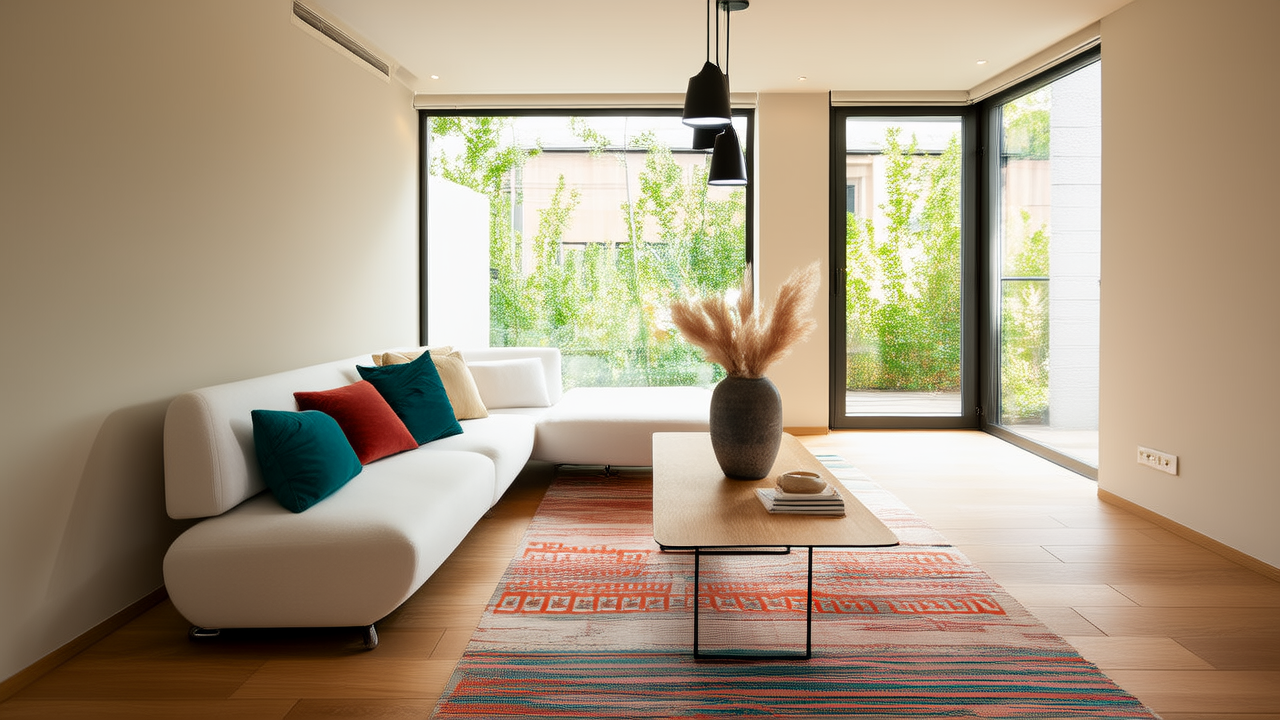 Living Room Foundations: Support, Ergonomics, Comfort
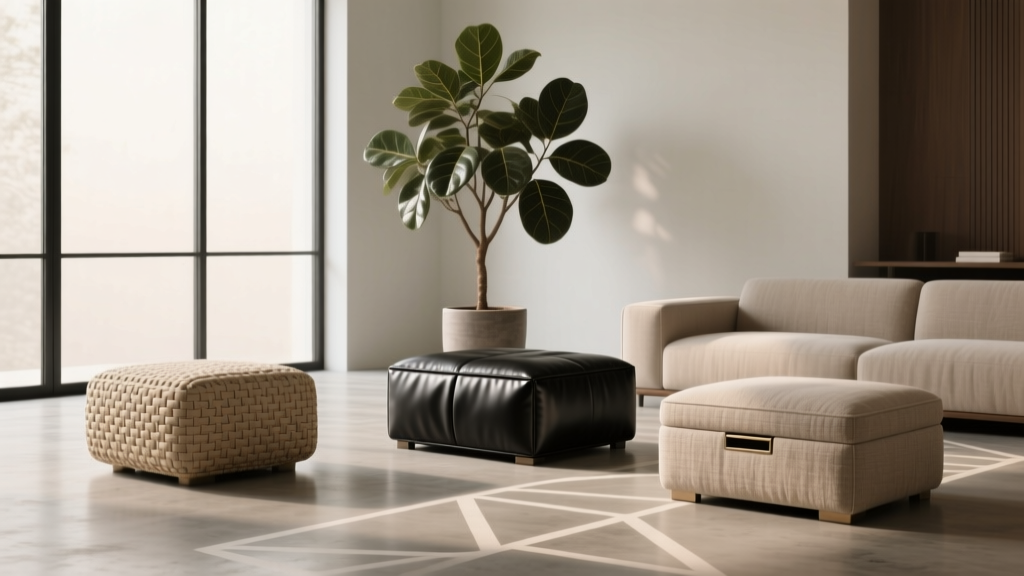 Best Storage Ottoman Picks - The Decor Mag
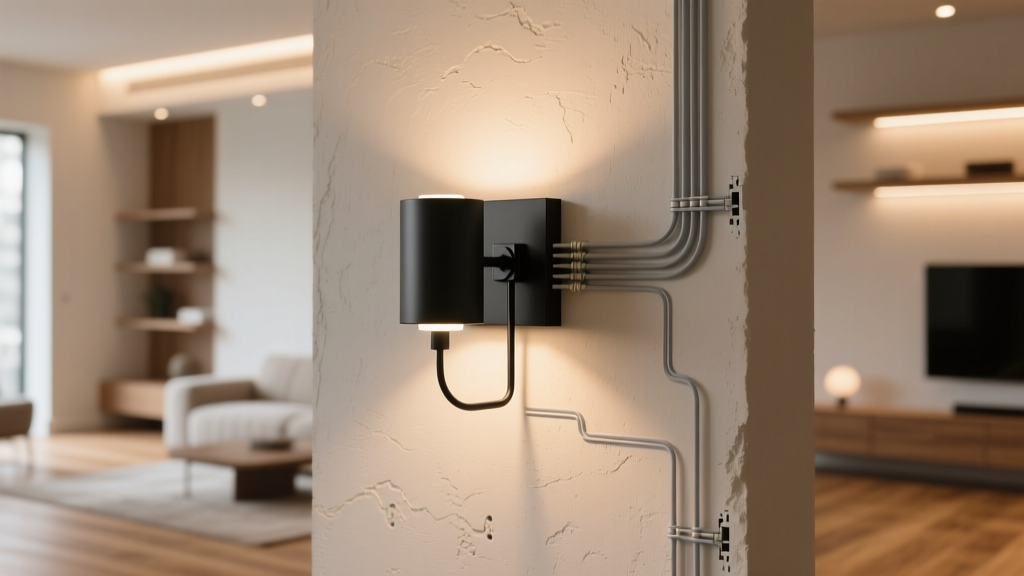 Best Wall Sconce Wiring Options - The Decor Mag
 How to Style a Round Coffee Table - The Decor Mag
 Kid-Proof Living Room Ideas That Still Look Stylish
 Living Room Black and White Design Scheme - The Decor Mag
 Living Room Vintage Decor Finds - The Decor Mag
 Mid-Century Modern Living Room Must-Haves - The Decor Mag
 Living Room That Feels Collected: Decor Tips
 Palette vs Paint: Color Systems vs Surface Finishes 2026