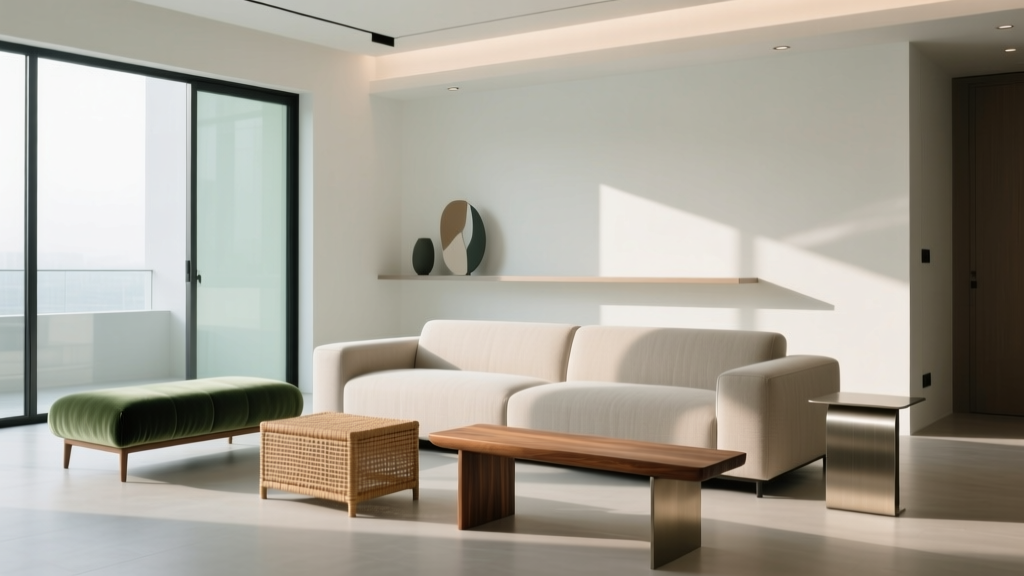
Best Bench Options at the End of a Sofa - The Decor Mag
A bench at the end of a sofa is one of those design moves that looks effortless in a well-styled living room—yet it solves a surprising number of everyday problems. It can add extra seating when guests drop by, provide a convenient landing spot for a throw blanket or tray, and visually “finish” a seating arrangement that otherwise feels like it’s floating in the room.
Whether you’re working with a compact apartment layout or a generous open-concept space, the right bench can improve circulation, balance proportions, and bring in texture (wood, leather, boucle, metal) without adding visual clutter. This guide breaks down the best bench styles to place at the end of a sofa, how to choose the right size, what materials hold up best, and the common mistakes that can make the setup feel awkward. You’ll also find real-world scenarios, budget ranges, and practical styling tips you can use right away.
Why Add a Bench at the End of a Sofa?
Designers love this trick because it’s functional and architectural at the same time. A bench can act like a “soft boundary,” defining the living room seating zone in an open floor plan, or it can create a subtle divide between the sofa and a nearby walkway.
- Extra seating: Useful for entertaining without introducing bulky accent chairs.
- Layered look: Adds depth and dimension—especially behind or at the end of a sectional.
- Storage opportunities: Many benches offer hidden storage for blankets, toys, or games.
- Better flow: Helps guide movement through the room (especially in open layouts).
- Style and texture: An easy way to introduce a different material finish for a more curated living room.
How to Choose the Right Size: Measurements That Work
Before you shop, measure. A bench that’s too tall or too long can look like an afterthought—or block circulation. Use these guidelines as a starting point.
Bench Height
- Ideal height: 16–19 inches tall (similar to most sofa seat heights).
- Rule of thumb: Keep the bench seat within 1–2 inches of the sofa seat height for a cohesive look.
- Low-profile sofas: If your sofa seat is 15–16 inches, choose a bench around 15–17 inches.
Bench Length
- End-of-sofa placement: Aim for a bench that’s roughly 2/3 to 3/4 the length of the sofa end it sits beside.
- If using behind a sofa (sofa table alternative): Choose a length that’s 60–80% of the sofa length.
Depth and Clearance
- Bench depth: 14–18 inches deep works well for most living rooms.
- Walkway clearance: Maintain 30–36 inches for main pathways around the bench.
- Between bench and coffee table (if applicable): Keep 14–18 inches for comfortable legroom and movement.
Quick Measuring Checklist
- Measure sofa seat height and note it.
- Measure the available length at the sofa end (or behind the sofa) without blocking doors or traffic flow.
- Mark a rectangle on the floor with painter’s tape to visualize the bench footprint.
- Test your main walking routes—especially if your living room is also a hallway pass-through.
Best Bench Styles for the End of a Sofa
The “best” bench depends on how you live. Do you need hidden storage? A softer perch for lounging? Something sculptural to elevate the room? Here are the top options designers reach for.
1) Upholstered Bench: Soft, Cozy, and Guest-Friendly
If you want the bench to function as real seating (not just decor), upholstered is the most comfortable choice. It also adds softness, which is helpful if your living room has a lot of hard surfaces like wood floors, glass tables, or metal lighting.
Best for: Conversation areas, family rooms, renters who want instant coziness.
- Materials to look for: Performance fabric, textured linen blends, boucle (trend-forward), or velvet (more formal).
- Color tips: Match the sofa for a tonal look, or go one shade darker to ground the seating area.
- Budget range: $200–$900 (higher for designer textiles).
Design tip: If you have pets or kids, prioritize removable covers or performance upholstery. Look for terms like “stain-resistant,” “crypton,” or “solution-dyed acrylic.”
2) Leather or Faux Leather Bench: Timeless and Easy to Wipe
Leather brings that classic, tailored living room vibe and pairs beautifully with both modern and traditional decor. It’s especially smart at the end of a sofa because it handles friction and everyday use well.
Best for: Modern farmhouse, transitional spaces, homes with kids (easy cleanup).
- Look for: Top-grain or full-grain leather for longevity; high-quality faux leather for budget-friendly durability.
- Style match: A cognac leather bench warms up gray or white sofas instantly.
- Budget range: $250–$1,200.
Real-world scenario: In a rental with a light beige sofa, a camel faux leather bench at the end gives contrast and adds a practical “drop zone” for a bag without risking fabric stains.
3) Storage Bench: The Best Small-Space Solution
If your living room also stores board games, throw blankets, or kids’ toys, a storage bench can reduce clutter while keeping essentials close. This is one of the most functional living room design upgrades you can make—especially in apartments.
Best for: Small living rooms, multipurpose spaces, families.
- Types: Lift-top benches, drawer benches, or open cubbies with baskets.
- Recommended interior height: 10–12 inches minimum for folded throws and pillows.
- Budget range: $150–$700.
Pro tip: If you’ll open the lid often, choose a bench with soft-close hinges to avoid pinched fingers and slammed tops.
4) Wood Bench: Warm, Minimal, and Visually Light
A simple wood bench can look airy and architectural—great if your sofa is plush or oversized and you don’t want to add another bulky upholstered piece. Wood also adds a natural element that aligns with current trends: organic modern, Japandi, and warm minimalism.
Best for: Organic modern living rooms, Scandinavian style, homes with lots of texture.
- Best wood tones: White oak, walnut, ash, or a warm mid-tone that complements existing floors.
- Finish tip: Choose a matte or satin finish for a high-end look (gloss can read dated).
- Budget range: $120–$800 (more for solid wood and artisan builds).
Styling idea: Add a thin cushion or a pair of lumbar pillows in a textured fabric to soften the seat without losing the clean-lined look.
5) Metal + Upholstery Bench: Sleek, Modern, and Space-Smart
Benches with slim metal frames and a padded top are ideal when you want a lighter footprint. They work well in contemporary spaces and can subtly echo other finishes like black window frames or brass lighting.
Best for: Modern living rooms, smaller layouts, homes with a lot of visual weight already.
- Finish trends: Matte black, warm brass, and soft champagne metals.
- Balance tip: If your coffee table is chunky, choose a more delicate bench frame to keep the room from feeling heavy.
- Budget range: $180–$750.
6) Curved or Sculptural Bench: A Statement Piece That Still Functions
Curves are still a major living room trend, and a curved bench can soften a space filled with straight lines. These look especially striking paired with a classic rectangular sofa because the contrast feels intentional and designer-led.
Best for: Style-forward spaces, rooms that feel too boxy, mid-century modern updates.
- Materials to consider: Boucle for texture, velvet for drama, or a woven fabric for a casual feel.
- Keep it grounded: If you choose a sculptural bench, simplify nearby accessories to avoid visual competition.
- Budget range: $300–$1,500.
Placement Ideas: Where a Bench Works Best
At the End of a Sofa (Classic “End Cap” Placement)
This is ideal when you want extra seating close to the conversation area. It can also help visually anchor the sofa, particularly if the sofa is floating in the room.
- Leave 2–6 inches between the bench and the sofa arm/end for breathing room.
- Use a bench that’s no taller than the sofa seat to keep sightlines open.
Behind a Floating Sofa (Bench as a Soft Divider)
If your sofa backs up to a dining area, entryway, or open kitchen, a bench behind it can define zones without adding a tall console table.
- Keep 4–8 inches between the sofa back and the bench so it doesn’t feel cramped.
- Choose a bench depth under 16–18 inches if you need a clear walkway.
Paired with a Sectional (Bench to Balance Bulk)
Sectionals can dominate a room. A streamlined bench at the end (especially on the open side) gives structure and adds a spot for guests without introducing another large piece.
Example: In an L-shaped sectional setup, place a narrow upholstered bench at the end of the chaise side to provide a perch without blocking the TV view.
How to Style a Bench So It Looks Intentional
The difference between “extra furniture” and a polished living room moment often comes down to styling. Keep it simple and functional.
- Add one tactile layer: A folded throw, a single lumbar pillow, or a sheepskin drape (especially on wood or leather).
- Use a tray (sparingly): If the bench is mainly decor, a low tray can hold coasters or a candle. Avoid tall arrangements that block sightlines.
- Coordinate materials: Echo one finish already in the room (wood tone, metal finish, or fabric texture).
- Think in pairs: Two small pillows look more balanced than one oversized pillow on a long bench.
Product Recommendation Guide (By Budget)
Use these categories to shop smarter. The best bench for living room decor is one that matches your lifestyle and the room’s scale—not just the trend of the moment.
Budget-Friendly: $100–$300
- Simple wood bench: Great for a minimalist look; add a cushion for comfort.
- Faux leather bench: Easy-care and polished; look for sturdy stitching and dense foam.
- Small storage bench: Best for renters needing hidden organization.
Mid-Range: $300–$800
- Performance upholstered bench: Ideal for everyday seating and durability.
- Metal-frame upholstered bench: Modern, airy, and easy to coordinate with black or brass accents.
- Solid wood bench: White oak or walnut tones for warmth and longevity.
Investment: $800–$1,500+
- Top-grain leather bench: Develops character over time; a timeless piece.
- Sculptural designer-style bench: Curved silhouettes and luxe textiles (boucle, mohair blends).
- Custom upholstered bench: Best if you need a very specific size to fit a tight layout.
Common Mistakes to Avoid
- Choosing a bench that’s too tall: If it rises above the sofa seat by more than 2 inches, it can look like it doesn’t belong and may block sightlines.
- Ignoring traffic flow: A bench that steals your walkway turns your living room into an obstacle course. Protect that 30–36 inches of clearance.
- Going too long: A bench that extends past the sofa edge can look unbalanced and makes corners feel tight.
- Over-styling: Too many pillows, trays, and decor items make the bench unusable and visually busy.
- Mismatched scale: A delicate bench can get “lost” next to a deep, oversized sofa; a chunky bench can overwhelm a slim, modern sofa.
FAQ: Bench at the End of a Sofa
What size bench works best at the end of a sofa?
Aim for a bench height of 16–19 inches and a length around 2/3 to 3/4 of the sofa end you’re furnishing. Keep 30–36 inches of clearance for walkways.
Should the bench match the sofa?
Not necessarily. Matching can look clean and tonal, but contrast often looks more designer. A wood or leather bench can complement an upholstered sofa by adding texture and warmth.
Can I use a bench instead of an accent chair?
Yes—especially in small living rooms. A bench provides extra seating with a smaller visual footprint. For comfort, choose upholstered or add a cushion to a wood bench.
Is a storage bench a good idea for the living room?
If clutter is a challenge, it’s one of the most practical choices. Look for soft-close hinges and enough interior depth (10–12 inches) for throws, games, or toys.
How do I keep a bench from sliding on hardwood floors?
Add felt pads or rubber grippers to the feet. For lighter benches, a low-profile rug beneath the seating area can also help anchor the layout.
What’s the best material for a bench if I have pets?
Performance fabric, tightly woven textiles, and leather are typically the easiest. Avoid delicate weaves and fabrics that snag easily. If you love boucle, choose a tighter loop and keep a lint roller handy.
Your Next Steps: Pick, Place, and Style with Confidence
Start by measuring your sofa height, the available length, and your walkway clearance. Then decide what you need most: extra seating, hidden storage, or a style statement. From there, choose a bench material that fits your lifestyle—performance upholstery for daily comfort, leather for timeless durability, or wood for a warm, minimalist look.
Once it’s in place, keep styling simple: one throw, one or two pillows, and enough open space to make the bench feel inviting and usable. When the scale is right, a bench at the end of a sofa instantly makes your living room feel more finished, more functional, and more thoughtfully designed.
Looking for more living room design and decor ideas? Explore more inspiration, layout tips, and trend-forward guides on thedecormag.com.
More Articles
 Kid-Proof Living Room Ideas That Still Look Stylish
Living Room Color Schemes That Work Every Time
Kid-Proof Living Room Ideas That Still Look Stylish
Living Room Color Schemes That Work Every Time
 Cocktail Table vs Coffee Table: Key Differences (2026)
 Colorguides for Living Spaces: Step-by-Step Guide 2026
 Living Room Color Scheme from Art (2026)
 Best Storage Ottoman Picks - The Decor Mag
 Living Room Home Office Combo Ideas - The Decor Mag
 Family-Friendly Living Room Ideas - The Decor Mag
 Living Room Furniture Scale: How to Choose Right (2026)
 Best Bar Cart Placement in Living Rooms - The Decor Mag