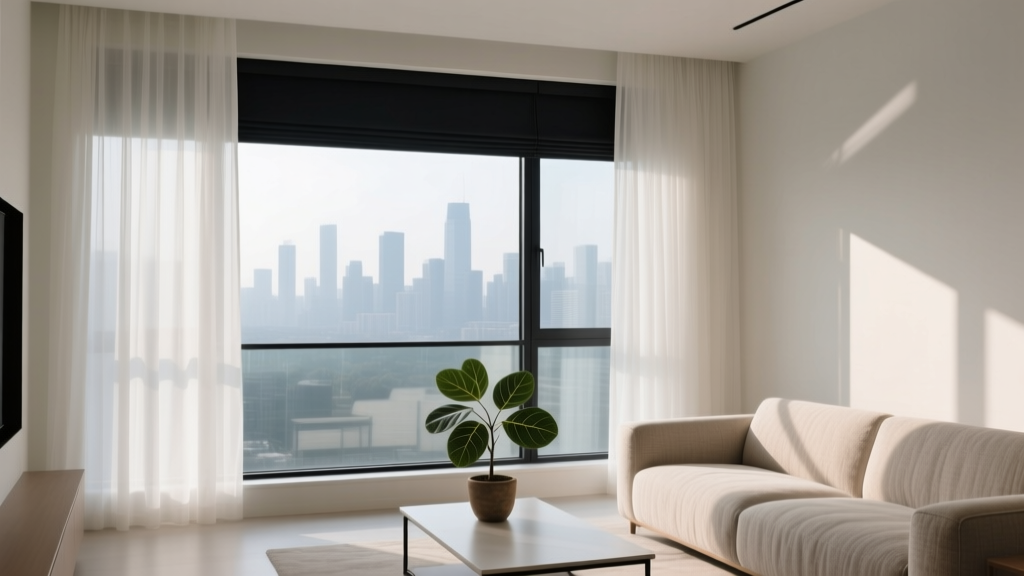
Living Room Window Treatments for Privacy (2026)
Your living room is where life happens—movie nights, morning coffee, impromptu conversations, and the quiet moments when you finally exhale. But if your windows face a street, neighboring building, or shared outdoor space, privacy can feel like a luxury. The good news: you don’t have to choose between natural light and feeling comfortably “unseen.” The right window treatments can give you both.
Choosing living room window treatments for privacy is part design, part problem-solving. You’re balancing how the room looks from the inside, how your home presents itself from the outside, and how the light shifts throughout the day. This guide walks you through practical options—curtains, blinds, shades, films, and layered solutions—along with measurements, material recommendations, budget ranges, and real-world examples so you can pick with confidence.
By the end, you’ll know how to assess your privacy needs, select the best treatments for your window type and style, avoid common mistakes, and put together a plan that fits your budget and your living room decor.
Start with Your Privacy (and Light) Goals
Before looking at fabrics and finishes, get specific about the kind of privacy you need. “Privacy” can mean different things depending on the window location and the time of day.
Quick privacy check: what are you trying to block?
- Daytime views in (people on the sidewalk, neighbors across the way)
- Nighttime visibility (interior lights make it easy to see inside)
- Direct sightlines into seating areas (sofa placement matters)
- Glare on a TV screen
- Heat gain (south/west-facing windows)
Know your privacy levels
- Sheer: Softens views and light; minimal nighttime privacy.
- Light-filtering: Blurs shapes and reduces visibility while keeping rooms bright.
- Room-darkening: Strong privacy and light control (not always pitch-black).
- Blackout: Maximum light blocking and privacy; ideal for street-facing rooms and media setups.
Design trend to watch: Layered window treatments—like sheers plus drapery or a woven shade plus panels—remain a favorite because they flex with your day. It’s also a timeless approach that looks polished in nearly any living room design style.
Measure Like a Pro (So You Don’t Lose Privacy at the Edges)
Poor measurements are one of the biggest reasons “privacy” treatments still feel exposed. Take a few minutes to measure carefully.
What to measure
- Inside width (top, middle, bottom of the window frame)
- Inside height (left, center, right)
- Outside width/height (how much wall space you have around the window)
- Depth of window frame (matters for inside-mount blinds/shades)
Privacy-forward measurement guidelines
- Outside mount shades/blinds: Add 2–4 inches of width on each side (total 4–8 inches wider) to reduce light gaps and sightlines.
- Shade length: Extend 2–3 inches below the window trim or to the sill/apron to minimize peeking from below.
- Drapery width: Aim for 2x to 2.5x the window width for a full, privacy-friendly look (especially when drawn).
- Rod placement: Mount the rod 4–8 inches above the window trim (or closer to the ceiling for height) and extend it 6–12 inches past each side of the window so curtains can stack off the glass.
Real-world scenario: If your living room window is 60 inches wide, choose drapery panels totaling about 120–150 inches in combined width. For a 1-inch rod, that could mean two 54x96 panels (108 inches total) for a tailored look, or two 60x96 panels (120 inches total) for fuller coverage.
Choose the Best Window Treatment Type for Living Room Privacy
Different products solve privacy in different ways. Here’s how to choose based on your living room layout, style, and how much flexibility you want.
1) Curtains and Drapes: The Most Versatile Privacy Upgrade
Living room curtains are a favorite because they’re easy to layer, soften acoustics, and instantly elevate decor. For privacy, fabric choice and lining are everything.
Best for: Street-facing rooms, large windows, sliding doors, renters (when paired with tension rods or removable hooks where allowed).
Recommended materials:
- Linen blends: Breezy, upscale texture; add a privacy lining if needed.
- Velvet: Excellent for nighttime privacy and insulation; trending in rich neutrals and jewel tones.
- Polyester performance weaves: Budget-friendly, wrinkle-resistant, and widely available with blackout options.
Privacy tip: Choose lined or blackout-lined panels for street-facing living rooms. Unlined sheers look gorgeous but won’t protect you at night.
Budget range:
- $40–$120 per panel (ready-made)
- $150–$600+ per panel (custom, depending on fabric and lining)
2) Roller Shades: Clean Lines, Strong Privacy
Roller shades are simple, modern, and highly effective for privacy—especially when you choose light-filtering or blackout fabrics. They’re great for contemporary living room decor and minimalist styling.
Best for: Modern living rooms, media rooms, windows with trim you want to showcase, homes with kids/pets (cordless options).
What to look for:
- Light-filtering roller shades for daytime privacy without dimming the room too much
- Blackout roller shades for maximum nighttime privacy
- Valance or cassette to hide the roll and reduce top light leaks
Budget range: $50–$250 per window (more for motorized).
3) Roman Shades: Soft, Tailored, and Decor-Friendly
Roman shades offer fabric richness like drapes but sit close to the window for a cleaner profile. They’re a strong choice for classic, transitional, and modern organic living room styles.
Best for: Layering with drapery panels, adding texture, making a living room feel curated.
Material picks for privacy:
- Textured linens with lining (light-filtering but private)
- Dim-out linings for street-facing windows
Budget range: $120–$500 per window (custom can go higher).
4) Cellular (Honeycomb) Shades: Privacy + Energy Efficiency
If your living room gets hot in summer or drafty in winter, cellular shades are a smart upgrade. They offer excellent privacy while improving insulation—ideal for apartments with older windows.
Best for: Renters and homeowners wanting comfort, savings, and a clean look.
Pro tip: Consider top-down/bottom-up cellular shades. You can let in daylight from the top while keeping the lower portion covered—perfect for privacy without sacrificing brightness.
Budget range: $80–$300 per window.
5) Blinds (Wood, Faux Wood, Aluminum): Adjustable Privacy
Blinds give you precise control: tilt for daytime privacy while still letting light in. For living rooms, faux wood and real wood blinds are the most design-forward.
Best for: Traditional or coastal living rooms, rooms where you want easy adjustability, windows that need durable finishes.
Material recommendations:
- Faux wood: Budget-friendly, moisture-resistant, looks substantial.
- Real wood: Warm and timeless, higher-end feel.
Heads-up: Blinds can show light gaps at the sides. For better privacy, choose an outside mount or layer with drapery.
Budget range: $40–$250 per window.
6) Sheer Shades and Solar Shades: Daytime Privacy with a View
If your biggest issue is daytime exposure and glare, solar shades can reduce visibility and heat while preserving some outdoor view. They’re popular in modern living room design, especially for large windows.
Best for: Bright living rooms, windows with strong sun, homes with a view you don’t want to block.
Choose the right openness:
- 1–3% openness: More privacy, less view (good for street-facing rooms)
- 5% openness: Balanced view and glare control
- 10% openness: More view, less privacy
Nighttime reality: Solar shades don’t provide full privacy at night when lights are on. Pair with drapery panels for complete coverage.
Budget range: $70–$300 per window.
7) Frosted/Privacy Window Film: Renter-Friendly and Surprisingly Chic
Privacy window film is an underrated solution for living rooms where curtains feel heavy or where you need privacy fast. It works especially well on lower window panes, sidelights, or street-level apartments.
Best for: Renters, quirky window shapes, budget makeovers, bathrooms-adjacent living spaces, or homes close to neighbors.
Style options: Frosted, reeded/glass-like texture, geometric patterns, stained-glass effects.
Budget range: $15–$60 per roll (DIY-friendly).
The Most Effective Approach: Layering Window Treatments
For privacy that adapts from morning to midnight, layering is hard to beat. It’s also a current trend in elevated living room decor—mixing textures and finishes for a designer look.
Winning layer combinations
- Sheer curtains + blackout drapes: Soft daytime glow, full nighttime privacy.
- Solar shade + linen drapery panels: Glare control and daytime privacy, plus warmth and style.
- Top-down/bottom-up cellular shade + stationary side panels: Flexible light control with a finished, high-end frame.
- Woven wood shade + lined drapery: Natural texture (a major trend) with practical coverage.
Design tip: Keep layered treatments cohesive by repeating one element—warm wood tones, black hardware, or a neutral fabric palette. This prevents “too many ideas” at the window.
Match Treatments to Your Living Room Layout (Real-World Examples)
Scenario 1: Street-facing apartment living room
Challenge: Pedestrian traffic and nighttime visibility, but you still want daylight.
Solution:
- Install top-down/bottom-up cellular shades (light-filtering) for daytime
- Add blackout-lined drapery panels for evening
- Choose a rod that extends 8–12 inches beyond the window on each side
Budget: Around $200–$700 depending on shade quality and drapery choice.
Scenario 2: Suburban living room with neighbors close by
Challenge: Side-yard views and angled sightlines into the sofa area.
Solution:
- Use light-filtering roller shades with a cassette to minimize light leaks
- Frame the window with stationary decorative panels for softness
- Consider privacy film on the lower pane if the window is low and frequently exposed
Scenario 3: Large picture window with a view (but you want discretion)
Challenge: You don’t want to lose the view, but you don’t want to feel on display.
Solution:
- Choose a solar shade (3–5% openness) for daytime privacy and glare control
- Add drapery panels that can close fully at night
- Use heavier fabric like a linen blend with lining to keep it elegant, not bulky
Material and Color Choices That Improve Privacy (and Style)
- Darker fabrics generally provide better privacy than very light, unlined fabrics.
- Textured weaves (bouclé-like sheers, slubbed linens, tweeds) obscure silhouettes more than flat fabrics.
- Lining upgrades are often the best value:
- Privacy lining: adds body and reduces see-through
- Dim-out lining: stronger light reduction with a softer look than blackout
- Blackout lining: maximum privacy and light control
- Neutral palettes (warm whites, oatmeal, greige) are timeless and trend-friendly, pairing well with modern organic and transitional living room decor.
Product Recommendations by Budget
Budget-friendly ($20–$150 per window)
- Privacy window film for immediate daytime coverage
- Ready-made blackout curtains with a simple rod
- Basic roller shades (corded or cordless depending on safety needs)
Mid-range ($150–$500 per window)
- Top-down/bottom-up cellular shades (excellent for privacy and light)
- Better-quality woven shades with privacy liner
- Layered look: light-filtering shade + ready-made drapery panels
Higher-end ($500–$1,500+ per window)
- Custom drapery with interlining for a luxe, tailored fall
- Motorized shades (roller or cellular) for tall windows or daily convenience
- Designer hardware and ceiling-mounted tracks for a high-end architectural finish
Common Mistakes to Avoid
- Relying on sheers alone for privacy—especially in a street-facing living room. They rarely protect you at night.
- Mounting the rod too low or too narrow, which blocks light and leaves gaps. Extend rods beyond the window so panels stack off the glass.
- Choosing inside-mount blinds for high-privacy needs without considering side gaps. Outside mount often provides better coverage.
- Ignoring nighttime lighting. If you can see out clearly at night with lights on, others can often see in.
- Picking trendy materials without function. Woven shades look amazing, but many need a liner for real privacy.
- Overcomplicating the window with too many colors, patterns, or hardware finishes. Keep it cohesive with your living room style.
FAQ: Living Room Window Treatments for Privacy
What window treatments give the most privacy at night?
Blackout-lined curtains and blackout roller shades provide the strongest nighttime privacy. If you prefer a softer look, use dim-out lining paired with side panels for extra coverage.
Are light-filtering shades enough for privacy?
They’re usually great for daytime privacy, but results depend on fabric and color. At night, many light-filtering shades can still show silhouettes when interior lights are on—pair them with drapery panels for full privacy.
What are the best privacy window treatments for renters?
Try privacy window film, tension rod curtains (where feasible), or no-drill shade systems designed for apartments. If you can install hardware, a simple rod with blackout curtains gives maximum impact for the cost.
How do I keep privacy without losing natural light?
Use top-down/bottom-up shades or layer sheer curtains with a more opaque option. This lets you bring light in from above while blocking direct views into the seating area.
Do solar shades provide privacy?
Yes—mostly during the day. Choose 1–3% openness for better privacy on street-facing windows. At night, you’ll typically need a second layer (like drapes) for complete privacy.
Should curtains touch the floor in a living room?
For a finished, designer look, floor-length panels are usually best. Aim for panels that end 1/2 inch above the floor (clean break) or just lightly “kiss” the floor. For maximum drama, a small puddle is stylish, but it’s less practical for high-traffic rooms.
Next Steps: A Simple Plan You Can Use This Week
- Do a privacy walk-through in daylight and after dark: stand outside if possible, or view from the street/neighbor angle.
- Measure your windows and decide inside vs. outside mount based on privacy needs.
- Pick your base layer (shade/blind/film) for daily control.
- Add a style layer (drapery panels or sheers) for softness, better coverage, and a living-room-finished look.
- Finalize details: lining choice, rod placement, hardware finish, and fabric texture that matches your living room decor.
Your living room should feel open, bright, and comfortably yours—without feeling like you’re on display. With the right window treatments, you can dial in privacy, improve light control, and elevate the entire space at the same time.
Looking for more ways to refresh your space? Explore more living room ideas, design tips, and decor inspiration on thedecormag.com.
More Articles
 Living Room Ideas That Feel Like Home (2026)
 Best Pendant Lighting for Living Rooms - The Decor Mag
 Best Sconce Lighting for Living Room Walls - The Decor Mag
 Living Room Japandi Style Guide - The Decor Mag
 Best Outdoor Furniture for Comfortable Living
 How to Decorate a Long Narrow Living Room - The Decor Mag
 Scandinavian Living Room Design Essentials - The Decor Mag
 Small Bedroom Ideas 2026: Smart Space-Saving Designs
 Living Room Contemporary Art Display - The Decor Mag
 Living Room Symmetrical Design Principles - The Decor Mag