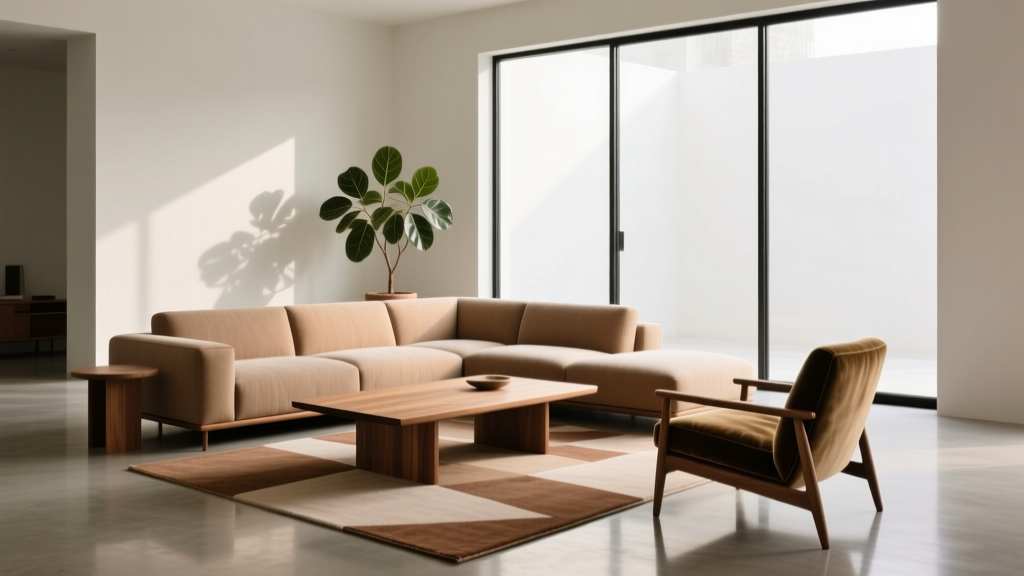
Living Room Furniture That Lasts: 2026 Picks
Your living room takes more daily wear than almost any other space. It’s where you flop after work, host friends, snack during movie night, and sometimes even work from the sofa. With that much use, furniture that only looks good for a year quickly becomes a headache—sagging cushions, wobbly legs, scratched finishes, and upholstery that pills or stains if you look at it the wrong way.
Choosing living room furniture that lasts is less about spending the most and more about knowing what to look for: durable frames, resilient cushioning, high-performance fabrics, and proportions that suit your room (and your life). This guide breaks down exactly how to shop smarter, measure correctly, and pick materials that hold up—whether you’re furnishing a first apartment or upgrading a forever home.
By the end, you’ll know how to evaluate quality in-store and online, what measurements matter most, where to invest versus save, and how to avoid the common mistakes that shorten furniture life.
Start With How You Actually Live (Not Just How You Want It to Look)
Before you fall for a beautiful sectional on Instagram, get honest about your household. Long-lasting living room design starts with lifestyle planning, not color palettes.
Quick lifestyle checklist
- Kids or pets? Prioritize stain resistance, washable covers, and tightly woven fabrics.
- Frequent hosting? Consider extra seating (ottomans, poufs, accent chairs) and a coffee table that can handle spills.
- Small space? Look for compact silhouettes, raised legs, and multifunctional pieces with storage.
- Work-from-sofa? Choose supportive seat depth and a table surface that fits a laptop comfortably.
- Sunlight exposure? Pick fade-resistant fabrics and finishes, and plan for window treatments.
Real-world scenario
Rental living room with a dog and limited space: A 72–84 inch sofa in a performance fabric (or slipcovered sofa with washable covers), a round coffee table to soften corners, and a storage ottoman that doubles as seating. Add one durable accent chair rather than a bulky loveseat to keep the room flexible.
Measure First: The Fastest Way to Make Furniture Last Longer
Furniture that’s too large for a room gets bumped, scraped, and rearranged constantly—wearing out faster. A good floor plan also protects circulation paths and keeps pieces from feeling cramped.
Key living room measurements
- Walkways: Aim for 30–36 inches of clear path in main traffic areas. In tighter rooms, 24 inches can work.
- Sofa to coffee table: Keep 14–18 inches between the sofa edge and table for comfortable reach.
- Rug sizing: For most living rooms, choose a rug large enough that front legs of all seating sit on it (often 8’x10’ or 9’x12’).
- TV viewing distance: A comfortable range is about 1.5–2.5x the TV’s diagonal size. (Example: a 65” TV often works best around 8–13 feet away.)
- Seat height: Most sofas are 17–19 inches high. Pair with tables that are 1–2 inches lower than the seat cushion top.
Step-by-step planning tip (no software needed)
- Measure the room, including doorways and elevator/stairwell turns.
- Use painter’s tape to outline the sofa, chairs, and coffee table on the floor.
- Test traffic flow for a full day—especially if you have pets or kids.
- Only then start shopping so you don’t “make it work” later with costly returns.
Choose a Quality Sofa Frame: The Hidden Difference Between “Good” and “Great”
The sofa is usually the hardest-working piece in the living room, and the frame is where longevity begins.
Best frame materials
- Kiln-dried hardwood (oak, maple, ash, beech): resists warping and holds joints tight over time.
- Engineered wood (high-quality plywood) can be durable when used strategically.
- Avoid: softwoods that aren’t kiln-dried and low-grade particleboard in structural areas.
Joinery that lasts
Look for descriptions like:
- Mortise-and-tenon or dowel joints
- Corner blocks (glued and screwed) at stress points
- Metal brackets for reinforcement
Shopping tip: If you can, lift one corner of the sofa about 6 inches. A well-built frame should feel solid and not rack or twist.
Pick the Right Support System: Springs, Webbing, and What to Avoid
Under the cushions, the suspension system determines whether your sofa stays supportive or starts sagging.
Best options
- Eight-way hand-tied springs: premium durability and comfort (often found in higher-end sofas).
- Sinuous springs (heavy gauge): very common and can be excellent—ask about gauge and spacing.
- High-quality webbing: can work well in modern designs when it’s tight and reinforced.
Red flags
- Springs that feel noisy or uneven
- Webbing that already looks slack in photos or showroom models
- “No-sag” claims without details about materials
Cushions That Keep Their Shape: Foam, Down, and Hybrid Fills
Cushions are where comfort meets long-term performance. The best fill for you depends on how you sit—and how much fluffing you’re willing to do.
What to look for
- High-resilience (HR) foam: Excellent everyday durability. A common sweet spot is 1.8–2.5 density (higher generally lasts longer).
- Down/feather: Luxurious, but requires frequent fluffing; can look “lived-in” quickly.
- Hybrid cushions: HR foam core wrapped in down or fiber for the best balance of structure and softness.
Real-world comfort match
- Busy family room: HR foam or hybrid cushions with removable, washable covers.
- Formal living room: down wrap can be gorgeous and inviting, since it’s used less aggressively.
Upholstery That Performs: Fabric and Leather That Hold Up
When people talk about “durable living room furniture,” they often mean upholstery that resists stains, fading, and pilling.
Fabric durability guide (what to shop for)
- Performance fabric: Designed for stain resistance and easy cleaning—great for pets and kids.
- Tight weaves: Twill, canvas, and some microfibers hide wear better than loose weaves.
- Solution-dyed acrylic (often used outdoors) is increasingly popular indoors for sun-filled rooms.
- Olefin and polyester blends can be tough and budget-friendly when well-made.
Leather that improves with age (and what doesn’t)
- Full-grain and top-grain leather: develops patina and can last for years with care.
- Avoid: bonded leather (can peel) and very thin corrected leathers if you want longevity.
Practical fabric shopping tip
If a brand lists abrasion ratings (often “double rubs”), higher can be better—but focus on a fabric’s feel and weave too. For a high-use sofa, many shoppers aim for 30,000+ double rubs, paired with a tight weave and a reputable mill.
Wood, Metal, and Stone: Durable Materials for Tables and Storage
Living room tables and storage pieces take constant contact—cups, keys, remote controls, feet, and vacuum bumps.
Best choices for long-lasting tables
- Solid wood (oak, walnut, maple): strong, refinishable, and timeless.
- Wood veneer over plywood (not particleboard): stable and often more affordable than solid wood.
- Powder-coated metal: resists scratches better than paint.
- Sintered stone or quartz tops: excellent stain resistance; great for coffee tables in busy homes.
Finish tips that prevent wear
- Matte finishes hide fingerprints and micro-scratches better than high gloss.
- Use coasters and felt pads from day one (small habit, big payoff).
- For media consoles, choose surfaces that handle heat from devices and allow airflow.
Invest vs. Save: Where Your Money Makes the Biggest Difference
A smart living room budget focuses spending where replacement is painful (sofas) and saves where swapping is easy (decor).
Typical budget ranges (helpful benchmarks)
- Sofa: $1,200–$3,500 for solid mid-range quality; $3,500–$8,000+ for premium frames/suspension and customization.
- Sectional: $2,000–$6,000 mid-range; $6,000–$12,000+ premium.
- Accent chair: $300–$1,200 depending on frame and upholstery.
- Coffee table: $200–$900 for durable wood/metal; $600–$1,800+ for stone tops or designer pieces.
- Rug: $250–$1,500+ depending on size and fiber (wool often costs more but wears beautifully).
Where to invest
- Your sofa (frame, suspension, cushion quality)
- A rug large enough for the seating zone (undersized rugs wear faster and look off)
- Dining-height or work surfaces if your living room doubles as an office
Where you can save
- Side tables, poufs, and decorative storage (as long as they’re stable)
- Trend-forward accent pieces (swap out later without regret)
Design Trends That Still Age Well
Current living room design trends are leaning warm, tactile, and flexible—good news for longevity when done thoughtfully.
- Curved silhouettes: A rounded accent chair or oval coffee table softens a room and reduces sharp-corner dings.
- Performance fabrics in elevated textures: Bouclé looks great, but choose a tight, durable version (or use it on a chair rather than the main sofa).
- Wood tones and mixed materials: Pair oak with black metal, or walnut with stone for a timeless, layered look.
- Modular seating: Great for renters—reconfigure as you move, reducing the need to replace furniture.
- Vintage and vintage-inspired pieces: Solid wood casegoods and well-made pre-owned furniture can outlast many new budget items.
Product Recommendations: What to Look For When Shopping
Rather than chasing a single “best sofa,” shop by construction and features that signal durability.
Long-lasting sofa must-haves
- Kiln-dried hardwood or high-quality plywood frame
- Reinforced joinery (corner blocks, dowels, screws)
- Sinuous springs (heavy gauge) or eight-way hand-tied suspension
- HR foam or hybrid cushions; reversible cushions if you want even wear
- Removable cushion covers (especially for renters and pet owners)
- Clear warranty details (frame and cushion coverage)
Smart add-ons that extend furniture life
- Slipcovers or fitted sofa covers in washable fabric
- Arm caps for households where people perch on the arms
- Rug pads to reduce wear and keep rugs from shifting
- Furniture levelers for wobbly floors (prevents stress on joints)
Common Mistakes That Shorten Furniture Lifespan
- Buying the wrong scale: Oversized sectionals squeezed into small rooms get scuffed and constantly moved.
- Choosing delicate fabric for a high-traffic home: Loose weaves snag; light linens stain easily without protection.
- Ignoring cushion construction: Pretty sofa, cheap foam—comfort disappears fast.
- Skipping delivery path measurements: Forcing furniture through doors can damage frames and walls.
- Going too trendy on the biggest pieces: If you’ll tire of it quickly, you’re more likely to replace it—even if it’s well made.
- Not rotating cushions: A simple monthly rotation can dramatically reduce uneven wear.
FAQ: Choosing Durable Living Room Furniture
What’s the most durable upholstery for a living room sofa?
For most homes, a performance fabric with a tight weave is the easiest win—especially for spills and pets. If you love leather, top-grain or full-grain leather can last a long time and develop a great patina.
How do I know if a sofa is high quality when shopping online?
Look for detailed specs: kiln-dried hardwood frame, suspension type (sinuous springs or eight-way hand-tied), cushion density or HR foam, and a clear warranty. Zoom into photos for sturdy legs, consistent seams, and tailored upholstery.
Is a sectional less durable than a standard sofa?
Not necessarily. A sectional can be just as durable if it has a strong frame and solid connectors. The key is buying a size that fits your room so it doesn’t get dragged around and stressed at the joints.
What coffee table materials hold up best for families?
Great options include solid wood with a matte finish, powder-coated metal, and sintered stone/quartz tops for stain resistance. Add felt pads and coasters to keep the surface looking new.
How long should a good sofa last?
A well-made sofa in a durable fabric often lasts 7–15 years depending on use, pets/kids, and cushion quality. Cheaper sofas can show sagging and frame issues within a few years.
What’s the best furniture choice for renters who move often?
Consider modular seating, a sofa with removable legs for easier moving, and durable, neutral upholstery that works in multiple spaces. Prioritize pieces that fit through tight doorways (think 72–84 inch sofas rather than oversized sectionals).
Next Steps: Build a Living Room That Looks Better Every Year
If you want living room furniture that lasts, start with a realistic layout and invest in the pieces that take the most wear—especially the sofa and rug. Then choose materials that match your household: performance fabrics, solid wood or quality veneer, and finishes that hide daily life gracefully. Finally, protect what you buy with simple habits like rotating cushions, using felt pads, and keeping direct sun in check.
Ready to keep going? Explore more living room design and decor ideas, furniture guides, and trend-forward inspiration at thedecormag.com.
More Articles
 Living Room Polished Casual Style - The Decor Mag
 Living Room Entertaining: Design Tips (2026)
 Living Room Bold Color Accent Ideas - The Decor Mag
Living Room Color Schemes That Work Every Time
Living Room Bold Color Accent Ideas - The Decor Mag
Living Room Color Schemes That Work Every Time
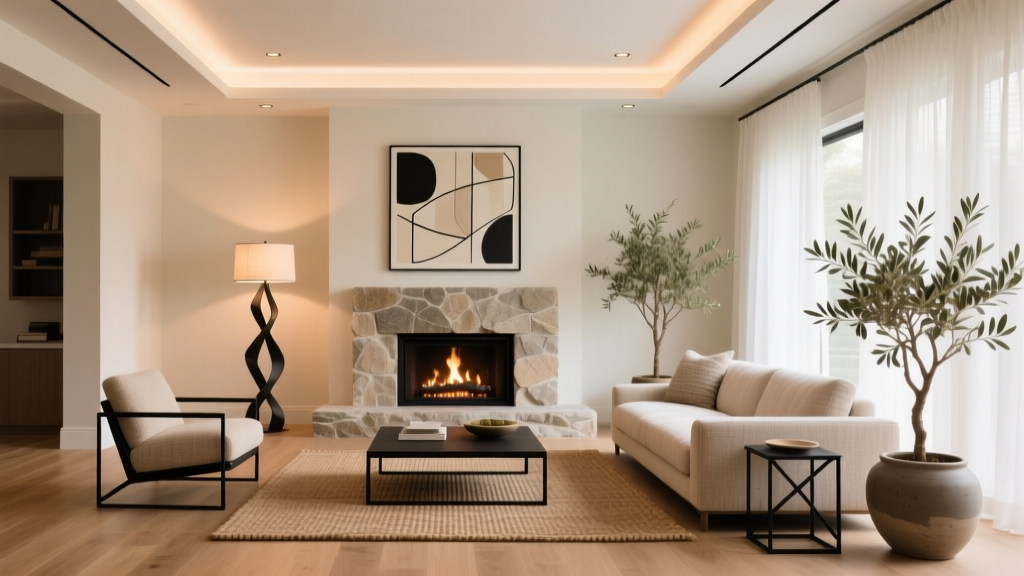 Living Room Fireplace Styling Ideas (2026)
 Best Square Living Room Layouts (2026)
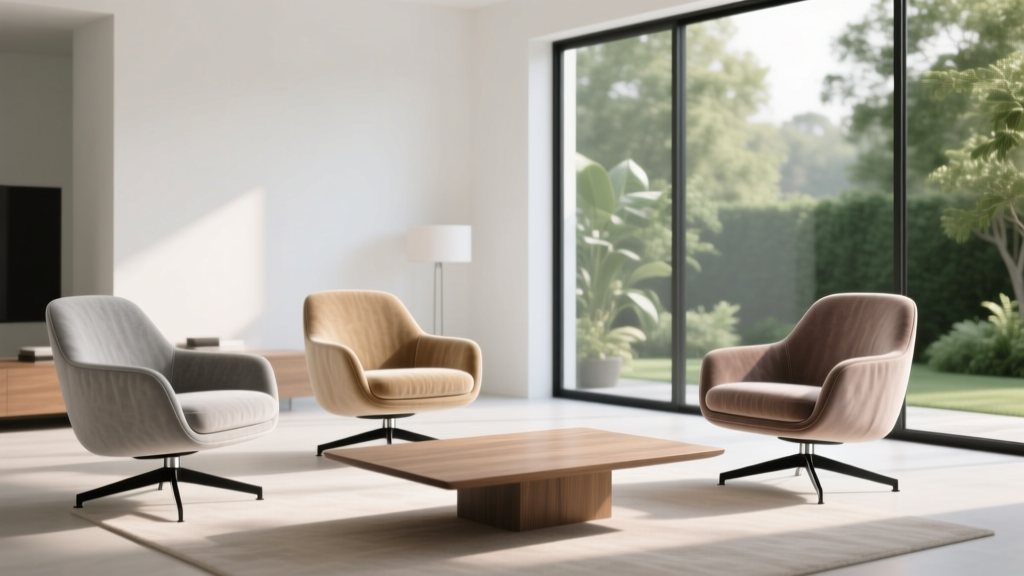 Best Swivel Chair Options for Living Rooms - The Decor Mag
 Create vs. Feels: Modular Living Systems Compared 2026
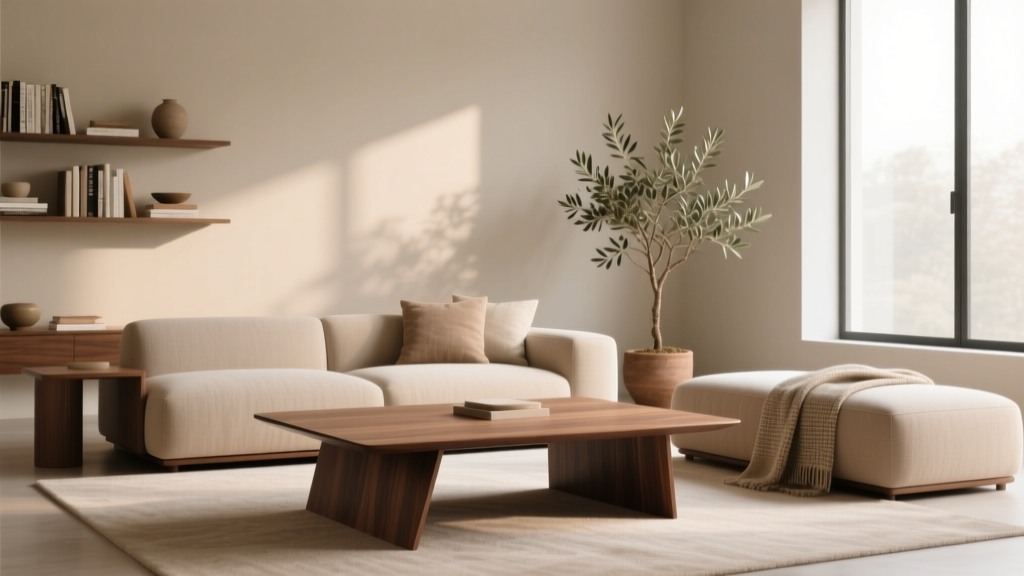 Best Ottoman Sizing for Coffee Table Replacement (2026)
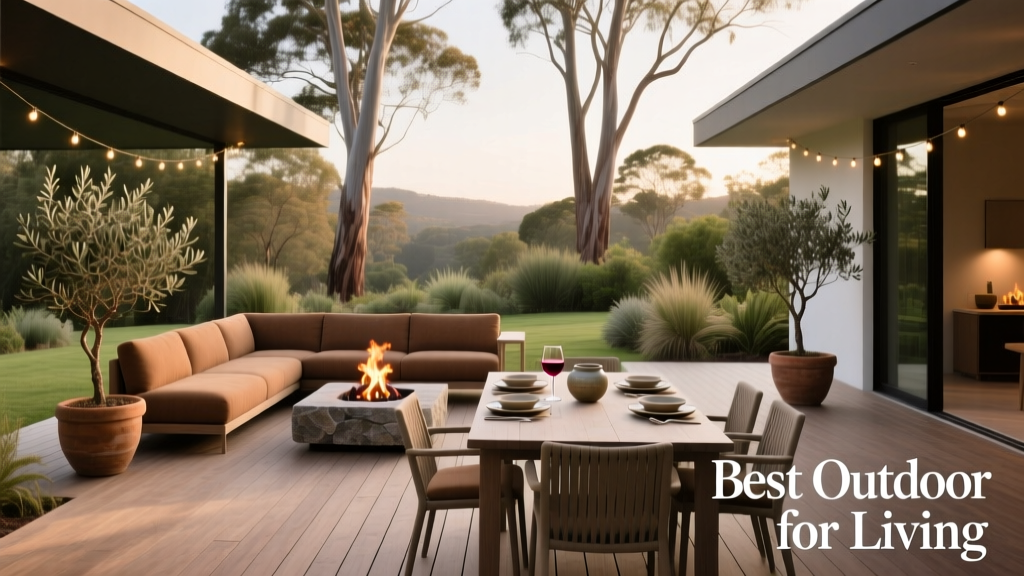 Outdoor Living Spaces: Design Principles That Work