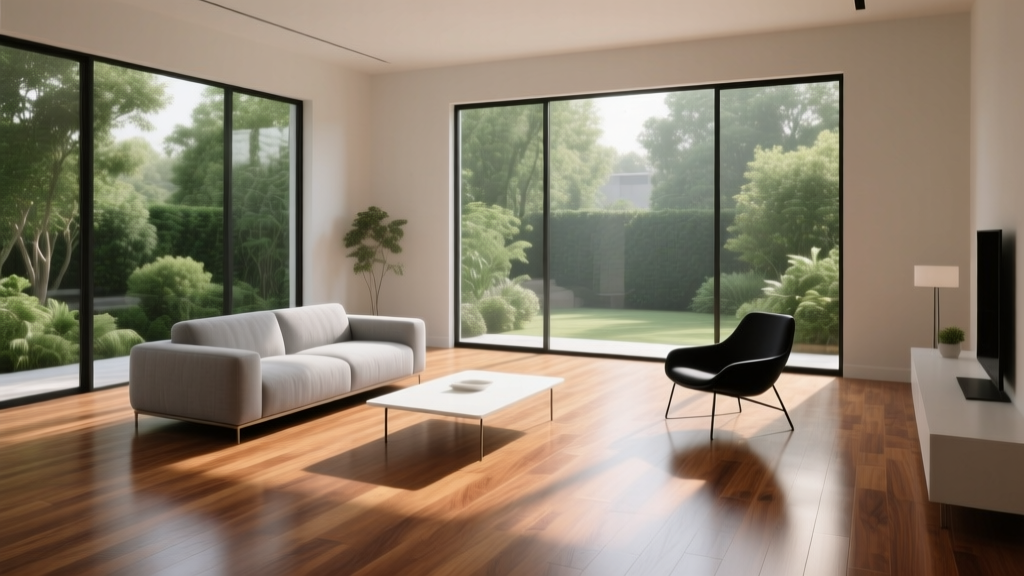
Living Room Decor with Hardwood Floors (2026)
Hardwood floors are one of those features that can make a living room feel instantly elevated—whether you’re in a historic home with original oak planks or a rental with newer engineered wood. They bring warmth, durability, and natural texture, but they also come with real design questions: What rug size won’t look awkward? Which sofa color complements red-toned floors? How do you keep the room from feeling echo-y or cold?
This guide walks you through decorating a living room with hardwood floors in a way that feels intentional and lived-in. You’ll learn how to choose rugs that fit (and protect) your floors, build a cohesive color palette, balance wood tones, pick furniture that won’t visually “fight” the grain, and layer lighting and textures for comfort. You’ll also see real-world scenarios for different floor colors and styles, plus common mistakes to avoid—so you can get a polished look without wasting money.
Start by Reading Your Hardwood: Color, Undertone, Finish, and Plank Size
The best living room design decisions come from understanding what your floor is already “saying.” Hardwood varies widely, and two medium-brown floors can behave totally differently depending on undertone and finish.
Identify the undertone (this changes everything)
- Warm/red undertones (cherry, some stained oak): Pair beautifully with creams, warm whites, olive, camel, terracotta, brass.
- Golden undertones (classic oak, honey): Looks great with warm neutrals, navy, sage, and soft black accents.
- Cool/gray undertones (some modern stains, ash): Works with crisp whites, charcoal, cool blues, and mixed metals (black + chrome).
- Very dark floors (espresso/walnut): Love contrast—light rugs, lighter upholstery, and strong lighting are your best friends.
- Very light floors (maple, bleached oak): Can skew airy or stark; add texture (wool, boucle, linen) and grounding accents (black, walnut, cognac leather).
Look at sheen and texture
Glossy finishes reflect more light and show dust; matte/satin feels more modern and forgiving. If your floor is glossy, consider more textured rugs and softer finishes (linen, boucle, brushed metals) to balance shine.
Choose the Right Area Rug: Size, Placement, and Material
If hardwood is the “foundation,” the area rug is the room’s comfort layer and visual anchor. It’s also your main tool for defining zones in open layouts and protecting high-traffic areas.
Rug sizing rules that work in real living rooms
These measurements fit most standard living room layouts and help you avoid the most common mistake: a rug that’s too small.
- 8' x 10': Ideal for many apartments and smaller living rooms. Aim for the front legs of the sofa and chairs to sit on the rug.
- 9' x 12': Best for average-to-large living rooms; allows more furniture to sit on the rug for a cohesive look.
- 10' x 14': Great for large living rooms or open-concept great rooms where you want a generous, grounded seating zone.
Placement guidelines (so it doesn’t float)
- Keep 12–18 inches of exposed hardwood between the rug edge and the wall (go closer to 12" in smaller rooms).
- If you can’t fit a larger rug, choose one that reaches at least 6–8 inches under the sofa’s front legs.
- In conversation areas, ensure all seating touches the rug—even if it’s just the front legs.
Best rug materials for hardwood floors
- Wool: Durable, naturally stain-resistant, comfortable underfoot. Great for cozy living room decor.
- Flatweave (cotton/wool blends): Low profile, easier for doors and low-clearance furniture; ideal in high traffic.
- Jute/sisal: Trend-forward texture that looks amazing on wood, but can be scratchy and less forgiving with spills.
- Performance rugs (polypropylene / PET): Budget-friendly and family-proof; choose softer weaves for comfort.
Don’t skip the rug pad—protect your floors
Use a rug pad designed for hardwood to prevent slipping and reduce wear. Look for felt + rubber or natural rubber options labeled “safe for hardwood.” Avoid pads that can discolor floors (some PVC/vinyl pads can react with finishes).
Budget ranges (typical):
- Rug pad: $25–$120 (size dependent)
- 8' x 10' rug: $150–$1,200 (material and brand dependent)
- 9' x 12' rug: $250–$2,000+
Build a Color Palette That Complements the Wood (Not Competes with It)
Hardwood floors already introduce a strong natural color and pattern. The goal is to let the wood shine while shaping the room’s mood.
A simple 60-30-10 approach that works
- 60%: Walls + large upholstery (sofa) in a neutral that flatters the floor
- 30%: Secondary colors (accent chairs, curtains, rug pattern)
- 10%: Bold accents (pillows, art, decor objects)
Color matches for common hardwood tones
- Red oak / cherry floors: Cream, warm white, taupe, olive, rust, muted teal, antique brass.
- Honey oak floors: Warm white, greige, navy, sage, charcoal, cognac leather.
- Walnut / dark espresso: Light beige, ivory, pale gray, soft black accents, jewel tones like emerald or sapphire.
- White oak / light natural: Soft white, sand, warm gray, black accents, brushed nickel, natural linen.
- Gray-stained floors: Crisp white, charcoal, denim blue, cooler greens, black metal frames.
Balance Wood Tones Like a Pro (Yes, You Can Mix Woods)
Matching every wood piece to the floor can make a living room feel flat. A more current design trend—seen in both modern organic and updated traditional spaces—is intentional mixing.
How to mix wood finishes without chaos
- Choose one dominant wood tone (your floor) and 1–2 supporting woods for furniture.
- Aim for visible contrast: light floor + medium/dark tables, or dark floor + lighter or medium woods.
- Repeat each wood tone at least twice (e.g., walnut coffee table + walnut picture frames) for cohesion.
- Use black (metal, frames, lighting) as a “bridge” when woods don’t naturally match.
Quick furniture pairing ideas
- On honey oak floors: try a walnut coffee table and black floor lamp.
- On dark espresso floors: try oak or travertine side tables for contrast.
- On light white oak floors: try smoked oak or matte black furniture for definition.
Pick Furniture That Works with Hardwood: Scale, Legs, and Layout
Hardwood floors make a room feel more open, which can tempt you into undersized furniture. Instead, think in terms of proportion and walkways.
Comfortable layout measurements
- Leave 30–36 inches for main walking paths.
- Keep 14–18 inches between the sofa and coffee table.
- Place the TV so the viewing distance is roughly 1.5–2.5x the screen size (e.g., a 55" TV is often best around 7–11.5 feet away).
Legs matter on hardwood floors
Furniture with visible legs can feel lighter and helps show off beautiful floors. If you love a low, chunky sofa, balance it with airier pieces (slim side tables, open shelving, leggy accent chairs).
Protect floors from scratches (without sacrificing style)
- Add felt pads to chair and table legs (replace every few months in high-traffic rooms).
- Use soft caster cups for heavier pieces.
- Avoid dragging furniture; lift or use sliders when rearranging.
Layer Texture to Warm Up Hardwood (Especially in Minimal Spaces)
Hard surfaces can feel echo-y. The fix is simple: layer soft materials at different heights.
Texture checklist for a cozy living room with hardwood floors
- Rug (wool or a plush low pile for comfort)
- Window treatments (linen, cotton, or velvet for softness and sound absorption)
- Throw pillows (mix sizes: 20" squares + a lumbar)
- Throw blanket (chunky knit, mohair, or cotton waffle)
- Upholstery (boucle and performance fabric are current trends; leather is timeless)
Lighting: The Fastest Way to Make Wood Look Richer
Lighting influences how hardwood reads—warm, cool, dull, or vibrant. A layered lighting plan makes the floor look intentional rather than “just there.”
A simple 3-layer lighting plan
- Ambient: ceiling fixture or recessed lights on a dimmer
- Task: reading lamp near the sofa or chair
- Accent: picture light, wall sconces, or a table lamp to create glow
Bulb temperature guidance
- 2700K: warm and cozy; ideal for most living rooms and warm-toned floors
- 3000K: slightly brighter/cleaner; works well with neutral floors and modern decor
- Avoid very cool bulbs (4000K+) unless your entire home is intentionally crisp and modern—cool light can make warm wood look muddy.
Real-World Decorating Scenarios
Scenario 1: Rental living room with honey oak floors and white walls
Goal: Make it look updated without permanent changes.
- Add a 9' x 12' rug in an ivory base with subtle pattern (vintage-inspired or geometric).
- Choose a neutral sofa (warm gray, oatmeal, or beige) and bring in navy via pillows or an accent chair.
- Use black accents (curtain rod, floor lamp, frames) to modernize the oak.
- Hang curtains high: mount the rod 4–6 inches above the window frame and extend it 6–10 inches past each side to make windows feel larger.
Budget-minded plan: $700–$2,500 depending on rug size/material and whether you replace seating.
Scenario 2: Small living room with dark walnut floors
Goal: Keep it bright and open.
- Pick a light rug (cream, sand, or light gray) to create contrast with the floor.
- Choose a sofa with legs and lighter upholstery to avoid a heavy look.
- Add a glass or light wood coffee table to reduce visual weight.
- Use mirrors or art with bright mats to bounce light.
Scenario 3: Modern organic living room with light oak floors
Goal: Achieve that warm, calming, trend-forward look that still feels timeless.
- Layer a textured wool or jute-blend rug in an oatmeal tone.
- Choose furniture in soft whites, warm taupes, and natural linen.
- Add contrast with black or oil-rubbed bronze lighting.
- Bring in one richer wood (walnut) through a coffee table or frames for depth.
Product and Material Recommendations (That Pair Well with Hardwood)
- Rugs: wool pile for comfort; washable performance rugs for kids/pets; flatweaves for door clearance.
- Coffee tables: wood + metal for contrast; travertine or stone tops for a high-end look.
- Upholstery: performance fabric in oatmeal/greige; top-grain leather in cognac for timeless warmth.
- Window treatments: linen panels for softness; woven shades for texture; add blackout lining if the room gets harsh afternoon sun.
- Floor protection: felt pads, gripper rug pads for hardwood, and entry mats to reduce grit.
Common Mistakes to Avoid
- Buying a rug that’s too small: A “floating” rug makes the entire living room look unfinished. Size up whenever possible.
- Matching every wood tone: Overly matched furniture can feel dated. Aim for contrast and repetition instead.
- Ignoring undertones: Cool gray paint with warm red oak floors often clashes. Choose wall colors that harmonize.
- Skipping floor protection: Unpadded rugs and unprotected chair legs can quickly dull hardwood finishes.
- Harsh lighting: Cool bulbs can flatten wood tones. Use warm bulbs and dimmers for the most flattering look.
- Too many tiny decor items: Hardwood floors already add visual detail. Keep styling intentional: fewer, larger pieces.
FAQ: Decorating a Living Room with Hardwood Floors
What color rug looks best on hardwood floors?
It depends on contrast. Light rugs (ivory, sand) brighten dark floors, while medium-to-deep rugs (charcoal, navy) ground light floors. For busy wood grain, choose simpler rug patterns; for calm floors, a patterned rug adds interest.
Should the rug match the hardwood floor?
No—matching usually looks flat. A better approach is coordinated contrast: choose a rug that complements the floor’s undertone (warm with warm, cool with cool) while being noticeably lighter or darker than the wood.
How do I protect hardwood floors under furniture?
Use felt pads under all legs, add caster cups under heavy items, and place a quality rug pad beneath area rugs. If you rearrange often, keep furniture sliders on hand to avoid dragging.
Can I mix different wood furniture with hardwood floors?
Yes, and it often looks more designer. Stick to 1–2 additional wood tones beyond the floor and repeat each tone at least twice in the room to keep it cohesive.
What’s the best living room paint color with oak floors?
For honey oak, warm whites and soft greiges are reliable, and muted greens or navy work beautifully as accents. For red oak, avoid icy grays and lean into creamy neutrals, taupes, and earthy colors.
What rug pad is safe for hardwood floors?
Look for natural rubber or felt-and-rubber pads labeled safe for hardwood. Avoid vinyl/PVC pads that can discolor or react with certain finishes over time.
Your Next Steps: A Simple Decorating Plan
- Identify your floor undertone (warm, golden, cool, dark, light) and choose a palette that harmonizes.
- Measure and commit to the right rug size (8' x 10' minimum for many living rooms; 9' x 12' if space allows).
- Build your layout using comfortable clearances: 30–36" walkways and 14–18" sofa-to-coffee-table spacing.
- Layer texture and lighting (curtains, pillows, throws, and warm bulbs on dimmers).
- Protect the floors with a proper rug pad and felt furniture pads so your living room stays beautiful long-term.
If you’re ready to keep refining your space, explore more living room design ideas, rug guides, and decor trends on thedecormag.com.
More Articles
 Living Room Ottoman and Pouf Styling Ideas - The Decor Mag
 How to Style a Living Room with a Large Rug - The Decor Mag
 Living Room Elevated Casual Design - The Decor Mag
 Best Conversation Pit Ideas - The Decor Mag
 Best Side Chair Styles to Complement a Sofa - The Decor Mag
 Kid-Proof Living Room Ideas That Still Look Stylish
 Best Paint Colors for North-Facing Living Rooms (2026)
 Living Room for All Ages: Design Tips (2026)
 Best Hidden Storage for Living Rooms (2026)
 Industrial Chic Living Room Inspiration - The Decor Mag