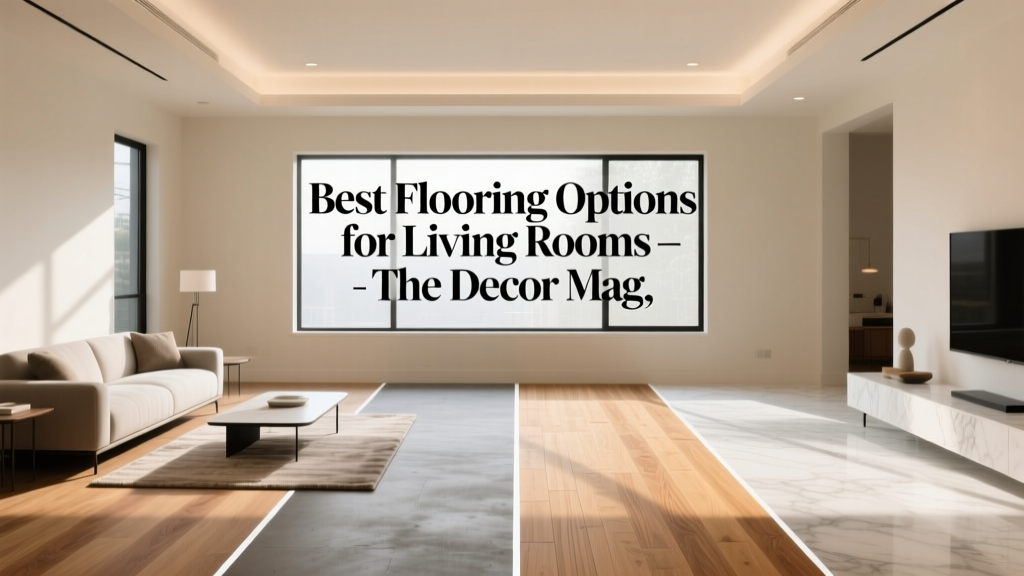
Best Flooring Options for Living Rooms - The Decor Mag
Your living room floor does more than fill square footage—it sets the mood for the entire home. It’s the surface you see in every photo, the layer that absorbs footsteps, and the foundation that ties together your sofa, rugs, coffee table, and wall color. Get the flooring right, and the room instantly feels more polished, comfortable, and intentional.
Whether you’re a homeowner planning a renovation or a renter looking for a smart upgrade, choosing the best living room flooring comes down to a few practical questions: How do you live (kids, pets, entertaining)? What’s your budget? How much maintenance are you willing to do? And what style do you want—warm and classic, sleek and modern, or cozy and layered?
This guide breaks down today’s best flooring options for living rooms—hardwood, engineered wood, luxury vinyl, laminate, tile, carpet, and more—plus design tips, common mistakes to avoid, real-world scenarios, and a quick FAQ to help you choose with confidence.
How to Choose the Right Living Room Flooring
Before falling in love with a look, match it to your lifestyle and your space. Here are the decision points that matter most:
- Durability: Foot traffic, pets, kids, moving furniture, and daily wear.
- Comfort & warmth: Especially if you lounge on the floor, play with kids, or live in a cold climate.
- Maintenance: How often you’ll sweep, vacuum, mop, and spot-clean.
- Moisture resistance: Open-concept homes where the living room blends into kitchen/dining.
- Sound control: Apartments and multi-story homes benefit from quieter surfaces and underlayment.
- Budget: Material + underlayment + installation + trim + furniture moving costs.
- Visual impact: Color, plank size, sheen, pattern, and how it pairs with rugs and paint.
Quick measuring tip (so you budget accurately)
Measure length × width of the living room to get square footage, then add 7–10% extra for waste (closets, angles, cutting). For diagonal patterns or herringbone, add 12–15%.
Hardwood Flooring: The Timeless Gold Standard
Real hardwood remains a top choice for living room design because it looks elevated, feels warm underfoot, and can last for decades. It’s also a strong selling point if you own your home.
Best for
- Classic, transitional, Scandinavian, and modern organic interiors
- Homeowners planning to stay long-term
- Spaces where you want natural warmth and character
Popular species and looks
- White oak: A current design favorite—subtle grain, takes stain beautifully, suits light and mid-tone palettes.
- Red oak: Traditional, slightly more prominent grain and warmer undertones.
- Maple: Smooth, contemporary look; can show dents a bit more.
- Walnut: Rich and dramatic; often higher cost.
Design tip: plank width and finish
- Plank width: 5–7 inches reads current and spacious; 2¼ inches feels more traditional.
- Sheen: Matte or satin hides scratches and dust better than glossy finishes.
Budget range
- Material: $6–$15+ per sq. ft.
- Installed: $10–$25+ per sq. ft. (varies by region and subfloor condition)
Real-world scenario
A family with a medium-sized living room (250 sq. ft.) chooses 5” white oak in a matte finish. They pair it with a large wool rug (9'×12') to soften play areas and reduce noise. The room feels brighter, more open, and still practical for everyday life.
Engineered Wood: Hardwood’s Practical, Stable Cousin
Engineered wood offers a real wood top layer (veneer) over a stable plywood core. It’s a smart living room flooring option if your home experiences humidity swings or you’re installing over concrete.
Why people love it
- More dimensionally stable than solid hardwood
- Often wider plank options at a more approachable price
- Works well in condos and slab-on-grade homes
What to look for
- Wear layer thickness: Aim for 3mm+ if you want the option to refinish (some products are “screen and recoat” only).
- Core quality: Multi-ply tends to be more stable than fiberboard cores.
- Installation method: Floating click-lock is DIY-friendly; glue-down can feel more solid.
Budget range
- Material: $4–$12 per sq. ft.
- Installed: $8–$18 per sq. ft.
Product-style recommendation
For a trend-forward but timeless look, choose light oak or natural oak with subtle grain and a matte finish. This pairs beautifully with warm whites, clay tones, and soft black accents that are popular in current living room decor.
Luxury Vinyl Plank (LVP): The Best “Busy Household” Flooring
Luxury vinyl plank has earned its place in modern living room design. It’s durable, water-resistant, and often indistinguishable from wood at a glance—especially in mid- to higher-end lines.
Best for
- Pets, kids, and frequent entertaining
- Open-concept layouts where spills happen
- Rentals or budget-conscious renovations (where allowed)
Specs that matter (don’t skip these)
- Wear layer: Look for 12–20 mil for living rooms; 20 mil is great for heavy traffic.
- Total thickness: 5–8mm+ feels more substantial and helps with sound.
- Underlayment: Many LVPs have an attached pad, but upstairs apartments often benefit from a dedicated acoustic underlayment (check building rules).
- Edge detail: Micro-bevel edges add realism.
Budget range
- Material: $2–$7 per sq. ft.
- Installed: $5–$12 per sq. ft.
Real-world scenario
A renter-friendly refresh: A couple in a ground-floor apartment chooses click-lock LVP in a warm greige oak tone. They use a large area rug and felt pads under furniture. The space looks cohesive, hides pet hair, and handles rainy-day paw prints without panic.
Laminate: Budget-Friendly with Great Style (When You Choose Wisely)
Modern laminate flooring has improved dramatically. It can mimic wood textures and wide planks at a lower cost than hardwood. It’s a strong contender for living rooms—especially for renters or first-time homeowners.
Pros
- Affordable and widely available
- Scratch-resistant top layer (helpful with active households)
- Easy click-lock installation
Watch-outs
- Not all laminate is moisture-friendly—look for water-resistant or waterproof-rated products if your living room connects to a kitchen.
- Can sound “hollow” without the right underlayment.
Budget range
- Material: $1.50–$5 per sq. ft.
- Installed: $4–$10 per sq. ft.
Carpet: Cozy Comfort and Sound Control
Carpet isn’t out—it’s just more intentional now. In living rooms, it delivers softness, warmth, and excellent noise reduction. It’s especially appealing for upstairs spaces, movie nights, and homes where the living room is the “barefoot zone.”
Best for
- Apartments and multi-story homes (sound absorption)
- Chilly climates
- Families who want a soft play surface
Material recommendation
- Nylon: Durable, resilient, great for high traffic.
- Wool: Luxurious, naturally stain-resistant, excellent longevity (higher cost).
- Solution-dyed fibers: Helpful for stain resistance and fading.
Pro tip: choose the right pad
A quality carpet pad makes a noticeable difference. For living rooms, a common sweet spot is 7/16" thickness and 6–8 lb density (check carpet manufacturer requirements). Too thick can make carpet wear faster.
Budget range
- Material: $2–$12+ per sq. ft.
- Installed with pad: $4–$15+ per sq. ft.
Tile and Stone: Sleek, Durable, and Great for Warm Climates
Porcelain tile, ceramic, and natural stone can look stunning in living rooms—especially in warm regions or contemporary homes. The key is balancing the cool surface with soft textures (rugs, curtains, upholstered seating).
Best for
- Hot climates where cool floors feel good
- Indoor-outdoor living rooms and patio-adjacent spaces
- Modern, Mediterranean, and minimalist aesthetics
Design and comfort tips
- Choose large-format tile (e.g., 24"×24" or 12"×24") for fewer grout lines and a more seamless look.
- Use a low-contrast grout to keep the floor from looking busy.
- Layer with a rug sized to your seating area—often 8'×10' or 9'×12' for standard living rooms.
- If your budget allows, consider radiant floor heating for unbeatable comfort.
Budget range
- Material: $2–$20+ per sq. ft. (porcelain vs. natural stone)
- Installed: $8–$30+ per sq. ft. (labor and subfloor prep can be significant)
Cork and Bamboo: Eco-Minded Options with Style
Cork flooring
Cork is warm, cushioned, and naturally sound-absorbing—great qualities for living rooms and apartments.
- Best for: Quiet comfort, eco-minded homes
- Watch-out: Can dent under heavy furniture; use wide furniture pads
- Budget: $4–$10 per sq. ft. material; $8–$15 installed
Bamboo flooring
Bamboo has a clean, modern look and can be very durable when you choose quality products.
- Best for: Contemporary living rooms, sustainability-focused projects
- What to buy: Look for strand-woven bamboo for improved hardness
- Budget: $3–$9 per sq. ft. material; $7–$15 installed
Design Tips to Make Any Living Room Floor Look Better
1) Choose a floor color that flatters your light
- North-facing rooms: Warmer tones (honey oak, warm greige) prevent the space from feeling chilly.
- South-facing rooms: You can go cooler (light natural oak, soft taupe) without the room feeling cold.
2) Use plank direction to “shape” the room
- Running planks lengthwise typically makes a room feel longer.
- In narrow spaces, consider running planks across the width to visually widen the room.
3) Get rug sizing right (this is where rooms level up)
- For most layouts, your rug should be large enough that at least the front legs of the sofa and chairs sit on it.
- Common living room rug sizes: 8'×10' for compact seating, 9'×12' for standard rooms, 10'×14' for large spaces.
4) Match trim and transitions to your style
- Modern: Minimal transitions, clean thresholds, simple baseboards.
- Traditional: Slightly taller baseboards and richer wood tones.
- Open concept: Try to keep flooring consistent across connected spaces for a calmer flow.
Common Mistakes to Avoid
- Choosing glossy finishes for high-traffic homes: They show scratches, dust, and footprints more easily than matte or satin.
- Ignoring underlayment: The right pad/underlayment improves comfort, sound control, and longevity—especially with laminate and LVP.
- Buying the thinnest option to save money: Very thin planks can feel cheap underfoot and may telegraph subfloor imperfections.
- Forgetting long-term maintenance: Hardwood may need refinishing; light carpets show stains; tile grout needs periodic cleaning.
- Going too trendy with color: Extreme gray or very distressed looks can date quickly. If you love trends, bring them in with rugs and decor.
- Skipping samples: Always view at least 2–3 large samples in your room morning, afternoon, and evening.
FAQ: Living Room Flooring Questions Homeowners and Renters Ask
What is the most durable flooring for a living room with pets?
LVP is a top pick for pet-friendly living rooms because it’s scratch-resistant and handles accidents and water better than most wood floors. If you prefer wood, consider engineered hardwood with a matte finish and keep nails trimmed.
Is hardwood or engineered wood better for a living room?
If you want the longest lifespan and refinish potential, solid hardwood is hard to beat. If your home has humidity swings, concrete subfloors, or you want a wider plank look for less, engineered wood often performs better day-to-day.
What flooring makes a small living room look bigger?
Lighter tones (natural oak, warm blondes) and wider planks (around 5–7 inches) can visually open up a space. Also consider a low-sheen finish and fewer visual breaks—consistent flooring helps a room feel larger.
Can I put vinyl plank in a living room and still make it look high-end?
Yes. Choose LVP with a thicker core (5–8mm+), a 12–20 mil wear layer, realistic grain, and a matte finish. Pair it with upgraded details—full-size rugs, layered lighting, and substantial furniture—to elevate the overall living room decor.
What’s the best living room flooring for apartments?
If your building allows changes, laminate or LVP with a sound-rated underlayment can be budget-friendly and quieter than you’d expect. If flooring changes aren’t allowed, focus on a large area rug with a quality rug pad to improve comfort and acoustics.
How do I match living room flooring to the rest of the house?
Aim for undertone harmony rather than identical color. If adjacent spaces are warm (creams, beiges), choose warm woods. If your home leans cool (crisp whites, blue-grays), choose neutral or slightly cool-toned finishes. When in doubt, natural oak tones are versatile and trend-resilient.
Next Steps: Pick Your Top Two and Order Samples
If you’re deciding between a few living room flooring options, narrow it down using a simple plan:
- Define your non-negotiables: waterproof, pet-friendly, refinishable, budget cap, sound control.
- Choose two finalists: For example, engineered wood vs. LVP, or hardwood vs. wool carpet.
- Order large samples: View them next to your sofa fabric, wall color, and in your room’s natural light.
- Confirm specs: wear layer (for LVP), wear layer thickness (engineered), pad density (carpet), slip rating/maintenance (tile).
- Plan the finishing details: baseboards, transitions, rug size, and felt pads—these are what make the floor feel “designer.”
When you’re ready for more living room design and decor inspiration—rug guides, layout ideas, color palettes, and styling tricks—explore the latest at thedecormag.com.
More Articles
 Bedroom FAQ: Science-Backed Design Advice
 Best Ottoman Sizing for Coffee Table Replacement (2026)
 Best Wall Art Sizes for Over the Sofa - The Decor Mag
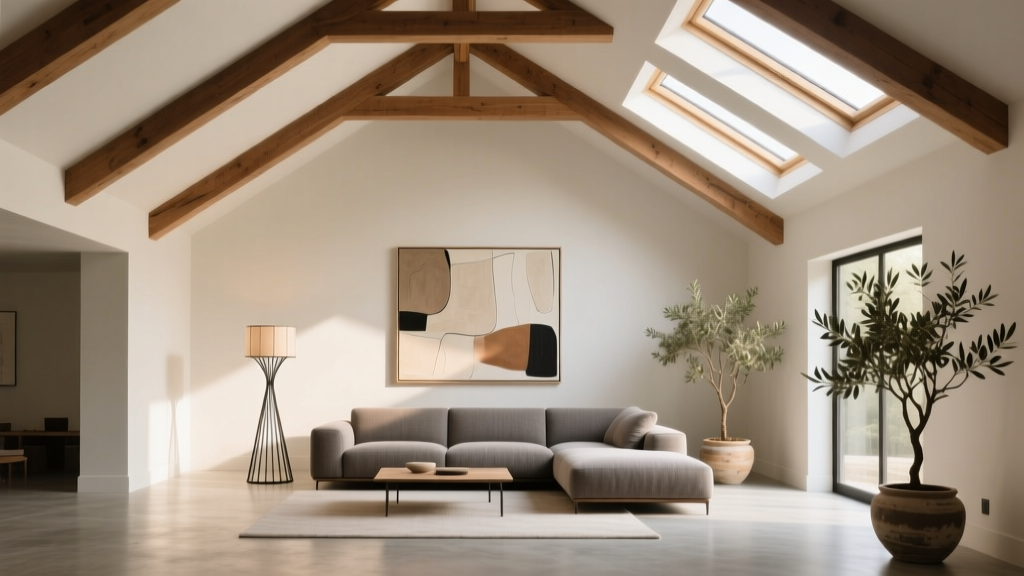 Living Room Vaulted Ceilings: Styling Tips (2026)
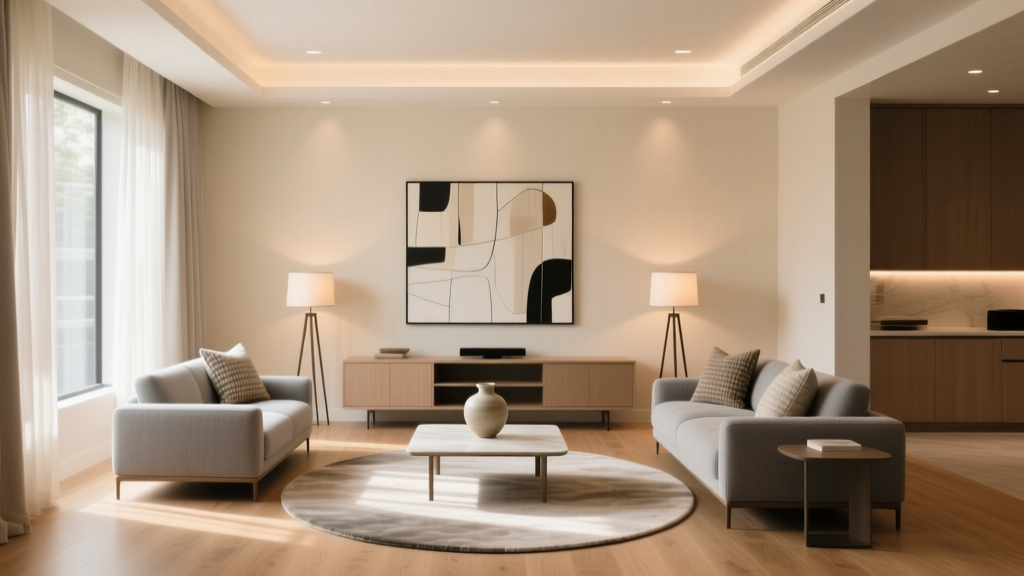 How to Create a Balanced Living Room Layout - The Decor Mag
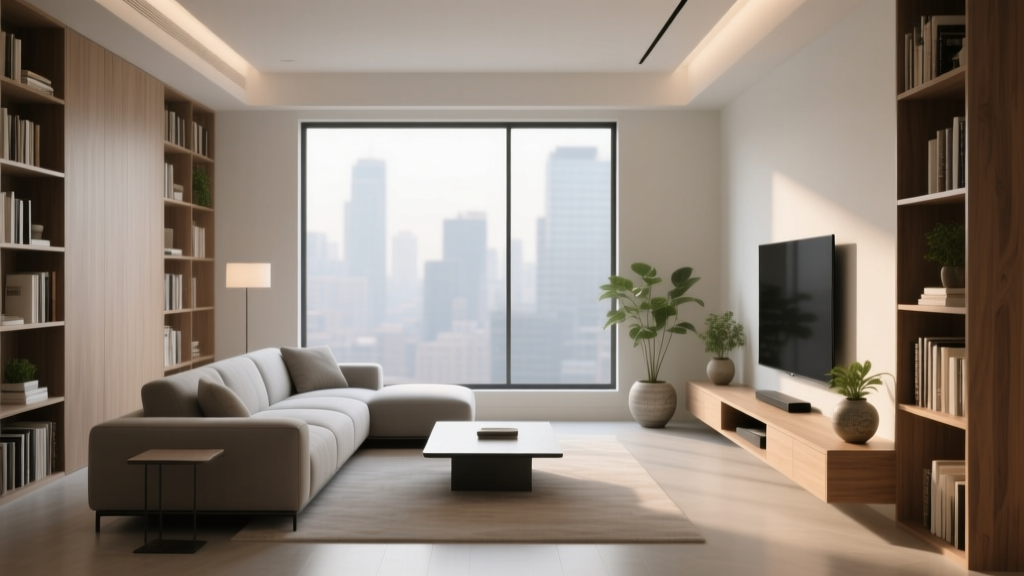 Best Square Living Room Layouts (2026)
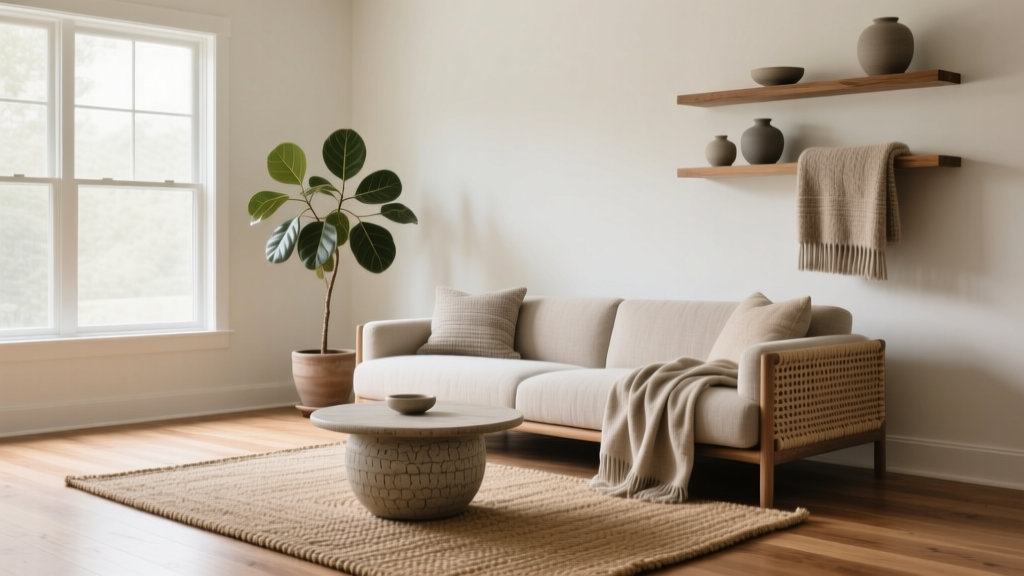 Texture in Minimalist Living Rooms (2026)
 Art in Living Room Design: Ideas & Tips (2026)
 Best Wall Treatments for Living Rooms - The Decor Mag
 Bay Window Living Room Decor Ideas (2026)