Living Room Desert Southwest Aesthetic - The Decor Mag
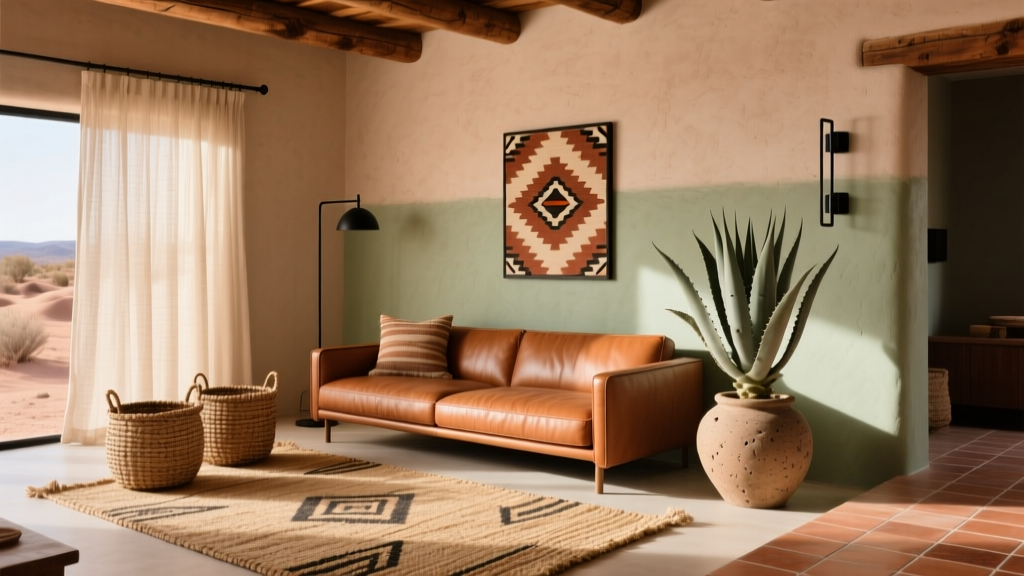
The Desert Southwest aesthetic has a way of making a living room feel grounded, sun-warmed, and effortlessly welcoming. It draws from the landscapes of Arizona, New Mexico, West Texas, and Northern Mexico—think terracotta cliffs, pale sand, weathered wood, woven textiles, and the kind of light that makes everything look softer and more serene.
What makes this style especially appealing right now is how well it fits modern life. It’s cozy without being cluttered, design-forward without feeling fussy, and it blends beautifully with popular trends like warm minimalism, biophilic design, and “organic modern” interiors. Ahead, you’ll learn how to build a Desert Southwest living room from the ground up—colors, materials, furniture layouts, lighting, textiles, wall decor, and the finishing touches—plus what to avoid so the look feels authentic rather than themed.
What Defines a Desert Southwest Living Room?
A Desert Southwest living room is less about literal desert décor and more about capturing the mood: warm earth tones, tactile natural materials, handcrafted accents, and a balance of rugged and refined. It can lean rustic, contemporary, or bohemian—what matters is the cohesion of color, texture, and silhouette.
Core elements to include
- Earthy color palette: terracotta, clay, sand, taupe, camel, warm white, rust, and sun-faded greens
- Natural materials: leather, wool, linen, cotton, wood, rattan, clay/ceramic, stone
- Southwestern patterns (used selectively): Navajo-inspired geometrics, stripes, stepped motifs, diamonds
- Organic shapes: rounded coffee tables, arched mirrors, curved sofas, soft-edged pottery
- Textural layering: chunky knits, woven baskets, nubby upholstery, plaster-like walls
Start With the Palette: Desert Tones That Always Work
If you want the room to feel “desert” at a glance, start with the color story. The most successful Desert Southwest living rooms keep the base quiet and warm, then add richer tones in textiles and art.
A reliable 60-30-10 formula (easy for renters, too)
- 60% Base: warm white, creamy beige, pale sand, light greige (walls, large rug, main upholstery)
- 30% Mid-tones: camel leather, medium oak, warm terracotta, taupe (sofas, chairs, curtains)
- 10% Accents: rust, adobe red, muted turquoise, sage, charcoal (pillows, art, ceramics)
Paint and wall color tips
- Choose warm undertones: Avoid icy grays; aim for a creamy or sandy base so the space feels sunlit.
- Test in changing light: Desert palettes shift dramatically from morning to evening. Paint a 2 ft x 2 ft sample board and move it around.
- Rental option: If you can’t paint, use large-scale textiles (curtains, rug) to establish the warmth.
Furniture: Comfortable Shapes With Grounded Materials
In Desert Southwest interior design, furniture should look relaxed, a bit substantial, and never too delicate. Clean lines work, but the look shines when softened with rounded silhouettes and tactile finishes.
The anchor: sofa selection
Pick one of these sofa directions to set the tone:
- Warm neutral sofa in linen-like fabric: Great for an organic modern Desert Southwest look.
- Camel or saddle leather sofa: Timeless, rugged, and ideal if you want a hint of Western influence.
- Low-profile modular in oatmeal or sand: Perfect for renters and modern homes; easy to style with textiles.
Practical sizing guidelines
- Leave 14–18 inches between sofa and coffee table for comfortable legroom.
- Rug sizing: For most living rooms, use an 8’x10’ (or larger) so at least the front legs of the sofa and chairs sit on it. In open-concept spaces, 9’x12’ often looks best.
- Traffic flow: Maintain 30–36 inches for main walkways around seating zones.
Desert-friendly coffee table choices
- Light or medium wood with visible grain (oak, ash, pecan)
- Stone or concrete-look tops (travertine-style is trending and fits the desert mood)
- Round or oval tables to soften angular rooms and make tight layouts easier
Product-style recommendations (by budget)
- Under $300: round mango-wood table, woven rattan side tables, vintage-style ceramic lamps
- $300–$1,000: solid-wood coffee table, wool-blend area rug, leather ottoman (great as a flexible extra seat)
- $1,000–$3,500+: linen sectional, high-quality leather sofa, hand-knotted wool rug, travertine-top table
Textiles: The Fastest Way to Add Southwestern Warmth
Textiles do the heavy lifting in a Desert Southwest living room. They bring pattern, heritage, and comfort—without requiring renovations.
Layering plan (simple and effective)
- Start with a large neutral rug (wool, wool-jute blend, or a high-quality washable rug for pets/kids).
- Add one statement textile with Southwestern pattern: a throw blanket, lumbar pillow, or small wall tapestry.
- Mix in solids in rust, clay, sand, and camel to keep the room from feeling busy.
Materials that look and feel right
- Wool: best for durability and warmth; look for flatweaves or low piles for a more modern take.
- Linen and cotton: breathable and relaxed; ideal for curtains and pillow covers.
- Leather and suede: perfect in small doses (ottoman, accent chair, pillows).
- Handwoven textiles: add authenticity—just use them as accents, not everywhere.
Pattern mixing rule that prevents “theme room” vibes
Use one bold Southwestern pattern and keep the rest to subtle textures or simple stripes. If you want a second pattern, make it smaller in scale and in the same color family.
Walls, Art, and Texture: From Adobe-Inspired to Gallery-Ready
Walls are where the Desert Southwest aesthetic can become unforgettable. You don’t need to install actual plaster to get the look—there are renter-friendly and budget-friendly ways to add depth.
Wall finish options (from easiest to most involved)
- Paint + texture through décor: Use woven wall baskets, textiles, and layered frames.
- Limewash or mineral paint: Creates a soft, cloud-like variation reminiscent of adobe walls (best for homeowners).
- Plaster-inspired accent wall: A single feature wall behind the sofa can deliver a high-end desert feel.
Art ideas that feel current (and timeless)
- Landscape photography of desert scenes in muted tones (matte finish looks more elevated than glossy).
- Abstract art that echoes canyon lines and sunbaked colors (terracotta, ochre, sand, charcoal).
- Handmade ceramics mounted on a wall ledge for sculptural impact.
Real-world example: renter-friendly gallery wall
Imagine a renter in a neutral apartment with white walls and gray carpet. Instead of fighting the existing finishes, they:
- Hang a set of 6–9 frames (11”x14” and 16”x20” mix) in warm wood tones
- Choose prints in clay, sand, and sepia
- Add one woven wall hanging to break up the rectangles
- Use removable hanging strips to avoid wall damage
The result reads “Desert Southwest living room” even without changing the paint or flooring.
Lighting: Warm Glow, Soft Shadows, and Natural Materials
Desert light is gentle and golden—your lighting should be, too. The quickest fix for a room that feels cold or flat is switching bulbs and layering fixtures.
Bulb temperature and placement
- 2700K–3000K for a warm, inviting glow (avoid 4000K+ in living rooms).
- Use at least three light sources: overhead, table lamp, and floor lamp or sconce.
- Put lamps at different heights to create a relaxed, ambient look.
Fixture styles that complement the Southwest aesthetic
- Terracotta or ceramic lamps with linen shades
- Woven pendant lights (rattan, seagrass) for texture
- Antique brass or matte black accents for a modern desert edge
Decor and Styling: Curated, Handcrafted, and Not Overdone
The Desert Southwest aesthetic feels best when it’s curated—objects with texture and story, balanced with breathing room. Aim for a “collected over time” look, even if you’re shopping in one weekend.
Styling checklist (quick wins)
- Ceramics: 2–3 pieces in varying heights (matte clay, speckled glaze, sand tones)
- Greenery: olive tree, snake plant, or pothos for the desert-meets-biophilic trend
- Wood accents: bowls, frames, small stools
- Woven storage: baskets for throws and magazines
- One standout piece: a sculptural vase, a vintage textile pillow, or a bold art print
Plants: what works for the look (and real life)
If your living room gets bright indirect light, try:
- Snake plant (tolerates low light, clean lines)
- Pothos (easy trailing texture)
- Olive tree (faux or real) (very on-trend; real trees need strong light)
Want the cactus look? Use it sparingly indoors unless you have a very sunny window; many cacti struggle in typical indoor light.
Step-by-Step: Build the Desert Southwest Look in 7 Moves
- Choose your base neutral (warm white or sand) for walls and/or a large rug.
- Anchor the room with one main material (camel leather, medium wood, or nubby oatmeal upholstery).
- Add a large rug (8’x10’ minimum for most seating areas).
- Layer in two textures (woven + soft: rattan basket + wool throw, for example).
- Add one Southwestern pattern (pillow or throw, not the whole room).
- Warm up lighting (2700K–3000K bulbs and at least 3 light sources).
- Finish with curated decor (ceramics, art, and one plant).
Common Mistakes to Avoid
- Over-theming with clichés: Too many cacti prints, cowboy motifs, or “southwest” signage can feel kitschy. Keep references subtle.
- Ignoring undertones: Mixing cool gray with warm terracotta often looks accidental. Stick to warm neutrals and sunbaked hues.
- Too many competing patterns: One bold textile is enough; balance with solids and texture.
- Rug too small: A tiny rug shrinks the room and breaks the cozy desert vibe. Size up whenever possible.
- Harsh lighting: Bright white bulbs or a single overhead fixture flatten the room. Layer light for depth.
- Cluttered surfaces: The Southwest look thrives on negative space—let a few beautiful pieces stand out.
FAQ: Desert Southwest Living Room Design
How do I get a Desert Southwest aesthetic without painting?
Use a warm-toned rug, camel or terracotta textiles, and natural materials (wood, ceramic, woven baskets). Swapping bulbs to 2700K–3000K and adding linen curtains can also shift the entire mood without touching the walls.
What colors are best for a Southwest living room?
Warm white, sand, beige, taupe, terracotta, rust, camel, and muted greens are reliable. For accents, try dusty turquoise or charcoal in small doses (pillows, art, pottery).
Can I mix Desert Southwest with modern decor?
Yes—this is one of the most popular approaches right now. Pair clean-lined furniture with textured textiles, a warm neutral palette, and handcrafted ceramics. Keep patterns limited and let natural materials do the talking.
What type of rug works best for this style?
Wool flatweaves, low-pile wool rugs, and wool-jute blends look authentic and wear well. For busy households, a washable rug in a warm neutral with a subtle geometric pattern is a practical option.
How do I decorate a small living room in Southwest style?
Prioritize scale: a correctly sized rug (often 5’x8’ or 6’x9’ for smaller rooms), a round coffee table to improve flow, and wall-mounted lighting or slim lamps to save floor space. Use a light base palette and add terracotta accents to keep it airy.
What’s the difference between Southwest and boho decor?
They overlap in texture and global influences, but Southwest decor is typically more grounded in desert tones and regional patterns, with a slightly more rugged, earthy feel. Boho often introduces more color variety and eclectic layering.
Your Next Steps: Bring the Desert Home
If you want the biggest impact with the least effort, start with these three updates: choose a warm neutral foundation (rug or curtains), add one Southwestern-pattern textile, and swap to warm lighting with layered lamps. From there, build slowly—one great ceramic piece, one piece of art you truly love, and one natural-material accent at a time. That’s how a Desert Southwest living room ends up feeling authentic, calm, and personal.
For more warm, livable living room decor ideas—plus layout tips, color guides, and shopping inspiration—explore the latest on thedecormag.com.
More Articles
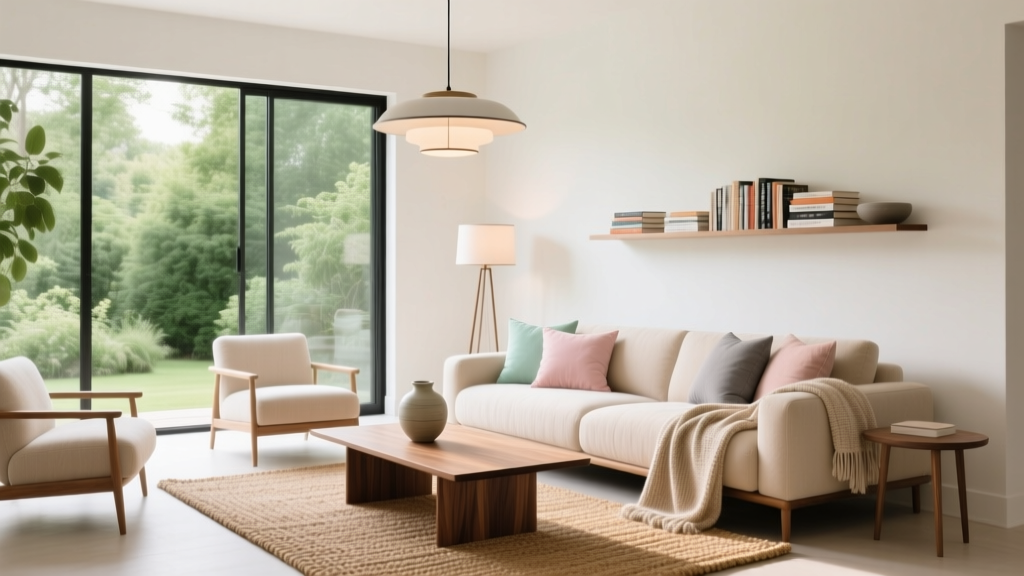 Living Room Styling for Everyday Comfort (2026)
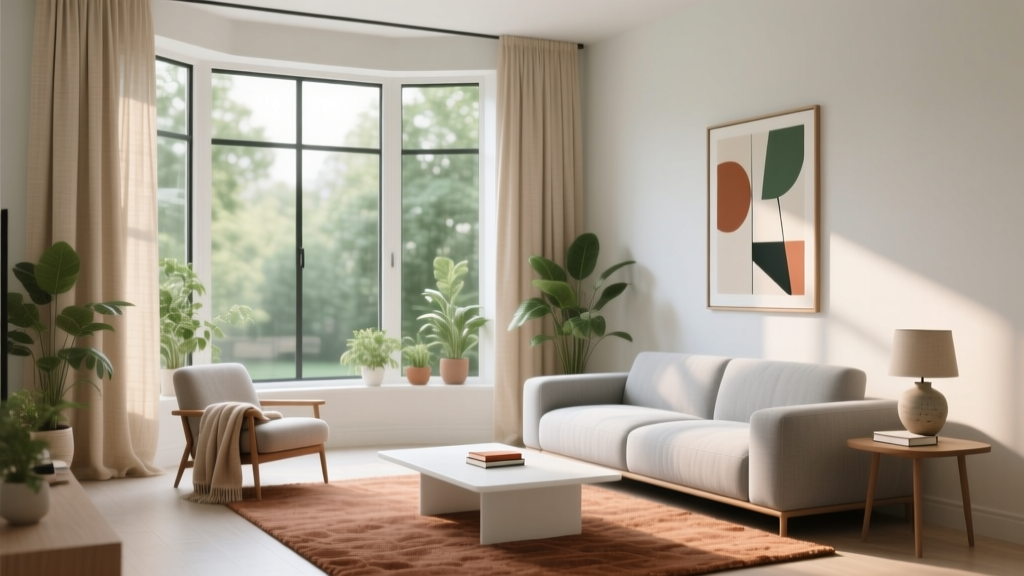 Bay Window Living Room Decor Ideas (2026)
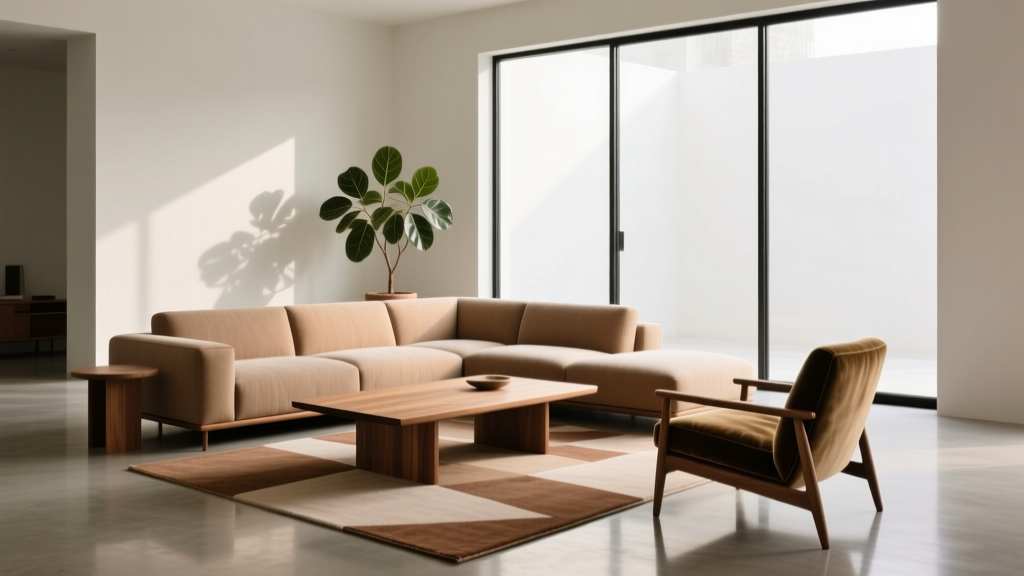 Living Room Furniture That Lasts: 2026 Picks
 Best Coffee Table Books for Styling - The Decor Mag
 Living Room French Provincial Inspiration - The Decor Mag
 How to Style a Round Coffee Table - The Decor Mag
 Living Room Warm vs Cool Tone Balancing - The Decor Mag
 2026 Interior Design Trends: Functional Elegance & Biophilia
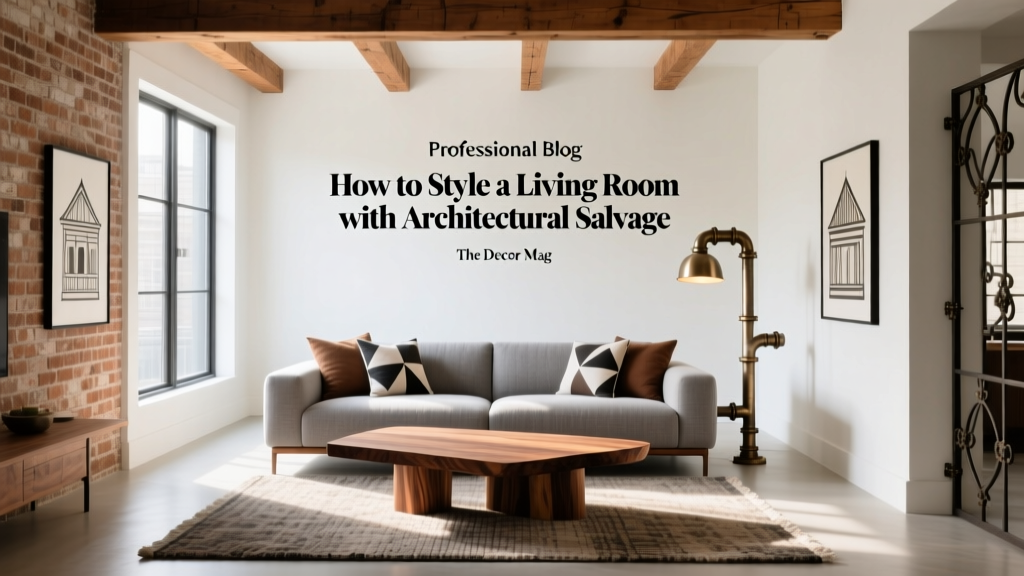 Architectural Salvage Living Room Styling (2026)
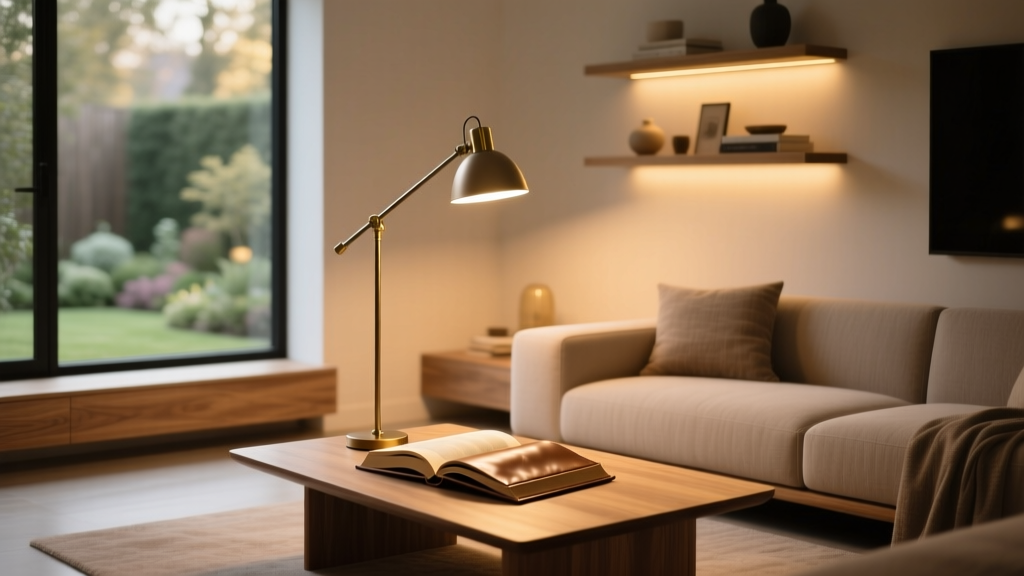 Best Floor Lamp Options for Reading - The Decor Mag