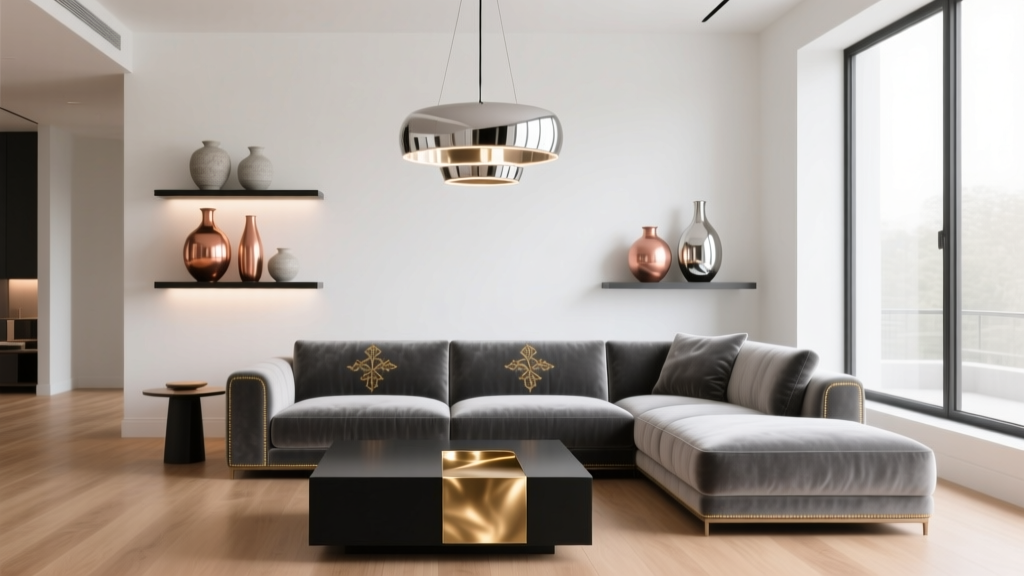
Metallics in Living Room Decor: 2026 Ideas
Metallics have a way of making a living room feel finished. A touch of brass can warm up a cool, modern space; chrome can sharpen a traditional room into something fresher; matte black metal can ground a light, airy palette. The best part is that you don’t need a full renovation to get that elevated look—metallic accents can be introduced in small, renter-friendly ways or scaled up for a designer-level impact.
If you’ve ever worried metallics might look “too shiny,” outdated, or mismatched, you’re not alone. The secret is balance: choosing the right finishes, repeating them intentionally, and using metallics as a supporting player to your textiles, wood tones, and lighting. Done well, metallic decor adds depth, contrast, and a subtle glow that looks great in both daylight and lamplight.
This guide breaks down how to decorate a living room with metallic accents—what finishes work together, where to place them, how much is too much, and what to buy (from budget to investment). You’ll also get real-world room scenarios, common mistakes to avoid, and a practical checklist you can use this weekend.
Why Metallics Work So Well in Living Room Design
Metallics function like jewelry for your space. They reflect light, highlight architectural features, and add crisp contrast to soft materials like upholstery and rugs. They’re also incredibly versatile: metallic finishes work with modern, traditional, industrial, glam, Scandinavian, and even rustic living room styles.
- Light-enhancing: Reflective surfaces brighten dim corners and make rooms feel more expansive.
- Color-balancing: Warm metals (brass, gold, copper) soften cool palettes; cool metals (chrome, nickel) sharpen warm schemes.
- Texture-building: Metal introduces a clean, sleek texture that complements bouclé, velvet, linen, and natural wood.
- Trend-proof when used thoughtfully: The key is classic shapes and consistent repetition—not novelty finishes everywhere.
Pick Your Metallic Finish: A Quick Guide
Before buying anything, decide on the metallic “family” that best suits your space. You can mix finishes, but it helps to start with one primary metal and one supporting metal.
Warm Metallics (Brass, Gold, Copper)
- Best for: Cozy living rooms, earth tones, creamy whites, traditional details, warm woods (oak, walnut).
- Look and feel: Inviting, luxe, softly reflective.
- Try it with: Olive green, camel, terracotta, ivory, warm gray.
Cool Metallics (Chrome, Polished Nickel, Stainless Steel)
- Best for: Modern living rooms, black-and-white schemes, cool grays, crisp silhouettes.
- Look and feel: Clean, bright, contemporary.
- Try it with: Charcoal, navy, bright white, cool taupe.
Dark Metals (Matte Black, Oil-Rubbed Bronze, Gunmetal)
- Best for: Industrial style, modern farmhouse, minimalist spaces needing grounding contrast.
- Look and feel: Bold, graphic, architectural.
- Try it with: Light neutral walls, natural fibers, pale woods, warm whites.
Living Finishes (Antique Brass, Aged Bronze)
- Best for: Timeless interiors, vintage-inspired rooms, spaces where you want patina and character.
- Look and feel: Soft, layered, collected-over-time.
How to Mix Metals Without It Looking Messy
Mixing metals is a current design trend (and a timeless principle when done with intention). The trick is to make it look deliberate, not accidental.
Use the 60/30/10 Rule for Finishes
- 60%: Primary metal (dominant finish across key items)
- 30%: Secondary metal (supporting accents)
- 10%: Optional “spark” metal (small dose for interest)
Example: A living room with brushed brass lighting (60%), matte black curtain rod and table legs (30%), and a small chrome vase (10%).
Repeat Each Metal at Least Twice
If a finish appears only once, it reads like a mistake. Aim for two to four touchpoints per finish:
- Brass: floor lamp + picture frames
- Black: coffee table base + mirror frame
- Nickel: cabinet pulls in a nearby console + tray on the ottoman
Bridge Finishes with a “Connector” Material
Wood, glass, stone, and textiles help different metals live together. If you’re mixing brass and chrome, add a third neutral material (like a walnut table, a marble tray, or a linen shade) so the metals don’t compete.
Where to Add Metallics (High-Impact Spots)
Not all metallic decor is equal. Some placements instantly elevate your living room design with minimal clutter.
1) Lighting: The Most Transformative Metallic Accent
Metallic lighting reads as intentional design because it’s architectural and functional. Consider:
- Floor lamps: Great for renters—no wiring changes. Budget: $80–$250; investment: $300–$900.
- Table lamps: Add shine at eye level next to a sofa. Budget: $40–$180; investment: $200–$700.
- Ceiling fixtures: Best for homeowners or renters allowed to swap. Budget: $120–$350; investment: $400–$1,500.
Measurement tip: For a standard 8-foot ceiling, choose a semi-flush fixture that hangs 6–12 inches down. For living rooms with higher ceilings, a chandelier or pendant can hang so the bottom sits about 7 feet from the floor in open areas (and higher if it’s over a coffee table).
2) Coffee Table Styling: Easy, Swappable Shine
A metallic tray or bowl corrals small objects and adds reflective contrast to books and candles.
- Best materials: Brushed brass tray, nickel gallery tray, hammered aluminum bowl.
- Budget range: $20–$80 for trays and bowls; $90–$200 for heavier cast pieces.
Proportion tip: Your tray should be about 1/2 to 2/3 the width of your coffee table surface for balanced styling.
3) Hardware and Small Furniture Details
Metal legs, pulls, and frames are quiet but powerful. Try:
- Console table with brass or black metal base
- Side table with a metal rim or pedestal
- Media console pulls (swap-friendly in most rentals—keep the originals)
Budget range: Hardware swaps often cost $3–$12 per pull (mid-range) and $15–$40 per pull (designer). A metal-and-wood side table typically runs $70–$250, with investment pieces $300–$900.
4) Mirrors and Wall Decor
Metal-framed mirrors bounce light and visually expand tight spaces—ideal for apartments.
Measurement tip: Above a sofa, a mirror or art piece should be about 2/3 the width of the sofa. Hang the center of the piece around 57–60 inches from the floor (gallery standard), adjusting slightly for ceiling height and furniture scale.
5) Soft Metallics: Textiles That Catch Light Gently
If you’re shy about shiny finishes, start with fabrics that have a subtle metallic thread:
- Throw pillows with gold or silver weave
- Metallic-edged curtains or trim
- Rugs with a slight sheen (viscose blend or tonal pattern)
Comfort note: Some high-sheen viscose rugs can be delicate. For busy living rooms, look for wool blends or polypropylene rugs with metallic patterning for durability.
Step-by-Step: Build a Metallic Plan for Your Living Room
- Identify your base palette. Note your dominant neutrals (warm white, greige, cool gray) and wood tones (oak, walnut, espresso).
- Choose a primary metal. Pick the finish that suits your undertones and style (brass for warm, chrome for cool, black for contrast).
- Select 2–3 anchor pieces. These are the items that establish the metal: a floor lamp, coffee table base, or mirror frame.
- Add 2–4 smaller repeats. Think frames, tray, candleholders, curtain rod finials, or a decorative bowl.
- Keep surfaces balanced. If your metallics are shiny, counter them with matte textures (linen curtains, boucle pillow, wool rug).
- Assess at night. Metallics look different in warm lamp light versus daylight. Use bulbs in the 2700K–3000K range for most living rooms to keep metals flattering and cozy.
Real-World Living Room Scenarios (What to Do in Your Space)
Scenario 1: Small Apartment Living Room with Beige Walls
Goal: Add polish without making it feel crowded.
- Add a brass arched floor lamp behind the sofa (footprint-friendly and tall).
- Use a round metal tray (8–14 inches wide) on an ottoman or small coffee table.
- Hang a thin brass-framed mirror opposite a window to bounce light.
- Keep the rest minimal: one metallic finish repeated 3–4 times is enough.
Estimated budget: $150–$450 depending on lamp and mirror size.
Scenario 2: Open-Concept Living Room with a Black Kitchen Nearby
Goal: Tie spaces together and avoid clashing finishes.
- Repeat matte black from the kitchen in the living room: curtain rod, coffee table base, or picture frames.
- Add brushed brass as a warmer counterpoint via lighting and a decorative bowl.
- Use a connector material like walnut (side table or console) to soften the contrast.
Estimated budget: $200–$800 depending on furniture choices.
Scenario 3: Traditional Living Room That Feels Dated
Goal: Refresh without replacing everything.
- Swap old shiny brass for aged brass or polished nickel in lamps and frames.
- Add a clean-lined chrome side table to modernize silhouettes.
- Update accessories: a pair of sleek metallic candleholders and a new mirror can change the entire feel.
Estimated budget: $120–$600 for targeted updates.
Product Recommendations (By Category and Budget)
- Metallic trays: Hammered aluminum (budget-friendly), brushed brass (mid-range), cast brass (investment). $20–$200
- Accent tables: Metal pedestal + stone top (marble or faux marble), metal frame + wood shelf. $80–$900
- Mirror frames: Thin metal frame for modern spaces; antique brass for transitional/traditional. $70–$700
- Picture frames: Use sets for repetition. Choose brushed finishes to reduce glare. $20–$200
- Decor objects: Brass knot sculpture, aluminum bowl, metal-and-glass hurricane. $15–$250
- Lighting bulbs: Warm white LEDs in 2700K–3000K, high CRI for accurate color. $8–$30 per bulb
Current Trends + Timeless Principles to Follow
Trending Now
- Brushed and satin finishes over high-polish (less glare, more sophistication)
- Mixed metals that feel curated (brass + black is a favorite)
- Warm minimalism where metallics add depth to calm neutral living rooms
- Statement lighting as functional sculpture
Timeless Rules That Always Work
- Repeat, don’t scatter. A few intentional metallic moments beat many random shiny objects.
- Balance shine with softness. Pair metal with textiles, wood, and ceramics.
- Prioritize scale. A small metallic item can disappear; a well-sized lamp or mirror makes a real impact.
Common Mistakes to Avoid
- Using too many finishes at once. Three metals can work, but only with a clear dominant finish and repeated accents.
- Choosing overly glossy metals in high-glare rooms. If you get strong sunlight, opt for brushed or antique finishes instead of mirror polish.
- Forgetting undertones. Warm gray walls usually love brass; icy grays often prefer chrome or nickel.
- Buying tiny metallic decor that clutters. Fewer, larger pieces read more elevated than many small trinkets.
- Not coordinating with nearby rooms. Open-concept spaces look best when finishes echo across zones (even subtly).
- Overdoing glam. If everything is reflective—metal, glass, mirrored surfaces—the room can feel cold. Add matte ceramics, chunky knits, or a wool rug to ground it.
FAQ: Metallics in Living Room Decor
How many metallic finishes should I use in one living room?
Two is the easiest to style (one primary, one secondary). Three can work if you keep one finish minimal (about 10%) and repeat each finish at least twice.
Is gold/brass going out of style?
Brass has shifted from super-shiny yellow gold to brushed, satin, and aged brass, which feels more timeless. Classic shapes (simple frames, clean-lined lamps) keep it looking current.
Can I mix chrome and brass in the same living room?
Yes. Use one as the dominant finish, then add the other in smaller, repeated accents. A connector material (wood, marble, glass) helps the mix feel intentional.
What metallic finish is best for a small living room?
Brushed brass and polished nickel are both great because they reflect light without feeling heavy. Use metallics in lighting and mirrors first for the biggest space-enhancing effect.
What’s a renter-friendly way to add metallic accents?
Try a metallic floor lamp, peel-and-stick hardware upgrades (or swap-and-store the originals), a metal-framed mirror leaning on a console, and a tray or decorative bowl on the coffee table.
How do I keep metallic decor from looking cheap?
Favor brushed or satin finishes, choose heavier materials when possible (cast metal over thin plating), and limit the number of small shiny items. One well-made lamp or mirror often looks more expensive than several bargain accessories.
Actionable Next Steps for Your Living Room
- Choose your primary metal based on your wall color undertone and wood tones.
- Add one anchor metallic piece this week—lighting or a mirror delivers the fastest transformation.
- Repeat the finish 2–3 more times with a tray, frames, or hardware for a cohesive look.
- Check the room at night with warm bulbs (2700K–3000K) to make metallics glow instead of glare.
Metallics don’t have to be bold to be impactful—just thoughtfully placed, repeated with intention, and balanced with inviting textures. For more living room decor ideas, layout tips, and trend-forward guides, explore the latest inspiration on thedecormag.com.
More Articles
 Maximalist Living Room Decor Done Right - The Decor Mag
 The Best Accent Chairs for Living Rooms - The Decor Mag
 Living Room Tray Ceiling Design Ideas - The Decor Mag
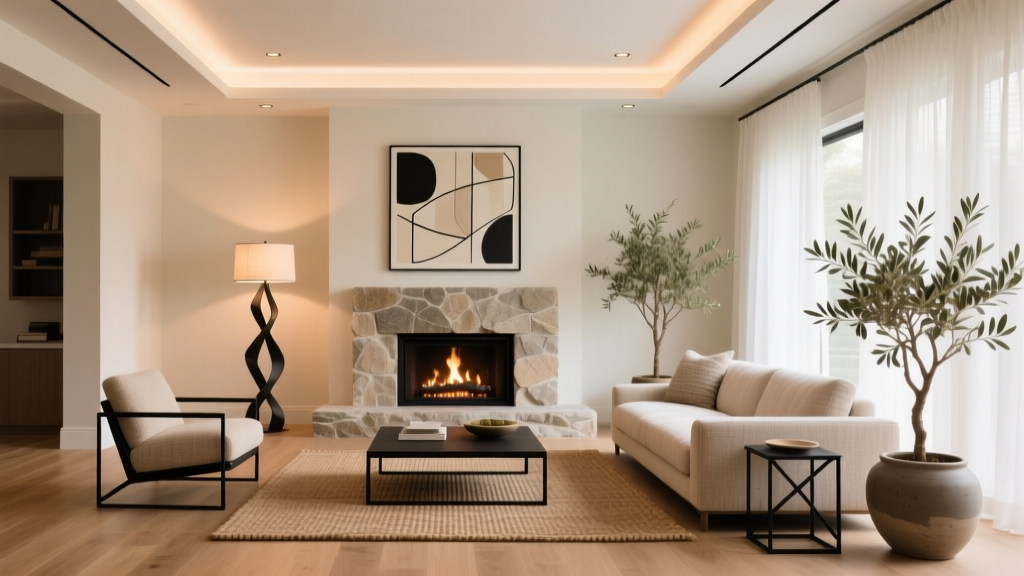 Living Room Fireplace Styling Ideas (2026)
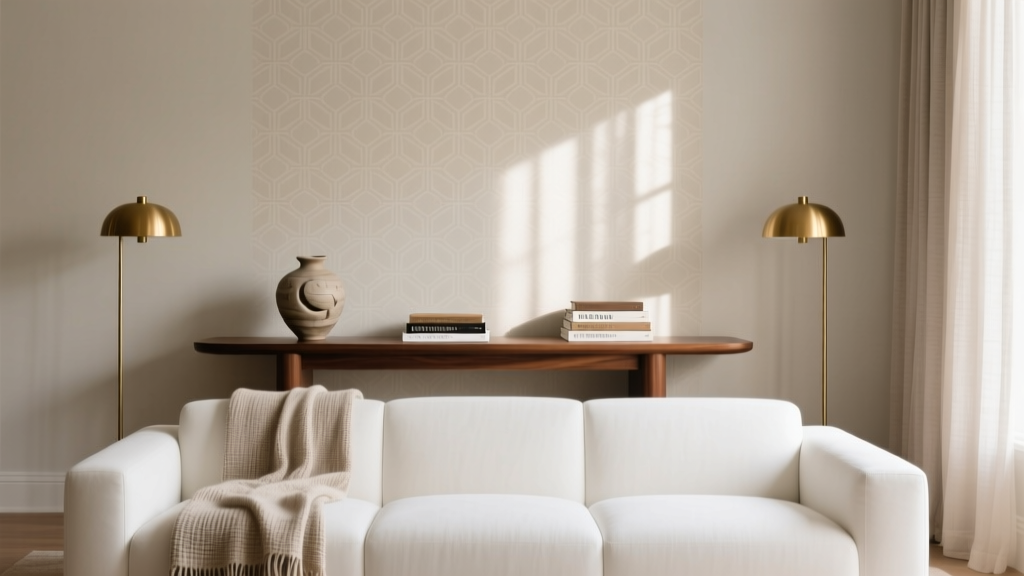 Console Table Behind Sofa: Styling Ideas (2026)
 2026 Interior Design Trends: Functional Elegance & Biophilia
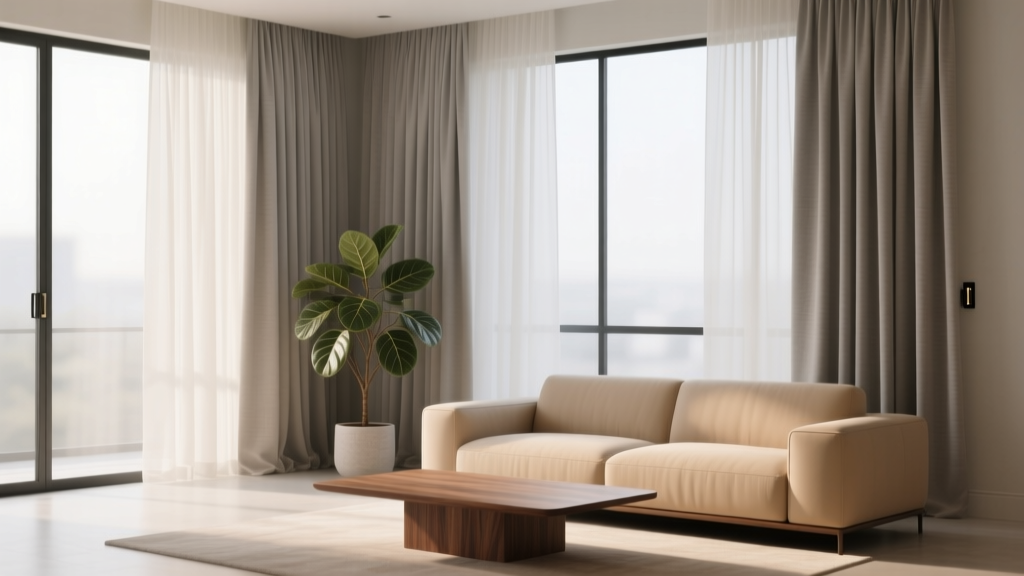 Living Room Curtains: How to Choose (2026)
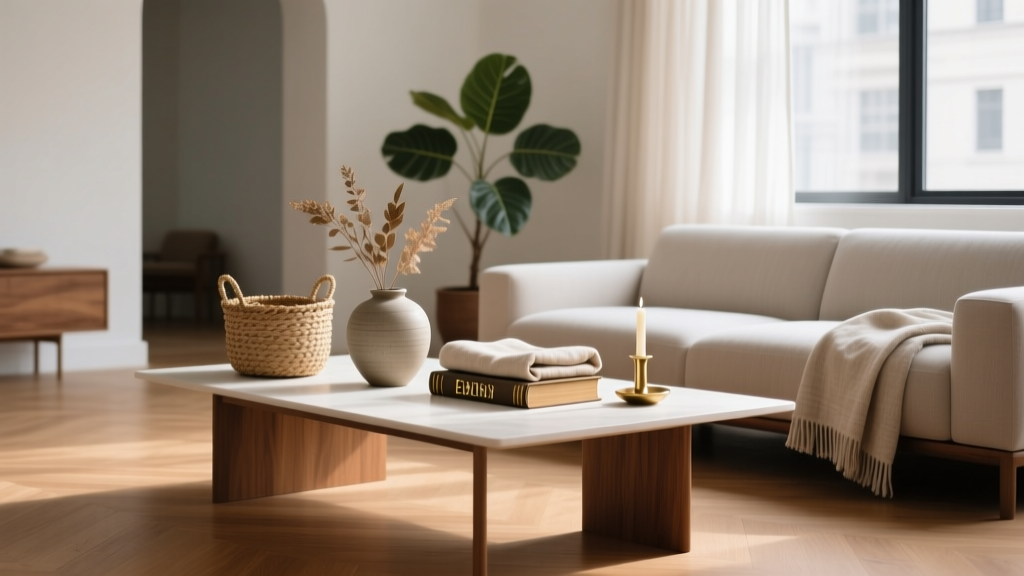 Best Coffee Table Styling Under 5 Objects - The Decor Mag
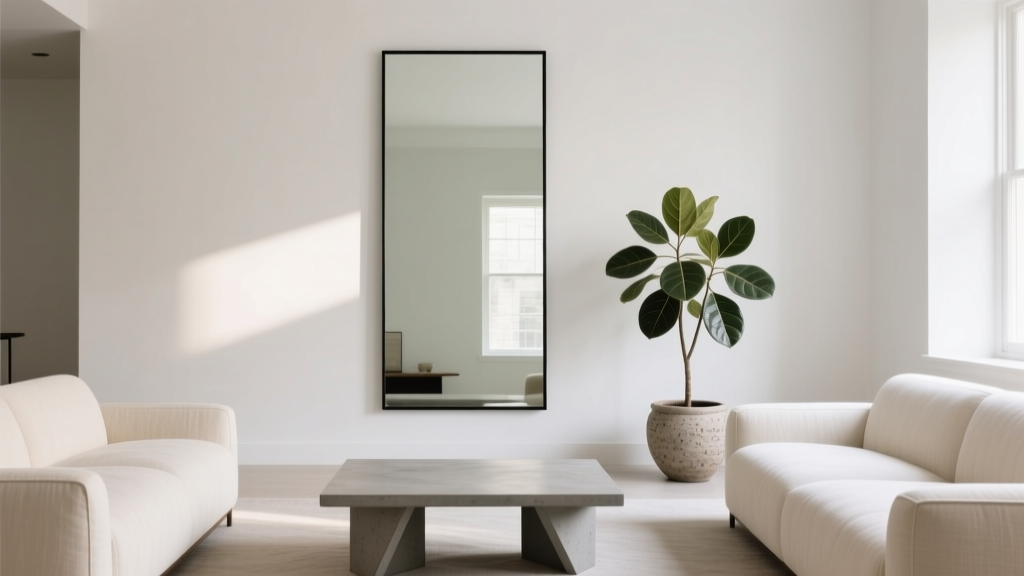 Living Room Mirror Placement and Styling - The Decor Mag
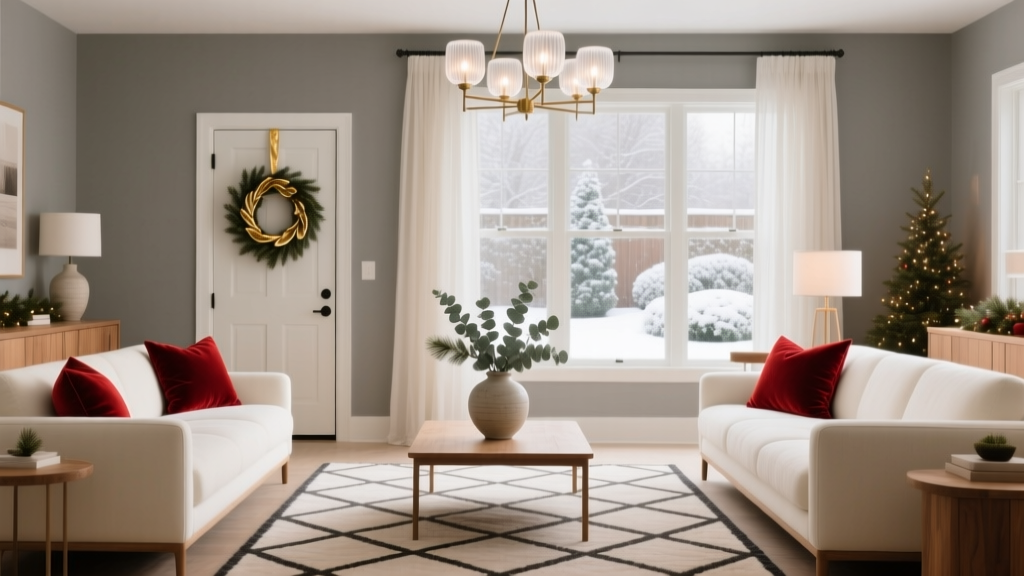 How to Style a Living Room for the Holidays - The Decor Mag