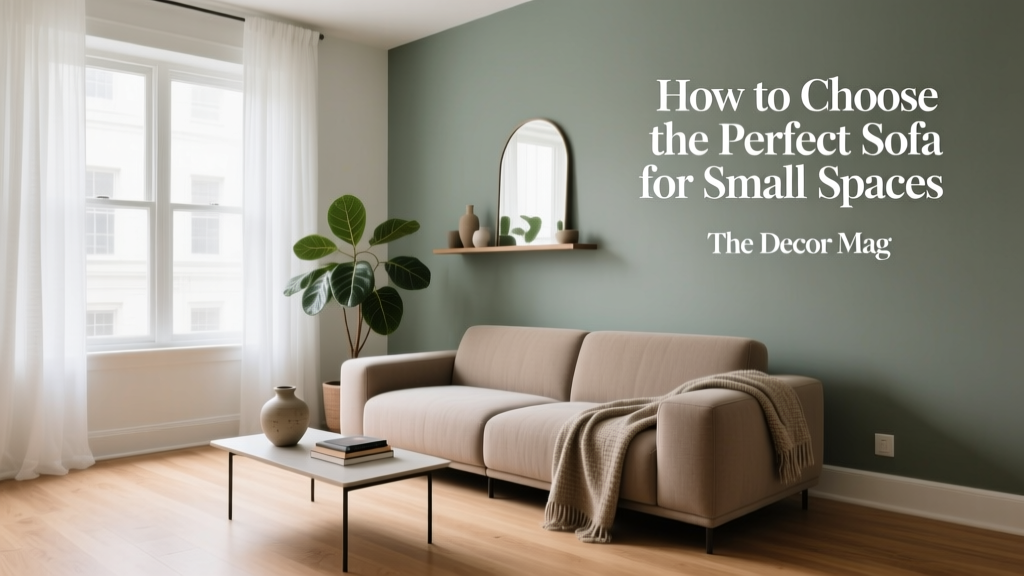
Sofa for Small Spaces: Best Picks (2026)
A sofa does more than fill an empty wall—it sets the tone for your entire living room. In a small space, it’s also the piece that can make the room feel airy and intentional… or cramped and hard to navigate. That’s why choosing a sofa for a compact apartment, studio, or petite living room isn’t just about style. It’s about layout, comfort, and smart proportions working together.
The good news: small-space seating has never looked better. Brands are designing sleeker silhouettes, apartment-size sectionals, modular sofas, and sleeper options that actually feel elevated. This guide will walk you through how to measure properly, pick the right shape, choose materials that hold up, and avoid common mistakes—so you can land on a sofa that fits your room and your life.
Expect practical measurements, real-world scenarios, budget ranges, and design tips you can use right away—whether you’re furnishing your first rental or upgrading a forever home.
Start With Measurements: The Step Most People Skip (and Regret)
Small living rooms don’t leave much margin for error. Before you fall in love with a sofa online, map your space like a designer would.
Step-by-step measuring checklist
- Measure the room’s usable footprint (not just wall-to-wall). Note doors, radiators, vents, built-ins, and outlets.
- Measure the wall where the sofa will go. If you’re floating the sofa, measure the zone you’ve allocated for seating.
- Measure traffic paths:
- Aim for 30–36 inches for main walkways.
- In tighter rooms, 24–30 inches can work if it’s not a primary path.
- Measure doorways, stairwells, and elevators. Many “perfect” sofas never make it inside.
- Tape it out on the floor with painter’s tape:
- Mark the sofa’s full width and depth.
- Then mark how far the seat will project into the room.
Small-space sofa dimensions to aim for
- Apartment-size sofa: 72–84 inches wide (great for most small living rooms)
- Loveseat: 56–72 inches wide (ideal for studios or paired seating)
- Sofa depth (overall): 34–38 inches for easier circulation
- Seat depth: 20–23 inches for upright comfort; 23–25 inches for lounge lovers (if space allows)
- Seat height: 17–19 inches is a comfortable standard
- Back height: 30–36 inches for a lighter visual profile; taller backs can feel bulkier in tight rooms
If you’re working with a narrow living room, prioritize a shallower depth. A sofa that sticks out too far is the fastest way to make a space feel pinched.
Choose the Right Shape for Your Layout
The “best” sofa for small spaces depends on how your room functions. Are you hosting friends? Watching movies nightly? Working from the couch? The shape should support your routine.
1) Standard sofa: the simplest win
A streamlined 2–3 seater is the most flexible option for compact living room design. It’s easier to move, easier to style, and usually offers the best comfort-to-footprint ratio.
- Best for: narrow rooms, renters, frequent re-arrangers
- Design tip: Pair with one armless accent chair or a slim swivel chair to create extra seating without visual heaviness.
2) Loveseat: when every inch counts
Loveseats shine in studios, tiny dens, and spaces where you’d rather have two smaller pieces than one big sofa.
- Best for: studios, small households, secondary living areas
- Real-world scenario: In a 450–650 sq. ft. apartment, a loveseat plus a small accent chair often feels more open than an 84-inch sofa.
3) Sectional: yes, you can do it—if you pick the right one
Sectionals can work beautifully in small spaces, especially when they define a living area within an open-plan room. The key is scale and legibility.
- Look for: “apartment sectionals,” reversible chaise sectionals, or modular sectionals you can reconfigure.
- Smart guideline: In a small room, choose a sectional with a total width of 90 inches or less when possible.
- Design tip: A chaise often takes less visual space than a matching ottoman and can reduce the need for a second chair.
4) Sleeper sofa or sofa bed: for guests without a guest room
If your living room doubles as a guest space, a sleeper sofa can be a game-changer—just be mindful of clearance.
- Clearance rule: Measure from the front of the sofa to the coffee table/wall and ensure you’ll have 80–90 inches of pull-out length (depending on mattress size).
- Best for: renters, family visits, multipurpose rooms
- Trend alert: Modern sleepers now come with slimmer arms and upgraded mattresses, so you’re no longer sacrificing style.
5) Modular sofa: the small-space MVP
Modular sofas are one of the biggest current design trends for a reason: they’re flexible, easy to move, and future-proof if you change apartments.
- Best for: awkward layouts, frequent movers, open-plan living rooms
- What to check: Are modules locked together? Are covers replaceable? Can you buy extra pieces later?
Pick Details That Visually “Lighten” the Room
In compact living rooms, visual weight matters almost as much as physical measurements. These design choices help a sofa feel less bulky and more breathable.
Look for legs (and space underneath)
- Choose sofas with 4–6 inch visible legs to create openness and make floors look larger.
- If you love a skirted look, keep the silhouette sleek and the fabric tailored to avoid a heavy block effect.
Choose narrow arms (or armless)
- Track arms or slim arms maximize seat space without increasing width.
- Bulky rolled arms can add 6–10 inches overall width without giving you more seating.
Keep the back lower in tight rooms
A lower back can make ceilings feel taller and sightlines clearer—especially in open-concept spaces where the sofa is visible from the kitchen or entry.
Use color strategically
- Light neutrals (warm white, oatmeal, greige) help the sofa blend into the room and feel less dominant.
- Mid-tone colors (camel, olive, slate) hide wear better while still feeling sophisticated.
- Bold color trend: muted jewel tones like deep teal or aubergine can look luxe if the sofa silhouette is clean and tailored.
Choose Upholstery That Matches Your Lifestyle (and Your Light)
Fabric choice is where timeless principles meet real life. Pets, kids, sunlight, and everyday spills should guide your decision as much as style does.
Best upholstery materials for small-space sofas
- Performance fabric: Ideal for busy homes. Look for stain resistance and high durability (often listed as “performance” or “easy clean”).
- Polyester blends: Budget-friendly and generally durable; great for rentals and first apartments.
- Leather (top-grain or semi-aniline): A timeless choice that can visually “declutter” because it reads as one clean surface. Great for longevity, but higher upfront cost.
- Velvet (performance velvet if possible): A current trend that adds richness without needing extra decor. Works well in small rooms when the color is thoughtful.
- Textured weaves: Bouclé and nubby textures are trending, but consider maintenance—some catch pet hair and can snag.
Durability cues to look for when shopping
- Rub count (Martindale/Wyzenbeek): Aim for 30,000+ for everyday residential use.
- Removable covers: A huge plus for renters and pet owners.
- Seat cushions: High-resiliency foam wrapped in fiber balances comfort and structure.
- Frame: Kiln-dried hardwood is a strong sign of quality; avoid anything that feels wobbly or overly lightweight.
Comfort Matters: How to Test the “Sit” Without Guessing
A sofa can look perfect and still feel wrong. Here’s how to choose comfort intentionally, even if you’re shopping online.
Quick comfort checklist
- For upright lounging: Choose a firmer seat and 20–22 inch seat depth.
- For movie nights: Slightly deeper seats and softer cushions can work—just ensure you can still get up easily.
- If you’re petite: Deep seats may require extra pillows; look for a shallower depth or adjustable back cushions.
- If you’re tall: A deeper seat and higher back may feel more supportive, but keep the silhouette clean to avoid overwhelming the room.
Online shopping tip: compare interior seat width
Two sofas can share the same overall width, but the one with slimmer arms may offer significantly more usable seating. Look for “inside seat width” or “seating width” in product specs.
Product Recommendations by Category and Budget
Rather than chasing one “best sofa,” shop by the type that fits your space and budget. These are reliable categories to search for, with realistic price ranges.
Budget-friendly (approx. $500–$1,200)
- Apartment-size sofa (72–80 inches) in a durable polyester blend
- Compact loveseat with slim arms and raised legs
- Storage ottoman as a flexible add-on (seating + hidden storage)
Mid-range (approx. $1,200–$3,000)
- Performance fabric sofa with removable cushion covers
- Reversible chaise sectional to adapt to different layouts
- Better sleeper sofa with upgraded mattress (memory foam or hybrid options)
Investment (approx. $3,000–$7,000+)
- Modular sofa system you can expand over time
- Top-grain leather sofa with a sleek, timeless silhouette
- Custom or made-to-order sofa where you can select depth, firmness, and fabric
If you’re deciding where to spend: prioritize a quality frame and durable upholstery. Trendy pillows and throws can always update the look later.
Real-World Layout Scenarios (and What Works Best)
Scenario 1: A narrow living room with a TV on the long wall
- Best choice: 72–84 inch sofa with a 34–36 inch depth
- Layout tip: Use a slim coffee table (12–18 inches deep) or a pair of nesting tables to keep pathways open.
Scenario 2: Studio apartment where the sofa faces the bed
- Best choice: loveseat or armless modular sofa
- Design tip: Choose a sofa with a lower back to avoid visually cutting the room in half; add a tall bookcase or curtain divider to create zoning.
Scenario 3: Open-plan living room that needs definition
- Best choice: compact sectional or modular with chaise
- Layout tip: Float the sofa with a console table behind it (10–14 inches deep) to create a polished “room within a room.”
Scenario 4: Small living room that doubles as a guest room
- Best choice: sleeper sofa or sofa with a pull-out trundle
- Practical tip: Replace a bulky coffee table with a soft ottoman that can move easily when the bed is opened.
Common Mistakes to Avoid When Buying a Small-Space Sofa
- Buying based on overall width only: Depth and arm thickness often matter more in tight rooms.
- Ignoring delivery constraints: Measure doorways, hallways, turns, elevator depth, and stair clearance.
- Choosing oversized sectionals “for more seating”: If it blocks natural pathways, the room will feel stressful to use.
- Going too low-quality for high-traffic use: A bargain sofa can sag quickly, especially with soft foam and weak frames.
- Overmatching everything: A small living room looks more designer when you mix textures and materials (for example: linen-look sofa + wood coffee table + wool rug).
- Forgetting the rug: A rug anchors the seating zone. As a general rule, choose a rug large enough for the sofa’s front legs to sit on it (often 5' x 8' or 8' x 10' depending on room size).
Design Trends That Work in Small Living Rooms (and the Timeless Moves Worth Keeping)
Current trends with staying power
- Curved silhouettes: A gently rounded sofa or rounded arms soften boxy rooms and feel fresh without being fussy.
- Modular everything: Flexible seating that adapts to life changes is a smart, trend-forward investment.
- Warm minimalism: Clean lines paired with cozy textures—think performance fabric, wood accents, and layered lighting.
Timeless principles designers rely on
- Proportion first: A slightly smaller sofa that fits beautifully will always look more expensive than an oversized one.
- Negative space is your friend: Visible floor and breathable pathways make a room feel larger.
- Quality upholstery reads “calm”: Even a neutral sofa becomes a statement when the fabric has depth and the tailoring is crisp.
FAQ: Choosing a Sofa for Small Spaces
What size sofa is best for a small living room?
Most small living rooms do best with a sofa between 72 and 84 inches wide. If your space is very tight, a 56–72 inch loveseat can be a better fit, especially when paired with a compact chair.
Is a sectional a bad idea for a small space?
Not at all—an apartment-size sectional or a reversible chaise sectional can be excellent. Keep the total width around 90 inches or less when possible and make sure it doesn’t block walkways or doors.
How much space should I leave between the sofa and coffee table?
Aim for 14–18 inches between the sofa and coffee table for comfortable movement. If you’re very tight on space, 12 inches can work, but it may feel cramped.
What sofa fabric is best for pets and kids?
Performance fabrics are the easiest choice—look for stain resistance and tightly woven textiles. Leather is also durable and easy to wipe clean, though it can scratch. Avoid delicate, loose weaves if you have pets that snag fabric.
Should I get a sofa with legs or a skirted sofa for a small room?
A sofa with visible legs typically makes a small living room feel larger because you can see more floor. Skirted sofas can work, but choose a tailored skirt and a streamlined shape to avoid a heavy look.
How can I make a small living room sofa look more high-end?
Focus on three upgrades: a well-fitted rug (front legs on the rug), layered lighting (floor lamp + table lamp), and elevated textiles (textured throw, feather-down alternative inserts, and a mix of pillow sizes).
Actionable Next Steps: Your Small-Space Sofa Plan
- Measure your wall, depth, and walkways; tape the sofa footprint on the floor.
- Choose a shape based on how you live: standard sofa, loveseat, compact sectional, sleeper, or modular.
- Prioritize visual lightness: raised legs, slim arms, and a streamlined back.
- Select the right upholstery for your lifestyle—especially if you have pets, kids, or lots of sun exposure.
- Check the specs: inside seat width, cushion fill, frame materials, and delivery dimensions.
The perfect sofa for a small space isn’t the tiniest one—it’s the one that fits your room’s proportions, supports your routine, and makes your living room design feel intentional and comfortable.
Want more ideas for small living rooms, furniture layouts, and decor that feels pulled-together? Explore more living room inspiration on thedecormag.com.
More Articles
 Bathroom Reading Nook Ideas for 2026
 Living Room Cozy Reading Corner Inspiration - The Decor Mag
 Curtains for Living Rooms: Best Choices (2026)
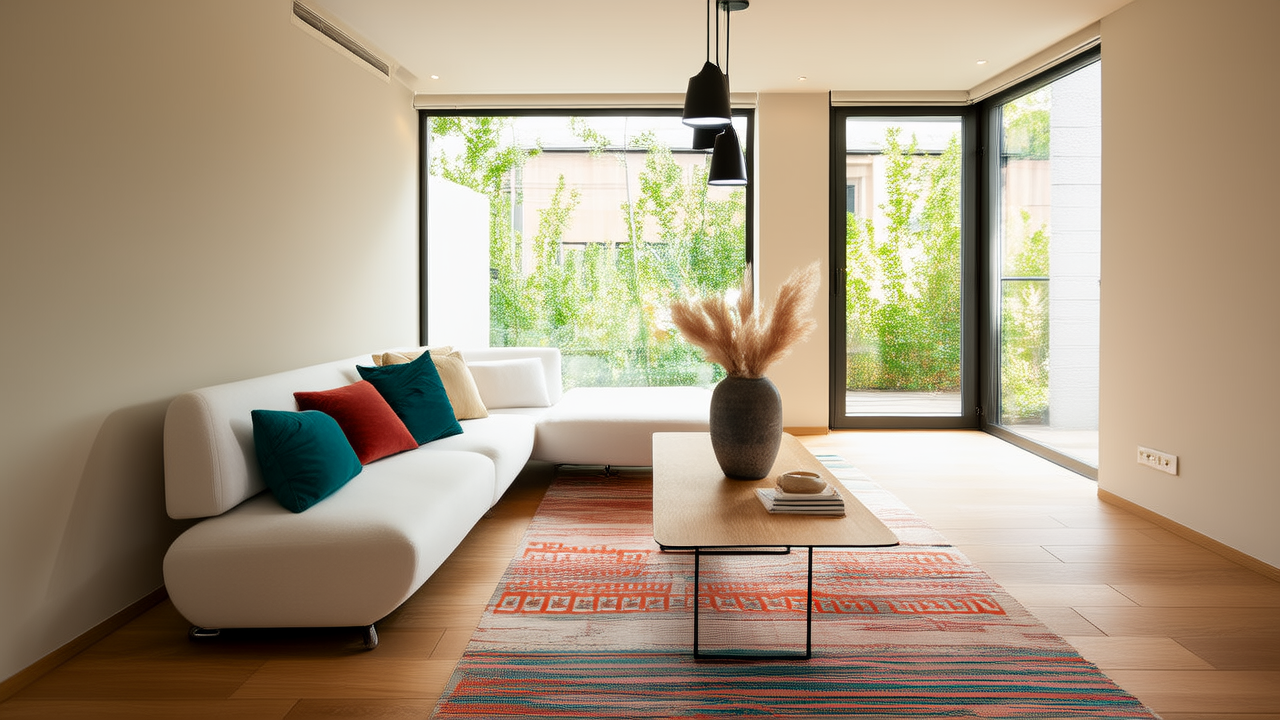 Living Room Foundations: Support, Ergonomics, Comfort
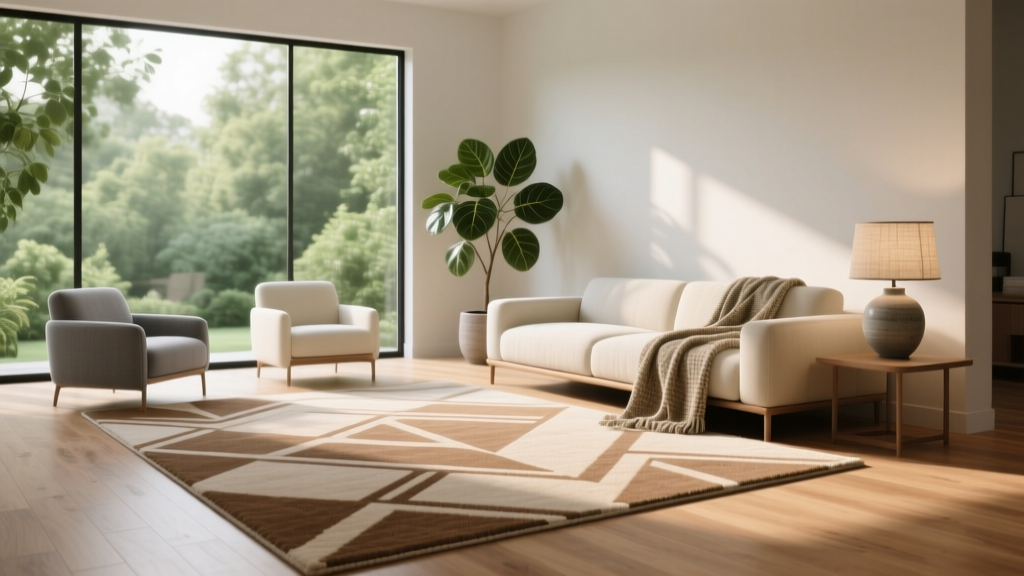 How to Style a Living Room with a Large Rug - The Decor Mag
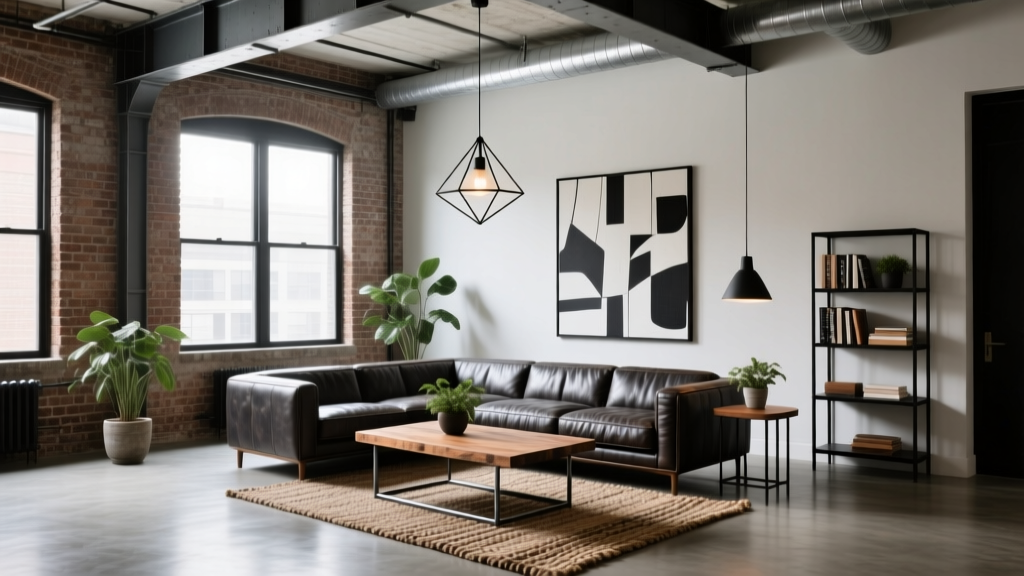 Industrial Chic Living Room Inspiration - The Decor Mag
Living Room Color Schemes That Work Every Time
Industrial Chic Living Room Inspiration - The Decor Mag
Living Room Color Schemes That Work Every Time
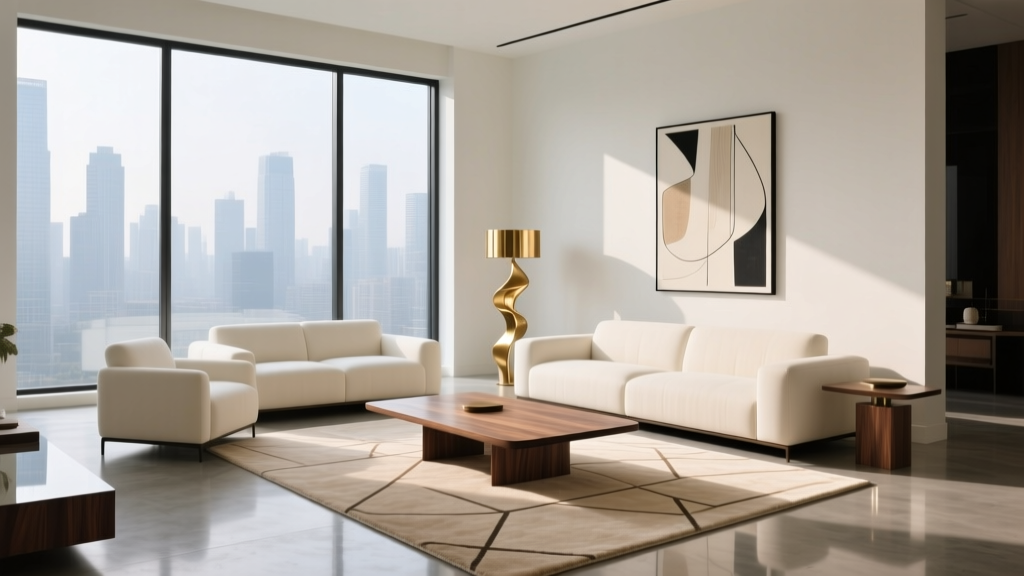 Luxury Living Room Design Trends - The Decor Mag
 Best Accent Pillow Fill Inserts - The Decor Mag
 Cheap vs Premium Living Room Setup Cost in 2026