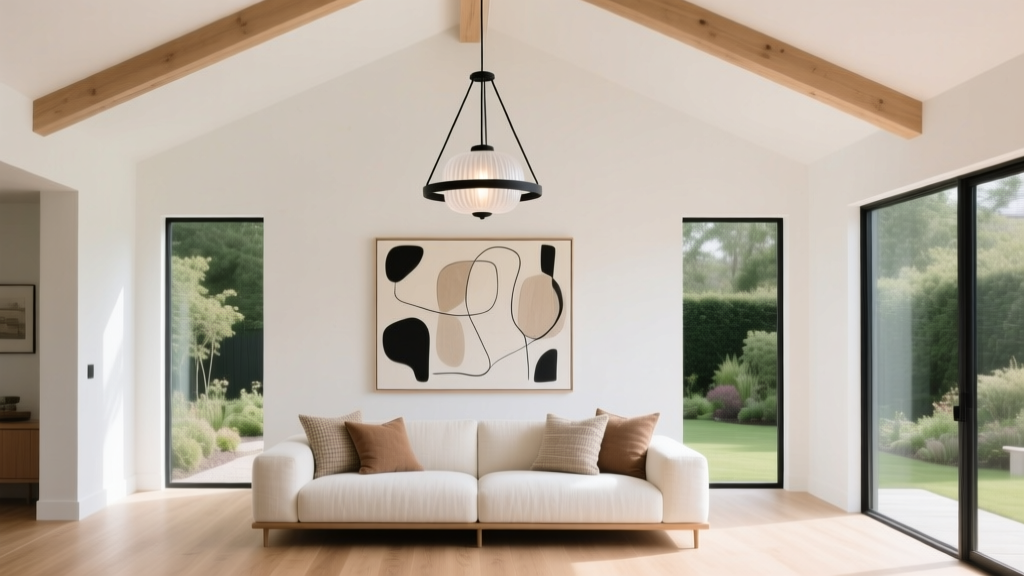
Living Room Decor for High Ceilings (2026)
High ceilings are one of those architectural features people dream about—until they’re actually living with them. A tall living room can feel bright, airy, and impressive, but it can also read as cold, echoey, or oddly unfinished if the furniture and decor sit too low and too far apart. The good news: decorating a living room with high ceilings isn’t about filling every inch of vertical space. It’s about creating balance, warmth, and a clear visual hierarchy.
Whether you’re in a loft with 12-foot ceilings, a newer home with a two-story great room, or a pre-war rental with 10-foot plaster ceilings, the same principles apply. You’ll learn how to choose the right scale of furniture, hang curtains and art at the correct heights, plan lighting that reaches the room (not just the floor), and use color and texture to make the space feel grounded—without sacrificing that “wow” factor.
Below you’ll find practical measurements, product-style recommendations, budget ranges, and real-life scenarios so you can turn an awkwardly tall room into a living room that feels cohesive, comfortable, and intentionally designed.
Start with Proportions: Scale Is Everything in a High-Ceiling Living Room
High ceilings amplify every sizing mistake. Too-small furniture makes the room feel cavernous; tiny wall art looks lost; a small pendant can feel like a dot in the middle of a big volume of air. Before shopping, take a few quick measurements.
Key measurements to take (and why)
- Ceiling height: 9 ft, 10–12 ft, or 14+ ft changes your lighting and wall decor strategy.
- Main seating wall length: Helps determine sofa size and whether a sectional will look balanced.
- Rug zone: Measure the area you want to anchor (usually front legs of all seating on the rug).
- Window height + width: Essential for choosing curtain length and rod placement.
Furniture scale guidelines
- Sofas: Look for 84–96 inches wide for most high-ceiling rooms. If your room is large, consider 100–110 inches or a sectional.
- Seat height and back height: A higher back (34–40 inches) reads more proportional than a low-slung 28–32 inch back in very tall spaces.
- Coffee tables: Aim for about 2/3 the length of the sofa and 16–18 inches high (roughly level with the seat cushion).
- Rugs: In most high-ceiling living rooms, a 9' x 12' or 10' x 14' rug prevents the “floating furniture” look.
Budget reality: If you can only “go bigger” on one item, make it the rug. A generously sized rug instantly makes the room feel designed. Expect:
- Budget: $200–$600 (polypropylene, flatweave, washable blends)
- Mid-range: $700–$2,000 (wool blends, better density)
- Investment: $2,000–$6,000+ (hand-knotted wool, silk blends)
Create Visual Zones So the Room Doesn’t Feel Like a Cathedral
One reason high-ceiling living rooms feel “off” is that everything happens at floor level and nothing organizes the vertical space. Zoning gives the eye a place to land.
Easy zoning strategies
- Anchor with a large rug and arrange seating so at least the front legs sit on it.
- Add a console table behind the sofa (12–16 inches deep) with lamps or sculptural decor to add height.
- Use a pair of accent chairs opposite the sofa to create a defined conversation area.
- Layer lighting so light sources exist at multiple levels (more on that below).
Real-world scenario: Open-plan great room with 18-foot ceilings
If your living area shares space with the kitchen/dining area, treat your living room like its own “room” inside the larger footprint:
- Choose a 10' x 14' rug to clearly outline the living zone.
- Float the sofa facing the focal point (fireplace/TV) and place a console table behind it.
- Add two tall bookcases (or built-ins) on the far wall to visually “hold” the height.
- Hang curtains at ceiling height to make windows feel intentional and unified.
Use the Right Curtain Height and Fullness to Make Windows Feel Grand (Not Bare)
Window treatments are one of the fastest ways to make a high-ceiling living room feel finished. The most common mistake is hanging the curtain rod right above the window frame, which emphasizes the empty wall space above.
Best-practice curtain measurements
- Rod height: Hang 2–4 inches below the ceiling or crown molding (or as high as possible if you have a soffit).
- Curtain length: Use floor-length panels. For a polished look, panels should kiss the floor; for a softer, luxe look, add 1–2 inches of puddle.
- Fullness: Total panel width should be 2x to 2.5x the window width for a rich, tailored drape.
Materials that work beautifully
- Linen or linen-blend: Casual, airy, modern-organic trend; great for softening tall walls.
- Velvet: Adds warmth and improves acoustics—ideal for echo-prone rooms.
- Blackout lining: Worth it if you watch TV in the room or want better insulation.
Budget range: $80–$250 per panel for ready-made; $400–$1,500+ per window for custom, depending on fabric and hardware.
Wall Decor for Tall Walls: Think Vertical, Layered, and Intentional
High walls can make artwork feel undersized. The goal isn’t to hang art near the ceiling—it’s to use scale and grouping to create a balanced “field” on the wall.
Art hanging rules that actually work
- Center at eye level: Aim for the center of a piece (or grouping) to land around 57–60 inches from the floor.
- Above a sofa: Hang art so the bottom edge sits 6–10 inches above the sofa back.
- Size relative to furniture: Artwork should be about 2/3 to 3/4 the width of the sofa or console beneath it.
High-ceiling-friendly wall decor ideas
- Oversized art: One large piece (think 40" x 60" or larger) reads modern and confident.
- Triptychs or pairs: Multiple large panels fill visual space without feeling cluttered.
- Gallery wall with breathing room: Use fewer, larger frames rather than dozens of small ones.
- Textural pieces: Woven wall hangings, sculptural panels, or plaster art add depth and warmth.
- Tall mirrors: A 72"–84" floor mirror leans beautifully and bounces light around the room.
Real-world scenario: Rental with 10-foot ceilings and blank white walls
If you can’t add built-ins or paint, rely on removable impact:
- Use a large leaning mirror and a tall plant (8–10 ft fiddle-leaf fig or olive tree) to add vertical interest.
- Hang one oversized canvas above the sofa using damage-minimizing hooks.
- Choose curtains that go to the ceiling to “upgrade” builder-basic windows.
Lighting a High-Ceiling Living Room: Layer It Like a Designer
Lighting can make or break a tall space. A single ceiling fixture rarely provides enough warmth, and it often leaves the seating area feeling dim while the ceiling feels overly bright.
The lighting plan (simple and effective)
- Ambient: A chandelier, pendant, or semi-flush that suits the ceiling height.
- Task: Floor lamps near seating and table lamps on side tables or consoles.
- Accent: Picture lights, sconces, or uplights to highlight art and architecture.
Chandelier/pendant sizing tips
- Diameter (rule of thumb): Add room length + room width (in feet) = diameter (in inches). Example: a 14' x 16' room suggests about a 30-inch fixture.
- Hanging height: If the fixture is over a coffee table (not a traffic path), hang so the bottom is roughly 7'–7.5' from the floor, adjusted for sightlines. In open walkways, keep clearance at 7' minimum.
- Two-story rooms: Consider fixtures with more vertical presence (multi-tier, lantern-style) so they don’t disappear.
Bulbs and color temperature
- Use 2700K (warm white) for a cozy living room feel.
- Choose dimmable LED bulbs and put key lights on dimmers.
- Aim for a mix of light levels; a high-ceiling room benefits from multiple smaller pools of light.
Budget range: $150–$500 for a statement pendant; $600–$2,500+ for designer fixtures. Add $50–$250 for dimmers/electrical updates (more if new wiring is needed).
Make It Cozy: Texture, Acoustics, and “Softening” the Height
Tall rooms can feel echoey and visually hard. Soft materials help—both aesthetically and acoustically—while still keeping the space sophisticated.
Materials that warm up high ceilings
- Wool rugs or thick rug pads (3/8" felt) to reduce echo.
- Upholstered pieces (fabric sofas, tufted ottomans) instead of only sleek leather and metal.
- Wood tones (oak, walnut) to add warmth against tall painted walls.
- Velvet or lined drapery to soften sound and add richness.
On-trend, timeless ways to add depth
- Modern organic: Linen, wool, boucle, and natural wood with curved silhouettes.
- Quiet luxury: Tonal layering (creams, warm grays, taupes) with high-quality textures.
- Color-drenching (selectively): Painting walls a deeper hue (or even the ceiling) can reduce that “endless air” feeling while staying elegant.
Use Color Strategically: Where to Go Light, Where to Go Bold
Many people default to all-white because they want to keep a high-ceiling space “open.” But too much white can make the room feel stark and unfinished—especially at night.
Color approaches that work well
- Warm neutrals: Creamy whites, greige, and sand tones keep the room bright but inviting.
- Accent wall behind the sofa: Helps “bring the wall closer” without darkening the whole space.
- Painted ceiling (for very tall rooms): A ceiling in a soft color 1–2 shades deeper than the walls can make height feel more intentional.
Paint finish suggestion: Use matte or eggshell for walls to avoid glare; flat for ceilings to disguise imperfections.
Focal Points: Fireplace, TV Wall, or Built-Ins That Match the Height
High ceilings demand a focal point with enough visual weight. If your TV is mounted too high or your fireplace looks underscaled, the entire room can feel out of proportion.
Ideas to scale up a focal wall
- Built-ins or bookcases: Floor-to-ceiling (or near-ceiling) storage looks custom and solves the vertical “blank wall” issue.
- Large-format fireplace surround: Stone, plaster, or tile that extends higher than standard mantels.
- Media wall with paneling: Slatted wood, picture-frame molding, or limewash texture adds architectural interest.
Budget range:
- DIY paneling: $200–$800 in materials (depending on wall size and trim style)
- Ready-made tall bookcases: $300–$1,500 each
- Custom built-ins: $3,000–$15,000+ depending on size and finish
Step-by-Step: A Simple Decorating Plan for High Ceilings
- Choose your anchor rug (go larger than you think) and plan the seating layout around it.
- Pick appropriately scaled seating (sofa + chairs) with a substantial coffee table or ottoman.
- Install curtains high and wide to visually connect windows to the ceiling.
- Layer lighting: statement ceiling fixture + at least two lamps + one accent light source.
- Design one “tall moment”: bookcase, large art, big mirror, or a plant that reaches upward.
- Add texture through textiles, wood, and soft surfaces to reduce echo and increase comfort.
Common Mistakes to Avoid in High-Ceiling Living Rooms
- Buying furniture that’s too small (especially a loveseat in a room that needs a full sofa or sectional).
- Hanging curtains too low, leaving a big empty band of wall above the window.
- Using tiny art that gets visually swallowed by tall walls.
- Relying on one overhead light, which creates shadows and a hollow feel.
- Pushing all furniture against the walls, making the center feel empty and the room feel even larger and less cozy.
- Mounting the TV too high just because the wall is tall (comfort beats empty-wall anxiety).
FAQ: Decorating a Living Room with High Ceilings
How do I make a high-ceiling living room feel cozier?
Use a large rug, full-height curtains, layered lighting (lamps + overhead + accent), and warm textures like wool, velvet, and wood. Adding a tall bookcase or large art also helps the room feel intentionally “filled” without clutter.
What size rug is best for a high-ceiling living room?
Most high-ceiling living rooms look best with a 9' x 12' or 10' x 14' rug. The goal is to keep at least the front legs of all seating on the rug so the conversation area feels grounded.
Should I paint the ceiling in a room with very high ceilings?
You can. If the room feels echoey or cavernous, a ceiling color 1–2 shades deeper than the walls can visually lower it and add coziness. Use a flat finish for the ceiling for the cleanest look.
Where should I hang curtains with high ceilings?
Hang the rod 2–4 inches below the ceiling (or crown molding) and use floor-length panels. This makes windows feel taller and helps the entire wall look finished and balanced.
How do I choose a chandelier for high ceilings?
Use scale: room length + room width (feet) ≈ fixture diameter (inches). For a 14' x 16' room, a ~30" chandelier is a strong starting point. Also look for fixtures with some vertical height so they don’t disappear in tall spaces.
What can I do if I’m renting and can’t make major changes?
Focus on removable, high-impact updates: ceiling-height curtains, oversized art, a large rug, tall plants, and floor lamps. These elements improve proportion and warmth without permanent modifications.
Wrap-Up: Your Next Steps for a Better High-Ceiling Living Room
Pick one “big win” to start—usually a properly sized rug or ceiling-height curtains—then build upward with lighting, large-scale wall decor, and texture. High ceilings don’t require more stuff; they require better scale, intentional placement, and layers that bring the room down to a comfortable human level.
For more living room design and decor ideas—whether you’re working with a loft-like space, a cozy rental, or a full two-story great room—browse the latest inspiration and guides on thedecormag.com.
More Articles
 Best Coffee Table Styling Under 5 Objects - The Decor Mag
 Best Chaise Lounge Placement Ideas - The Decor Mag
 Living Room Earthy Organic Modern - The Decor Mag
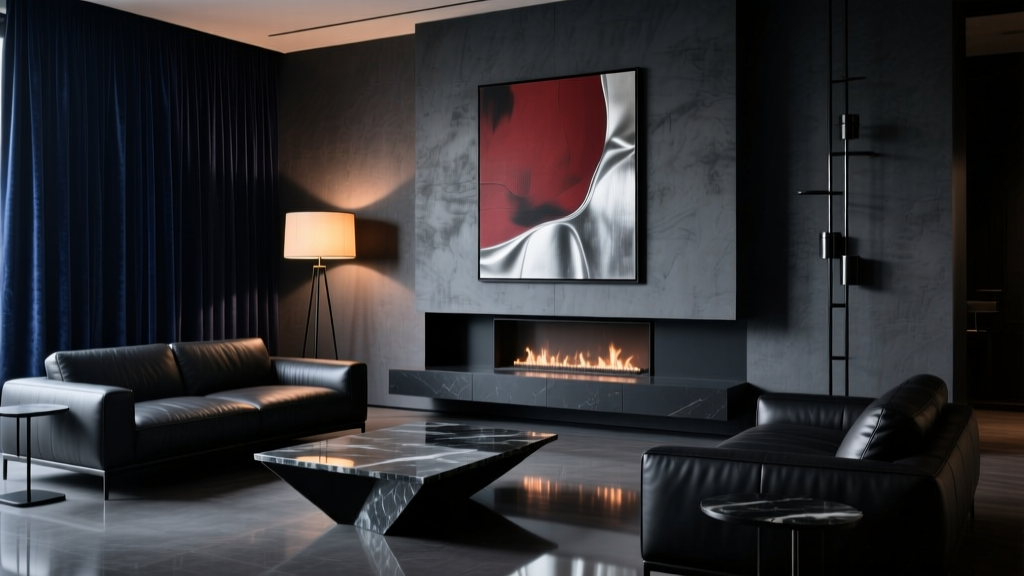 Living Room Dramatic Dark Moody Design - The Decor Mag
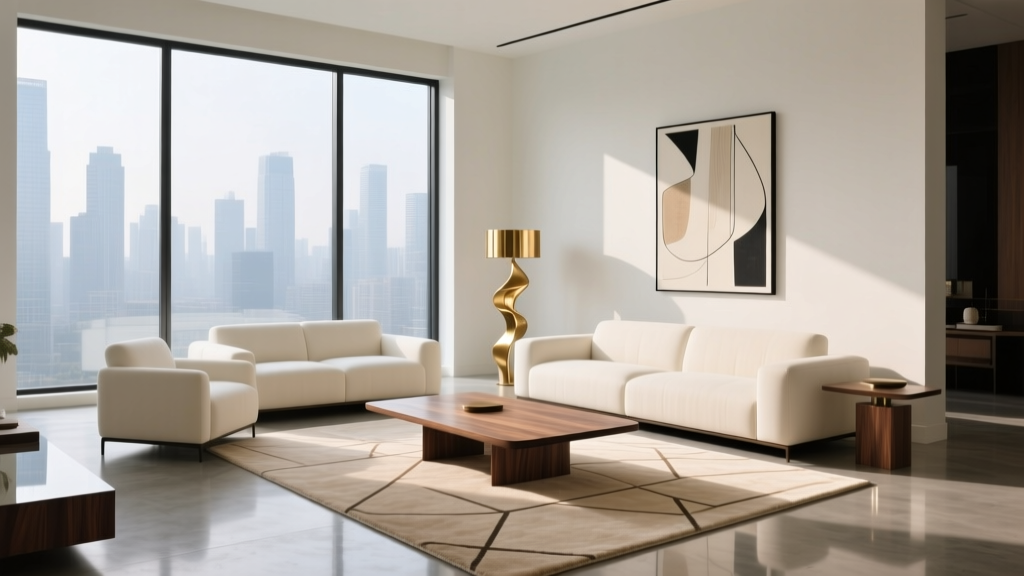 Luxury Living Room Design Trends - The Decor Mag
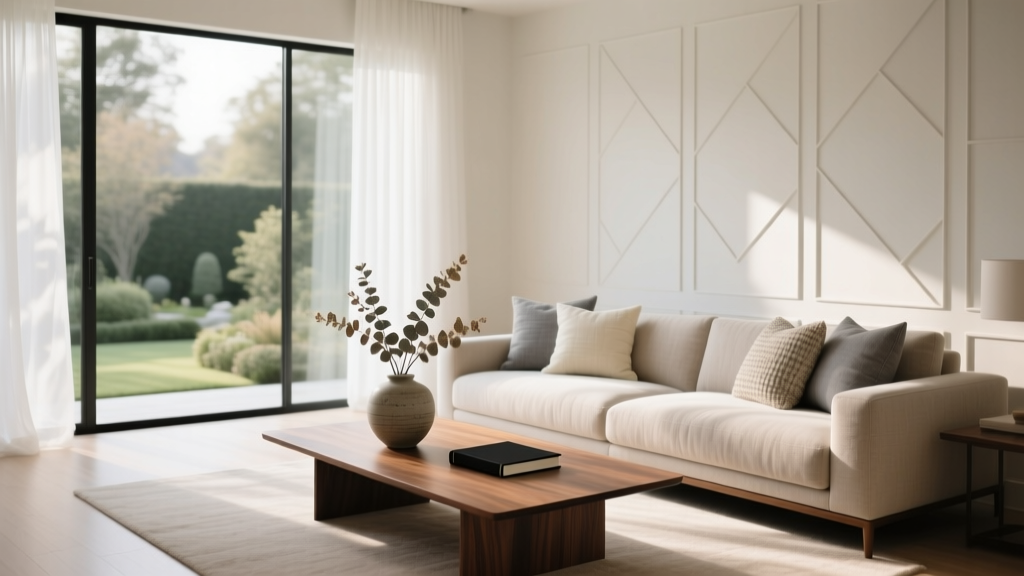 Living Room Refined Elegance Tips - The Decor Mag
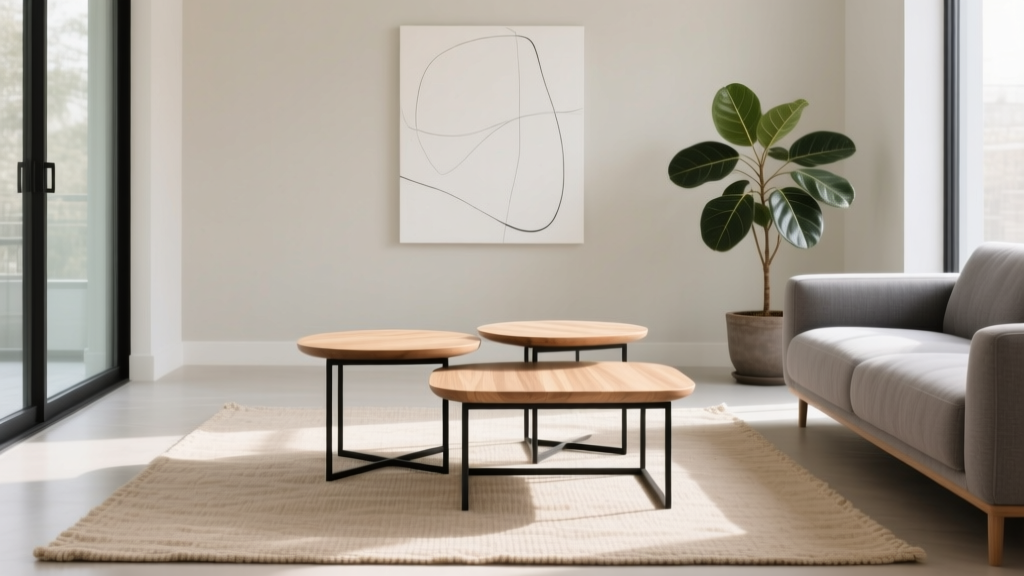 Best Nesting Table Arrangements - The Decor Mag
 Scandinavian Living Room Design Essentials - The Decor Mag
 Elegant Traditional Living Room Ideas - The Decor Mag
 Mix Wood Tones in Living Room Furniture (2026)