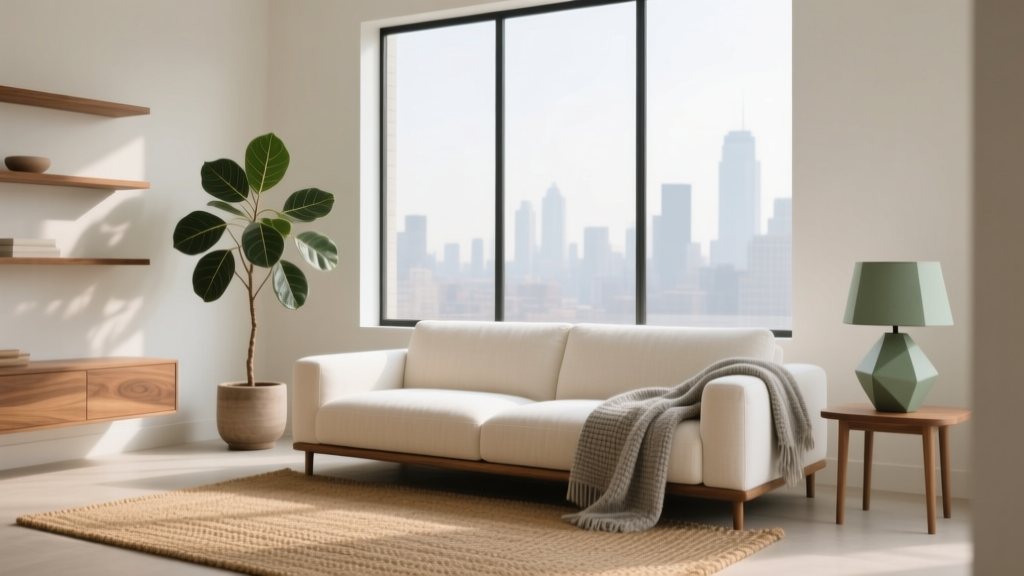
Budget-Friendly Living Room Makeover Ideas - The Decor Mag
A living room is where real life happens—movie nights, quick catch-ups, working from the couch, kids’ playtime, and those “we should host more” evenings that actually turn into something. Because it’s such a high-traffic, high-visibility space, even small changes can make your whole home feel more pulled together.
The good news: a living room makeover doesn’t have to mean new furniture, custom built-ins, or a big renovation budget. With a plan, a few smart purchases, and a little styling know-how, you can refresh your space for anywhere from $100 to $1,500 depending on what you tackle. This guide breaks down the most impactful, budget-friendly living room design upgrades—whether you’re a homeowner investing long-term or a renter looking for removable, non-permanent solutions.
You’ll learn practical steps (with measurements), affordable product ideas, current decor trends that won’t feel dated next year, and common mistakes to avoid—so your living room looks intentional, comfortable, and you.
Start With a Plan: What to Measure, What to Keep, What to Buy
Before you buy a single pillow, set yourself up for success with a quick “mini design brief.” This takes 20 minutes and saves money by preventing impulse buys that don’t fit.
Step 1: Measure the room (and the furniture you already own)
- Rug zone: Measure the seating area (sofa length + the space to the opposite seating). Most living rooms do best with an 8' x 10' rug, or 9' x 12' for larger spaces. Small rooms can use 5' x 8' if furniture proportions are petite.
- Wall space: Measure the wall behind the sofa and the wall where your TV or focal point sits.
- Walkways: Aim for 30–36 inches for major pathways; 18 inches is comfortable between a coffee table and sofa.
- TV height: A common target is placing the center of the screen around 42 inches from the floor (adjust for seating height and personal comfort).
Step 2: Decide what stays
Choose one “anchor” to keep—usually the sofa, a favorite chair, or the TV console. Let everything else be flexible.
Step 3: Pick a simple color story
A budget makeover looks more expensive when it’s cohesive. Try a classic 60-30-10 approach:
- 60% main neutral (warm white, greige, soft taupe)
- 30% secondary color (sage, dusty blue, charcoal, clay)
- 10% accent (black, brass, terracotta, deep green)
Budget range for planning tools: $0–$20 (painter’s tape, measuring tape, a sample pot of paint).
High-Impact, Low-Cost Changes That Transform a Living Room
1) Paint: The fastest “new room” feeling
Paint is still the best value in home decor. One weekend can shift a room from tired to tailored.
- Wall color ideas (timeless + on-trend): warm whites, mushroom taupes, muted greens, and soft earthy beiges—colors that support today’s “calm cozy” trend without locking you into a fad.
- Finish: eggshell or satin for walls (easy to wipe), flat for ceilings.
- Paint quantity: A gallon typically covers 350–400 sq ft. Most living rooms need 1–2 gallons, depending on color change and prep.
Budget range: $40–$150 for paint and supplies. Renter option: focus on styling + lighting if you can’t paint, or use removable wallpaper on a single wall.
2) Lighting: Swap the “builder basic” for layered glow
Lighting is the difference between “fine” and “finished.” A single overhead light makes most living rooms look flat. Layer your light sources:
- Ambient: ceiling fixture or floor lamp
- Task: reading lamp by the sofa
- Accent: table lamp, picture light, or LED strip behind the TV/console
- Bulb temperature: choose 2700K for warm, cozy light. Avoid mixing too many temperatures in one room.
- Lumens guide: aim for 1,500–3,000 lumens total in an average living room (spread across multiple lamps).
- Easy upgrade: add dimmable smart bulbs or plug-in dimmers for instant mood control.
Budget range: $30–$300 (one floor lamp + two warm bulbs can change everything).
3) Rugs: Anchor the room and make it feel intentional
A properly sized rug is one of the most common “why does this feel off?” fixes in living room design.
- Placement rule: front legs of the sofa and chairs should sit on the rug. Ideally, all legs do in larger spaces.
- Size shortcuts:
- Apartment living room: 8' x 10' is often the sweet spot
- Small seating area: 5' x 8' can work if furniture is scaled down
- Large open-plan: 9' x 12' or layer a smaller rug over a larger jute
- Materials that perform: polypropylene (budget + durable), washable rugs for pets/kids, wool blends for a richer look.
Budget range: $80–$450. Trend note: vintage-inspired patterns and textured neutrals are everywhere right now—and both hide wear well.
4) Curtains: Add height, softness, and a designer finish
Window treatments are a renter- and budget-friendly upgrade that instantly makes a living room look more polished.
- Hang high and wide: mount the rod 4–8 inches above the window frame (or closer to the ceiling for extra height). Extend the rod 6–12 inches beyond each side of the window.
- Length: panels should “kiss” the floor or hover 1/2 inch above it.
- Panel fullness: total curtain width should be 2x the window width for a full look.
- Fabric: linen-look polyester for an airy feel; velvet for drama and warmth; blackout linings for glare control.
Budget range: $40–$250 (rod + two panels). Renter tip: use removable hooks or tension rods where appropriate.
Furniture Refresh Without Buying All-New Furniture
Rearrange for better flow (free, and often the biggest win)
Try this simple layout reset:
- Float the sofa slightly off the wall if space allows (2–6 inches can make a difference).
- Center the seating around a focal point (TV, fireplace, large window, or statement art).
- Keep a clear path through the room (30–36 inches).
Real-world scenario: In a narrow rental living room, pushing all furniture to the walls can make the center feel empty and awkward. Pulling the sofa forward by even 4 inches and adding a slim console table behind it creates a “designed” zone and adds a spot for a lamp—without losing space.
Update what you touch: hardware, legs, and surfaces
- Replace furniture legs: Many sofas and chairs have screw-in legs. Swapping to tapered wood or matte black legs modernizes the silhouette. Budget: $25–$80.
- Upgrade cabinet pulls: If your TV stand has dated hardware, switch to black or warm brass. Budget: $15–$60.
- Refinish a coffee table: Sand and stain for a natural “Scandi” look, or paint in satin black for contrast. Use a durable topcoat (water-based polyurethane). Budget: $20–$70.
Slipcovers and upholstery “cheats”
If your sofa is still comfortable but looks tired, you have options:
- Stretch slipcovers: best for simple silhouettes; choose textured weaves for a less “tight cover” look. Budget: $35–$150.
- Sofa throws layered intentionally: use a large throw (around 50" x 70" or bigger) and drape it consistently, not randomly.
- Peel-and-stick leather patches for small areas of damage on faux leather. Budget: $10–$30.
Decor That Looks Expensive (Even on a Tight Budget)
Style with the “rule of three” and varied heights
Professional-looking styling usually comes down to scale and grouping.
- Group decor in threes (or fives) with different heights.
- Mix materials: something matte (ceramic), something reflective (metal/glass), and something organic (wood/stone).
- Leave breathing room—negative space reads elevated.
Throw pillows: fewer, larger, and more coordinated
Instead of buying a lot of small pillows, go for fewer, better-sized ones:
- For a standard sofa: two 22" x 22" pillows + two 20" x 20" + one lumbar (12" x 20") looks balanced.
- Inserts: feather or down-alternative inserts sized 2 inches larger than the cover for a full, “choppable” look.
- Budget range: $60–$200 for a cohesive set if you mix affordable covers with a couple of quality inserts.
Wall art: go bigger than you think
Undersized art is one of the most common living room decor issues. Use these guidelines:
- Over a sofa: art should be about 2/3 the sofa’s width.
- Height: hang so the center of the piece is around 57–60 inches from the floor (gallery standard), adjusting for low ceilings or tall furniture.
- Affordable sources: printable art in large frames, thrifted frames with new mats, oversized canvas drops, or a DIY abstract using plaster-texture paint.
Budget range: $30–$250 depending on frame size. Tip: a large frame (even with simple art) often looks more high-end than multiple small frames scattered around.
Add greenery (real or faux) for instant life
- Best “hard to kill” plants: snake plant, pothos, ZZ plant.
- Scale tip: choose one medium-to-tall plant (floor pot 10–14 inches wide) rather than several tiny plants that can look cluttered.
- Budget range: $20–$120.
Smart Shopping: Where to Save vs. Where to Splurge
Save on:
- Decor accents (vases, trays, candleholders)
- Side tables (thrift, marketplace, or flat-pack options)
- Pillow covers (swap seasonally without replacing inserts)
- Rugs in high-traffic homes (washable or durable synthetics)
Splurge (strategically) on:
- Lighting (a statement floor lamp or quality table lamp elevates everything around it)
- Rug pad (prevents slipping, makes rugs feel thicker, extends rug life). Budget: $25–$80.
- Sofa comfort (if you replace anything big, prioritize the seat you use daily)
Real-world scenario: A couple in a first apartment kept their budget sofa but upgraded the living room with a larger rug (8' x 10'), linen-look curtains hung near the ceiling, and two matching lamps with warm 2700K bulbs. Total spend: about $420. The room instantly looked “adult” without buying a new couch.
Trend-Forward (But Timeless) Budget Updates
- Warm, earthy neutrals: creams, camel, clay, and soft browns replacing cool gray.
- Curved shapes: arched mirrors, round coffee tables, and curved lamps soften boxy rooms.
- Natural textures: boucle accents, linen-look curtains, jute layers, light oak tones.
- Mixed metals: matte black + warm brass can coexist when repeated 2–3 times.
- “Quiet luxury” styling: fewer items, better scale, more texture—this is a trend that’s really a timeless principle.
Common Mistakes to Avoid (So Your Money Doesn’t Go to Waste)
- Buying a rug that’s too small: It makes furniture look like it’s floating. Size up whenever possible.
- Hanging curtains too low: Rods placed right on the window frame shrink the room visually. Go higher and wider.
- Using only overhead lighting: Add at least two lamps for a warm, layered look.
- Cluttered surfaces: Too many small items read messy, not styled. Group items on trays and leave empty space.
- Ignoring scale: Tiny art over a large sofa, or a huge coffee table in a tight room, will always feel “off.”
- Chasing micro-trends: If you love it, go for it—but for budget makeovers, choose classics for big-ticket items and trends for swap-able decor.
FAQ: Budget-Friendly Living Room Design
How can I update my living room with $100?
Focus on the highest-visibility, smallest-ticket items: new pillow covers ($30–$50), warm 2700K bulbs ($10–$20), a larger piece of wall art or a thrifted frame ($20–$40), and decluttering/restyling with a tray or basket ($15–$30). Rearranging furniture is free and often the most impactful.
What’s the best budget-friendly alternative to a new sofa?
A tailored slipcover or a structured throw + new pillow inserts can dramatically improve how a sofa looks. If the cushions are sagging, consider replacing foam inserts (often cheaper than replacing the entire sofa) or adding a supportive board under the cushions.
What rug size should I get for my living room?
Most living rooms look best with an 8' x 10' rug, placed so the front legs of the sofa and chairs sit on it. If you’re deciding between sizes, going larger usually looks more polished and makes the room feel bigger.
How do I make a rental living room look nicer without painting?
Use removable upgrades: high-hung curtains, plug-in lighting, peel-and-stick wallpaper on one wall or behind shelves, a large rug, and cohesive decor in a consistent color palette. Swap hardware on removable pieces (like a media console) if your lease allows.
Where should I place lamps in a living room?
Place at least one lamp near the sofa for reading (ideally with the bottom of the shade around eye level when seated) and another on the opposite side of the room to balance light. If you have a TV wall, adding a lamp on the console reduces harsh contrast at night.
How do I make my living room look more expensive on a budget?
Prioritize scale and cohesion: bigger art, properly hung curtains, a correctly sized rug, warm layered lighting, and fewer decor items with more texture. Matching bulb temperature (2700K) and adding a rug pad are surprisingly “luxury” upgrades.
Your Next Steps: A Simple Weekend Makeover Checklist
If you want a clear starting point, use this order of operations—designed to deliver the most “wow” for the least spend:
- Declutter and edit surfaces (keep 30–40% of shelves and tabletops empty).
- Rearrange furniture for flow and conversation (maintain 30–36" pathways).
- Upgrade lighting (add 2 lamps + 2700K bulbs; consider dimmers).
- Right-size the rug and add a rug pad.
- Hang curtains high and wide for instant height.
- Finish with styling: pillows (22"), a throw, one larger art piece, and a plant.
A budget-friendly living room makeover works best when you focus on the fundamentals—layout, lighting, scale, and texture—then layer in personality with art and accessories. Pick two upgrades you can do this weekend, and you’ll feel the momentum right away.
Looking for more living room design and decor inspiration? Explore more ideas, trend updates, and styling guides on thedecormag.com.
More Articles
 Best Ottoman Sizing for Coffee Table Replacement (2026)
 Living Room Elevated Casual Design - The Decor Mag
 How to Create a Warm Inviting Living Room - The Decor Mag
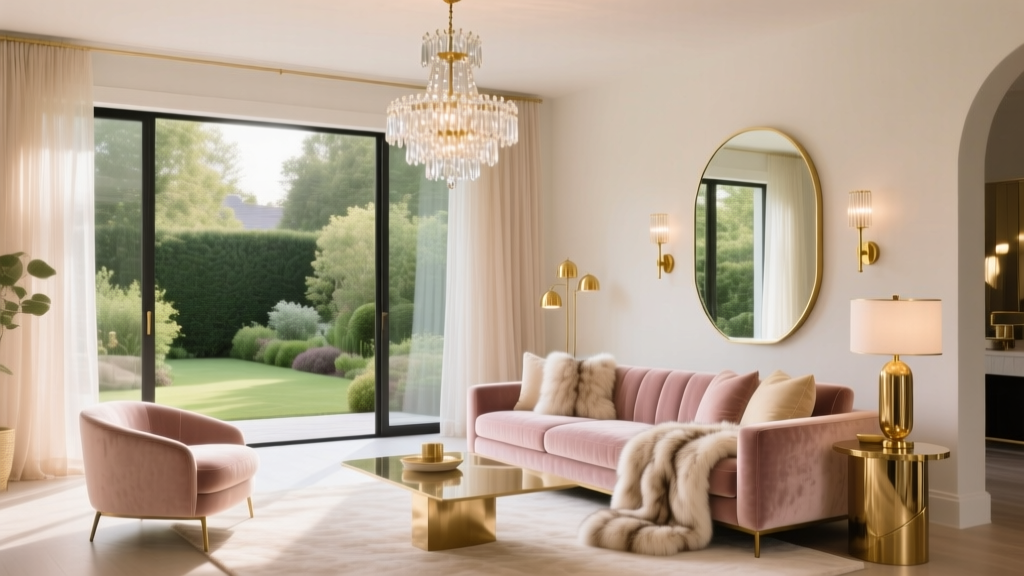 Living Room Soft Glam Decor Tips - The Decor Mag
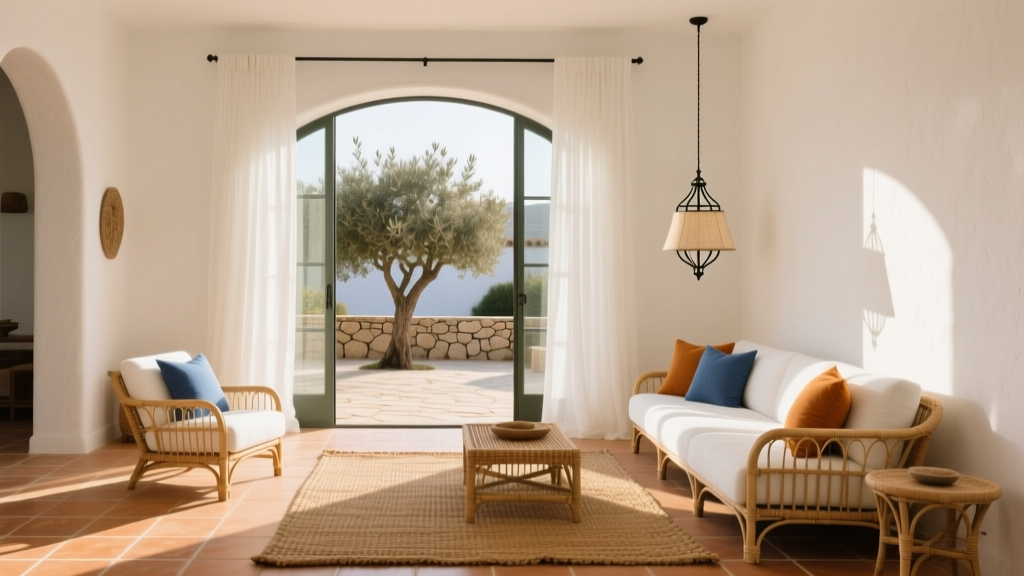 Living Room Mediterranean Design Elements - The Decor Mag
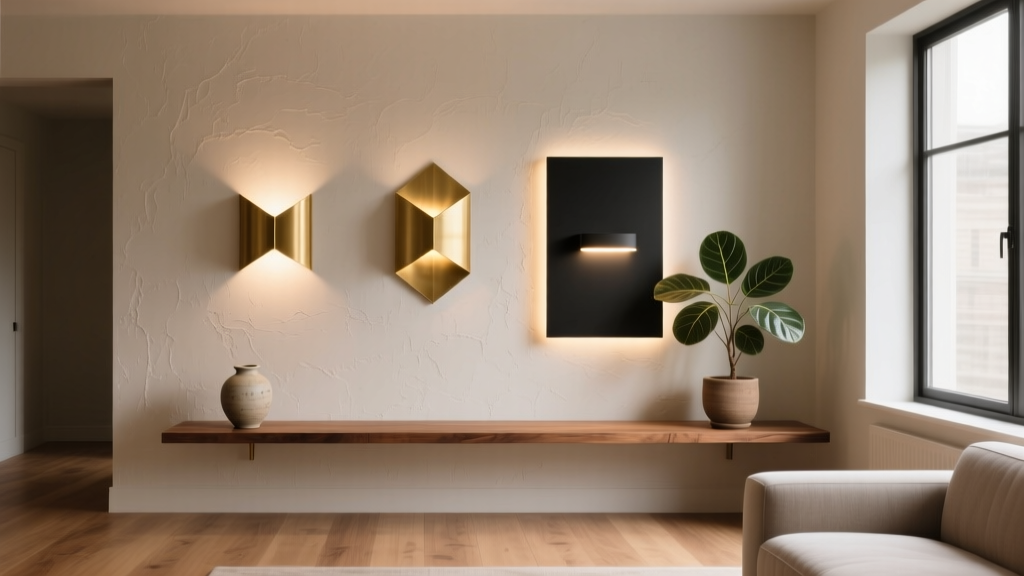 Best Sconce Lighting for Living Room Walls - The Decor Mag
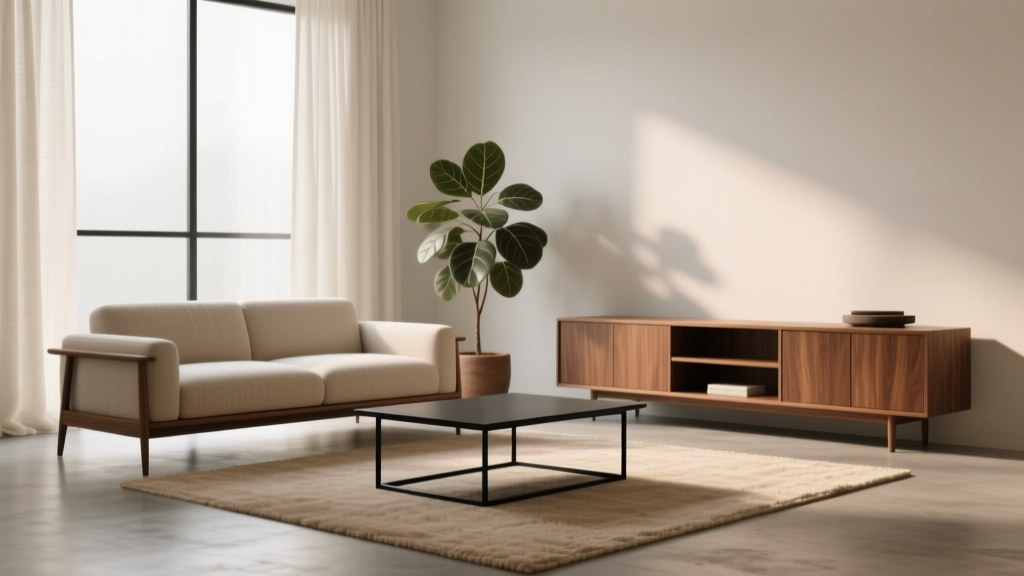 Living Room Transitional Furniture Guide - The Decor Mag
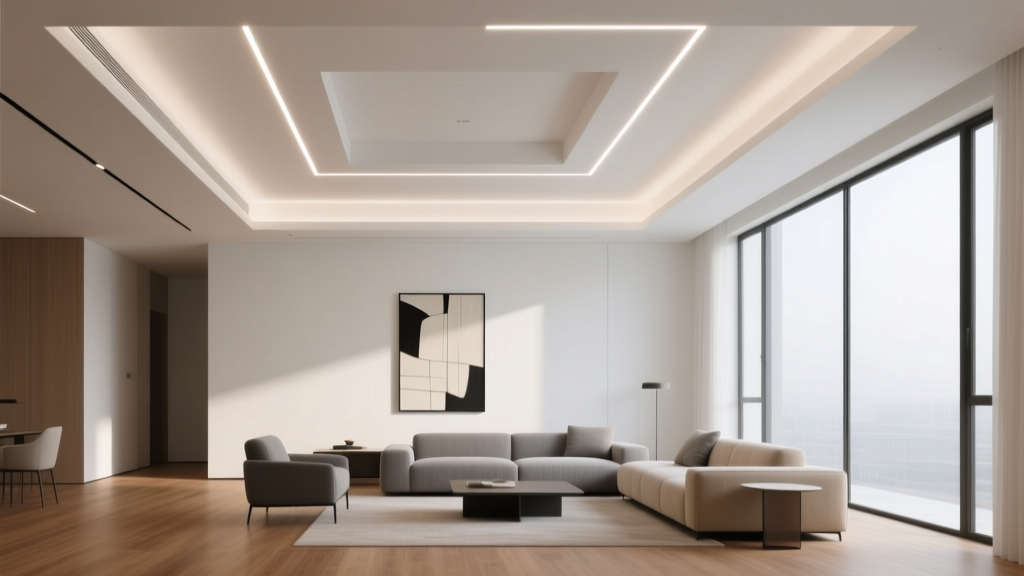 Living Room Ceiling Design Inspiration - The Decor Mag
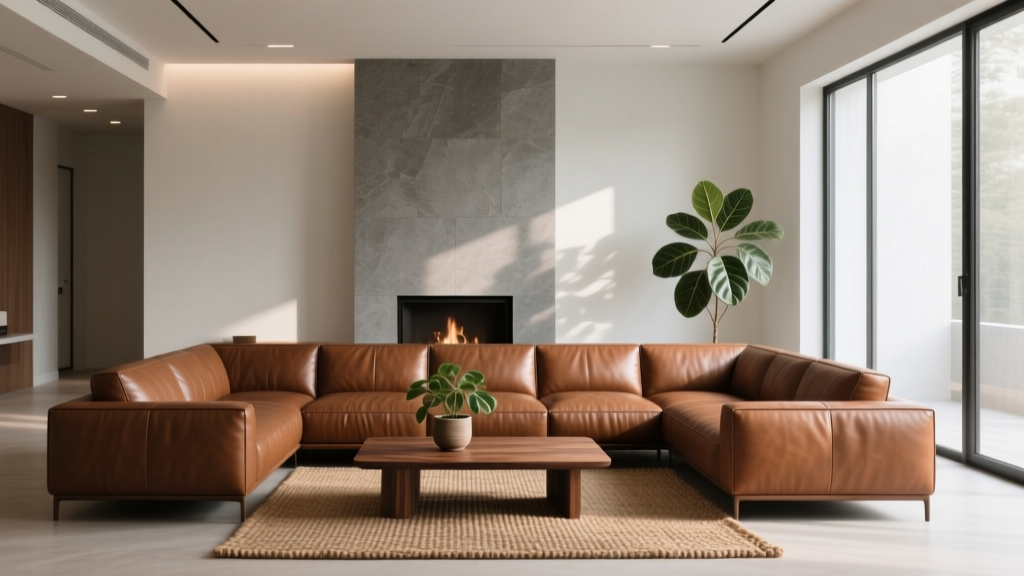 Leather Furniture for Living Rooms (2026)
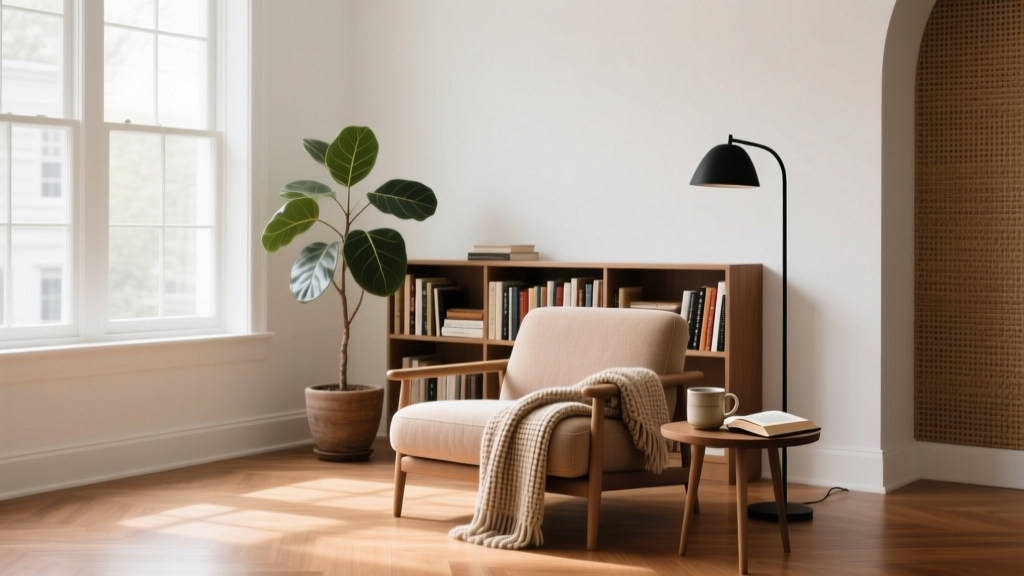 Reading Nook Ideas for Living Rooms (2026)