# Non-Toxic Paint Guide: Safe Colors for Every Room
Choosing the right paint for your home should never come at the cost of your family's health. For decades, conventional paints have released volatile organic compounds (VOCs), formaldehyde, and heavy metals into the air we breathe—sometimes for years after application. After over a decade researching sustainable living practices, I can share good news: we now have access to beautiful, high-performing paints that are genuinely non-toxic, low-odor, and kinder to both indoor air quality and the planet.
In this guide, I'll walk you through selecting safe paint—from understanding certifications to choosing the perfect non-toxic colors for every room.
## Understanding VOCs and Why They Matter
Volatile organic compounds, or VOCs, are carbon-based chemicals that evaporate at room temperature. In paints, they act as solvents keeping the product liquid until applied, then off-gas into your home's air as the paint dries. Common VOCs include benzene, toluene, xylene, and formaldehyde—all linked to respiratory irritation, headaches, hormonal disruption, and cancer.
The EPA has found indoor air can be two to five times more polluted than outdoor air, with fresh paint as a major contributor. Even low-VOC labeled paints can emit harmful levels during curing, which lasts weeks or months. For households with children, pregnant individuals, or anyone with chemical sensitivities, the stakes are especially high.
## What Makes a Paint Truly Non-Toxic?
Not all green paints are equal. A genuinely non-toxic paint meets several criteria:
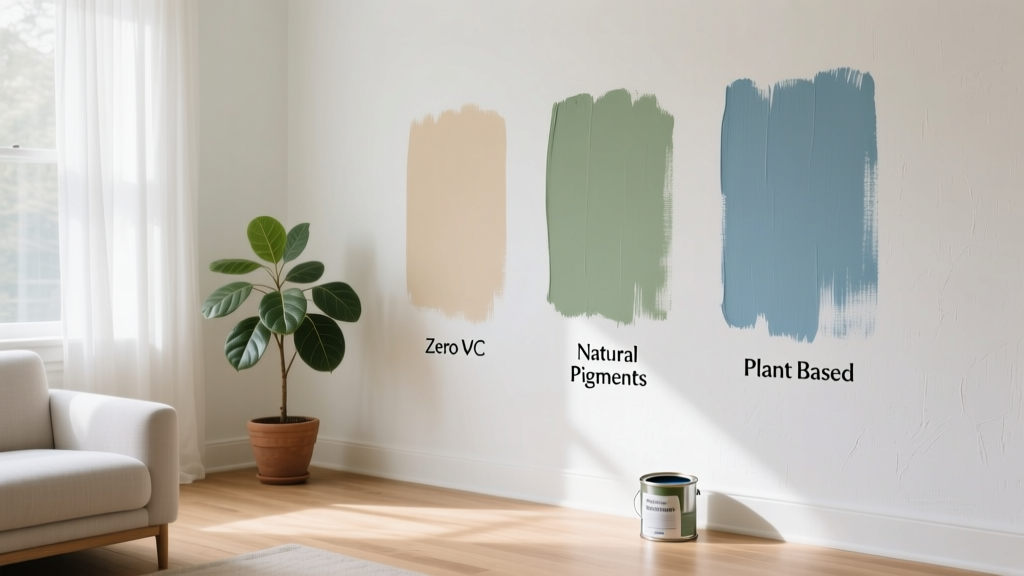
**Zero or near-zero VOC content:** Look for paints below 5 grams per liter. Truly zero-VOC paints contain less than 1 g/L. Note that even zero-VOC bases may have trace VOCs added with colorants.
**No added biocides or preservatives:** Many conventional paints contain isothiazolinones and formaldehyde-releasing preservatives. Natural alternatives use plant-based preservatives or silver-ion technology.
**Transparent ingredient disclosure:** Reputable brands publish full ingredient lists. If a company won't tell you what's inside, walk away.
**Sustainable sourcing:** The best eco-friendly paints use renewable ingredients like clay, chalk, natural resins, and plant oils rather than petroleum-derived chemicals.
**Third-party certifications:** Look for seals from GreenGuard Gold, Cradle to Cradle, USDA BioPreferred, and the Declare Label.
## Key Certifications to Look For
**GreenGuard Gold:** The gold standard for indoor air quality, testing for over 360 VOCs with limits suitable for sensitive populations including children and the elderly.
**Cradle to Cradle Certified:** Evaluates material health, reuse, renewable energy, water stewardship, and social fairness. Silver or above ratings indicate excellent choices.
**Declare Label:** A nutrition label for building products from the International Living Future Institute, providing full ingredient transparency and Red List compliance assessment.
**USDA Certified Biobased:** Verifies the percentage of a product derived from renewable biological ingredients.
Multiple certifications on a product signal genuine commitment to sustainability rather than greenwashing.
## Top Non-Toxic Paint Brands
After years of testing, these are the brands I consistently recommend:
**ECOS Paints:** A leader in zero-VOC formulations with an extensive color palette and GreenGuard Gold certification. Available in matte, eggshell, satin, and gloss finishes.
**BioShield:** Specializes in natural clay and milk paints from casein, citrus oil, and earth pigments. Their clay paints create soft, breathable finishes perfect for bedrooms and living areas.
**AFM Safecoat:** Developed by a medical doctor for chemically sensitive individuals. Their Zero-VOC line is among the cleanest on the market—ideal for nurseries.
**The Real Milk Paint Co.:** Authentic, food-grade formulations safe enough for children's toys and furniture. Mix powder with water for a beautiful matte finish.
**Claypaint by Earthborn:** Free of VOCs, acrylics, and vinyl. Creates a stunning matte finish with natural mold resistance, ideal for older homes and humid climates.
**Romabio:** Mineral-based silicate paints that are fire-resistant and bond chemically with masonry and plaster for a finish lasting decades.
## Room-by-Room Color Guidance
Choosing colors for a healthy home involves how light, function, and mood interact in each space:
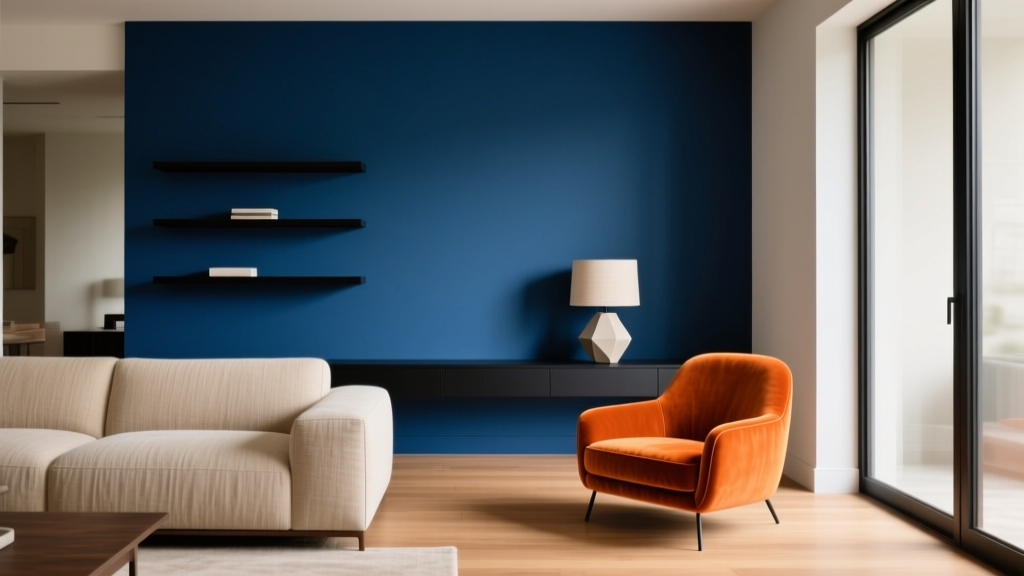
**Living Room:** Warm neutrals and earth tones promote comfort. Soft terracotta, warm greige, muted sage, and creamy ivory work beautifully. ECOS Paints' Canvas or Terracotta Path are excellent. For bold statements, try deep forest green on an accent wall.
**Bedroom:** Cool, muted tones promote better sleep. Soft blues, lavender grays, and gentle greens create restful atmospheres. BioShield's Mountain Air and Wildflower are gorgeous. Avoid bright reds and oranges that stimulate the nervous system.
**Kitchen:** Clean whites and bright accents make kitchens feel larger and hygienic. Earthborn's Clay White is warm without feeling clinical. Use semi-gloss or satin finishes for easy cleaning.
**Bathroom:** Think spa serenity: soft seafoam, warm sand, pale eucalyptus, and misty blue. ECOS Paints' Ocean Mist and Sea Glass create tranquil spaces. Choose paints with natural mold resistance and ensure ventilation.
**Nursery:** Non-toxic paint here is essential. Soft peach, pale mint, buttery yellow, and creamy white soothe. AFM Safecoat's Linen and Cloud are top picks. Avoid dark or overstimulating colors.
**Home Office:** Soft blues and greens enhance focus. BioShield's Focus Blue and Earthborn's Stone Harbor excel. Add an accent wall in charcoal or deep teal for visual interest.
## Application Tips for Non-Toxic Paint
**Prep matters more:** Natural paints lack harsh chemical adhesion promoters, so thorough surface preparation is critical. Sand glossy surfaces and use compatible natural clay primer on porous walls.
**Watch temperature and humidity:** Aim for 60-80F and moderate humidity. Avoid direct sunlight and extreme weather swings during application.
**Stir thoroughly:** Natural pigments settle more than synthetic ones. Stir well before and during application for even distribution.
**Expect different drying:** Milk and clay paints dry through evaporation, not chemical curing. They feel dry within hours but reach full hardness over days. Wait before cleaning.
**Always test first:** Natural pigments interact with light differently. Test your color in the actual room before committing.
## The Economics of Going Non-Toxic
Premium non-toxic paints cost 20-50% more upfront, but several factors narrow the gap:
**Better coverage:** Many zero-VOC paints offer superior coverage, reducing coats needed.
**Greater durability:** Mineral and clay paints last decades without fading, extending repaint cycles.
**Health benefits:** Reduced chemical exposure means fewer respiratory issues—valuable for vulnerable household members.
**Resale value:** Homes with documented sustainable materials attract health-conscious buyers.
Viewed as a long-term investment in health and durability, the price premium is sensible.
## The Future of Healthy Home Interiors
The non-toxic paint movement reflects a broader shift toward healthier living spaces. Innovations include paints from agricultural waste, food-grade colorants, and air-purifying formulations breaking down indoor pollutants. Major manufacturers are reformulating in response to consumer demand.
## Final Thoughts
Switching to non-toxic paint is one of the most impactful home changes you can make. It touches every person walking through your door, every breath you take, and every child playing on your floors. With safer chemistry, beautiful natural colors, and accessible options, there has never been a better time.
Start small—a single room or accent wall. As you experience the difference in air quality, you will reach for non-toxic paint every time. Your home is your sanctuary. Make it healthy.
*Elena Rodriguez is a sustainable living consultant based in Portland, Oregon. She has advised homeowners on eco-friendly building practices for over ten years and is a certified Green Building Professional.*
 Exposed Beams Living Room Decor (2026)
 Best Wall Sconce Wiring Options - The Decor Mag
 Living Room Bold Color Accent Ideas - The Decor Mag
 Best Living Room Focal Point Ideas for 2026
 Curtains for Living Rooms: Best Choices (2026)
 Pendant Light Height Above Coffee Table (2026)
 Hardwood vs Engineered vs Laminate Living Room Floors
 Drapery Hardware for Living Rooms (2026)
 Best Living Room Color Guides for Harmony in 2026
 Industrial Chic Living Room Inspiration - The Decor Mag