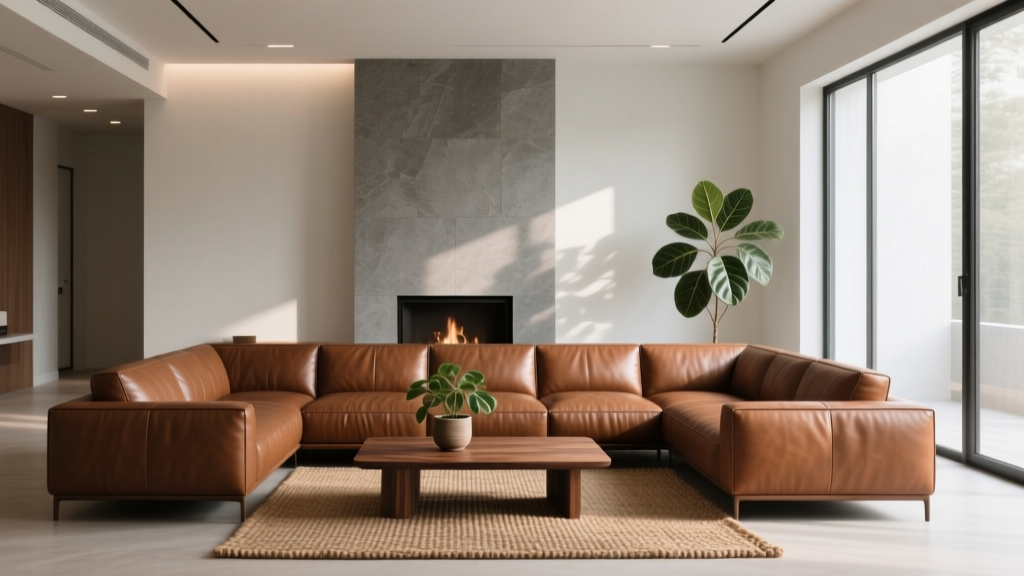
Leather Furniture for Living Rooms (2026)
Leather furniture has a reputation for being both luxurious and livable—and when it’s used thoughtfully, it can anchor a living room in a way few materials can. A leather sofa or chair brings instant structure, warmth, and character, whether your style leans modern, traditional, rustic, or somewhere in between. It also happens to be one of the most practical upholstery choices for high-traffic homes because it resists odors, doesn’t cling to pet hair like many fabrics, and often looks better with age.
The challenge is that leather can feel “too heavy,” “too masculine,” or “too formal” if the rest of the room doesn’t balance it out. That’s where design strategy comes in. You’ll learn how to choose the right type of leather, scale and color for your space, then layer in textiles, lighting, and accessories so the room feels inviting—not like a showroom.
Below are designer-approved ways to use leather furniture in living rooms, including practical measurements, layout guidance, budget ranges, real-world scenarios, and the most common mistakes to avoid.
Why Leather Works in Living Room Design (and When It Doesn’t)
Leather is a “structure material.” In living room decor, it adds:
- Visual weight and grounding (great for open-concept rooms that need definition)
- Texture with depth (especially in an otherwise neutral palette)
- Durability (a smart choice for everyday seating)
- Timeless appeal (leather spans mid-century modern, traditional, industrial, and contemporary styles)
Leather may be a less ideal fit if:
- Your living room gets direct, intense sunlight all day (risk of fading and drying)
- You strongly prefer a soft, sink-in feel—some leathers feel cool or firm at first
- You’re extremely sensitive to temperature (leather can feel cool in winter, warm in summer—though throws and breathable cushions help)
Choose the Right Leather: Types, Finishes, and What They Mean for Your Home
Leather Grades and Practical Pros/Cons
- Full-grain leather: Most durable, develops patina, shows natural markings. Ideal for long-term investment pieces. Typically $2,500–$7,000+ for a sofa.
- Top-grain leather: Slightly sanded for consistency, still high quality and durable. Great everyday choice. Often $1,800–$5,500 for a sofa.
- Genuine leather: A broad term; can be lower-grade splits. Not automatically “bad,” but quality varies widely. Often $900–$2,500.
- Bonded leather: Leather scraps mixed with polyurethane. Budget-friendly but prone to peeling. Often $400–$1,200. Best avoided for primary seating.
Finish Matters: Aniline vs. Semi-Aniline vs. Pigmented
- Aniline: Buttery, natural look; stains and scratches more easily. Best for adults-only spaces or low-traffic living rooms.
- Semi-aniline: A protective topcoat makes it more forgiving while keeping a natural feel. One of the best choices for most households.
- Pigmented/protected: Most uniform color, most stain-resistant. Excellent for kids and pets, slightly less “luxury patina” vibe.
Material recommendation: For busy living rooms, aim for top-grain, semi-aniline (or protected) leather. It balances beauty and resilience.
Find the Right Piece: Sofa, Sectional, Chair, or Ottoman?
Leather Sofa: The Classic Anchor
If you want one statement piece that instantly elevates the room, a leather sofa is it. The key is picking a silhouette that matches your living room style:
- Mid-century modern: Slim arms, tapered legs, bench cushions
- Contemporary: Low profile, clean lines, wide track arms
- Traditional: Rolled arms, nailhead trim, deeper seat
- Industrial: Tufting, metal legs, rich tones like cognac or oxblood
Leather Sectional: Best for Open Layouts and Lounging
A sectional solves two common living room problems: awkward open spaces and the need for more seating. It can also define zones in open-concept living room design.
Measurement tip: Leave 36 inches for main walkways. In tighter rooms, 30 inches can work if traffic is light. Keep 16–18 inches between the sectional and coffee table.
Leather Accent Chair: Low Commitment, High Impact
If you’re hesitant about leather, start with a chair. A leather accent chair adds a polished touch without dominating the room.
- Try a cognac leather chair in a neutral living room for warmth
- Use a black leather chair to add contrast in an all-white space
- Choose a camel or saddle tone to complement natural wood finishes
Leather Ottoman or Pouf: The Easiest Styling Win
A leather ottoman adds texture and function, and it pairs well with fabric sofas. It’s also a renter-friendly way to incorporate leather without a major investment.
Sizing tip: For an ottoman used as a coffee table, aim for a height within 1–2 inches of your sofa seat height.
Color Strategy: How to Pick a Leather Tone That Works
Leather color affects the entire mood of your living room decor. Here’s how to choose wisely.
Timeless Leather Colors
- Cognac / saddle: Warm, welcoming, works with modern and rustic styles
- Chestnut / espresso: Traditional, cozy, hides wear well
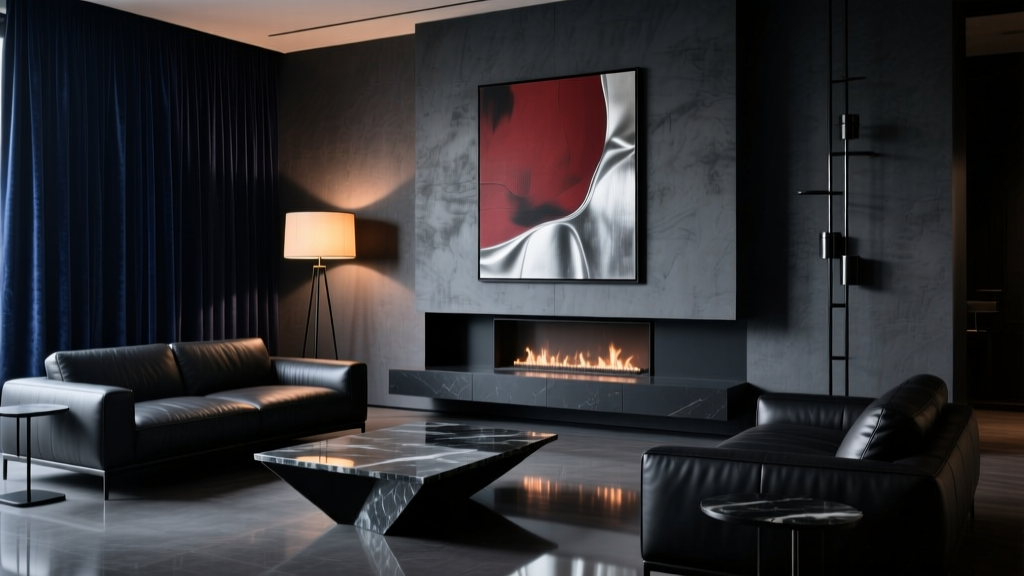
- Black: Sleek, urban, high contrast—best balanced with softer textures
- Tan / camel: Light and airy, ideal for Scandinavian and coastal living rooms
On-Trend (But Still Livable) Leather Colors
- Warm taupe and mushroom: A softer alternative to gray; very current in modern organic interiors
- Oxblood / burgundy: A bold classic that feels fresh with cream walls and brass accents
- Olive-toned brown: Subtle, earthy, pairs beautifully with natural woods and stone
Quick rule: If your living room has cool finishes (chrome, gray floors, crisp white walls), choose a leather with cooler undertones (taupe, espresso). If your finishes are warm (oak, brass, creamy paint), go for cognac, camel, or chestnut.
How to Make Leather Feel Cozy: Layering Textiles and Soft Shapes
The most inviting leather living rooms rely on contrast. Leather is smooth and structured—so you’ll want to add softness around it.
Textile Layering Checklist
- Rug: Use a plush or textured rug (wool, wool-blend, or high-quality synthetic). Size it so at least the front legs of your sofa sit on it. For most living rooms, a 8' x 10' is the sweet spot; larger rooms often need 9' x 12'.
- Throw pillows: Mix materials like boucle, linen, velvet, or woven cotton. Aim for 3–5 pillows on a standard sofa, varying sizes (e.g., 22", 20", lumbar).
- Throws: Drape a chunky knit or brushed cotton throw over the arm to soften the look and regulate temperature.
- Curtains: Add linen or textured panels to reduce echo and balance leather’s sleekness.
Shape Balancing
If your leather sofa has boxy lines, add curved elements:
- A round coffee table or oval ottoman
- A curved floor lamp
- Rounded ceramics or sculptural decor
Step-by-Step: Designing a Living Room Around a Leather Sofa
- Start with the sofa placement. Anchor it to a focal point (fireplace, media wall, large window). Avoid floating it randomly—use a rug to define the seating zone.
- Choose a rug that’s large enough. Minimum: front legs on the rug. Ideal: all furniture legs on the rug in spacious rooms.
- Add a coffee table with the right clearance. Keep 16–18 inches between sofa and table for comfortable legroom and movement.
- Layer side tables and lighting. Plan on at least two light sources in the seating area: a floor lamp + table lamp, or a floor lamp + sconces.
- Bring in soft seating. Balance leather with fabric chairs, a boucle accent chair, or upholstered ottomans.
- Finish with art and greenery. Large-scale art (or a gallery wall) adds personality; plants add softness and color.
Real-World Living Room Scenarios (What Works and Why)
Scenario 1: Small Apartment Living Room with a Leather Loveseat
The challenge: Limited square footage and a desire to keep the room light.
The solution: Choose a tan or camel leather loveseat with raised legs (it visually “floats”), pair it with a 6' x 9' rug, and add a round coffee table (36–40 inches) to improve flow. Use a tall bookcase or wall-mounted shelves to add storage without crowding the floor.
Scenario 2: Family-Friendly Living Room with a Leather Sectional
The challenge: Snacks, spills, kids, and a room that gets used all day.
The solution: Pick a protected/top-grain leather sectional in a medium tone (cognac or chestnut hides daily wear). Add a patterned rug to camouflage minor messes. Use washable pillow covers and keep a tray on the ottoman for drinks.
Scenario 3: Open-Concept Living Room Where Leather Defines the Zone
The challenge: A large space that feels undefined.
The solution: Float a leather sofa with a console table behind it (about 10–12 inches narrower than the sofa). Add two accent chairs opposite to create a conversation layout. Use matching table lamps on the console to visually “cap” the zone and make it feel intentional.
Product Recommendations: What to Look for at Different Budgets
Rather than chasing a specific brand, focus on construction and leather quality—those determine longevity and comfort.
Budget-Friendly (Approx. $500–$1,500)
- Look for top-grain leather on seating surfaces (with matched vinyl on sides/back) for better value
- Avoid bonded leather for primary seating if possible
- Choose simpler silhouettes with fewer seams (less chance of premature wear)
Mid-Range (Approx. $1,500–$4,000)
- Prioritize top-grain and semi-aniline/protected finishes
- Look for kiln-dried hardwood frames and high-resiliency foam cushions
- Consider a classic cognac sofa—easy to style across multiple decor updates
Investment (Approx. $4,000–$10,000+)
- Full-grain or premium top-grain leather with a beautiful patina potential
- Benchmade frames, top-tier suspension, and removable seat cushions for maintenance
- Custom sizing or modular pieces to fit your room perfectly
Common Mistakes to Avoid with Leather Furniture
- Going too small (or too bulky) for the room. Measure carefully. A sofa that’s too large blocks circulation; too small looks undersized and “floats” awkwardly.
- Skipping the rug. Leather without a rug often feels echo-y and visually cold. A properly sized rug is the fastest fix.
- Placing leather in harsh direct sun. UV exposure dries and fades leather. Use curtains, UV film, or reposition seating.
- Overdoing matching leather pieces. A full set (sofa + loveseat + chair all matching leather) can feel dated. Mix in fabric and wood for a layered look.
- Choosing a trendy color without a plan. If you love a bold shade, keep walls and rug more neutral so you won’t tire of it quickly.
- Using the wrong cleaners. Avoid harsh chemicals or oils not made for leather. Use a leather-specific cleaner and conditioner as recommended by the manufacturer.
Care and Placement Tips to Keep Leather Looking Great
- Distance from heat sources: Keep leather at least 24–36 inches away from radiators, fireplaces, or heat vents to prevent drying and cracking.
- Conditioning schedule: Condition every 6–12 months (more often in dry climates), using a product made for your leather finish.
- Blot, don’t rub: For spills, blot with a clean cloth. Rubbing can spread stains and damage the finish.
- Rotate cushions: If possible, rotate seat cushions every few months for even wear.
FAQ: Leather Furniture in Living Rooms
Is leather furniture a good choice for homes with pets?
Yes, with the right leather. Choose protected/pigmented or semi-aniline for better scratch and stain resistance. Keep nails trimmed and use throws on favorite pet spots. Avoid delicate aniline in high-traffic pet homes.
What color leather sofa is most versatile?
Cognac and medium brown are among the most versatile for living room design—they work with warm or neutral palettes and pair beautifully with wood, brass, black accents, and a wide range of rugs.
How do I style a leather sofa so it doesn’t feel cold?
Add a textured rug, layered pillows (linen, boucle, velvet), and a throw blanket. Warm lighting (2700K bulbs), curtains, and wood accents also make leather feel cozy and welcoming.
Can I mix leather and fabric furniture in the same living room?
Absolutely—and it often looks more designer. Pair a leather sofa with upholstered accent chairs, or use a leather chair with a fabric sofa. The contrast adds depth and keeps the room from feeling too “matchy.”
How much space should I leave around a leather sectional?
Aim for 36 inches in main walkways, 16–18 inches between seating and the coffee table, and enough clearance so doors, drawers, and pathways function comfortably.
Does a leather sofa work with a modern organic living room style?
Yes. Choose leather in warm taupe, camel, or cognac and pair it with natural textures like wool rugs, linen drapery, light oak, stone, and handmade ceramics. This mix is a strong current trend and also feels timeless.
Your Next Steps: Bring Leather into Your Living Room with Confidence
If you’re ready to incorporate leather furniture in your living room, start by picking one hero piece (often the sofa or an accent chair), then build the room with softness and contrast: a properly sized rug, layered textiles, warm lighting, and mixed materials like wood and metal. Measure your layout before you buy, choose a leather finish that matches your lifestyle, and avoid the “matching set” trap for a more elevated, collected feel.
For more living room design and decor ideas—plus trend-forward inspiration you can actually use—explore our latest guides at thedecormag.com.
More Articles
 Best Ergonomic Reading Furniture Picks (2026)
 2026 Bedroom Design Toolkit: Practical Planner
 Living Room Organic Modern Style - The Decor Mag
 Human-Centered Spatial Design for Modern Living 2026
 Best Modular Furniture for Living Rooms (2026)
 Best Pendant Lighting for Living Rooms - The Decor Mag
 Living Room Decor with Hardwood Floors (2026)
 The Living Room Rug Size Guide: Stop Guessing, Start Styling
 Living Room Dramatic Dark Moody Design - The Decor Mag
 Modern Minimalist Living Room Ideas for 2026 - The Decor Mag