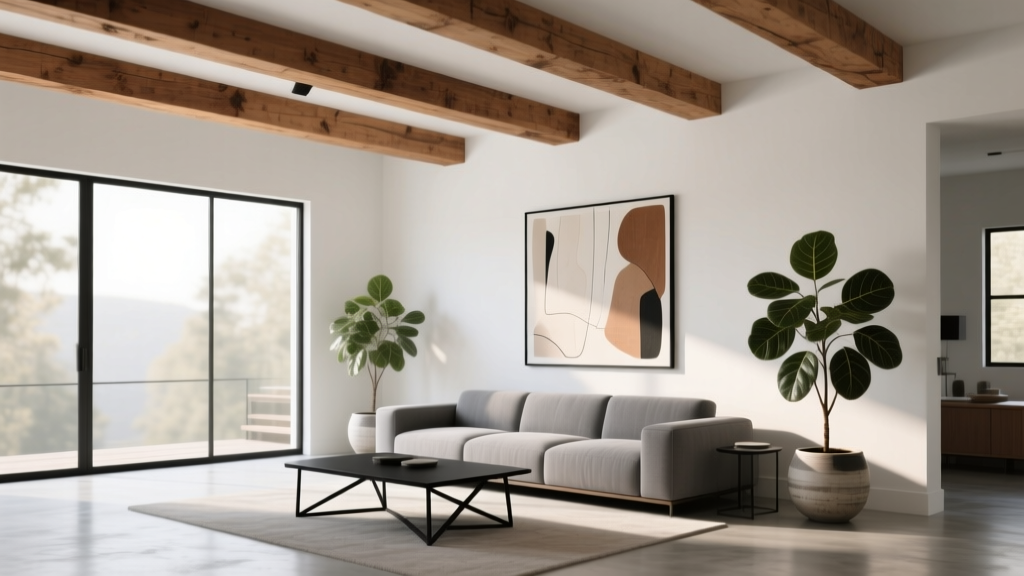
Exposed Beams Living Room Decor (2026)
Exposed ceiling beams change a living room in a way few other architectural details can. They add rhythm, warmth, and instant character—whether your home is a century-old cottage with hand-hewn timbers or a modern rental with decorative faux beams. The flip side is that beams can also dominate the room, making everything else feel like it’s competing for attention if the design isn’t thoughtfully balanced.
This guide breaks down exactly how to decorate a living room with exposed beams so the space feels cohesive, inviting, and intentionally styled. You’ll learn how to choose the right color palette, scale your furniture to the architecture, plan lighting that flatters the ceiling lines, and use textures and accessories that enhance (not distract from) those gorgeous beams.
Along the way, you’ll find practical measurements, material recommendations, realistic budget ranges, and real-world scenarios—from lofty open-concept great rooms to compact living rooms with low ceilings—so you can make confident decisions no matter your layout or style.
Start by Identifying Your Beam Style (and What It Wants to Be)
Not all exposed beams read the same. Before you buy a rug or repaint a wall, take two minutes to assess what you’re working with. Your beam type and finish will guide everything from lighting to furniture scale.
Common beam types and the vibe they create
- Rough-hewn timber beams: Rustic, farmhouse, cabin, heritage, organic modern.
- Smooth stained wood beams: Transitional, traditional, warm contemporary.
- Painted beams (white/black/gray): Coastal, modern, Scandinavian, updated traditional.
- Box beams (hollow decorative beams): Great for newer builds and rentals; can feel modern farmhouse or contemporary depending on finish.
- Steel or faux metal beams: Industrial, modern loft, minimal.
Quick rule: The more textured and visually “busy” the beams are, the more your furnishings should lean calm and clean-lined so the ceiling remains the hero without overwhelming the room.
Balance Visual Weight: Make the Room Feel Grounded
Exposed beams draw the eye upward. If the rest of the living room is too airy—leggy furniture, small rug, minimal window treatments—the room can feel top-heavy. The fix is to build visual weight at eye level and below.
Use the right rug size (this matters more with beams)
A generously sized rug anchors the room and visually “pulls” the space down from the ceiling.
- Most living rooms: 8' x 10' rug for a standard seating area (so at least the front legs of the sofa and chairs sit on it).
- Larger rooms/open concept: 9' x 12' or 10' x 14' to define the conversation zone.
- Small spaces: 6' x 9' can work, but aim for a minimum of 6–8 inches of rug beyond each side of your coffee table.
Choose a coffee table that matches the ceiling’s strength
With bold beams overhead, a delicate side table can look lost. Try a coffee table with substance:
- Recommended height: 16–18 inches (typically 1–2 inches lower than sofa seat height).
- Recommended size: About 2/3 the length of your sofa.
- Materials that pair well: Oak, walnut, reclaimed wood, black metal, honed stone, or a substantial upholstered ottoman.
Pick a Color Palette That Complements the Beams
Exposed beams already set a strong tone. Your palette should either harmonize (warm-with-warm) or create intentional contrast (dark beams + light ceiling). Both can be beautiful; the key is consistency.
Two foolproof approaches
- Harmonize: If beams are warm (oak, pine, walnut), use warm whites, greige, clay, camel, and earthy greens. Metals: aged brass, bronze.
- Contrast: If beams are dark, keep ceilings and most walls light (soft white, pale greige) to prevent heaviness. Add contrast through black accents or deep textiles.
Ceiling color tips (especially for low ceilings)
- Low ceilings with beams: Paint the ceiling a clean warm white (or the same color as the walls) to blur edges and feel taller.
- High ceilings: You can go moodier—creamy off-white, light taupe, or even a soft matte color—while keeping beams visually present.
- Avoid high-gloss: Satin or matte ceilings reduce glare and make beams feel more architectural.
Budget range: Quality interior paint typically runs $40–$90 per gallon. A living room refresh often takes 2–4 gallons depending on coverage and whether you’re painting trim.
Lighting: Use Beams to Your Advantage (Not as an Obstacle)
Lighting is where exposed beams can feel tricky—especially if you’re trying to add overhead fixtures or place recessed lights. The good news: beams can also create stunning opportunities for layered, designer-looking lighting.
Layer your lighting (the designer standard)
- Ambient: A semi-flush mount, chandelier, or carefully placed recessed lights between beams.
- Task: Floor lamp near the sofa or reading chair; table lamps on consoles or side tables.
- Accent: Picture lights, wall sconces, or LED uplighting to graze the beams and add depth.
Practical placement guidelines
- Recessed lighting: Place cans 24–36 inches away from walls for even wash lighting, and align them in the channels between beams for a clean look.
- Chandelier scale: For a living room, aim for a fixture diameter (in inches) roughly equal to (room length + room width) in feet. Example: 12' x 14' room → about a 26" diameter fixture.
- Hanging height: If placing a pendant/chandelier over a coffee table, keep the bottom of the fixture about 30–36 inches above tabletop height (adjust based on sightlines).
Product-style recommendations that pair beautifully with beams
- Warm modern: Linen drum semi-flush mounts, globe pendants in aged brass, ceramic table lamps.
- Rustic farmhouse: Iron lantern chandeliers, wood-and-metal fixtures, vintage-style filament bulbs (warm 2700K).
- Industrial loft: Black metal cage fixtures, track lighting mounted along a beam line.
Budget range: You can find attractive ceiling fixtures around $120–$350, with statement chandeliers often landing between $400–$1,200. Add $150–$600+ for installation depending on complexity.
Furniture and Layout: Work with the Architecture
Beams create strong linear direction—your layout should respect that. When furniture fights the ceiling geometry, the room feels slightly “off,” even if you can’t pinpoint why.
Let the beams guide your arrangement
- If beams run lengthwise: Align your main sofa parallel to them for a calmer, more intentional flow.
- If beams run across the room: Use a long console, media unit, or bookshelf on the long wall to echo that horizontal emphasis.
- If beams intersect (grid/coffered look): Keep furniture silhouettes streamlined and symmetrical to avoid visual clutter.
Scale guidelines that prevent “tiny furniture” syndrome
- Large or tall rooms: Consider a deeper sofa (38–42 inches), substantial armchairs, and a taller bookcase or built-ins.
- Smaller rooms: Choose apartment-scale seating, but keep at least one “anchor” piece (a larger rug, fuller curtains, or a substantial media console) so the room doesn’t float under the beams.
Textiles and Materials: Echo the Warmth, Add Softness
Wood beams bring natural texture. Your job is to build a tactile mix so the living room feels cozy, not cavernous or overly rustic.
Material pairings that always work
- With warm wood beams: Bouclé, linen, wool rugs, leather accents, natural woven baskets, terracotta or ceramic decor.
- With painted beams: Crisp cotton, velvet for contrast, patterned rugs for personality, polished nickel or black metal for definition.
- With dark beams: Light upholstery, layered neutrals, and reflective accents (mirror, glass, lighter-toned wood) to keep balance.
Window treatments: the “hidden” beam booster
Hang curtains high to connect walls to ceiling and make beams feel integrated rather than separate.
- Mount curtain rods 2–4 inches below the ceiling or just under the bottom edge of the beams (whichever looks cleaner).
- Choose panels that reach the floor and “kiss” it (about 1/2 inch above) or slightly puddle for a softer look.
- For a tailored style, try woven shades plus side panels in a linen blend.
Budget range: Ready-made curtain panels often run $40–$150 per panel. Custom drapery can range from $600–$2,500+ depending on fabric and windows.
Real-World Decorating Scenarios
Scenario 1: A small rental with faux beams and low ceilings
You want charm without making the room feel shorter.
- Keep walls and ceiling in the same soft white to visually expand height.
- Use a low-profile sofa and a large 8' x 10' rug to make the floor plan feel bigger.
- Add two tall elements (like 60–72" bookcases or a tall plant) to create vertical balance.
- Skip a bulky chandelier; choose a semi-flush mount and add floor lamps for glow.
Scenario 2: An open-concept great room with dramatic timber beams
You want it to feel warm, not like a lodge-themed set.
- Pick a restrained palette (warm white, camel, black accents) and let the beams be the texture.
- Choose an oversized sectional and a 9' x 12' rug to define the living zone.
- Add modern contrast: a clean-lined media console, matte black lighting, and large-scale art.
- Use layered lighting (sconces + table lamps) so the ceiling doesn’t carry the whole mood.
Scenario 3: A modern home with painted beams and minimal trim
You want the beams to look intentional and architectural.
- Match beam paint to window frames or hardware (black-on-black looks crisp).
- Use a mix of smooth textures (leather, boucle, glass) and one bold rug to avoid a flat look.
- Choose linear lighting or track lighting that echoes the beam direction.
Step-by-Step: A Simple Decorating Plan That Works Every Time
- Photograph the room from each corner (daylight and evening). Notice what feels heavy or empty.
- Choose a palette based on the beam tone (harmonize or contrast).
- Anchor with the right rug size first—then choose coffee table and seating.
- Plan lighting in layers (ambient + task + accent). Aim for warm bulbs: 2700K–3000K.
- Add window treatments hung high, with full-length panels.
- Style intentionally: repeat beam tones in 2–3 places (frames, pillows, a side table) so the ceiling connects to the rest of the room.
Common Mistakes to Avoid
- Choosing a too-small rug: It makes the furniture float and emphasizes ceiling heaviness.
- Overdoing rustic decor: Antlers, distressed signs, and too much reclaimed wood can look themed. Mix in clean-lined pieces for balance.
- Ignoring beam direction: Random furniture angles can fight the architecture and make the room feel chaotic.
- Harsh, cool lighting: 4000K+ bulbs can make wood beams look dull or orange. Stick to 2700K–3000K for a cozy living room.
- Cluttering the ceiling plane: Too many hanging elements or busy ceiling paint competes with the beams.
- Going too matchy: You don’t need to match every wood tone to the beams. Aim for coordination—repeat undertones, not identical finishes.
FAQ: Decorating a Living Room with Exposed Beams
Should I paint exposed beams or keep them natural?
If the beams are original, in good condition, and you love the warmth, keep them natural and design around them. Paint beams when you want a lighter, more modern look, or when the wood is mismatched and visually distracting. A popular trend is painting beams the same color as the ceiling for a subtle, contemporary effect.
What wall colors look best with wood beams?
Warm whites, creamy off-whites, greige, soft taupe, and muted earthy greens pair beautifully with most wood tones. If the beams are very orange or red, try a neutral with a gentle green/gray undertone to calm the warmth.
How do I make a beam ceiling feel higher?
Use a light ceiling color (often white), hang curtains close to the ceiling line, avoid bulky hanging fixtures, and add vertical elements like tall shelving or floor-to-ceiling drapery. Keeping furniture lower-profile also helps.
Can I add exposed beams to a living room that doesn’t have them?
Yes—box beams (hollow beams) are a common upgrade in modern homes. They’re lighter and often more affordable than structural beams. Expect a wide range: $500–$2,500+ for a simple DIY-friendly project, and $3,000–$10,000+ for custom design and professional installation depending on room size and finishes.
What kind of lighting works best with exposed beams?
Semi-flush mounts, carefully planned recessed lighting between beams, wall sconces, and statement chandeliers sized to the room all work well. The best results come from layered lighting and warm bulbs (2700K–3000K).
Do exposed beams work with modern living room decor?
Absolutely. Pair beams with streamlined furniture, minimal window treatments, modern art, and a restrained palette. The contrast between rustic architecture and modern pieces is a timeless дизайнер-favorite look (often called organic modern).
Next Steps: Bring Your Beam-Beautiful Living Room Together
Start with a quick audit: choose whether you want to harmonize or contrast with your exposed beams, upgrade your rug to the right size, and add layered lighting that makes the ceiling glow at night. Once those foundations are in place, the fun part—pillows, art, and styling—gets much easier because the room already feels balanced.
For more approachable, high-impact living room design ideas—whether you’re working with a rental, a historic home, or a modern open-concept space—explore the latest inspiration on thedecormag.com.
More Articles
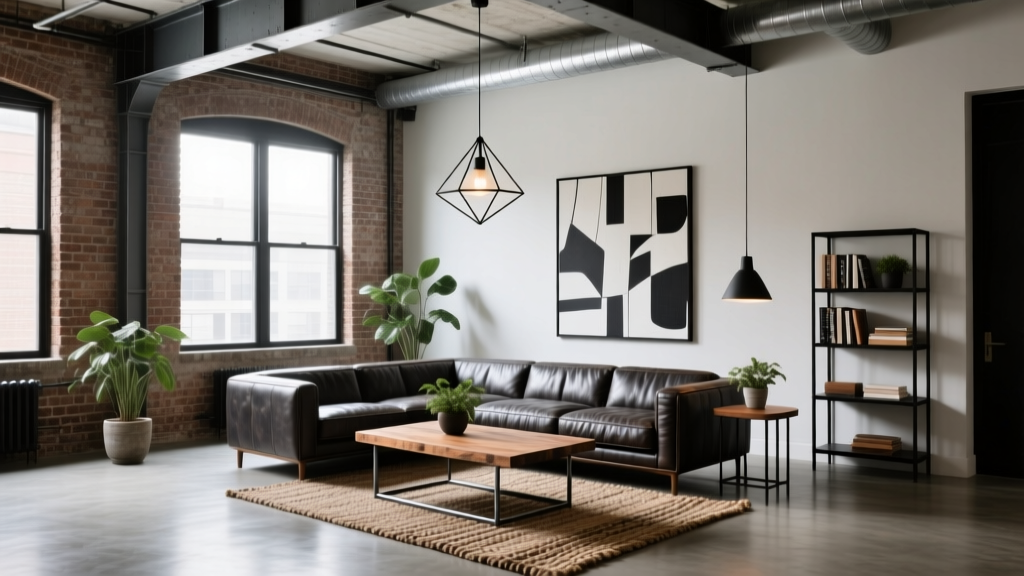 Industrial Chic Living Room Inspiration - The Decor Mag
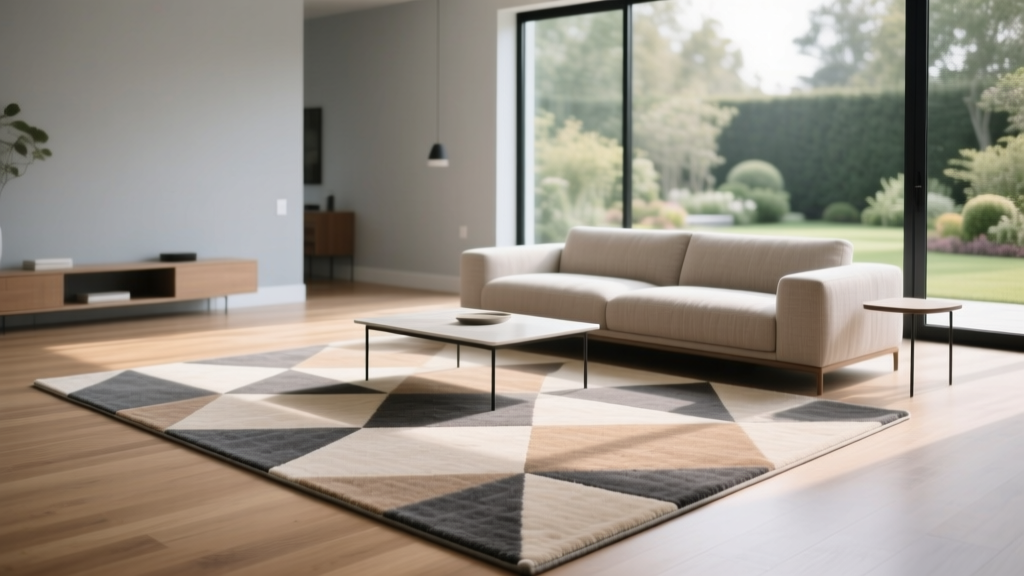 Best Area Rugs for High-Traffic Living Rooms (2026)
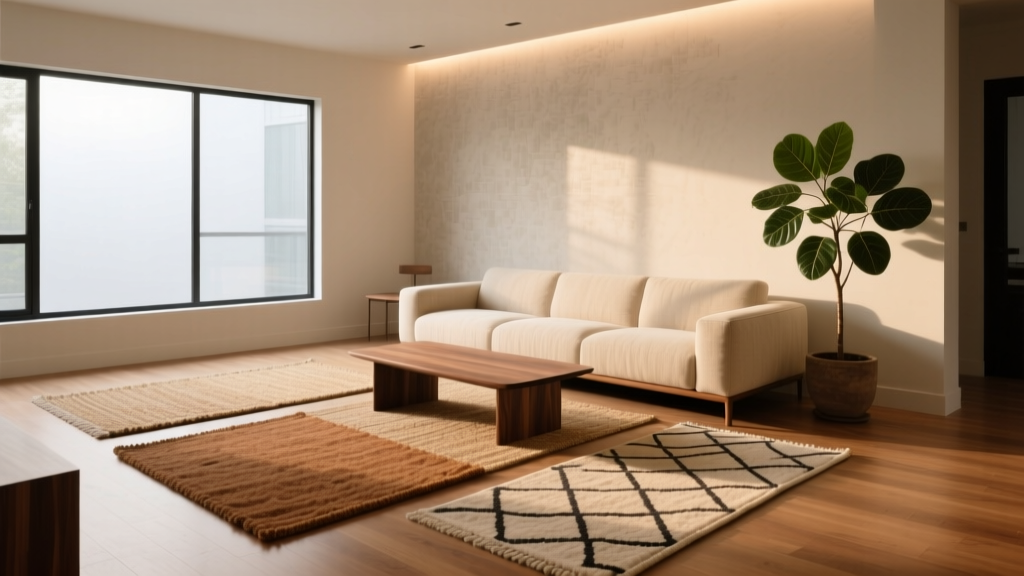 Living Room Layered Rug Ideas - The Decor Mag
 Metallics in Living Room Decor: 2026 Ideas
 Living Room Neutral Color Scheme Ideas - The Decor Mag
 Living Room Ottoman and Pouf Styling Ideas - The Decor Mag
 Living Room Lighting Ideas (2026) | The Decor Mag
 Mid-Century Modern Living Room Must-Haves - The Decor Mag
 Living Room Mirror Placement and Styling - The Decor Mag
 Best Nesting Table Arrangements - The Decor Mag