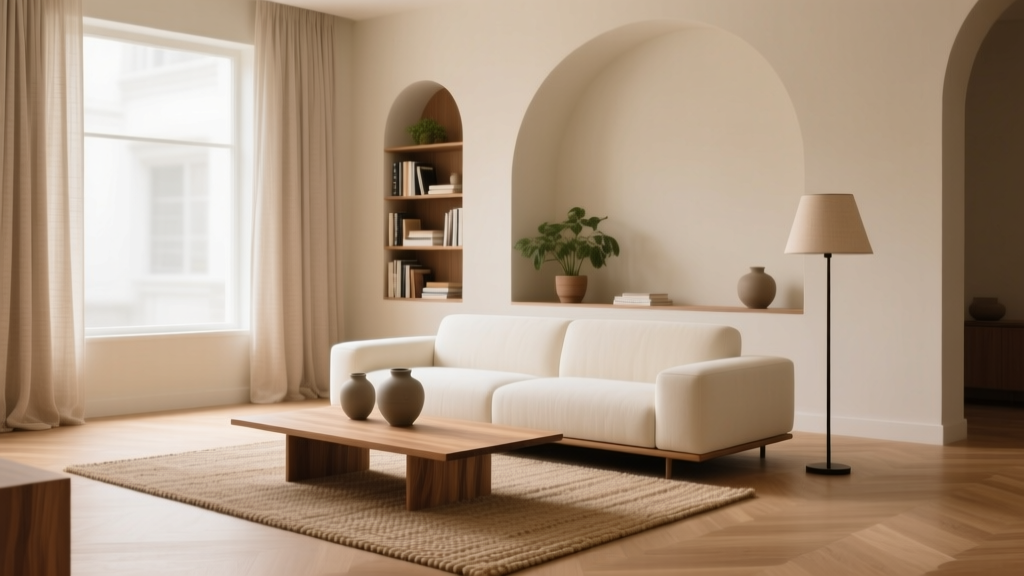
Living Room Neutral Color Scheme Ideas - The Decor Mag
A neutral living room has a reputation for being “safe,” but the best neutral spaces are anything but boring. When you choose the right mix of undertones, textures, and contrast, a neutral color scheme can feel warm, modern, calm, and deeply personal—without locking you into a single trend or bold color you might tire of later. It’s also one of the smartest approaches for renters and homeowners alike because it works with most existing furniture, flooring, and natural light conditions.
This guide breaks down neutral living room color scheme ideas you can actually use: how to pick undertones, how to layer whites and beiges so the room doesn’t look flat, where to add contrast, and what materials and finishes make neutrals feel rich. You’ll also find product-style recommendations, real-world scenarios, common mistakes to avoid, and a quick FAQ to help you pull it all together.
What Counts as a “Neutral” Color Scheme?
In living room design, neutrals are shades that play well with almost any other color. Think beyond plain white: neutrals include warm and cool off-whites, creams, beiges, greiges, taupes, soft grays, browns, and near-blacks (like charcoal). Neutrals can be:
- Warm neutrals: cream, ivory, sand, camel, warm beige, terracotta-leaning taupe
- Cool neutrals: crisp white, cool gray, greige, stone, slate-leaning taupe
- Deep neutrals: espresso, walnut, charcoal, soft black
Current design trends favor neutrals with depth—think “quiet luxury,” layered textures, and organic modern materials—while timeless principles still apply: balanced contrast, consistent undertones, and variety in finish.
Start Here: A Simple 3-Step Plan for Choosing Neutral Colors
Step 1: Identify your undertone (warm, cool, or balanced)
Undertone is what makes a beige look creamy vs. muddy, or a gray look airy vs. chilly. Use what you already have:
- Look at flooring: Honey oak and warm woods want warm neutrals; gray LVP often looks best with cool or balanced greige.
- Check large fixed items: A tan stone fireplace leans warm; a bright white mantel leans cooler.
- Notice your light: North-facing rooms tend to feel cooler (warm neutrals help), while south-facing rooms can handle cooler whites without feeling icy.
Step 2: Choose a base, a secondary, and an accent neutral
Neutrals look intentional when you use a small “palette family.” Try this approach:
- Base neutral (60%): walls + largest rug tone (off-white, greige, light beige)
- Secondary neutral (30%): sofa + curtains (oatmeal, taupe, soft gray)
- Accent neutral (10%): contrast in wood, leather, or metal (walnut, camel leather, blackened steel)
Step 3: Add contrast on purpose
Without contrast, a neutral living room can feel washed out. Aim for at least one strong “anchor” element:
- Matte black picture frames
- Dark wood coffee table (walnut or espresso)
- Charcoal pillows or a deep-toned throw
- A statement light fixture in aged brass or black
Neutral Living Room Color Scheme Ideas (With Real-World Scenarios)
1) Warm White + Oatmeal + Natural Wood (The Cozy Classic)
Best for: Homes with warm wood floors, lots of natural light, or anyone who wants a welcoming feel.
How it looks: Creamy walls, an oatmeal sofa, jute or wool rug, and light-to-medium wood tones.
Try this combo:
- Walls: warm off-white (avoid stark bright white if your room feels shadowy)
- Sofa: oatmeal or flax linen-look upholstery
- Wood: oak, ash, or white oak finishes
- Metals: aged brass or brushed nickel
Real-world example: A rental with beige carpet can look fresher by keeping walls a warm white, adding an 8' x 10' rug layered over the carpet, and using wood accents (a coffee table and picture frames) to create contrast without fighting the flooring.
2) Greige + Soft Black Accents (Modern and Clean)
Best for: Contemporary spaces, open-plan living rooms, or anyone who loves a crisp, tailored look.
How it looks: Greige walls, a light gray sectional, and black accents that sharpen the palette.
Do this for balance:
- Add black in small, repeatable moments: curtain rod, frames, lamp base, side table legs.
- Use at least one warm material (like walnut or camel leather) so the room doesn’t feel sterile.
Budget range: $150–$600 can make a big change here (hardware, frames, lamps, pillows, and a new rug) even if you keep your sofa.
3) Beige + Taupe + Layered Textures (Quiet Luxury Without the Price Tag)
Best for: Anyone who wants a high-end look using subtle variations rather than bold color.
Key to success: Texture is the “pattern” in a neutral living room. Mix at least 5 texture types:
- Bouclé or nubby upholstery (accent chair or pillows)
- Linen or linen-look curtains
- Wool or wool-blend rug
- Ceramic or plaster-look decor
- Wood with visible grain (coffee table, shelves)
Material recommendation: If you’re choosing a rug, a low-pile wool or wool-blend rug typically wears better than a thin synthetic flatweave in the living room. Expect $300–$1,200 depending on size and fiber content.
4) Cream + Camel Leather + Walnut (Warm, Elevated, and Timeless)
Best for: Traditional, transitional, and mid-century-inspired living room decor.
Why it works: Camel leather adds richness instantly, while walnut grounds the room.
Easy upgrade path:
- Start with a cream wall color and neutral sofa (or keep your existing one).
- Add one camel element: leather chair, ottoman, or even a camel-toned throw pillow.
- Anchor with walnut: coffee table or media console.
Budget range: A convincing “leather look” accent chair can start around $250–$450; real leather often begins around $700–$1,500+.
5) Soft Gray + Ivory + Stone (Airy and Calm for Small Spaces)
Best for: Apartments, north-facing rooms, or spaces where you want a calm, airy feel.
Make it feel inviting: Add warmth through lighting (2700K bulbs), a natural fiber rug, and warm metals like aged brass.
Quick tip: Choose curtains in an ivory that’s slightly warmer than your walls to avoid a cold, flat look.
Room-by-Room Placement: Where Neutrals Matter Most
Walls
- Finish: Eggshell is a living-room sweet spot—wipes better than flat but doesn’t glare like semi-gloss.
- Testing: Paint samples on 12" x 12" boards and move them around the room. Look morning and night.
Sofa and Upholstery
- Fabric choice: Performance fabric (or washable slipcovers) is a practical win for pets and kids.
- Color tip: If your walls are warm, choose a sofa that’s warm-neutral too (oatmeal over cool gray).
Rugs (A Big Deal in Neutral Living Rooms)
Rug sizing is one of the fastest ways to make a neutral scheme feel polished.
- 8' x 10': works well in most average living rooms; front legs of sofa and chairs should sit on the rug.
- 9' x 12' or 10' x 14': ideal for larger rooms; all furniture legs can sit on the rug for a luxe look.
- Pile height: 0.25"–0.5" is typically easy to vacuum and still comfortable.
Lighting (Where Neutrals Can Shine or Fall Flat)
- Bulb temperature: 2700K for cozy, 3000K for a slightly cleaner feel.
- Layering: Aim for at least 3 light sources—overhead + table lamp + floor lamp.
- Lampshades: Linen shades soften neutral palettes and reduce harsh shadows.
How to Keep a Neutral Living Room From Looking Bland
Neutrals need variety. Use this checklist to build depth:
- Contrast: Add a dark element (black, charcoal, deep walnut).
- Texture: Mix smooth + nubby + matte + glossy (example: linen curtains, wool rug, ceramic lamp, glass vase).
- Shape: Combine clean lines with curves (a rounded coffee table softens a boxy sofa).
- Pattern: Keep it subtle—thin stripes, tonal geometrics, or a low-contrast vintage rug.
- Greenery: A tall olive tree or snake plant adds life without disrupting the neutral color scheme.
Product-Style Recommendations (Easy Swaps With High Impact)
- Pillows: Mix 22" and 20" sizes; include one textured option (bouclé, knit, or woven). Budget: $20–$120 each.
- Throws: Chunky knit for cozy, linen for light and airy. Budget: $30–$180.
- Curtains: Hang high and wide. Mount the rod 4"–8" above the window frame and extend 6"–12" past each side for a larger-looking window. Budget: $50–$300 per panel set.
- Coffee table styling: Use a tray + one tall object + one sculptural object + a book stack. Budget: $40–$250.
- Art and frames: Black, walnut, or brushed brass frames add structure. Use a larger piece (at least 24" x 36") to avoid “tiny art” syndrome. Budget: $80–$600.
Common Mistakes to Avoid With Neutral Living Room Decor
- Mixing clashing undertones: Cool gray walls + warm beige sofa can look accidental. Keep undertones consistent or bridge them with a greige rug and warm lighting.
- Going too monochrome: If everything is the same beige, the room can feel flat. Add one darker neutral and at least two different textures.
- Choosing the wrong white: A stark white can turn bluish in a north-facing room. A warm off-white often reads cleaner and more inviting.
- Rug too small: A 5' x 7' rug floating in front of a sectional makes the room feel disconnected. Size up whenever possible.
- Ignoring lighting temperature: Cool 4000K bulbs can make warm neutrals look dingy. Stick to 2700K–3000K for living rooms.
- Too many tiny accessories: Neutrals look best with fewer, larger pieces—big art, a substantial vase, a statement lamp.
FAQ: Living Room Neutral Color Scheme Ideas
What are the best neutral colors for a small living room?
Light neutrals with gentle contrast work best: warm white, ivory, light greige, and soft taupe. Pair them with one darker anchor (like a walnut table or black frames) so the space doesn’t feel washed out.
How do I choose between beige and gray for my living room?
Let your fixed elements decide. If your flooring and wood tones are warm, beige (or warm greige) usually looks more cohesive. If you have cooler finishes (gray tile, cool stone, chrome), soft gray or balanced greige tends to blend better.
Can I use neutrals and still have a “pop” of color?
Yes—neutrals are the perfect backdrop. Add color through easily changeable items like pillows, art, or a throw. A muted green, terracotta, or deep navy works beautifully with most neutral living room color schemes.
What’s the easiest way to make a neutral living room look expensive?
Upgrade texture and scale: a larger rug (8' x 10' or bigger), full-length curtains hung high, and fewer but more substantial accessories. Mix materials like wool, linen, wood, and ceramic for a layered, high-end feel.
Should trim and walls be the same neutral color?
It depends on the look you want. Matching trim and walls creates a modern, enveloping feel (great for contemporary spaces). Using a slightly brighter trim helps define architecture and can feel more classic.
How do I keep a neutral living room from feeling cold?
Add warm lighting (2700K bulbs), incorporate warm woods, and choose at least one cozy textile (wool rug, textured throw, or linen curtains). Even small doses of camel, cognac, or warm brass can shift the whole room.
Next Steps: Pull Your Neutral Scheme Together
Start by choosing your undertone (warm, cool, or balanced), then build a simple three-part palette: base neutral, secondary neutral, and one deeper accent. From there, focus on texture—wool, linen, wood, ceramic—and choose the right rug size to anchor the room. A neutral living room doesn’t need a huge budget; it needs a clear plan and a few confident choices.
For more living room design and decor inspiration—neutral palettes, layout ideas, lighting guides, and styling tips—explore the latest ideas on thedecormag.com.
More Articles
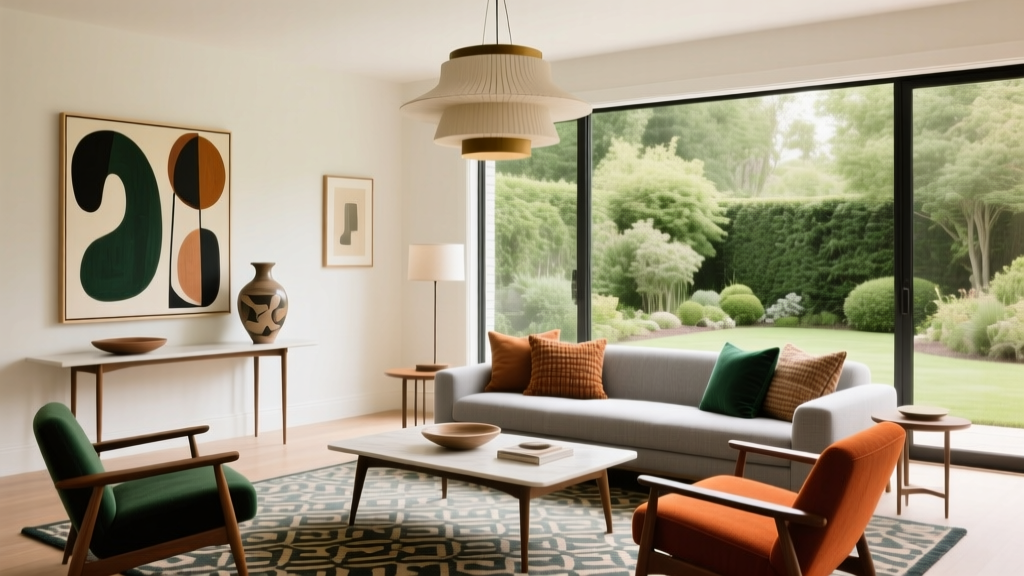 Living Room Artful Eclectic Design - The Decor Mag
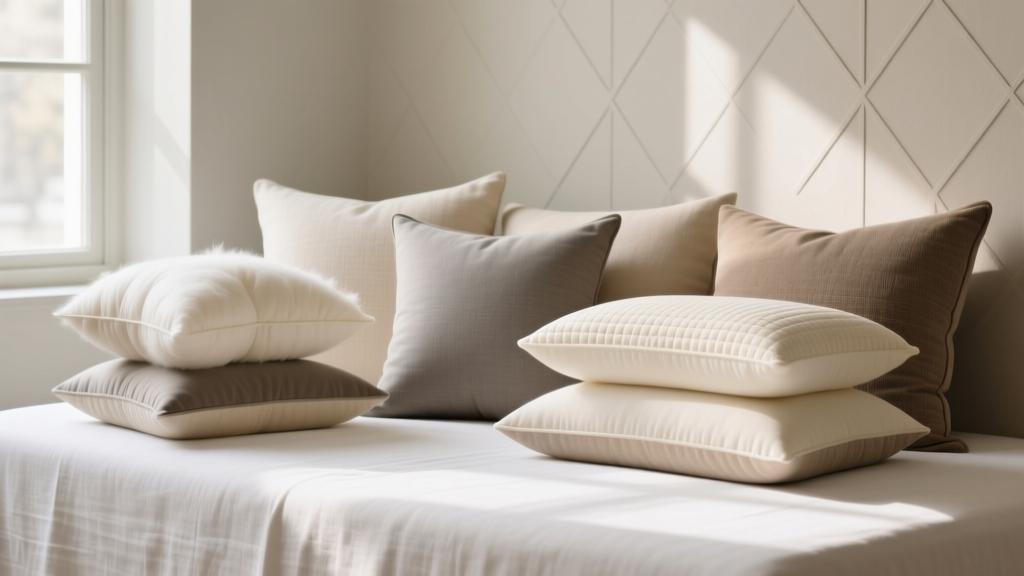 Best Accent Pillow Fill Inserts - The Decor Mag
 Best Flooring Options for Living Rooms - The Decor Mag
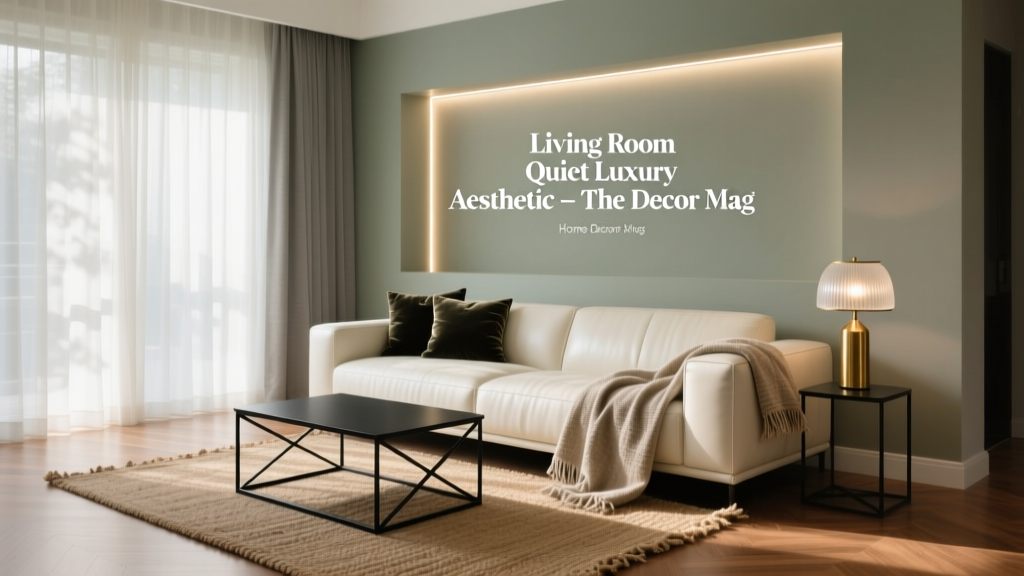 Living Room Quiet Luxury Aesthetic - The Decor Mag
 Antique Living Room Decor: Modern Mix Ideas (2026)
 Best Color Palettes for Contemporary Living Rooms (2026)
 Livingrooms Comfort & Value in 2026
 Best Swivel Chair Options for Living Rooms - The Decor Mag
 Living Room Decor with Hardwood Floors (2026)
 How to Style a Living Room with Dark Walls - The Decor Mag