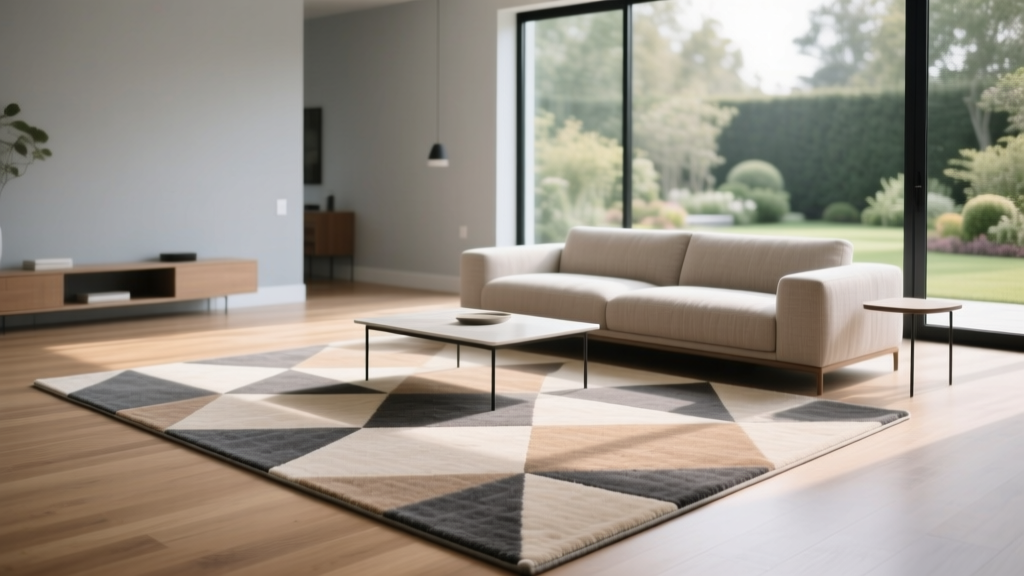
Best Area Rugs for High-Traffic Living Rooms (2026)
A living room rug has a big job. It anchors your seating, softens sound, adds warmth underfoot, and quietly pulls the whole design together. But when it’s also the main walkway—between the front door and kitchen, around a coffee table, under kids’ feet, and next to a napping dog—your rug needs to do more than look good. It needs to hold up.
The good news: you don’t have to choose between style and durability. With the right material, weave, size, and placement, a high-traffic living room area rug can stay beautiful for years (even if your home is the hangout spot). This guide breaks down the best rugs for busy living rooms, with practical measurements, budget ranges, trend-forward ideas, and real-world scenarios to help you shop with confidence.
What “High-Traffic” Really Means in a Living Room
High-traffic living rooms typically have one or more of these conditions:
- Main pass-through zone: A direct path from entry to hallway, kitchen, or stairs.
- Frequent seating shifts: Dining chairs pulled in for game night, ottomans moved around, or a rolling coffee table.
- Kids and pets: Spills, zoomies, craft time, and snack crumbs.
- Indoor-outdoor overlap: Patio access, muddy shoes, beach towels, or snow boots.
In these rooms, durability comes from a mix of fiber (what the rug is made of), construction (how it’s woven), and care plan (how it’s cleaned and protected).
The Best Rug Materials for High-Traffic Living Rooms
If you only remember one thing while shopping: fiber choice matters more than pattern when it comes to wear. Here are the top-performing materials for busy living rooms, plus when to use each.
1) Wool: The Gold Standard for Durability + Comfort
Wool is naturally resilient, springy, and soil-resistant. It hides footprints well, feels cozy, and can last for years with regular vacuuming.
- Best for: Everyday traffic, families who want softness, layered living room design.
- Watch for: Initial shedding (normal for the first few months); higher upfront cost.
- Great style match: Traditional, transitional, Scandinavian, modern organic.
Budget range: $300–$1,500+ for 8' x 10' depending on brand, pile, and craftsmanship.
2) Polypropylene (Olefin): The Easy-Care Workhorse
If you want a rug that shrugs off mess, polypropylene is a top choice. It’s stain-resistant, budget-friendly, and widely available in patterns that disguise wear.
- Best for: Kids, pets, rentals, snack-heavy living rooms, first-time rug buyers.
- Watch for: Can mat down over time in very plush constructions; choose low to medium pile for longevity.
- Great style match: Modern, boho, contemporary, “washable look” distressed patterns.
Budget range: $120–$500 for 8' x 10'.
3) Nylon: Built for Busy Homes (Especially with Pets)
Nylon is a common carpet fiber for a reason—it’s tough. In rug form, it resists abrasion and bounces back well.
- Best for: Heavy foot traffic, pet claws, homes with frequent entertaining.
- Watch for: Not as common in decorative rugs; make sure it’s labeled stain-resistant.
Budget range: $200–$900 for 8' x 10'.
4) Jute + Sisal: Texture-Forward, Timeless, and Traffic-Friendly (with Caveats)
Natural fiber rugs are a favorite in current design trends—especially quiet luxury and modern organic interiors. They’re durable for foot traffic and look elevated, but they’re not spill-friendly.
- Best for: Adult households, layered rug setups, low-spill living rooms.
- Watch for: Staining from liquids; rougher feel; may shed.
- Design tip: Consider a jute-blend (jute + wool) for softness and improved performance.
Budget range: $150–$700 for 8' x 10'.
5) Performance Polyester + Recycled Fibers: Soft, Stylish, and Improving Fast
Not all polyester rugs are created equal, but many newer “performance” versions are made for busy homes, often using recycled PET fibers.
- Best for: Soft feel, trend-forward styles, medium traffic, budget-conscious updates.
- Watch for: Lower-quality versions can crush; pick tighter weaves and lower pile heights.
Budget range: $150–$800 for 8' x 10'.
Rug Construction: What Holds Up Best in Busy Living Rooms
Low Pile vs. High Pile
For a high-traffic living room, low to medium pile is your friend. It’s easier to vacuum, less likely to trap crumbs, and won’t show pathways as quickly.
- Best overall: Low pile (around 1/4" to 1/2")
- Still doable: Medium pile (up to ~3/4") if the fiber is resilient (like wool)
- Use with caution: Very plush or shag in main walkways
Top Constructions for Durability
- Flatweave: Extremely durable, easy to clean, great for layering; can feel less plush.
- Hand-tufted: Comfortable and stylish; choose high-quality backing and use a rug pad to prevent premature wear.
- Power-loomed: Consistent quality and often very budget-friendly; excellent for busy homes.
- Hand-knotted: Heirloom-level durability and detail; higher investment, but unmatched longevity.
Best Rug Styles and Patterns for Hiding Wear (Without Sacrificing Design)
The most livable living room rugs aren’t always the lightest or the fluffiest. They’re the ones that hide real life while still looking intentional.
Patterns That Forgive Traffic
- Vintage-inspired distressed designs: Hide stains, lint, and wear like a pro.
- Micro-patterns (small geometrics): Mask crumbs and minor marks between cleanings.
- Multi-tonal weaves: A mix of fibers/threads camouflages foot paths.
- Classic Persian/Oriental motifs: Timeless and remarkably forgiving in busy rooms.
Color Guidance for High-Traffic Living Rooms
- Best middle ground: Mid-tone rugs (taupe, heathered gray, warm beige, dusty blue, clay).
- Most forgiving palettes: Multi-color, slightly distressed, or tonal patterns.
- High maintenance: Solid white/ivory in a spill-prone home; solid black shows lint and pet hair.
Trend alert: Warm neutrals (sand, oatmeal, camel), earthy reds, and muted greens are everywhere right now—easy to pair with timeless furniture while still feeling current.
Choosing the Right Size: Measurements That Make a Living Room Feel Bigger
One of the most common living room design mistakes is choosing a rug that’s too small. In high-traffic spaces, the wrong size also causes edges to curl, furniture legs to snag, and corners to wear out faster.
Quick Sizing Rules (Most Living Rooms)
- 8' x 10': Great for standard seating groups (sofa + loveseat/2 chairs).
- 9' x 12': Ideal for larger rooms or open-concept living areas; makes the space feel more cohesive.
- 10' x 14': Best for big sectionals or wide open plans; luxurious, less “floating furniture” feeling.
Placement Guidelines (That Prevent Premature Wear)
- Front legs on the rug: Place at least the front legs of the sofa and chairs on the rug. Aim for 6"–12" of rug beyond the furniture sides if possible.
- Leave a border: Try to keep 8"–18" of floor visible between the rug edge and walls (varies by room size).
- Mind the walkway: If traffic cuts across a rug corner, size up or reposition so the main path runs through the center rather than skimming the edge.
Real-world scenario: In a rental where your sofa is against the wall and your living room is also the hallway to the bedroom, a 9' x 12' rug often performs better than an 8' x 10' because foot traffic stays on the rug (not half rug, half hard floor), reducing edge wear and shifting.
Product Recommendations: What to Buy Based on Your Lifestyle
Instead of chasing a single “best” rug, match the rug to how you live. Here are dependable directions (with budget ranges) that work in real homes.
For Homes with Kids and Daily Spills
- Choose: Low-pile polypropylene or performance polyester, power-loomed.
- Look for: “Stain resistant,” “easy clean,” tight weave, darker or multi-tonal pattern.
- Budget: $150–$450 (8' x 10').
For Pets (Hair, Odors, Claws)
- Choose: Low-pile wool or nylon; flatweave also works well.
- Look for: Speckled or patterned surfaces that disguise hair; avoid looped pile if your pet tends to snag.
- Budget: $250–$900 (8' x 10').
For Open-Concept Living Rooms (Living + Dining + Kitchen Sightlines)
- Choose: Large-size wool blend or polypropylene in a subtle pattern that can visually connect zones.
- Look for: 9' x 12' or 10' x 14' sizing; mid-tone neutrals.
- Budget: $300–$1,200 depending on fiber and size.
For Design Lovers Who Want a “Grown-Up” Rug That Still Performs
- Choose: Hand-knotted wool (investment) or high-quality wool-blend (mid-range).
- Look for: Dense knotting, lower pile, classic motifs or tonal geometrics.
- Budget: $600–$2,500+ (8' x 10').
For Renters Who Need Maximum Impact, Minimum Stress
- Choose: Power-loomed polypropylene or a washable-style low pile.
- Look for: Neutral base with pattern, foldable shipping, easy spot-cleaning.
- Budget: $120–$400 (8' x 10').
Step-by-Step: How to Set Up a High-Traffic Rug So It Lasts
- Start with a rug pad: Choose a non-slip pad sized 1" smaller than the rug on all sides. This reduces shifting, protects floors, and extends rug life.
- Place furniture strategically: Avoid having a chair leg sit right on the rug edge (that’s where curling and fraying happen).
- Create a “walkway plan”: Stand at the entry and walk through the room. If your natural path hits a rug corner, adjust placement or size up.
- Vacuum the right way: Vacuum weekly in high-traffic zones. For wool or fringe, use suction-only or a handheld tool to avoid pulling fibers.
- Rotate every 3–6 months: Especially if one side gets more sun or foot traffic.
- Spot-clean fast: Blot, don’t rub. Use a mild detergent solution for synthetics; for wool, use wool-safe cleaner and minimal water.
Real-World Rug Pairings (That Look Great and Live Even Better)
Scenario 1: The Small Apartment Living Room That Doubles as a Hallway
Solution: A low-pile 8' x 10' in a micro-pattern, placed so the sofa’s front legs sit on the rug and the walkway runs through the rug’s center. Add a thin rug pad to prevent shifting.
Style tip: Choose a warm neutral base with subtle patterning to make the room feel wider and brighter without showing every footprint.
Scenario 2: A Family Room with a Sectional, Movie Nights, and Snacks
Solution: A 9' x 12' polypropylene rug with a distressed pattern. Keep the coffee table fully on the rug and opt for rounded edges on furniture to reduce snagging.
Style tip: Pull a color from the rug into pillows or throws to make it feel intentional—even if it’s a “practical” purchase.
Scenario 3: A Modern Organic Living Room with Lots of Texture
Solution: A jute-blend or flatweave wool in a 9' x 12', layered with a smaller patterned rug near the seating area if you want extra softness.
Style tip: Pair textured rugs with bouclé, linen, and warm wood tones for a calm, elevated look that’s very current.
Common Mistakes to Avoid
- Buying too small: A tiny rug makes furniture feel disconnected and increases edge wear from traffic and vacuuming.
- Choosing high pile for a main walkway: Plush rugs can crush quickly and trap debris.
- Skipping the rug pad: A sliding rug is a safety hazard and wears out faster.
- Going solid-light in a spill-heavy home: If you love ivory, choose a patterned ivory or heathered weave instead.
- Ignoring door swing clearance: Measure for doors that open over the rug; low pile is often necessary near entries.
- Using harsh cleaners on wool or natural fibers: Wrong products can set stains or damage fibers—always test in an inconspicuous area.
FAQ: High-Traffic Living Room Rugs
What is the most durable rug material for a high-traffic living room?
Wool is a top choice for long-term durability and comfort. For a lower budget and easy maintenance, polypropylene is extremely practical in busy households.
What rug pile is best for a living room with kids and pets?
Low pile (about 1/4"–1/2") is easiest to clean and less likely to trap crumbs and hair. A tight weave also helps resist snagging.
Should all living room furniture be on the rug?
Not always. A common designer approach is placing only the front legs of the sofa and chairs on the rug. In larger rooms, placing all legs on the rug can look extra polished—just size up to 9' x 12' or larger.
How do I keep my area rug from slipping in a high-traffic space?
Use a non-slip rug pad sized 1" smaller than the rug. For extra hold in problem areas, add rug grippers at corners (especially in rentals where you can’t use permanent solutions).
Are natural fiber rugs like jute and sisal good for living rooms?
They’re great for texture and can handle foot traffic, but they’re less forgiving with spills. If your living room is snack central, consider a jute-wool blend or a patterned wool rug instead.
How often should I rotate a living room area rug?
Every 3–6 months is a solid routine, especially if one side gets more sunlight or foot traffic. Rotating helps the rug wear evenly and keeps it looking newer longer.
Wrap-Up: Your Next Steps for a Rug That Can Handle Real Life
Start by measuring your seating area and deciding whether an 8' x 10' or 9' x 12' makes more sense for your layout and traffic path. Then choose a fiber that fits your lifestyle—wool for long-term resilience and comfort, polypropylene for easy care and value, or a textured natural blend if your home is low-spill and style-forward. Finish with a rug pad, a forgiving pattern, and a plan to rotate and vacuum regularly.
Ready to keep going? Explore more living room design and decor ideas—plus layout tips, trend updates, and shopping guides—on thedecormag.com.
More Articles
 Bay Window Living Room Decor Ideas (2026)
 How to Decorate a Long Narrow Living Room - The Decor Mag
 Living Room Entertaining: Design Tips (2026)
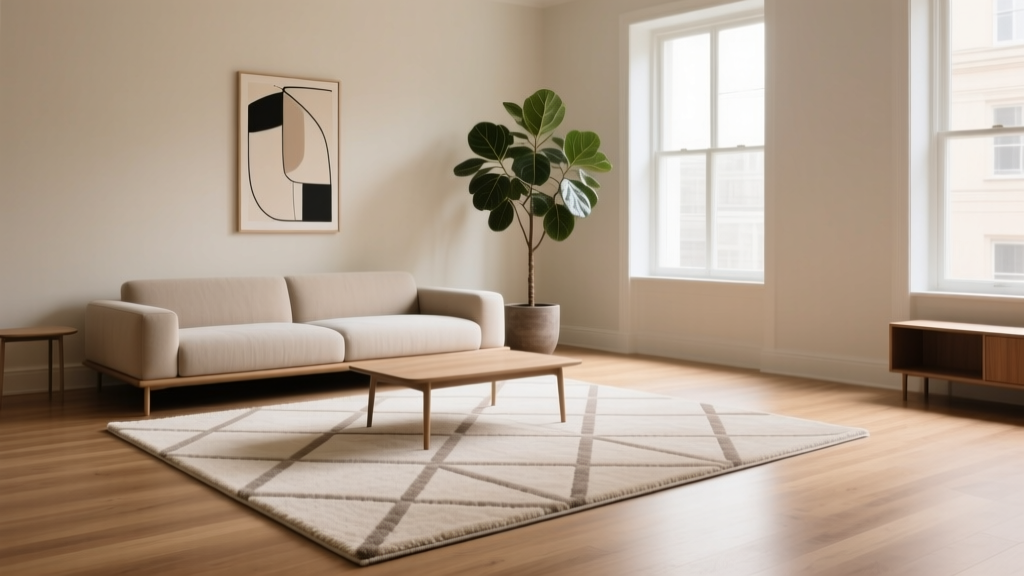 The Living Room Rug Size Guide: Stop Guessing, Start Styling
 Modern Minimalist Living Room Ideas for 2026 - The Decor Mag
 Living Room English Country Cottage Feel - The Decor Mag
 Best Wall Sconce Wiring Options - The Decor Mag
 Best Fabrics for Living Room Upholstery - The Decor Mag
 Best Lighting Fixtures for Living Rooms - The Decor Mag
 Maximalist Living Room Decor Done Right - The Decor Mag