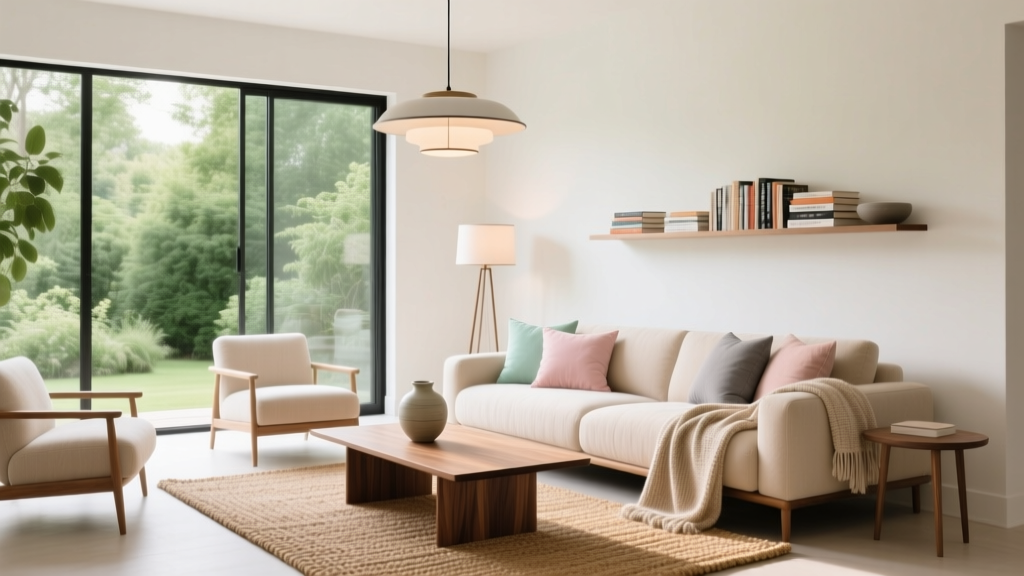
Living Room Styling for Everyday Comfort (2026)
The living room has to work harder than almost any other space in your home. It’s where you collapse after work, catch up with friends, watch movies, read, snack, nap, and sometimes even answer emails. If it looks great but feels fussy, you won’t use it. If it’s comfortable but cluttered, it starts to feel stressful. The sweet spot is a living room that supports real life—easy to relax in, easy to maintain, and still visually pulled together.
This guide walks you through the practical design choices that make a living room feel genuinely comfortable every day. You’ll learn how to plan a layout that flows, choose seating that invites you to stay, layer lighting, pick performance-friendly materials, add storage that doesn’t scream “storage,” and style with warmth using color, texture, and meaningful decor. Whether you’re furnishing from scratch or refreshing what you have, you’ll get measurements, budget ranges, and real-world scenarios you can copy.
Start with Comfort-First Priorities (Before You Shop)
Every comfortable living room starts with a simple question: how do you actually use the room most days? Your answer should shape your layout, furniture choices, and even what materials make sense.
Define your “daily use” in 60 seconds
- Movie nights: prioritize deep seating, good sightlines, layered lighting, and a place for snacks.
- Hosting friends: build in flexible seating (ottomans, stools) and surfaces for drinks.
- Kids/pets: lean into performance fabrics, rounded corners, and closed storage.
- Small-space lounging: scale matters—choose apartment-size furniture and multifunction pieces.
- Reading/quiet time: add a dedicated reading chair with proper task lighting.
Choose a comfort baseline: “soft,” “supportive,” or “hybrid”
- Soft lounge: sink-in sofa, plush rug, oversized pillows (best for TV rooms).
- Supportive sit: firmer cushions, upright chairs, structured upholstery (best for frequent hosting).
- Hybrid: medium-firm sofa + plush layers (the most universally comfortable).
Layout That Feels Easy: Clear Paths, Cozy Zones
A room can have beautiful furniture and still feel “off” if the traffic flow is awkward. A comfort-focused living room layout makes moving around effortless and keeps seating close enough for conversation.
Go-to measurements designers use
- Main walkways: aim for 30–36 inches of clearance where people pass through regularly.
- Between sofa and coffee table: keep 14–18 inches so it’s easy to reach drinks but not cramped.
- Rug sizing: ideally, the front legs of all seating sit on the rug. For many rooms, 8’ x 10’ works; larger spaces often need 9’ x 12’.
- TV distance: a comfortable range is roughly 1.5–2.5x the TV’s diagonal size (e.g., a 65" TV feels good around 8–13.5 ft away, depending on preference and resolution).
- Conversation spacing: keep seating within 6–10 feet of each other so people don’t have to shout.
Two reliable layout formulas
1) The “Anchor + Two” setup (works in most rooms)
- Anchor the room with a sofa facing the focal point (fireplace, TV, or a large window).
- Add two complementary seats: a pair of chairs, or a chair + ottoman, positioned to form a U-shape.
- Place a coffee table or ottoman in the center, then add side tables for daily convenience.
2) The “Floating sofa” setup (best for open-plan spaces)
- Float the sofa 6–12 inches off the wall (or more) to create breathing room.
- Use a console table behind it for lamps and charging stations.
- Define the living zone with a rug and a cohesive lighting plan.
Real-world scenario: a small rental living room
You’ve got a 12’ x 14’ room and one wall is mostly windows. Instead of pushing a bulky sectional into the corner, choose an apartment-size sofa (72–84 inches), float it slightly, and add one slim swivel chair. A 30–36 inch round coffee table keeps circulation smooth, and a 6’ x 9’ rug can still work if the front sofa legs sit on it.
Seating That You’ll Actually Want to Use Every Day
Comfort is mostly about seating—depth, cushion fill, arm height, and fabric. The goal is to match the way you sit (or lounge) with the right proportions.
Sofa specs that feel good in real life
- Seat depth: 20–22 inches for upright sitting; 23–25 inches for lounging.
- Seat height: 17–19 inches is widely comfortable for most adults.
- Back height: higher backs feel supportive; lower backs look modern but can feel less cozy without pillows.
Cushion fills: comfort vs. maintenance
- High-resilience foam (HR foam): supportive, holds shape well—great for everyday use.
- Down blend: plush and luxe, but needs fluffing; best for those who love a sink-in feel.
- Foam + fiber wrap: a popular hybrid that feels soft without constant upkeep.
Product recommendations (by budget)
- Budget ($400–$1,200): apartment-size sofa in a performance polyester, simple wood or metal legs, add comfort with a thick rug and upgraded pillows.
- Mid-range ($1,200–$3,000): kiln-dried hardwood frame, removable cushion covers, performance fabric (Crypton-style or stain-resistant weaves).
- Investment ($3,000–$8,000+): eight-way hand-tied or high-quality suspension, customized depth, top-tier performance textiles, replaceable cushion inserts.
Choose Materials That Can Handle Real Life
A living room can look elevated and still be kid-friendly, pet-friendly, and snack-friendly. The trick is choosing the right materials up front.
Best upholstery for everyday comfort
- Performance fabric: ideal for families; resists stains and cleans easily.
- Tight weaves: less likely to snag than looser weaves (important for pets).
- Leather (top grain or semi-aniline): wipes clean; develops character over time, but avoid if you dislike patina or have sharp claws in the house.
Rug materials that feel good underfoot
- Wool: soft, naturally stain-resistant, long-lasting; great for living room design that leans timeless.
- Wool blend: more affordable, still cozy.
- Washable rugs: excellent for rentals and busy households; pair with a plush rug pad for comfort.
Don’t skip the rug pad
For a comfortable living room, a rug pad is a quiet hero. Choose 1/4-inch felt for softness, or a felt + rubber combo for grip. Expect $40–$200 depending on size.
Layer Lighting: The Fastest Way to Make a Room Feel Cozy
Good living room lighting is what makes the space feel calming at night and functional during the day. Relying on one overhead light is the quickest way to make a comfortable room feel flat.
A simple 3-layer lighting plan
- Ambient: ceiling light, semi-flush, or a pair of lamps that fill the room.
- Task: reading lamp by a chair, or a directional floor lamp near the sofa.
- Accent: picture light, wall sconces, or a small lamp on a bookshelf for glow.
Practical specs to look for
- Bulb warmth: 2700K for cozy, homey light; 3000K if you prefer a slightly cleaner look.
- Dimmers: a dimmer switch (or smart bulbs) is one of the best comfort upgrades under $50–$150.
- Lamp height: for table lamps, aim for the bottom of the shade around 42–48 inches from the floor beside a sofa.
Make It Inviting with Texture, Color, and Trend-Smart Styling
Comfort is sensory. The most welcoming living room decor mixes textures, softens hard edges, and uses color in a way that feels restful.
Current trends that also feel timeless
- Warm neutrals: creams, camel, taupe, and soft browns replacing stark gray.
- Organic modern: clean lines + natural materials (oak, linen, wool, stone).
- Curves: rounded coffee tables and bouclé-style textures that visually “soften” a room.
- Moody accents: deep olive, inky blue, and chocolate as grounding colors.
A simple layering formula that works
- Base: sofa + rug in a calm neutral (or a muted color you won’t tire of).
- Middle layer: curtains, throw pillows, and a blanket in 2–3 coordinating tones.
- Top layer: art, greenery, books, and one or two standout objects with personal meaning.
Quick styling wins (low effort, high comfort)
- Add a throw blanket within reach of every main seat (cotton for warm climates, wool or alpaca blend for cold).
- Use two pillow sizes: a larger back pillow (20–22") plus a smaller lumbar (12" x 20") for support.
- Swap tiny decor for fewer, larger pieces—less clutter, more calm.
Everyday Storage That Doesn’t Kill the Vibe
Clutter is the enemy of comfort. You don’t need a minimalist home, but you do need a place for the stuff you touch daily: remotes, chargers, games, throws, and kid or pet gear.
Comfort-first storage ideas
- Closed storage: a media console with doors hides visual noise (great for small living rooms).
- Ottoman with storage: doubles as coffee table and blanket bin.
- Baskets: a lidded basket for toys, or an open basket for throws.
- Side tables with drawers: keep remotes and cords off the surface.
Budget ranges
- Under $100: baskets, cord clips, tray for the coffee table.
- $150–$600: side tables, shelving, storage ottoman.
- $600–$2,500+: media console, built-ins, modular storage systems.
Common Mistakes to Avoid (and What to Do Instead)
- Mistake: Choosing a rug that’s too small.
Do instead: size up so at least the front legs of the sofa and chairs sit on the rug. - Mistake: Pushing all furniture against the walls.
Do instead: float key pieces slightly to create a cozier, more intentional zone. - Mistake: Only using overhead lighting.
Do instead: add at least two lamps and aim for warm bulbs (2700K). - Mistake: Buying a trendy sofa in a delicate fabric.
Do instead: choose performance upholstery, then bring trend through pillows and decor. - Mistake: Skipping surfaces near seating.
Do instead: ensure each seat has a spot for a drink within arm’s reach (side table, C-table, or shared coffee table).
FAQ: Living Room Comfort and Styling
How do I make my living room cozy but not cluttered?
Use fewer, larger decor pieces, add closed storage, and stick to a tight color palette (2–3 main colors plus a metal or wood tone). Layer coziness through textiles—rug pad, pillows, and a throw—rather than lots of small objects.
What’s the best sofa fabric for kids and pets?
Performance fabrics and tight weaves are the safest bet. If you love the look of linen, choose a linen-look performance blend rather than delicate natural linen.
How high should I hang curtains in a living room?
Mount the rod 4–8 inches above the window frame (or closer to the ceiling for extra height). Panels should ideally kiss the floor or hover 1/2 inch above it for an easy-clean option.
What size coffee table works best?
Aim for a coffee table that’s about 2/3 the length of your sofa. Keep 14–18 inches between the table and the sofa edge for comfortable reach and circulation.
How can I improve a living room in a rental without painting?
Focus on a larger rug, better lighting (plug-in lamps, plug-in sconces), removable curtains, and peel-and-stick solutions like temporary wallpaper behind shelving. Also, swap builder-grade hardware on a media console or add a stylish cover to existing seating.
Your Next Steps: A Simple Comfort Upgrade Plan
- Fix the layout: measure clearances, center seating on a properly sized rug, and create easy paths.
- Upgrade one comfort anchor: sofa cushions, a rug pad, or a supportive chair with an ottoman.
- Add lighting layers: two lamps minimum, warm bulbs, and dimming where possible.
- Finish with texture: pillows, throw, and curtains in durable, touchable materials.
- Control clutter: a tray, a basket, and one closed-storage piece can change everything.
If you want more living room design and decor ideas—from small living room layouts to cozy modern styling—explore the latest inspiration on thedecormag.com.
More Articles
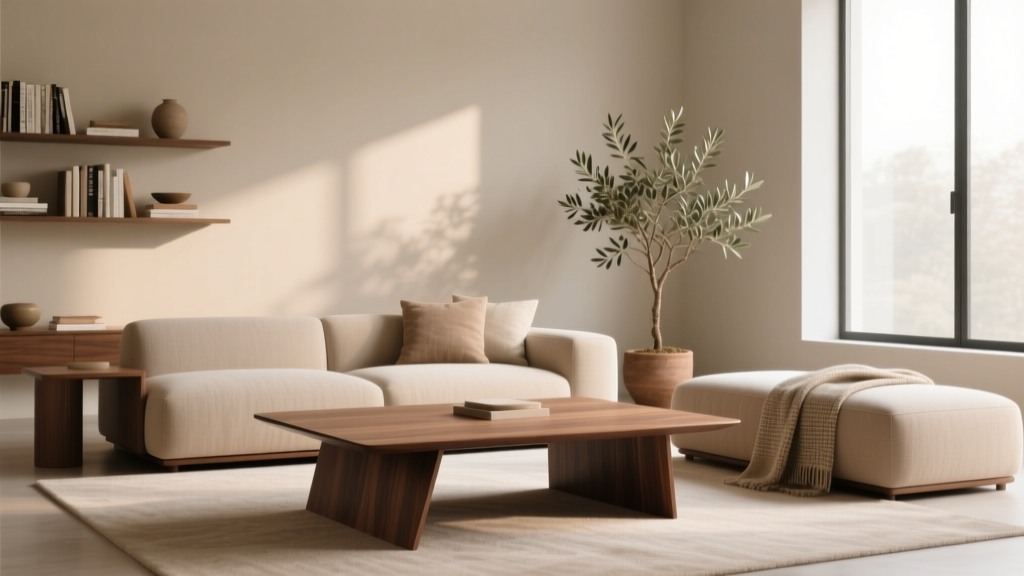 Best Ottoman Sizing for Coffee Table Replacement (2026)
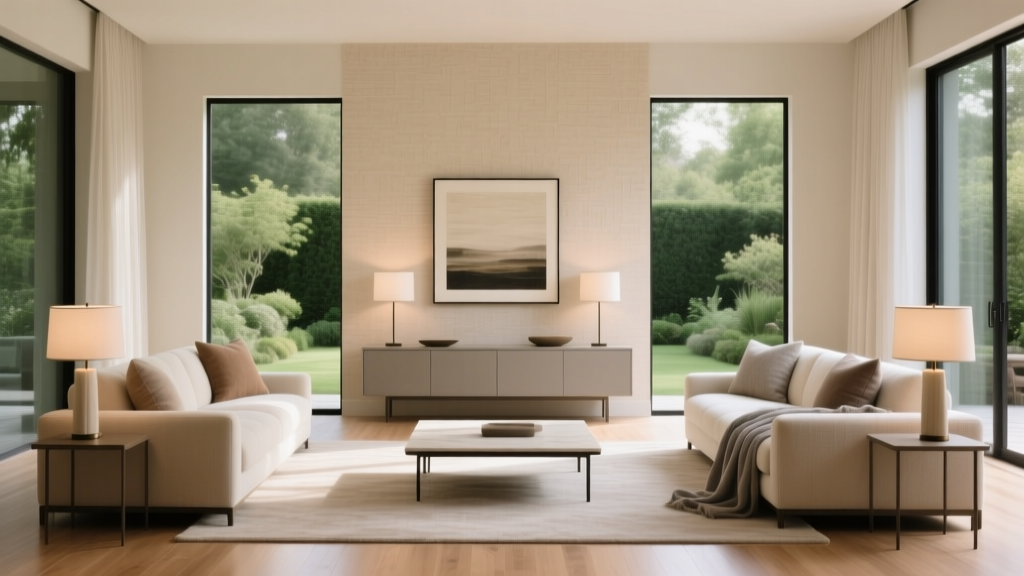 Living Room Symmetrical Design Principles - The Decor Mag
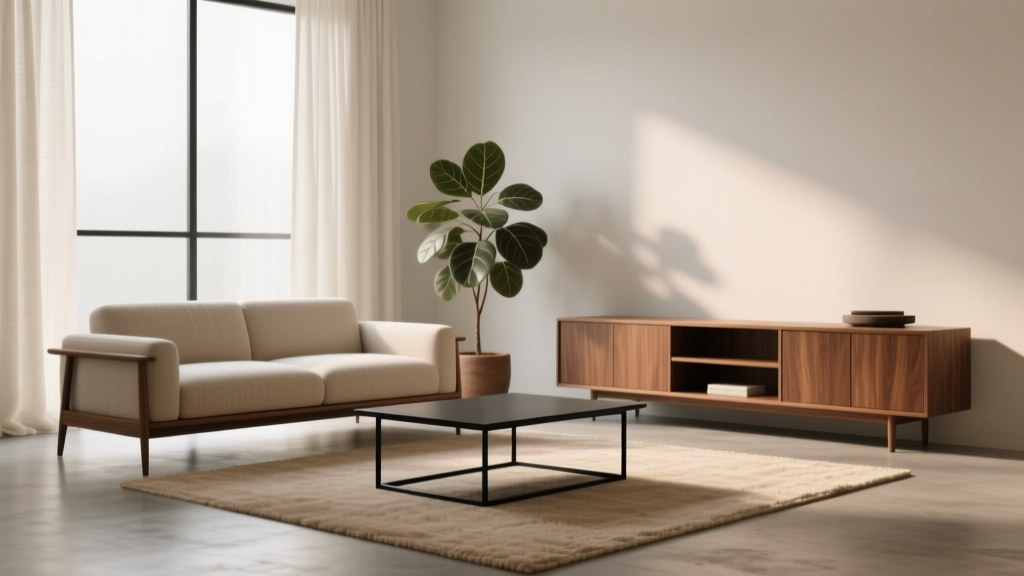 Living Room Transitional Furniture Guide - The Decor Mag
 Kid-Proof Living Room Ideas That Still Look Stylish
 Pet-Proof Sofa Choices for Stylish Homes
 How to Style a Living Room for the Holidays - The Decor Mag
 Living Room Japandi Style Guide - The Decor Mag
 Bay Window Living Room Decor Ideas (2026)
 Living Room Curtains: How to Choose (2026)
 Best Storage Ottoman Picks - The Decor Mag