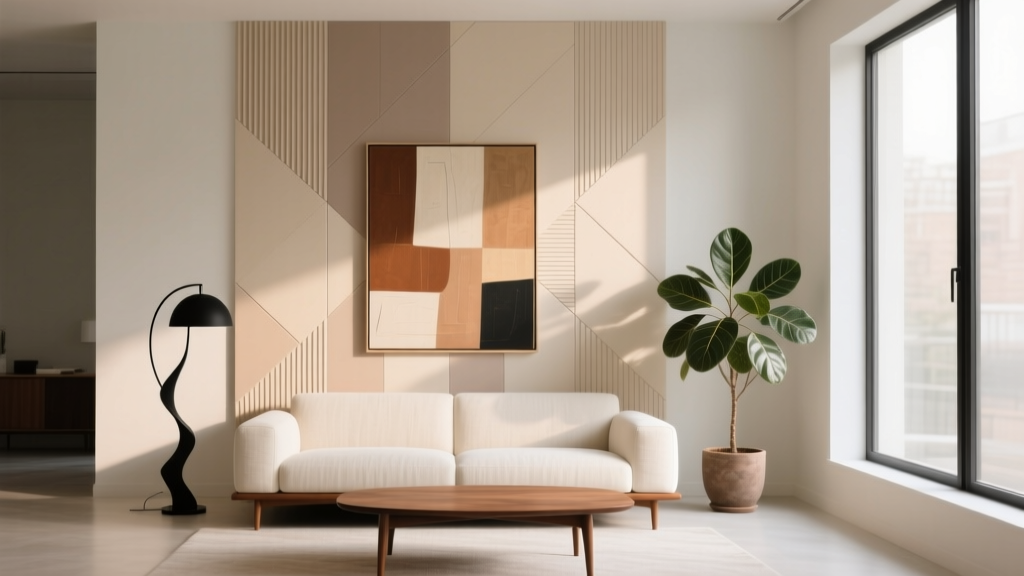
Living Room Accent Wall Ideas - The Decor Mag
A living room can feel “almost there” even after you’ve bought the sofa, hung the curtains, and styled the shelves. Often, what’s missing is a clear focal point—something that anchors the space and makes everything else look intentional. That’s exactly what a well-designed accent wall does. It brings structure to open layouts, adds personality to neutral rooms, and helps renters and homeowners refresh a space without a full remodel.
This guide walks you through living room accent wall ideas that work in real homes—small apartments, open-concept spaces, family rooms with TVs, and cozy rentals with strict rules. You’ll find practical tips (including measurements and placement), material recommendations, budget ranges, step-by-step help for a few DIY-friendly options, plus common mistakes to avoid so your accent wall looks polished, not accidental.
What Makes a Great Living Room Accent Wall?
The best accent walls do one or more of the following:
- Create a focal point (behind the sofa, fireplace, or TV wall).
- Improve proportions (make a long room feel balanced or a small room feel taller).
- Add texture and depth without clutter.
- Tie together your color palette so the room feels cohesive.
Choosing the Right Wall
Start with the wall your eyes naturally land on when you enter the room. Common “best wall” candidates:
- Fireplace wall: A natural centerpiece for timeless appeal.
- TV/media wall: Great for modern living room design—just plan glare and cable management.
- Behind the sofa: Ideal if the sofa faces the room and the wall is uninterrupted.
- Dining nook wall in open-concept spaces: Helps zone the living area.
Quick measurement tip: An accent wall typically looks best when it spans the full width of the chosen wall. If you’re accenting only part of a wall (like a panel behind a sofa), aim for 60–80% of the sofa width so it feels intentional rather than undersized.
Paint Accent Walls: High Impact, Low Commitment
Paint is the simplest accent wall idea and one of the most budget-friendly. It’s also renter-friendly if your lease allows repainting (and if you keep the original color for move-out).
Best Paint Colors for Living Room Accent Walls
- Warm neutrals (greige, taupe, camel): Timeless and forgiving in varied lighting.
- Moody hues (deep green, charcoal, navy): A current trend that feels cozy and sophisticated.
- Earth tones (terracotta, clay, ochre): Works beautifully with natural textures like linen and oak.
- Soft color washes (dusty blue, sage, muted blush): Great for smaller rooms that still need lightness.
Step-by-Step: Paint an Accent Wall Like a Pro
- Test first: Paint two 12" x 12" swatches and observe them morning, afternoon, and evening.
- Prep the wall: Patch holes, sand lightly, and clean with a damp microfiber cloth.
- Tape edges: Use painter’s tape at trim and ceilings; press it down firmly with a putty knife.
- Cut in and roll: Cut in around edges first. Use a 3/8" nap roller for smooth walls, 1/2" for lightly textured walls.
- Two coats minimum: Dark shades nearly always need two coats (sometimes three).
Budget range: $50–$200 (paint, roller, tray, tape). Higher end if you need primer or specialty finishes.
Real-World Example
Small apartment living room: A renter paints the wall behind the sofa in a deep olive. The rest stays warm white. Result: the room looks larger because the eye has a destination, and the olive makes light oak furniture look richer.
Wallpaper Accent Walls: Pattern Without Overwhelming the Room
Wallpaper is having a major moment, especially with modern peel-and-stick options that work well for renters. It’s ideal when you want a pattern that paint can’t deliver—think grasscloth texture, large-scale botanicals, or geometric prints.
How to Choose Wallpaper Scale
- Small living rooms: Choose medium-scale patterns or subtle textures to avoid visual clutter.
- Large living rooms: Oversized murals and bold prints can look stunning and gallery-like.
- Low ceilings (under 8 ft): Vertical patterns can visually add height.
Material recommendations:
- Peel-and-stick vinyl: Best for rentals and easy DIY, but choose higher-quality brands to prevent bubbling.
- Non-woven paste-the-wall: More durable and often easier to align; great for homeowners.
- Grasscloth (real or faux): Adds warmth and texture; best in lower-traffic areas due to fragility.
Budget range: $150–$900+ depending on wall size and wallpaper quality. Measure your wall (width x height), add 10–15% for waste and pattern matching.
Scenario: Open-Concept Living Room Needing “Zones”
In a loft-style space, a subtle linen-texture wallpaper on the TV wall helps define the living area without building partitions. Pair it with a low media console and a large rug (at least 8' x 10' for many standard layouts) to reinforce the zone.
Wood Slat and Panel Accent Walls: Texture That Feels Architectural
If you want a designer look, wood accent walls are a standout. Vertical slat walls are a top trend in modern interiors because they add rhythm, warmth, and a tailored feel—especially behind a TV or sofa.
Wood Slat Accent Wall Guidelines
- Slat width: 1" to 2" slats feel contemporary; wider boards feel more rustic.
- Spacing: 1/2" to 1" gaps are a sweet spot for most rooms.
- Height: Full-height (floor to ceiling) looks most intentional. If doing a half wall, align the top edge with a design element like the top of a door casing or window trim.
Material options:
- MDF slats: Budget-friendly and paintable; best in low-moisture areas.
- Pine or poplar: Good DIY woods; stain or paint for different looks.
- Pre-made acoustic slat panels: Great for TV walls because they can help soften sound and hide minor wall imperfections.
Budget range: $250–$1,500+ depending on DIY vs. pre-made panels and wall size.
TV Wall Tip: Make It Look Clean
- Center the TV at 42–48 inches from the floor to the center of the screen (adjust for seating height).
- Plan cable routing before installing slats or panels. Consider an in-wall power kit (or a surface cable raceway for rentals).
- If adding a floating console, hang it 8–12 inches off the floor for a lighter, modern look.
Accent Walls with Molding: Timeless, Elegant, and Surprisingly DIY-Friendly
Molding accent walls (board and batten, picture frame molding, or modern grid layouts) add depth and classic architecture—especially in newer homes or apartments that feel flat.
Popular Molding Styles
- Board and batten: Vertical battens over a panel look; great for transitional spaces.
- Picture frame molding: Creates elegant rectangles; works beautifully with paint in a satin or eggshell finish.
- Geometric grids: A modern twist that pairs well with minimalist decor.
Proportion tip: For picture frame molding, many designers aim for frames that are 18–30 inches wide with consistent spacing (often 3–5 inches between frames). Adjust to your wall size so the layout looks balanced, not squeezed.
Budget range: $150–$800 (DIY molding and paint). Add more for professional installation.
Real-World Example: Builder-Grade Living Room Upgrade
A homeowner with a plain drywall living room adds a simple grid molding layout behind the sofa, then paints the entire wall in a soft mushroom tone. The result feels custom and high-end, and it elevates even basic furniture.
Stone, Brick, and Faux Finishes: Instant Character
Nothing adds “story” like stone or brick. If you don’t have a real masonry feature, there are convincing alternatives that work on budgets and timelines.
Options to Consider
- Thin brick veneer: Real brick slices; excellent authenticity but more labor.
- Manufactured stone veneer: Great for fireplace accent walls and rustic-modern looks.
- Faux brick/stone panels: Lightweight and DIY-friendly, useful for rentals if installed non-destructively (check product specs).
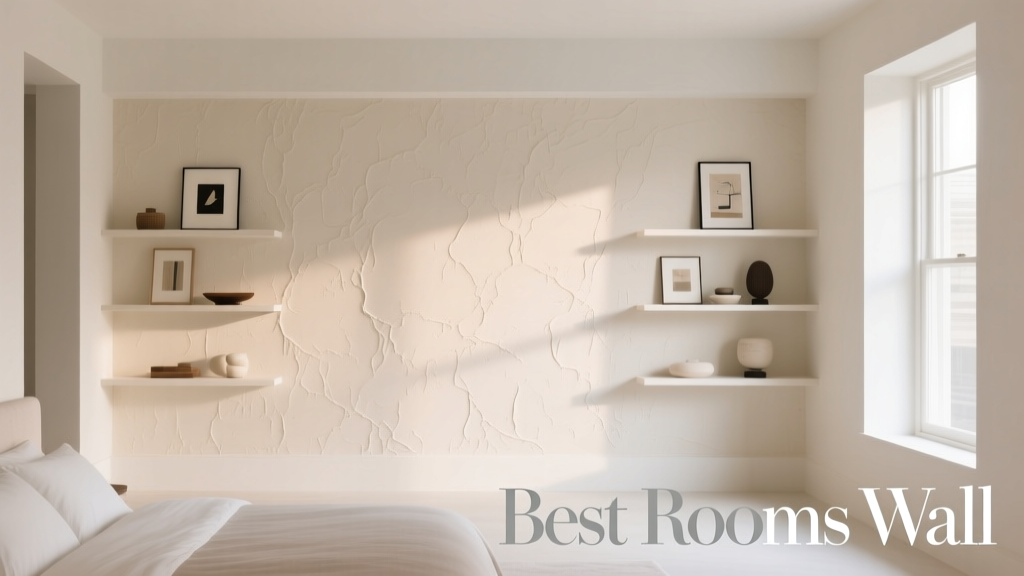
- Limewash or Roman clay finishes: A trend-forward, artisanal look with soft movement and depth.
Budget range: $200–$2,500+ depending on material and whether you’re hiring help.
Design tip: If you’re doing a heavy-texture accent wall (brick, stone, plaster), keep the rest of the room calmer: solid-color curtains, simpler rug pattern, and fewer small accessories.
Gallery and Art Accent Walls: Renters’ Best Friend
If you can’t paint or wallpaper, you can still create a strong focal point with artwork. A gallery wall also lets you scale the “accent” to your budget over time.
Simple Gallery Wall Rules
- Hang art so the center sits around 57–60 inches from the floor (gallery standard).
- Keep spacing between frames consistent: 2–3 inches is a clean, modern gap.
- For a sofa backdrop, your arrangement should be about 2/3 the sofa width (or larger) to avoid looking undersized.
Product suggestions: Use matching frames for a cohesive look (matte black, natural oak, or warm walnut are versatile), and consider removable hanging strips for rentals.
Budget range: $75–$600+ depending on prints, frames, and size.
Color Blocking and Painted Shapes: Modern and Playful
Painted arches, half-walls, stripes, and geometric blocks are everywhere right now—and they’re a clever way to create an accent wall when you don’t want to commit to full-wall color.
Easy Painted Accent Ideas
- Painted arch behind a console table or reading chair.
- Two-tone horizontal split (darker bottom, lighter top) to ground a room.
- Wide vertical stripe behind the TV to frame it like artwork.
Measurement tip: For a painted arch behind a chair, make the arch 6–12 inches wider than the chair on each side, and extend it 12–24 inches above the chair’s back for a balanced look.
Budget range: $30–$150.
Common Accent Wall Mistakes (and How to Avoid Them)
- Picking the wrong wall: If you accent a wall that isn’t a focal point, the room can feel disjointed. Choose the fireplace/TV/sofa wall whenever possible.
- Going too small: A tiny accent area can look like a leftover paint decision. Make it full wall, or scale it to furniture width (60–80% of the piece).
- Ignoring lighting: Dark paint in a dim room can look muddy. Add layered lighting: a floor lamp, table lamp, and warm bulbs (2700K–3000K).
- Too many competing features: If you already have a bold rug, choose a quieter accent wall (texture or solid color instead of loud pattern).
- Messy edges and poor prep: Bad tape lines and bumps read immediately. Spend extra time on prep and use the right roller nap.
- Forgetting outlets and vents: Plan your layout so covers look intentional—swap to matching plates (matte white, black, or paintable).
How to Choose the Best Accent Wall Idea for Your Space
If you’re unsure where to start, use this quick decision guide:
- Want the biggest change for the least money? Paint or color blocking.
- Want pattern and personality? Wallpaper (peel-and-stick for renters).
- Want a high-end architectural look? Molding or wood slats.
- Want warmth and character? Brick/stone or plaster-style finishes.
- Can’t alter walls much? Gallery wall or large-scale art.
One more practical tip: Before you commit, take a photo of your living room straight on, then use a simple phone editor to mock up color blocks or a wallpaper screenshot. It’s a fast way to catch scale issues.
FAQ: Living Room Accent Wall Ideas
What is the best wall to make an accent wall in a living room?
The best choice is usually the natural focal point: the fireplace wall, the TV/media wall, or the wall behind the sofa. Pick the wall you see first when entering the room, and the one that has the fewest visual interruptions (too many doors and windows can make accents feel fragmented).
Should the accent wall be darker or lighter than the other walls?
Most accent walls are darker to create depth, but a lighter accent can work if it adds texture (like grasscloth wallpaper) or a subtle sheen. If your living room is low on natural light, consider a mid-tone rather than the darkest shade in the paint strip.
Are accent walls still in style?
Yes—accent walls are still a staple in living room decor, but the trend has evolved. Instead of a random bold color, current design trends favor texture (slats, plaster, wallpaper), tone-on-tone effects, and architectural detail like molding for a more elevated look.
How do I do an accent wall in a rental without losing my deposit?
Use peel-and-stick wallpaper, removable hanging strips for art, or a large tapestry/textile panel. If painting is allowed, keep the original paint color and plan to repaint before move-out. Avoid permanent adhesives and always test removable products in a hidden corner first.
How much does it cost to create an accent wall?
It varies widely. Paint can be $50–$200, peel-and-stick wallpaper often lands around $150–$900, and wood slats or molding can range from $250–$1,500+. Brick/stone and specialty plaster finishes can reach $2,500+ if professionally installed.
Can I put an accent wall behind a TV?
Absolutely—TV accent walls are one of the most popular living room accent wall ideas. Choose materials that reduce glare (matte paint, wood slats, textured wallpaper), plan cable management, and size the design so it frames the TV and console rather than overpowering them.
Next Steps: Bring Your Accent Wall to Life
Start by choosing your focal wall and deciding whether your goal is color, texture, or architectural detail. Then measure the wall carefully, gather samples (paint swatches, wallpaper samples, wood stains), and plan how your accent will connect to the rest of your living room design—rug size, curtain color, and lighting included. With one confident change, your entire space can feel more finished and personal.
For more living room ideas, layout tips, and decor trends you can actually use, explore the latest inspiration on thedecormag.com.
More Articles
 Texture in Minimalist Living Rooms (2026)
 How to Mix Patterns in Living Room Decor - The Decor Mag
 Functional Bedroom Ideas 2026: Smart Layouts & Storage
 Warm, Budget-Friendly Living Spaces in 2026
 Living Room Foundations: Support, Ergonomics, Comfort
 Contemporary vs Modern Living Rooms (2026)
 Best Living Room Focal Point Ideas for 2026
 2026 Living Room Bathroom Ideas: Smart & Stylish Hybrids
 Smart Function Storage Ideas for Real Living Spaces
 Budget Living Room Furniture 2026: Style & Durability