How to Mix Old and New in Living Room Decor - The Decor Mag
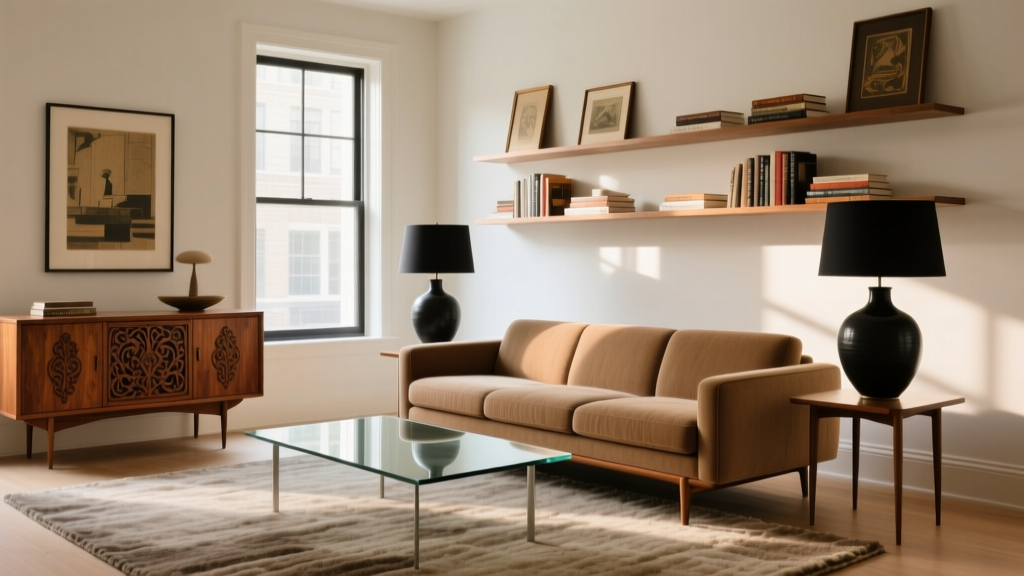
Some of the most memorable living rooms aren’t perfectly matched—they’re thoughtfully layered. A carved vintage coffee table paired with a sleek contemporary sofa. An inherited rug anchoring a room of clean-lined pieces. That blend of old and new adds character, depth, and the kind of “collected over time” feel that makes a space look lived-in (in the best way).
Mixing eras also solves real-life decorating challenges. Homeowners often have beloved heirlooms they don’t want to replace, while renters want a modern, flexible setup that won’t feel outdated in a year. When you learn how to mix vintage and modern decor, you can keep what matters, update what doesn’t, and create a living room design that feels personal rather than showroom-staged.
This guide walks you through practical, designer-approved ways to blend old and new in living room decor—covering layout, color palettes, materials, measurements, budget ranges, and common mistakes. You’ll also find real-world scenarios and a simple step-by-step plan you can use this weekend.
What “Mixing Old and New” Really Means (and Why It Works)
Mixing old and new is less about following a strict rule and more about creating contrast with intention. “Old” could mean antiques (100+ years), vintage (roughly 20–99 years), thrifted finds, or traditional-style pieces. “New” could be contemporary furniture, modern lighting, minimal styling, or current trends like curved silhouettes and performance fabrics.
When it’s done well, this approach:
- Adds warmth to modern spaces (vintage wood tones soften crisp lines)
- Makes traditional rooms feel lighter (modern seating and lighting update the mood)
- Improves longevity (timeless anchors + a few trend-forward accents)
- Creates a curated look (more interesting than a single matching set)
Start with a Clear Style Direction: Pick Your “Lead Singer”
One of the easiest ways to avoid visual chaos is choosing which style will lead. Think of it as the “lead singer” of your living room; the other style supports.
Two reliable approaches
- Modern-forward with vintage accents: A contemporary sofa, clean-lined media console, and modern lighting, plus a vintage rug, antique side table, or thrifted art.
- Classic-forward with modern updates: Traditional case goods or heirloom seating, refreshed with modern coffee tables, sculptural lighting, and streamlined accessories.
If you’re unsure, aim for a 70/30 balance to start (70% one style, 30% the other). As you get comfortable, you can move toward a more even mix.
Build a Cohesive Base: Color Palette + Repetition
The secret to mixing eras is cohesion. Color and repetition create that cohesion faster than anything else.
Choose a palette that bridges time
Timeless neutrals are having a moment again—warm whites, soft taupes, clay, and muted greens—because they make vintage and modern pieces feel at home together. Try one of these living room color palettes:
- Warm neutral: ivory + camel + black accents
- Earthy modern: warm white + olive + natural oak
- Classic contrast: cream + charcoal + brass
- Moody vintage: deep green + walnut + aged leather
Use repetition to make a “mash-up” feel intentional
Repeat 2–3 elements across the room so the mix looks deliberate:
- Repeat a metal finish (brass in lamp + frame + cabinet pull)
- Repeat a wood tone (walnut coffee table + picture frames)
- Repeat a shape (arched mirror + curved chair + round table)
- Repeat a textile (linen curtains + linen pillow covers)
Anchor the Room: Rug, Sofa, and Layout (with Measurements)
Mixing old and new works best when the “big three” feel grounded: your rug, sofa, and layout. These are the pieces that make the room feel finished—everything else can be layered.
Rug sizing that instantly looks more designer
Vintage rugs are a popular living room trend right now (especially washed Oushak-style and Persian-inspired patterns). But size matters more than pattern.
- 8' x 10': Works for most living rooms; front legs of sofa and chairs should sit on the rug.
- 9' x 12': Ideal for larger spaces; all furniture legs can sit on the rug.
- Rule of thumb: Aim for at least 8–12 inches of rug showing beyond the coffee table on all sides.
Material recommendations: Wool (best for durability), wool-blend (budget-friendly), cotton (lighter wear), and performance/synthetic (kid- and pet-friendly). If you love the vintage look but want easier maintenance, consider a washable printed rug in a vintage pattern.
Sofa as the modern (or timeless) anchor
For most people, the sofa is the biggest investment and the piece you interact with daily. A clean-lined sofa in a durable fabric makes it easy to mix in older elements.
- Depth: 36–40 inches for lounging comfort (shallower if your room is tight)
- Seat height: 17–19 inches typically feels comfortable for most adults
- Fabric: Performance linen, textured polyester, or high-rub-count velvet for wear resistance
Coffee table spacing (the detail that prevents “awkward”)
- Keep 14–18 inches between the sofa and coffee table for easy movement.
- Choose a coffee table about 2/3 the sofa length.
- Mix eras easily here: a modern sofa loves an antique trunk; a traditional sofa loves a sculptural modern table.
Mix Materials Like a Pro: Wood, Metal, Glass, and Textiles
Material contrast is where the magic happens. Today’s popular living room decor trends lean warm and tactile—think bouclé, natural stone, aged brass, and organic shapes—while timeless interiors still rely on wood, wool, and leather.
Winning pairings (old + new)
- Antique wood + modern stone: Vintage oak sideboard + contemporary marble or travertine coffee table
- Traditional silhouettes + modern upholstery: Classic wingback chair reupholstered in a solid performance fabric
- Vintage brass + modern matte black: Brass picture frames + black arc floor lamp
- Old art + new lighting: Oil painting or vintage print under a modern picture light
Textile layering that makes the room feel collected
Use textiles to bridge eras. A modern room can feel instantly warmer with a vintage-style rug and classic patterns (stripes, checks, block prints). A traditional room feels updated with solid textures (bouclé, linen, mohair-look throws).
- Pillows: Mix 2 solids + 1 pattern + 1 texture for a sofa that looks styled but not fussy.
- Window treatments: Linen or linen-blend curtains in warm white or oatmeal feel timeless and work with every era.
- Throws: Wool or cotton; aim for 50" x 60" or larger for a draped look.
Use “Bridge Pieces” That Naturally Connect Eras
If your living room feels like it’s split between two styles, add a bridge piece—something that contains both old and new cues.
Great bridge-piece options
- Transitional lighting: A simple linen drum shade on a sculptural base, or a traditional lantern shape in a modern finish
- Modern silhouette in a traditional material: Curved chair in leather, or streamlined sofa in classic tweed
- Antique with modern function: Vintage credenza used as a media console (add cord management clips)
- Neutral artwork with vintage frames: Contemporary prints in thrifted gilt or wood frames
Step-by-Step: A Simple Plan to Mix Old and New (Without Overthinking)
- Take inventory. List what you’re keeping (heirloom chair, vintage rug, etc.) and what you’re replacing (sofa, lighting, storage).
- Choose your anchor piece. Usually the sofa or rug. Keep it timeless and comfortable.
- Set a palette. Pick 1 main neutral, 1 supporting color, 1 accent, and 1 metal finish.
- Add one statement old piece. Example: antique coffee table or vintage cabinet.
- Add one statement new piece. Example: modern floor lamp or contemporary art.
- Layer with smalls. Pillows, throws, books, and decor that echo your palette and finishes.
- Edit. Remove 10–20% of accessories if the room feels busy. Leave breathing room.
Real-World Examples: What This Looks Like in Actual Homes
Scenario 1: Renter with a modern apartment + thrift-store finds
The challenge: White walls, builder-grade lighting, and limited storage—plus a love of vintage decor.
A workable mix:
- Modern, compact sofa (72–84" wide) in a neutral performance fabric
- Vintage patterned 8' x 10' rug to bring warmth
- Thrifted wood side table + modern plug-in wall sconces (renter-friendly)
- Gallery wall with vintage frames + a few contemporary prints
Budget range: $800–$2,500 depending on sofa and rug choices. Thrifted tables and frames can keep costs low.
Scenario 2: Homeowner with inherited traditional furniture
The challenge: A formal-looking sofa and side tables feel heavy, but the pieces are high quality.
A workable mix:
- Keep the traditional sofa; update with modern, textured pillows in a tight palette
- Add a contemporary coffee table (stone, glass, or light wood) to brighten the center
- Swap dated lamps for modern ceramic or metal lamps with linen shades
- Replace small accessories with fewer, larger-scale decor items
Budget range: $300–$1,500 for lighting, pillows, and a new coffee table—far less than replacing everything.
Scenario 3: Open-concept living room needs cohesion
The challenge: The living area flows into dining/kitchen, and a style clash shows from every angle.
A workable mix:
- Repeat one wood tone across spaces (oak in living room + dining chairs)
- Use a consistent metal finish (brass or black) in lighting and hardware
- Add one vintage piece in each zone (living room rug, dining room sideboard)
Product Recommendations (Smart Splurges + Budget Wins)
Mixing old and new often means choosing where to invest and where to save.
Worth the splurge
- Sofa: $1,500–$4,500 for a durable frame and quality cushions
- Rug (wool or high-quality wool blend): $600–$2,500 depending on size
- Statement lighting: $250–$1,200 for a living room chandelier or sculptural floor lamp
Great places to save
- Vintage side tables and accent chairs: $50–$300 secondhand (often solid wood)
- Art and frames: $10–$200 thrifted frames + affordable prints
- Pillow covers: $15–$60 each (swap seasonally without storing bulky inserts)
Common Mistakes to Avoid When Mixing Old and New
- Buying a matching furniture set. Sets make mixing harder. Choose pieces individually for a curated living room.
- Ignoring scale. A tiny vintage side table next to an oversized sectional looks accidental. Balance proportions.
- Mixing too many wood tones without a plan. Limit to 2–3 wood tones, and repeat each at least twice.
- Over-decorating with “vintage-looking” items. A few authentic pieces beat a room full of faux-antique decor.
- Forgetting lighting layers. Use three levels: ambient (ceiling), task (reading lamp), and accent (picture light/sconce).
- Letting clutter replace character. Vintage is charming; clutter is stressful. Edit accessories regularly.
FAQ: Mixing Vintage and Modern Living Room Decor
How do I make my living room look cohesive when mixing styles?
Use a consistent color palette, repeat finishes (wood/metal), and keep at least one large anchor piece neutral (often the sofa or rug). Cohesion comes from repetition more than matching.
What’s the easiest old-and-new combo to start with?
Start with a modern sofa and add a vintage rug. That pairing instantly creates contrast and warmth while staying practical for everyday life.
Can I mix multiple vintage eras together (mid-century + traditional, for example)?
Yes—just keep the palette tight and watch scale. If you’re mixing several eras, make modern lighting or modern art the unifying element.
How do I decorate around an inherited “heavy” piece of furniture?
Lighten the surroundings: add a brighter rug, swap in modern lighting, simplify accessories, and introduce airy materials like glass, linen, and light wood. Keeping the room visually open helps the piece feel intentional.
Are vintage rugs practical for high-traffic living rooms?
They can be, especially wool rugs. Use a quality rug pad, vacuum regularly, and rotate every 6–12 months. For kids/pets, consider a washable vintage-style rug for easier upkeep.
How much should I budget to refresh a living room with a mixed old/new look?
A realistic refresh range is $500–$3,000 if you keep key pieces and focus on a rug, lighting, textiles, and a few statement accents. A larger overhaul with a new sofa and rug often lands around $2,500–$7,000+.
Bring It All Together: Your Next Steps
If you want your living room decor to feel fresh and timeless, start small and build momentum. Choose one modern anchor (often a sofa or lighting), layer in one vintage statement (rug, coffee table, or cabinet), then tie everything together with a consistent palette and repeated finishes. The goal isn’t perfection—it’s a space that feels like you.
- Pick one “lead singer” style (modern-forward or classic-forward)
- Measure your rug and coffee table spacing before you buy
- Add bridge pieces (transitional lighting, vintage frames with modern art)
- Edit accessories so your best pieces can shine
For more living room design ideas, layout tips, and decor inspiration that blends trends with timeless style, explore the latest guides on thedecormag.com.
More Articles
 Living Room Mediterranean Design Elements - The Decor Mag
 Living Room Furniture That Lasts: 2026 Picks
 Comfortable Seating for Aging Bodies: Sofas & Chairs (2026)
 The Best Throw Pillows for Every Season - The Decor Mag
 Living Room Styling for Everyday Comfort (2026)
 Best Lighting Fixtures for Living Rooms - The Decor Mag
 Best Wall Art Sizes for Over the Sofa - The Decor Mag
 Human-Centered Spatial Design for Modern Living 2026
 Curtains for Living Rooms: Best Choices (2026)
 Colorguides for Living Spaces: Step-by-Step Guide 2026