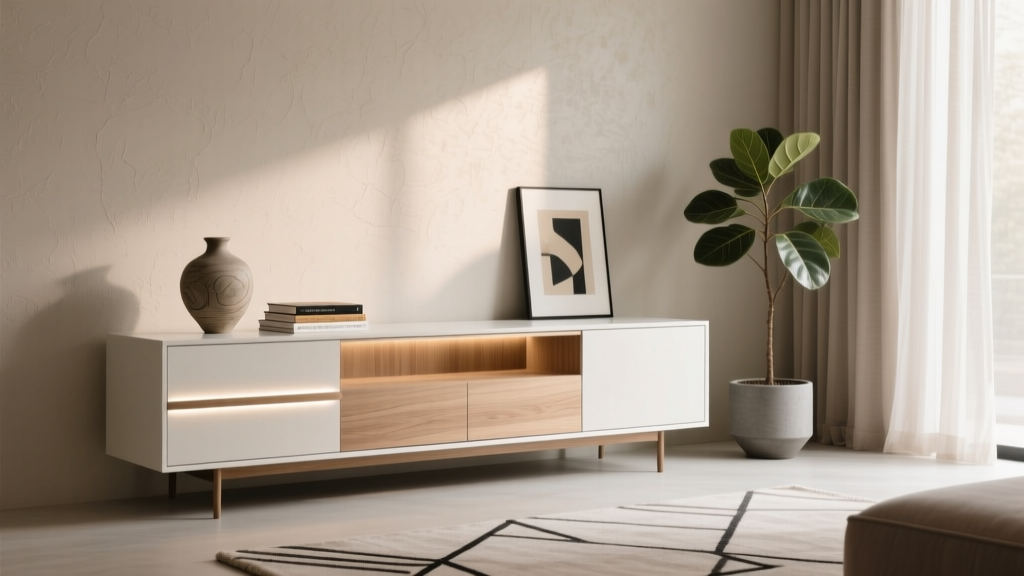
Best Sideboard Storage for Living Rooms - The Decor Mag
A living room can look “done” at first glance—sofa styled, rug placed, coffee table decorated—yet still feel chaotic day to day. The missing piece is often smart storage: a place for the things you actually use (remotes, board games, extra throws, candles, chargers) that doesn’t scream “utility.” That’s where a sideboard shines.
Sideboards (also called credenzas or buffets) are one of the most versatile living room storage solutions. They give you closed storage to calm visual clutter, a long surface for styling, and a design moment that can anchor a wall. This guide breaks down how to choose the best sideboard storage for your living room, from sizing and layouts to materials, trending looks, and real-world scenarios—plus common mistakes to avoid and a quick FAQ.
Why a Sideboard Works So Well in Living Rooms
Unlike bookcases or open shelving, a sideboard keeps everyday mess out of sight while still letting you express your style on top. It’s also a “quiet hero” piece: it adds function without dominating the room.
- Clutter control: Hide remotes, toys, game controllers, cords, paperwork, and extra candles.
- Flexible placement: Works under a TV, behind a sofa, along a dining wall in open-plan rooms, or in an entry-adjacent living room.
- Style payoff: Adds warmth and texture—especially in wood, cane, fluted fronts, or matte lacquer.
- Better flow: Low-profile storage maintains sightlines, making smaller living rooms feel larger.
Choosing the Right Sideboard: Measurements That Actually Matter
1) Length: Match the Wall and the Function
Sideboards typically range from 48–84 inches long. The “best” size depends on what it’s supporting and where it sits.
- Under a wall-mounted TV: Aim for a sideboard that’s 6–12 inches wider than the TV (total), so it looks balanced and gives landing space for decor.
- Along a blank wall: Fill about 60–75% of the wall length for a proportional look, leaving breathing room for lamps or art.
- Small apartment living room: A compact credenza around 48–60 inches prevents the space from feeling crowded.
2) Height: Comfort, Viewing, and Styling
- Standard sideboard height: 28–34 inches
- As a TV stand: Often best at 20–26 inches depending on sofa height and viewing distance. If using a standard-height sideboard under a TV, wall-mounting the TV slightly higher can help.
- Behind a sofa: Keep the top around 1–3 inches lower than the sofa back (or similar height) for a polished look.
3) Depth: The Difference Between Sleek and Bulky
- Typical depth: 16–20 inches
- Narrow rooms and walkways: Look for 12–15 inches depth to preserve circulation.
As a rule, maintain 30–36 inches of clear walkway space in front of the sideboard, especially in high-traffic living rooms.
Best Sideboard Storage Types (and What to Store in Each)
Closed-Door Sideboards: Best for Hiding Visual Clutter
If your living room collects “stuff,” closed doors are your best friend. This is the most timeless option for living room organization because it supports a calm, minimal look even when life gets busy.
Store inside:
- Board games, puzzles, and card decks
- Throw blankets and seasonal pillows
- Tech accessories (charging cables, batteries, controllers)
- Paper clutter (in labeled file boxes)
Design tip: Choose a sideboard with adjustable shelves so you can fit taller bins or a stack of trays.
Drawer + Door Combos: Best for Everyday Grab-and-Go Items
Drawers are ideal for small items that get lost in big cabinets. A combo sideboard—drawers on one side, doors on the other—is often the most functional layout.
Use drawers for:
- Remotes (use a divider insert)
- Matches and lighters for candles
- Coasters and cocktail napkins
- Spare charging cords and adapters
Step-by-step organization:
- Assign one drawer as the “living room command center” (remotes, batteries, small tools).
- Add 2–4 small trays or drawer dividers to separate categories.
- Label the underside of trays (subtle but effective for households).
Media Sideboards with Cable Management: Best for TV Walls
If your sideboard sits under the TV, prioritize cord cutouts, ventilation, and a layout that fits your devices. Many living rooms benefit from a “media credenza” style, even if you don’t store media—because it’s built for electronics.
Look for:
- Back-panel cord holes (at least 2–3)
- Ventilated doors (slatted wood, cane, perforated metal) for consoles
- Center supports for longer pieces (helps prevent sagging)
Real-world example: In a rental with limited wall drilling, a 70-inch media sideboard can act as a TV stand, device hub, and storage for games. Add a cord box behind the unit and adhesive cord clips to keep everything tidy without damaging walls.
Floating Sideboards: Best for Small Living Rooms and Modern Homes
Wall-mounted sideboards create the illusion of more floor space—a popular current trend in modern living room design. They also make vacuuming and cleaning easier.
Best for:
- Compact spaces where a bulky base feels heavy
- Minimalist or contemporary interiors
- Homes that want a “gallery-like” wall
Installation note: Floating units must be anchored into studs or properly rated wall supports. For renters, this may not be practical—consider a leggy, lifted-on-legs sideboard for a similar airy look.
Materials and Finishes: What Holds Up (and What Looks Great)
Wood and Wood Veneer (Timeless and Warm)
- Solid wood: Durable and repairable; often higher cost.
- Wood veneer: Real wood layer over engineered core; looks elevated and is typically more budget-friendly.
Trend watch: Warm walnut tones, white oak, and medium-tone woods are leading living room decor trends because they soften modern spaces and pair easily with neutrals.
Painted or Lacquered Finishes (Crisp and Contemporary)
Matte black, warm white, and soft greige sideboards work beautifully in modern living rooms. They also photograph well and create a clean backdrop for styling.
Practical tip: If you have kids or high use, look for durable top coatings and consider a protective tray for keys and drinks.
Cane, Slatted Wood, and Fluted Details (Texture That Hides Mess)
Textured door fronts are both on-trend and functional: they add depth and disguise fingerprints and smudges better than high-gloss finishes.
- Cane/rattan: Light and airy; great for boho, coastal, and transitional living rooms.
- Fluted fronts: A refined trend that reads high-end; suits modern and art deco-leaning spaces.
- Slatted wood: Helps with ventilation for electronics.
Metal and Mixed Materials (Industrial or Modern Edge)
Black steel bases, brass pulls, and stone-look tops add contrast—especially in neutral living rooms that need definition.
Product Recommendations by Budget (What to Look For)
Rather than one-size-fits-all picks, use these shopping targets to find the best sideboard storage for your living room within your budget.
Budget-Friendly: $150–$400
- Best for: Rentals, first apartments, guest living rooms
- Look for: Engineered wood with a durable laminate, adjustable shelves, and a center support leg on longer units
- Avoid: Very thin backs if you plan to store heavier items
Mid-Range: $400–$1,000
- Best for: Primary living rooms, open-plan spaces
- Look for: Wood veneer, soft-close doors/drawers, sturdier hardware, better finishes
- Nice upgrades: Cable management, ventilated fronts, integrated cord channels
Investment: $1,000–$3,000+
- Best for: Design-forward homes, long-term pieces
- Look for: Solid wood or high-quality veneer over plywood, premium joinery, adjustable leveling feet, higher weight ratings
- Customization: Many brands offer size/finish options for a built-in look
Where to Place a Sideboard in the Living Room (With Real Scenarios)
Under the TV: The “Media Wall” Workhorse
If your living room storage pain point is tech clutter, place a sideboard under the TV. Keep the top surface intentionally simple:
- A pair of books stacked horizontally
- A low bowl or tray for remotes (even if you store them inside most days)
- A sculptural object or plant for height balance
Behind the Sofa: A Slim Console-Sideboard Hybrid
In open-plan layouts, a low sideboard behind the sofa can define zones and add hidden storage. Aim for 12–16 inches deep so it doesn’t disrupt circulation.
Scenario: In a long, narrow living room, a slim sideboard behind the sofa becomes the drop zone for mail, with baskets inside for dog toys and extra throws.
Along a Blank Wall: The “Gallery Moment”
A sideboard on a blank wall is your chance to create a focal point. Hang a large piece of art or a pair of prints above it.
Quick proportions:
- Art width: about 2/3 the sideboard length
- Spacing from top of sideboard to art: 6–10 inches
Styling a Sideboard Top: A Simple Formula That Looks Designer
Sideboard decor should feel intentional but not precious. This formula works across modern, traditional, and eclectic living room styles.
- Anchor with height: A table lamp (24–30 inches tall) or a tall vase with branches.
- Add a grounding layer: A tray or a stack of 2–3 books.
- Bring in something organic: A plant, bowl in wood/stone, or a ceramic piece.
- Leave negative space: Keep 25–35% of the surface clear so it doesn’t feel cluttered.
Tip for family homes: Use a large tray as a “corral” so you can quickly reset the top when the room needs to look tidy.
Common Mistakes to Avoid
- Choosing the wrong scale: A tiny sideboard on a long wall looks underwhelming; an oversized one can crowd pathways. Measure your wall and maintain 30–36 inches of clearance where people walk.
- Ignoring door swing and drawer clearance: Make sure doors can open fully without hitting a sofa arm or coffee table.
- Overloading shelves: If you’re storing heavy books or records, check weight limits and look for a center support on longer units.
- No cable plan: For media setups, lack of cord cutouts leads to messy wires and devices that overheat. Prioritize cable management.
- Styling with only small objects: Too many tiny decor pieces create visual noise. Mix heights and include at least one larger item.
FAQ: Sideboards in Living Rooms
What’s the difference between a sideboard, credenza, and buffet?
They’re often used interchangeably. “Buffet” is more common in dining rooms, while “credenza” and “sideboard” are popular in living room furniture. Functionally, they’re similar: long, low storage with doors and/or drawers.
What size sideboard is best for a living room?
Most living rooms do well with a sideboard between 60–84 inches long and 16–20 inches deep. For smaller spaces, 48–60 inches keeps it proportional. If placing under a TV, aim for a unit that’s 6–12 inches wider than the TV overall.
Can a sideboard work as a TV stand?
Yes—especially a media sideboard with cable management and ventilation. Double-check the height (many sideboards are taller than typical TV stands) and make sure there’s enough depth for devices and cords.
What should I store in a living room sideboard?
Think “daily-use but not display-worthy”: blankets, games, tech accessories, extra candles, photo albums, kid supplies, and even a small bar setup. Use bins or baskets inside to keep categories organized.
Is a floating sideboard practical in a rental?
It depends on your lease and wall type. Floating sideboards require secure anchoring. If drilling isn’t an option, choose a sideboard with legs (more visual lightness) or a narrow profile to get a similar effect.
Which materials are most durable for high-traffic living rooms?
Look for wood veneer over plywood, solid wood frames, and quality hardware. Matte finishes and textured doors (fluted, cane, slatted) tend to hide wear better than high-gloss surfaces.
Next Steps: Find Your Best-Fit Sideboard Storage
Start with your biggest living room pain point—tech clutter, kids’ items, or a lack of closed storage—then choose a sideboard layout that solves it (doors, drawers, or media-friendly features). Measure your wall, confirm walkway clearance, and pick a finish that complements your existing furniture, whether you love warm wood tones, modern matte black, or a textured trend like fluted doors.
If you’re ready to upgrade your living room design, a sideboard is one of the smartest, most style-forward investments you can make—especially when it’s sized correctly and organized with intention.
Looking for more ideas? Explore more living room decor inspiration, furniture guides, and small-space solutions on thedecormag.com.
More Articles
 Living Room Decor for High Ceilings (2026)
 How to Mix Upholstery Patterns Successfully - The Decor Mag
 How to Create a Living Room Focal Point - The Decor Mag
 Living Room Warm Industrial Design - The Decor Mag
 Drapery Hardware for Living Rooms (2026)
 Console Table Behind Sofa: Styling Ideas (2026)
 Living Room Contemporary Art Display - The Decor Mag
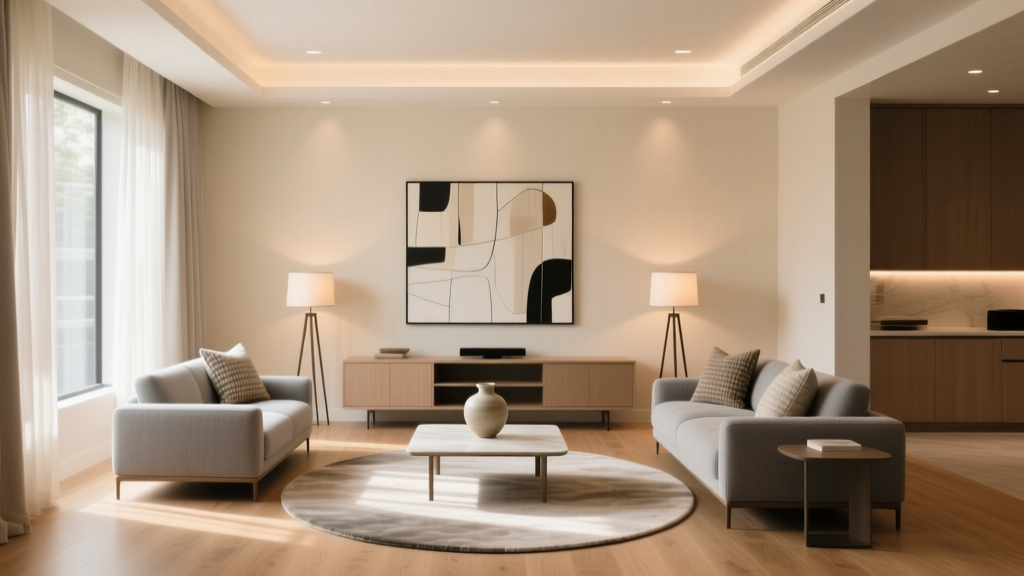 How to Create a Balanced Living Room Layout - The Decor Mag
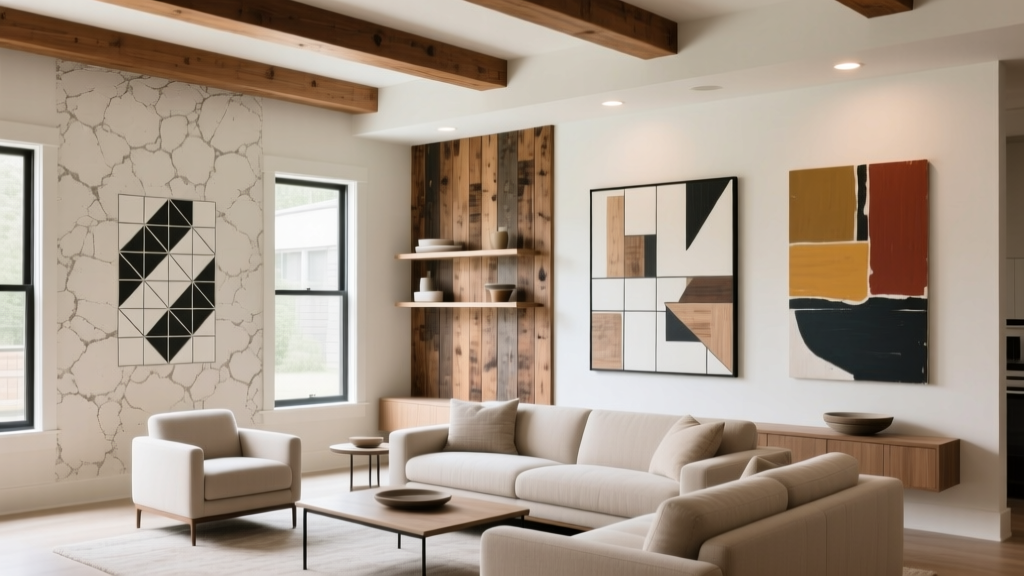 Best Accent Wall Treatments Under $500 - The Decor Mag
 Living Room Quiet Luxury Aesthetic - The Decor Mag