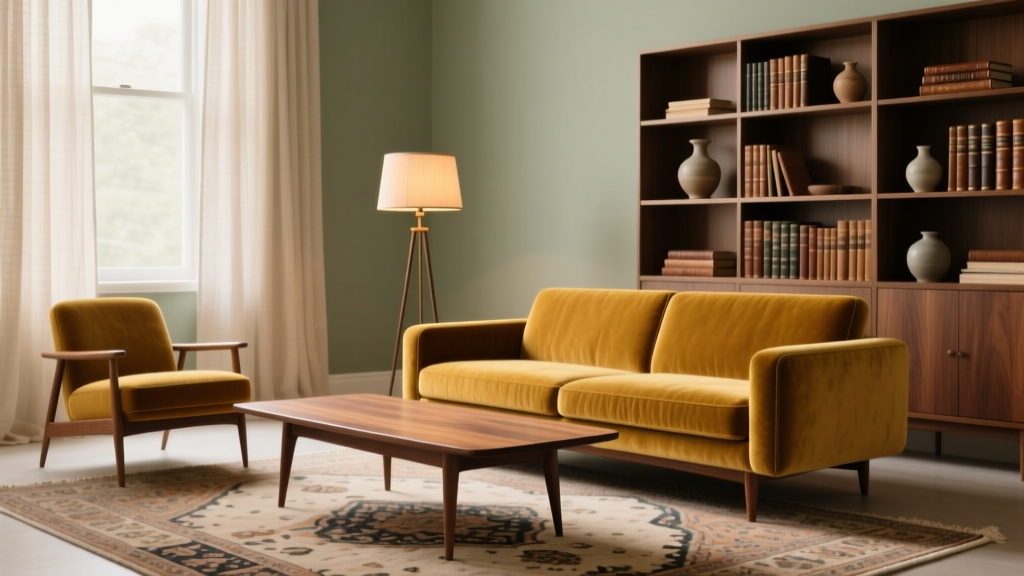
Living Room Vintage Decor Finds - The Decor Mag
Vintage decor has a way of making a living room feel collected, welcoming, and uniquely yours—without requiring a full renovation. A single well-chosen find can add depth that brand-new pieces sometimes struggle to deliver: the patina on brass, the gentle wear on leather, the irregularities of hand-thrown ceramics. These details create a lived-in look that feels both elevated and comfortable.
Whether you’re a homeowner refining a long-term space or a renter trying to add character without permanent changes, vintage finds are a smart design move. They’re often better made than fast furniture, typically more sustainable than buying new, and they help you build a room that doesn’t look like everyone else’s. Ahead, you’ll learn what vintage pieces are worth hunting for, how to choose the right scale, how to mix eras without chaos, and how to style your treasures so your living room feels intentional—not like a thrift store aisle.
We’ll cover practical measurements, budget ranges, material recommendations, real-life scenarios, common mistakes to avoid, and a FAQ to help you shop with confidence.
What Counts as “Vintage” (and Why It Works in Living Room Design)
In home decor, “vintage” generally refers to items that are roughly 20–100 years old. Pieces older than that are typically considered antique. For living room design, vintage works because it adds:
- Visual texture: worn edges, aged metals, and natural materials bring depth.
- Contrast: vintage shapes soften the sharpness of many modern interiors.
- Timelessness: classic forms (like tapered legs or rolled arms) outlast short-lived trends.
- Sustainability: reusing furniture reduces demand for new manufacturing.
Trend watch: The current shift toward “warm minimalism” and “quiet luxury” makes vintage decor even more relevant. Designers are pairing clean-lined sofas with one or two statement vintage pieces—like a sculptural coffee table or a brass floor lamp—to keep rooms calm but not flat.
Where to Find the Best Living Room Vintage Decor Finds
Local Sources (Often Best Value)
- Estate sales: Great for lamps, art, side tables, and ceramics. Arrive early for the best selection.
- Thrift stores: Best for frames, baskets, small decor, and occasional furniture scores.
- Flea markets: Ideal for negotiating and finding one-of-a-kind objects.
- Consignment shops: Curated inventory; prices higher, but condition is often better.
Online Sources (Best for Specific Styles)
- Facebook Marketplace / Craigslist: Best for larger furniture if you can pick up locally.
- Etsy / Chairish / 1stDibs: Best for curated vintage, designer pieces, and hard-to-find styles.
- eBay: Great for lighting parts, vintage hardware, and smaller collectibles.
Practical tip: When buying online, ask for photos of the underside, back, and any labels or maker’s marks. For upholstered pieces, request a close-up of seams and cushions to assess sagging or wear.
High-Impact Vintage Finds for the Living Room (What to Look For)
1) Vintage Coffee Tables and Side Tables
A vintage table can anchor the entire seating area. Look for solid wood, stone, or sturdy vintage laminate.
- Best materials: solid walnut, oak, teak, travertine, marble (sealed), rattan/bamboo (if tight and not brittle)
- Budget range: $60–$250 thrift/marketplace; $300–$1,200 curated shops
Measurements that work:
- Coffee table height: 1–2 inches lower than your sofa seat height (common sofa seat height: 17–19 inches).
- Spacing: 14–18 inches between coffee table and sofa for comfortable legroom.
- Length: Aim for about 1/2 to 2/3 the length of your sofa.
Design move: Pair a sleek modern sofa with a vintage wood coffee table for warmth. Add one modern accessory (like a minimal tray) to keep the mix current.
2) Statement Vintage Lighting (Floor Lamps, Table Lamps, Sconces)
Lighting is one of the fastest ways to make a living room feel designed. Vintage lamps bring character through shape, shade texture, and metal finishes.
- Best finishes: aged brass, bronze, nickel, ceramic bases, opaline glass
- Budget range: $40–$150 thrift; $200–$800 for designer or restored pieces
Safety first: If wiring is brittle or the plug is ungrounded, budget $75–$200 for professional rewiring. It’s usually worth it for a great piece.
Shade sizing tip: A quick guideline: the shade base diameter often looks right at about 2/3 the height of the lamp base. When in doubt, size up—many vintage lamps look better with a slightly larger, taller shade in linen or cotton.
3) Vintage Mirrors to Expand Light and Space
Mirrors are renter-friendly and practical for small living rooms. Vintage frames add instant architecture.
- Great styles: gilded frames, bamboo/rattan, arched tops, Art Deco geometrics
- Budget range: $30–$120 thrift; $150–$600 antique/vintage shops
Placement ideas:
- Hang a mirror opposite a window to bounce natural light.
- Place a large leaning mirror (at least 60 inches tall) behind a chair for height—secure it with anti-tip hardware.
- Over a console: mirror width should be about 2/3 to 3/4 the console width.
4) Vintage Art, Frames, and Wall Decor That Looks Curated
Original art and vintage frames are the secret to a living room that feels personal. Even inexpensive prints look elevated in substantial frames.
- Budget range: $10–$60 per frame thrift; $100–$500 for vintage originals depending on size and artist
- Materials to prioritize: wood frames, real glass (heavier), linen mats
Gallery wall spacing: Keep 2–3 inches between frames for a cohesive look. Hang the center of the arrangement around 57–60 inches from the floor (average eye level).
5) Vintage Rugs (or Rug-Look Alternatives)
A rug is often the biggest visual surface in a living room—so it’s a smart place to add vintage pattern and color. Persian, Turkish, and Moroccan styles work beautifully with modern furniture.
- Budget range: $200–$800 for smaller vintage rugs; $900–$3,000+ for larger authentic hand-knotted pieces
- Smart alternative: “Vintage-style” printed rugs ($150–$500) give the look with easier maintenance for pets and kids.
Rug sizing rules that prevent the “floating rug” mistake:
- Living room standard: 8' x 10' works for many spaces; 9' x 12' for larger rooms.
- At minimum, the front legs of your sofa and chairs should sit on the rug.
- Leave about 8–12 inches of floor visible between rug edge and walls (varies by room size).
6) Vintage Storage: Credenzas, Trunks, and Bar Carts
Vintage storage adds function without looking utilitarian. A low credenza can double as a media console; a trunk can be a coffee table with hidden storage.
- Budget range: $100–$500 marketplace; $600–$2,500 for restored mid-century pieces
- Materials to look for: solid wood construction, dovetail joints, sturdy drawer runners
Media console sizing tip: Aim for a console that’s at least 6–12 inches wider than your TV (total width) for better proportion and room for styling.
How to Mix Vintage and Modern Without Making It Look Messy
The goal is balance: vintage for soul, modern for clarity. Use these designer-approved strategies:
Choose a Cohesive Color Story
- Pick 1–2 main neutrals (warm white, taupe, greige, charcoal).
- Add 1 accent color pulled from a vintage rug or artwork (rust, olive, navy, ochre).
- Repeat metals intentionally: aged brass + black is an easy, timeless pairing.
Repeat Shapes and Materials
- If you have a curvy vintage mirror, echo that curve in a rounded vase or arched floor lamp.
- If your vintage find is dark wood, add one more dark wood element (frame, tray, side table) so it feels intentional.
Use the 80/20 Approach
A reliable formula for living room decor: 80% foundational pieces (sofa, rug, curtains) in calmer, modern silhouettes, and 20% vintage statements (lighting, art, accent tables, decor objects).
Step-by-Step: Styling a Living Room with Vintage Decor Finds
- Start with the biggest anchor: rug or coffee table. If you find a standout vintage rug, let it drive the palette.
- Add one statement vintage piece: a lamp, mirror, or credenza that sets the tone.
- Layer smaller finds: stacked books, a ceramic bowl, brass candlesticks, or a framed sketch.
- Balance patina with clean lines: pair a vintage side table with a modern sofa or a tailored armchair.
- Finish with textiles: add a linen throw, a velvet pillow, or a woven basket for texture.
Budget planning tip: Put more money into pieces that affect comfort and daily use (sofa, rug pad, lighting quality). Save on purely decorative items (frames, small objects) where thrifting shines.
Real-World Scenarios: How Vintage Finds Solve Common Living Room Challenges
Scenario 1: Small Apartment Living Room That Feels Flat
The problem: Beige walls, a basic sofa, and not much personality.
The vintage fix:
- A vintage mirror (30–40 inches wide) opposite the window to boost light
- One brass pharmacy floor lamp for warmth and height
- A small vintage wool rug (5' x 8') layered under the coffee table area
Why it works: Mirrors and lighting expand the space visually; the rug adds pattern and a focal point without clutter.
Scenario 2: Open-Plan Living Room That Needs Definition
The problem: The living area bleeds into dining/kitchen zones.
The vintage fix:
- A vintage credenza behind the sofa as a “soft divider” (aim for 30–36 inches tall)
- Matching vintage table lamps to create a deliberate lighting zone
- Vintage art grouped in a gallery wall to visually “anchor” the living room
Scenario 3: Family-Friendly Living Room (Kids + Pets)
The problem: You want character, but you need durability.
The vintage fix:
- Choose a vintage wood coffee table with rounded edges (or soften corners with corner guards)
- Use a vintage-style washable rug or a low-pile wool rug (easier to vacuum)
- Skip delicate collectibles at child height; opt for sturdy vintage baskets for storage
Common Mistakes to Avoid When Buying Vintage Decor
- Buying before measuring: Bring a tape measure. Note sofa arm height, wall widths, and walkways (aim for 30–36 inches clear for main pathways).
- Overdoing “theme”: A living room doesn’t need to look like a time capsule. Mix eras for a layered, updated look.
- Ignoring structural issues: Wobbly legs, warped tops, active woodworm, moldy upholstery—walk away unless you’re prepared for restoration costs.
- Forgetting comfort: A gorgeous vintage chair isn’t a win if it’s uncomfortable. Test seat depth (often 19–22 inches is comfortable for many adults).
- Skipping a rug pad: Use a 1/4-inch felt pad for comfort and to prevent slipping; choose a rubber-grip option for slick floors.
- Mixing too many wood tones randomly: Aim for 2–3 wood tones max, and repeat each at least twice.
Budget Ranges: What You Can Expect to Spend
- $150–$400 (starter refresh): vintage frames, table lamp, small side table, accessories (vases, trays, baskets)
- $500–$1,200 (noticeable transformation): vintage coffee table or credenza + lighting + larger art + rug upgrade
- $1,500–$4,000+ (investment layer): authentic vintage rug, restored designer lighting, high-quality mid-century storage
Smart splurge: Vintage lighting and a real wool rug often deliver the biggest “designer” payoff per dollar.
FAQ: Living Room Vintage Decor Finds
How do I know if a vintage piece is good quality?
Look for solid wood (not hollow or thin veneer), sturdy joinery (dovetails are a great sign), smooth drawer function, and weight. For seating, check the frame for cracks and test for wobble. A piece that feels stable and heavy is usually a better long-term buy.
What are the best vintage decor pieces for renters?
Go for items that don’t require permanent changes: vintage lamps, mirrors (hung with renter-friendly hooks where possible), art in thrifted frames, small side tables, and decorative objects. A vintage rug is also renter-friendly and instantly changes the room.
Can I mix mid-century modern with traditional vintage pieces?
Yes—and it often looks more collected than sticking to one era. Keep the mix cohesive by repeating materials (wood tones, brass) and maintaining a consistent color palette. Pair one ornate piece (like a gilt mirror) with cleaner-lined furniture to prevent visual overload.
Should I reupholster a vintage chair or sofa?
If the frame is solid and the silhouette is a classic you love, reupholstery can be worth it. Expect typical costs of $600–$1,500+ for an armchair and $2,000–$6,000+ for a sofa depending on fabric and labor. For a budget approach, consider a vintage chair with a removable cushion you can replace more easily.
How do I clean and care for vintage wood furniture?
Start gently: a soft cloth and mild soap solution for grime, then dry immediately. Avoid soaking wood. For finish revival, a quality furniture wax can help. Use coasters and felt pads under decor to prevent rings and scratches.
What vintage trends are popular right now for living rooms?
Warm woods, sculptural lighting, artful ceramics, and reemerging 1970s textures (bouclé, mohair, cane, and rattan) are having a moment. The most timeless approach is to use these trends as accents—then ground them with classic shapes and neutral upholstery.
Your Next Steps: Build a Living Room That Feels Collected
Pick one zone in your living room—coffee table styling, lighting, or the main wall above the sofa—and commit to finding one standout vintage piece for it. Measure first, choose a tight color palette, and let patina do the heavy lifting. Over time, your space will feel layered and personal, not rushed or matchy.
Want more approachable, real-home living room design ideas, furniture layouts, and decor guides? Explore more inspiration on thedecormag.com.
More Articles
 Living Room Curtains: How to Choose (2026)
 Best Color Palettes for Contemporary Living Rooms (2026)
 Best Conversation Pit Ideas - The Decor Mag
 Living Room Lighting for Ambiance (2026)
 Living Room Japandi Style Guide - The Decor Mag
 Cheap vs Premium Living Room Setup Cost in 2026
 Best Affordable Living Space Solutions 2026
 Living Room Design From Life, Not Moodboards
 Best Bench Options at the End of a Sofa - The Decor Mag
 Modern Rustic Living Room Design - The Decor Mag