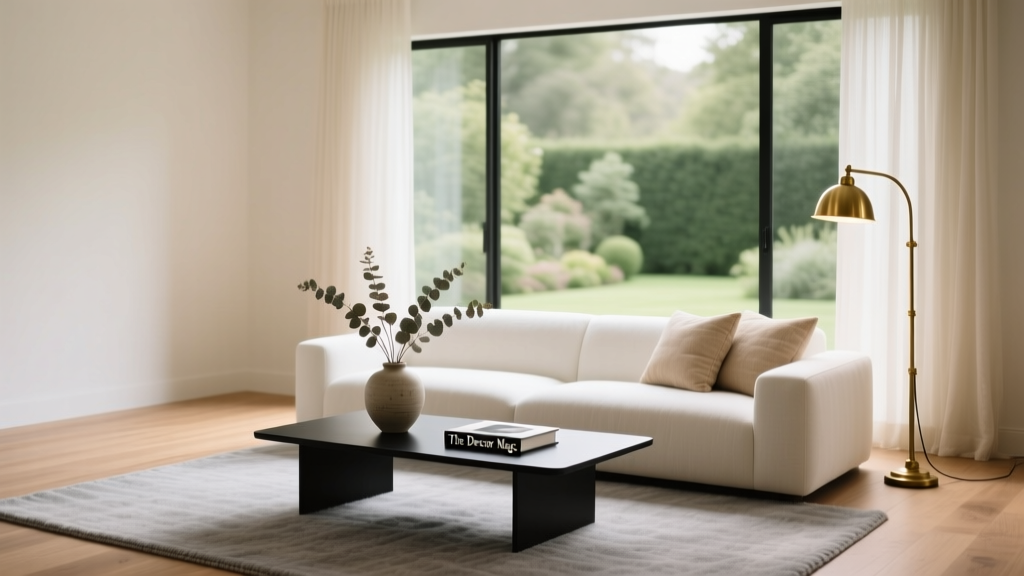
Living Room Relaxed Sophistication Guide - The Decor Mag
Relaxed sophistication is the sweet spot most living rooms aim for—even if we don’t always say it out loud. It’s the room where real life happens: shoes get kicked off, friends drop by, pets nap, and you still want it to look pulled-together at 6 p.m. on a random Tuesday. The goal isn’t a showroom. It’s a space that feels elevated without feeling precious.
This guide breaks down exactly how to create a living room that looks refined and feels easy to live in. You’ll learn how to balance comfort with polish using layout rules, smart measurements, layered lighting, and a mix of materials that read “designer” without being fussy. Expect practical steps, realistic budget ranges, and common mistakes to skip—whether you’re decorating from scratch, renting, or upgrading one piece at a time.
What “Relaxed Sophistication” Looks Like (and Why It Works)
In living room design, relaxed sophistication is the blend of:
- Comfort-forward pieces (deep seating, soft textiles, inviting rugs)
- Refined structure (intentional layouts, cohesive color palette, quality finishes)
- Warm minimalism (less clutter, more texture; fewer but better accessories)
- Timeless foundations with a nod to current design trends like curved silhouettes, earthy neutrals, mixed woods, and artisan lighting
It works because it’s livable. Your room feels calm and welcoming, yet visually considered—so it holds up for everyday use and still impresses guests.
Step 1: Build a Sophisticated, Relaxed Color Palette
The quickest path to a “high-end but effortless” living room is a calm base palette with depth. Think warm whites, soft greiges, oatmeal, taupe, clay, smoky blue, olive, and charcoal accents.
Simple Palette Formula (Easy to Apply)
- 70% base: walls, large rug, main upholstery (warm white, beige, greige)
- 20% mid-tones: wood tones, secondary seating, drapery (camel, mushroom, soft olive)
- 10% contrast: metal, art frames, accent pillows (matte black, aged brass, dark walnut)
Paint and Finish Tips
- Wall paint: choose eggshell for most living rooms (wipeable, soft sheen). Flat can look luxe but scuffs more.
- Trim: a clean satin finish adds subtle definition.
- Ceiling: flat white keeps things airy; consider a soft warm white to avoid a stark “box” effect.
Budget range: $40–$90 per gallon for quality paint; a typical living room often needs 2–4 gallons depending on coverage and ceiling/trim scope.
Step 2: Get the Layout Right (Measurements That Make a Room Feel Designer)
A relaxed sophisticated living room is never cramped, even when it’s small. That’s usually a layout issue, not a square-footage problem.
Key Spacing Rules
- Walkways: aim for 30–36 inches of clear path where people pass through.
- Coffee table distance: keep 14–18 inches between the sofa and coffee table (close enough for drinks, not shin-bumping).
- Rug size: the rug should be large enough for at least the front legs of all seating to sit on it. In many rooms, 8' x 10' is the minimum for a “grown-up” look; 9' x 12' is ideal if the room allows.
- TV viewing distance: a helpful guideline is about 1.5–2.5x the TV’s diagonal size. Example: a 65" TV typically looks best about 8–11 feet away.
Three Reliable Layouts
- Sofa + two chairs: classic, conversational, great for medium rooms.
- Sectional + one accent chair: ideal for family lounging; add a chair to keep it from feeling like one big blob.
- Two sofas facing each other: timeless and tailored; perfect for entertaining if your room is wide enough.
Real-world scenario: If you rent a long, narrow living room, float the sofa 6–12 inches off the wall and add a slim console table behind it (10–14" deep). This creates a polished “architecture” moment without renovations.
Step 3: Invest in Comfort You Can See—Sofas, Chairs, and Textiles
Relaxed sophistication relies on plushness, but not sloppiness. Look for silhouettes that feel tailored with soft edges.
What to Look for in a Sofa
- Seat depth: 22–24 inches is comfortable for most people; deeper (24–26") feels loungey.
- Seat height: 17–19 inches is standard; lower reads more modern.
- Upholstery: performance fabrics (solution-dyed acrylics, performance polyester blends) are renter- and family-friendly.
- Cushion fill: foam core with a down/feather wrap gives structure with softness (often the “designer” feel).
Materials That Read Elevated (But Stay Practical)
- Rugs: wool or wool-blends for longevity; for high-traffic homes, consider washable rugs with a thick rug pad to add body.
- Throws: linen, cotton, alpaca blends—avoid overly shiny synthetics that can look cheap.
- Pillows: feather inserts (or quality alternative down) with covers in linen, bouclé, velvet, or a subtle woven pattern.
Budget range:
- Sofa: $1,200–$3,500 (quality midrange); $700–$1,200 for entry-level; $3,500+ for heirloom brands
- Rug (8' x 10'): $300–$900 synthetic/washable; $900–$2,500 wool
- Pillow inserts: $20–$45 each for solid inserts that hold shape
Step 4: Layer Lighting for Instant Sophistication
Lighting is where relaxed sophistication really shows up. A single ceiling light makes even beautiful furniture feel flat. Aim for three layers: ambient, task, and accent.
A Simple Lighting Plan (Works in Most Living Rooms)
- Ambient: overhead fixture or semi-flush mount (especially good for rentals where recessed lights aren’t possible)
- Task: floor lamp by the sofa or reading chair
- Accent: table lamp, picture light, or wall sconces (plug-in sconces are renter-friendly)
Practical Specs
- Bulb temperature: 2700K for warm, inviting light (a relaxed, upscale feel).
- Lumens: target roughly 1,500–3,000 lumens total across the room depending on size and natural light.
- Dimmer switches: one of the best upgrades—especially for evening ambiance.
Product recommendations (style direction): choose aged brass or matte black finishes, linen shades, and sculptural ceramic bases. These small details elevate the entire living room decor story.
Step 5: Mix Materials Like a Designer (Wood, Metal, Stone, and Softness)
Current design trends favor warmth and authenticity: mixed woods, organic shapes, and tactile surfaces. The timeless principle: repetition + contrast.
Winning Material Combos
- Warm wood + matte black: grounded, modern, easy to maintain
- Oak + aged brass: classic, softly glamorous
- Walnut + creamy textiles: moody but welcoming
- Stone (or faux stone) + linen: refined, airy, expensive-looking
How to Keep Mixed Woods Cohesive
- Limit to 2–3 wood tones in the main room.
- Repeat each wood tone at least twice (e.g., coffee table + picture frames).
- Use a “bridge” material: woven cane, leather, black metal, or a neutral rug.
Step 6: Style the Room with Intent (Not Clutter)
Relaxed sophistication feels curated. That doesn’t mean sparse—it means edited.
Coffee Table Styling Formula
- One grounding piece: tray or large book
- One organic element: vase, branch, plant
- One personal item: candle, small sculpture, coaster set
Art and Wall Decor Guidelines
- Hanging height: center art around 57–60 inches from the floor (gallery standard).
- Over a sofa: art should be about 2/3 the width of the sofa (or a grouping that visually reads that wide).
- Frames: black, walnut, or brass create a refined finish; use mats to make even affordable prints look elevated.
Real-world scenario: If you’re working with a hand-me-down sofa, upgrade the “frame” around it: a larger rug, tailored curtains hung high, and a substantial coffee table. The room will feel intentionally designed even if the sofa isn’t your forever piece.
Step 7: Window Treatments That Instantly Look High-End
Nothing says “finished living room” like properly hung drapery. It also softens sound, adds warmth, and improves privacy.
Measurements for Drapery That Looks Custom
- Rod height: hang 4–6 inches above the window frame, or 1–2 inches below the ceiling for height.
- Rod width: extend 8–12 inches beyond each side of the window so curtains stack off the glass.
- Length: for sophistication, aim for 1/2 inch above the floor (clean) or 1–2 inches puddle (soft, romantic—less practical with pets).
- Fullness: total curtain width should be 2x the window width for a luxe look.
Budget range: $40–$120 per panel for ready-made curtains; $200–$800+ for custom depending on fabric and size.
Common Mistakes That Undercut Relaxed Sophistication
- Rug too small: it shrinks the room and makes furniture look disconnected.
- All matching sets: matching sofa/loveseat sets can feel dated; mix a sofa with chairs for a more current living room design.
- Harsh lighting: cool 5000K bulbs read office-like; choose warm 2700K and add dimmers.
- Pushing everything against the walls: floating furniture (even slightly) creates a more intentional layout.
- Too many tiny accessories: lots of small decor reads cluttered; go fewer, larger pieces.
- Ignoring scale: a petite coffee table in front of a large sectional looks lost—size the table to the seating.
Putting It All Together: Two Real-Life Design Plans
Plan A: Small Apartment Living Room (Rental-Friendly, 350–600 sq ft)
- Rug: 8' x 10' washable rug + 1/4" rug pad
- Sofa: 72–84" sofa in performance fabric
- Coffee table: 36–48" long; consider oval to improve flow
- Lighting: plug-in sconce + floor lamp + warm bulbs
- Storage: closed-media console (60–72" wide) to hide visual noise
- Budget: $1,500–$4,000 depending on sofa and rug choices
Plan B: Family Living Room (Durable, 600–1,000+ sq ft)
- Rug: 9' x 12' wool-blend or high-quality synthetic
- Seating: sectional + 1 accent chair (or 2 chairs if you entertain)
- Tables: large storage ottoman (upholstered) + side tables for drinks
- Lighting: overhead fixture + 2 table lamps + floor lamp on dimmers
- Materials: performance upholstery, stain-resistant finishes, rounded corners for safety
- Budget: $3,500–$9,000 depending on seating and rug investment
FAQ: Relaxed Sophistication Living Room Design
What’s the easiest upgrade for a more sophisticated living room?
Upgrade your lighting and rug size. Add at least two lamps with warm 2700K bulbs and swap to a larger rug (often 8' x 10' minimum). These two changes instantly make a living room feel more intentional and upscale.
How do I make my living room look expensive on a budget?
Focus on “high-impact, not high-quantity”: neutral paint, taller curtains hung close to the ceiling, matching hardware finishes (matte black or aged brass), and a few large-scale decor pieces (oversized art, substantial coffee table). Skip lots of small accessories.
What are the best living room materials for kids and pets?
Performance fabric upholstery, low-pile rugs, and washable covers are your best friends. Look for tightly woven fabrics, darker mid-tone rugs, and tables with sealed wood or durable finishes. Add a rug pad to prevent slipping and extend rug life.
Can relaxed sophistication work with a TV as the focal point?
Yes. Use a media console that’s wider than the TV (typically 6–12 inches wider on each side) and balance it with art, books, or sconces. Conceal cords and consider a matte frame TV or a simple gallery wall around it to blend it in.
How many throw pillows should I have on my sofa?
For most sofas, 3–5 pillows look styled but still livable. A simple formula: two larger pillows (22"–24"), two medium (20"), and one lumbar (12" x 20") for structure.
What living room design trends fit relaxed sophistication right now?
Curved furniture edges, earthy neutrals, artisan ceramics, mixed wood tones, limewash-style walls, and textured fabrics like bouclé and linen. Pair these with timeless staples—good proportions, quality lighting, and a cohesive palette—so the room won’t feel dated next year.
Your Next Steps: A Simple Weekend Plan
- Measure your room, rug zone, and main walkways (aim for 30–36" clearance).
- Choose a palette using the 70/20/10 rule and commit to consistent metal finishes.
- Fix the rug size first (it sets the scale for everything else).
- Add layered lighting with at least two lamps and warm 2700K bulbs.
- Edit surfaces using fewer, larger decor pieces and one personal touch per vignette.
A relaxed sophisticated living room isn’t about perfection—it’s about smart foundations, comfortable materials, and a little restraint. Keep it livable, keep it layered, and let the room reflect how you actually spend time at home.
Explore more living room ideas, layouts, and decor guides on thedecormag.com to keep refining your space—one smart upgrade at a time.
More Articles
 Mid-Century Modern Living Room Must-Haves - The Decor Mag
 How to Create a Cozy Winter Living Room - The Decor Mag
 Best Conversation Pit Ideas - The Decor Mag
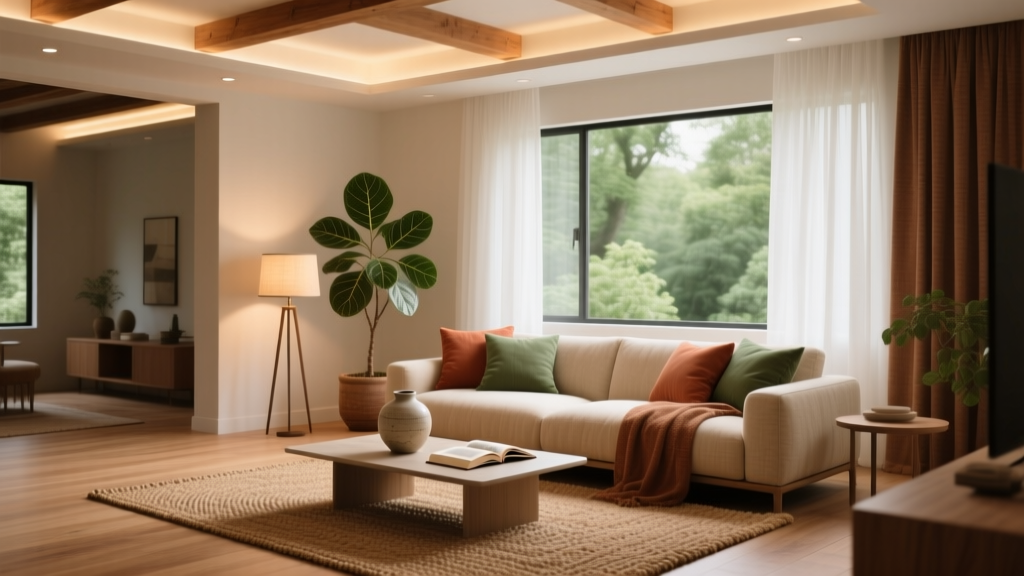 How to Create a Warm Inviting Living Room - The Decor Mag
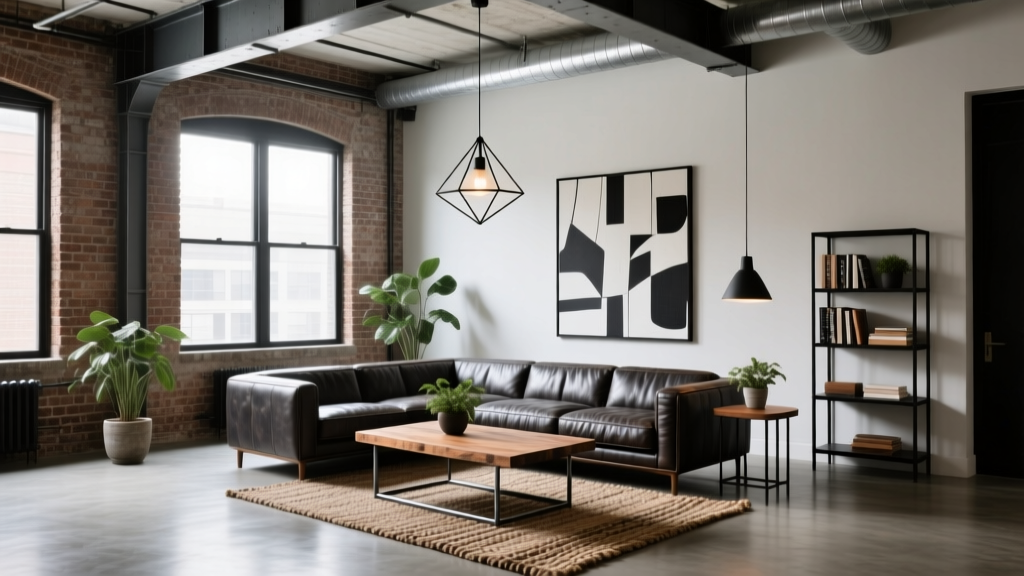 Industrial Chic Living Room Inspiration - The Decor Mag
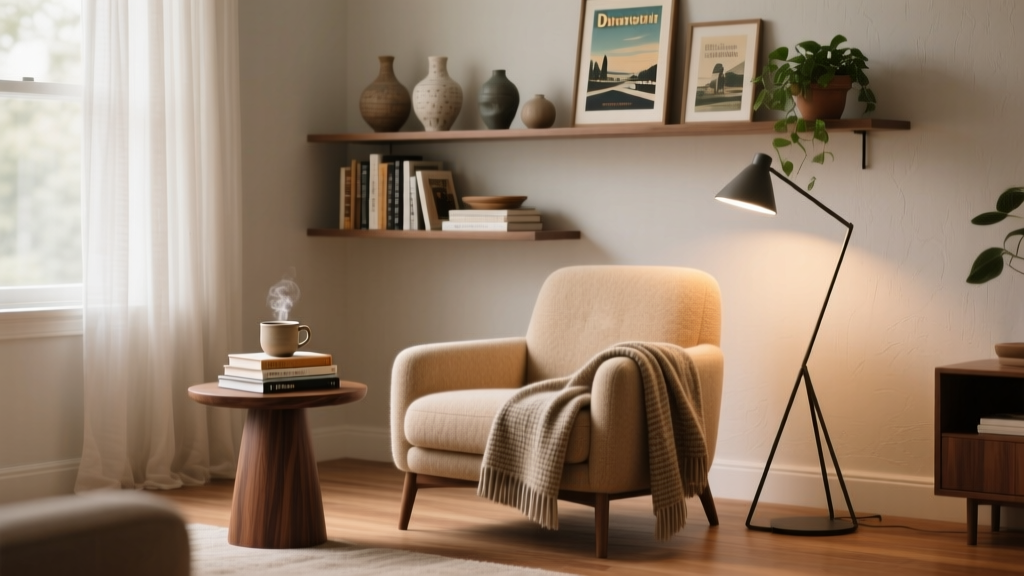 Living Room Cozy Reading Corner Inspiration - The Decor Mag
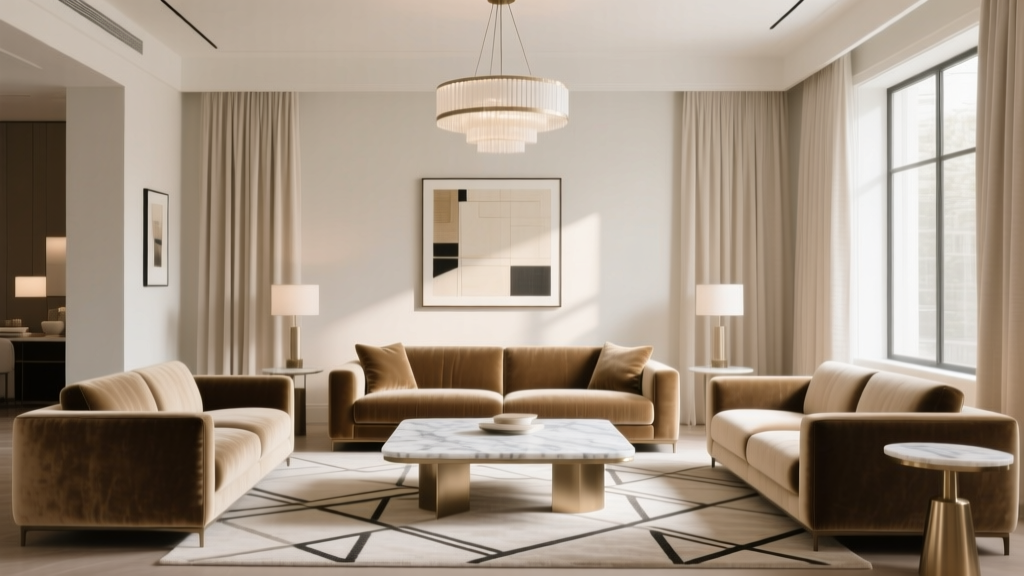 How to Create a Formal Living Room - The Decor Mag
 Best Console Styling for Behind Couch - The Decor Mag
 Coastal Living Room Decor Inspiration - The Decor Mag
 Living Room Fireplace Styling Ideas (2026)