Mix Wood Tones in Living Room Furniture (2026)
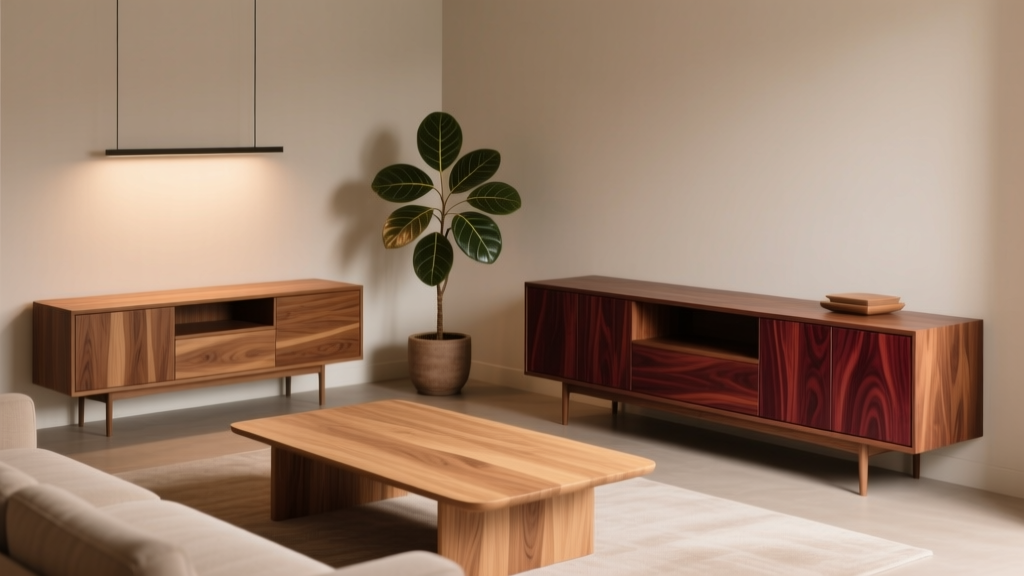
Mixing wood tones used to feel like a decorating “rule-breaker.” Many of us grew up with matching sets—matching coffee table, end tables, TV stand, all in the same stain—because it felt safe and coordinated. But a living room filled with one identical wood finish can read flat, predictable, and (ironically) less polished than a thoughtfully mixed space.
When you mix wood tones well, you get depth, warmth, and that collected-over-time look designers love. The best part: it works in rentals, small apartments, open-concept homes, and everything in between. This guide will show you how to mix light and dark woods, warm and cool undertones, and different wood grains in your living room furniture—without it feeling chaotic.
You’ll learn how to choose a “lead” wood tone, how to balance contrast, how to use textiles and metals as bridges, and how to fix a room that already has too many mismatched pieces. Along the way, you’ll get real-world scenarios, common mistakes to avoid, and shopping-friendly recommendations with budget ranges.
Why Mixing Wood Tones Works (and Why Matching Isn’t Always Better)
Wood is one of the strongest visual elements in living room design. It carries color, texture, grain pattern, and sheen—so it naturally draws the eye. When everything matches, the room can feel like a showroom set. When you mix, it feels layered and lived-in.
- Depth: Contrasting tones create dimension, especially in rooms with neutral walls.
- Flexibility: You can add or replace pieces over time without re-buying an entire “set.”
- Character: Varied grain and patina adds richness—particularly with vintage or secondhand finds.
- Modern relevance: Current design trends lean toward curated, mixed-material interiors rather than perfectly matched suites.
Start Here: Identify Your Wood Tones and Undertones
Step 1: List what you already have
Before shopping, take inventory of the woods you see from the living room:
- Living room furniture (coffee table, end tables, media console, bookcases)
- Flooring (hardwood, laminate, LVP)
- Built-ins or trim (baseboards, window frames, doors)
- Adjacent spaces in open layouts (kitchen cabinets, dining table)
Step 2: Determine tone (light/medium/dark) and undertone (warm/cool/neutral)
Two oak pieces can look “off” together because of undertones, not just darkness. Use this quick cheat sheet:
- Warm woods: Honey oak, walnut, cherry, acacia, teak (often read yellow, red, or golden)
- Cool woods: Ash, some maples, weathered gray finishes (often read gray, taupe, or slightly green)
- Neutral woods: Many white oaks, natural oak, and balanced walnuts (minimal yellow/red)
Practical tip: View wood in daylight and at night. Warm bulbs (2700K) make wood look warmer; cooler bulbs (3000–3500K) can neutralize or gray it out. If you can, aim for 2700K–3000K in the living room for a cozy, true-to-wood glow.
Choose a “Lead” Wood Tone (Your Anchor)
A mixed-wood living room still needs a clear anchor. Usually, it’s the largest wood surface already in the space:
- Hardwood flooring
- A large media console
- A substantial coffee table
- Built-in shelving or a fireplace mantel
Rule of thumb: Let the anchor wood cover roughly 40–60% of the visible wood in the room. The remaining 40–60% can be split across one or two secondary tones.
Example: If you have medium warm oak floors (anchor), you might add a darker walnut coffee table (secondary) and a light ash side table (accent). This creates contrast without feeling random.
A Simple Formula Designers Use: 2–3 Wood Tones, Repeated
Most living rooms look best with two main wood tones and a third accent tone. More can work, but it’s harder to keep intentional—especially in small spaces.
Try this reliable mix:
- Anchor wood: Floors or largest wood furniture
- Secondary wood: Coffee table or media console in a contrasting depth
- Accent wood: Picture frames, a small stool, lamp base, or tray to “echo” the mix
Key move: Repeat each wood tone at least twice in the room so it reads intentional. For example, if you bring in walnut, repeat it again in a frame, a shelf, or a small side chair.
How to Mix Light and Dark Woods Without Clashing
Contrast is your friend—when it’s balanced. A light oak coffee table with a dark espresso media console can look sharp and modern if you create a visual “bridge” between them.
Bridging strategies that work
- Add a mid-tone: A camel leather pillow, a woven basket, or a medium-tone picture frame can connect extremes.
- Use black as a buffer: Matte black legs on furniture (or black metal decor) helps light and dark woods coexist.
- Choose similar grain scale: Pair open-grain oak with open-grain walnut; pair smoother maple with smoother finishes.
- Keep finishes consistent: If one piece is glossy and another is super matte, the mismatch can feel accidental. Aim for similar sheen levels (often satin/matte for current trends).
Real-world scenario: You rent an apartment with orange-leaning oak floors (warm, medium). You want a dark coffee table. Choose a walnut tone (warm dark) instead of an espresso tone (often cooler/blackened). Then repeat walnut with a small floating shelf or picture frames to make it look planned.
Mix Wood Finishes with Other Materials for a More Elevated Look
If your living room design feels too “wood heavy,” the fix isn’t always swapping furniture—it’s adding contrast through materials. Mixing wood tones looks more intentional when other finishes support the palette.
Materials that pair beautifully with mixed wood
- Metal: Matte black (modern), aged brass (warm and classic), polished nickel (clean and bright)
- Stone: Travertine, marble, concrete, quartz-look tops
- Glass: Lightens the visual weight of dark woods
- Textiles: Bouclé, linen, wool, and leather add softness and “bridge” undertones
Product-style recommendation: If you’re worried about mixing wood tones, choose a coffee table with a wood base + stone or glass top. This reduces the amount of wood finish you’re introducing while still adding warmth.
Furniture Placement and Measurements That Help Wood Mixing Feel Intentional
Even perfect wood tone choices can feel “off” if the layout is crowded or the scale is mismatched. Use these practical guidelines to keep the living room cohesive.
- Coffee table sizing: Aim for 2/3 the length of your sofa. Keep 14–18 inches between sofa and table for comfortable movement.
- Side table height: Within 1–2 inches of your sofa arm height for a tailored look.
- Rug sizing: A rug that’s too small makes mixed woods feel choppy. In most living rooms, choose at least an 8' x 10' (or 9' x 12' for larger rooms) so front legs of seating sit on the rug.
- Visual spacing: If you have multiple wood pieces on one wall (media console + shelves), break it up with art, negative space, or metal accents.
Room-by-Room Scenarios: What Mixing Wood Tones Looks Like in Real Life
Scenario 1: Small apartment with light floors
Existing: Light natural oak LVP floor (neutral-light), white walls, gray sofa.
Goal: Cozy, modern living room design with warmth.
- Add a medium walnut media console for grounding.
- Choose a light oak round side table to echo the floor (repeat).
- Bring in black metal in a floor lamp and picture frames to sharpen the mix.
Budget range: $400–$900 for a quality media console; $80–$250 for side tables; $60–$200 for frames/lamps.
Scenario 2: Rental with orange-toned hardwood you can’t change
Existing: Warm/orange oak floors, beige walls, inherited cherry end tables.
Goal: Make it feel updated, not dated.
- Keep the cherry end tables, but introduce a neutral-warm walnut coffee table (less red than cherry).
- Add a large rug with soft neutrals (ivory, taupe, muted rust) to calm the orange undertone.
- Use aged brass accents (lamp, hardware, tray) to make warm woods feel intentional and elevated.
Budget range: $250–$700 for a coffee table; $250–$800 for an 8' x 10' rug (often the best “fix” investment in rentals).
Scenario 3: Open-concept space where living room meets kitchen
Existing: Dark espresso kitchen cabinets, light oak dining table nearby.
Goal: Living room furniture that connects both zones.
- Choose a living room anchor in a medium tone (like walnut) to bridge light and dark.
- Repeat espresso via blackened wood frames or a small accent table near the sofa.
- Repeat oak via a light wood tray or a bench with oak legs.
Wood Species and Finishes That Are Easiest to Mix
Not all woods play equally well with others. If you’re building a living room furniture set over time, these are friendly choices.
- White oak (natural/sealed): A modern classic; mixes with warm and cool palettes.
- Walnut (medium to dark): Rich without going too black; pairs beautifully with light oak and cream upholstery.
- Ash (light, slightly cool): Great for airy, Scandinavian-inspired living rooms.
- Teak (golden warm): Works well in mid-century modern living rooms; pair with ivory, olive, and brass.
Material recommendation: For long-lasting furniture, look for solid wood or solid wood veneer over plywood (more stable than MDF in larger surfaces). If you’re shopping budget-friendly, a quality veneer can still look high-end—just avoid ultra-glossy, orange-heavy stains that scream “matchy set.”
Step-by-Step: How to Add a New Wood Piece to Your Living Room
- Photograph your room in natural light and note your anchor wood.
- Pick your contrast level: either stay within 1 tone (light + light/medium) or go bold (light + dark).
- Match undertones when possible: warm with warm, cool with cool, or use a neutral (white oak/walnut) as a bridge.
- Repeat the new tone once more with a small decor item (frame, bowl, shelf, lamp base).
- Balance across the room: Don’t cluster all dark woods on one side. Spread tones left-to-right for visual stability.
Common Mistakes to Avoid When Mixing Wood Tones
- Buying everything in a different tone: Variety without repetition reads like hand-me-down chaos. Keep it to 2–3 tones.
- Ignoring undertones: A cool gray-washed “farmhouse” table can fight with warm honey floors.
- Overusing red woods: Cherry and mahogany can dominate. If you have one red-leaning piece, balance with neutral woods and calm textiles.
- Too many heavy woods: Multiple dark, bulky pieces can make a living room feel smaller. Mix in lighter finishes, open legs, glass, or a lighter rug.
- Forgetting sheen: A glossy espresso next to a matte walnut can look mismatched even if both are dark.
- Skipping the rug: A properly sized rug is often the “glue” that makes mixed wood living room furniture look cohesive.
Current Design Trends (and the Timeless Principles Behind Them)
Trends come and go, but the best ones have a timeless backbone. Right now, living room design is embracing:
- Natural oak and “raw” finishes (matte sealers, visible grain) for warmth and authenticity
- Vintage-inspired walnut for a mid-century modern edge
- Mixed materials (wood + stone, wood + metal) for a curated look
- Warm minimalism—fewer pieces, better quality, and more texture
The timeless principle: contrast + repetition + balance. If your room has those three, mixed wood tones will look like a design choice, not a compromise.
FAQ: Mixing Wood Tones in Living Room Furniture
How many wood tones should be in a living room?
Two main wood tones plus one accent tone is a sweet spot for most living rooms. If you go beyond three, repeat each tone at least twice and rely on a large rug to keep the space visually calm.
Can you mix warm and cool wood tones?
Yes—just use a “bridge.” Neutral woods like natural white oak or walnut help connect warm and cool. Black metal accents and textiles (like ivory rugs or taupe curtains) also smooth the transition.
Do all wood pieces need to match the floor?
No. The floor should act as the anchor, not the dictator. Matching everything to the floor can make the room feel one-note. Instead, echo the floor tone once (a side table or frame) and introduce a contrasting secondary wood for depth.
What’s the easiest way to make mismatched wood furniture look intentional?
Repeat tones and add a unifying element: a large rug, consistent metal finish (like matte black or aged brass), and coordinated textiles (pillows/throws) that pull the room’s color palette together.
Should my coffee table and TV stand be the same wood tone?
They don’t have to match. If they’re different, keep their undertones compatible and repeat each tone somewhere else (frames, shelves, or a small accent piece). A coffee table with a stone or glass top is another easy solution.
What wood tones look best with gray sofas?
Gray sofas work with most woods, but they shine with natural oak (fresh and modern) or walnut (warm and elevated). Add a textured rug and warm lighting to keep gray from feeling cool or flat.
Your Next Steps: A Simple Plan for a Cohesive Mixed-Wood Living Room
If you want results without overthinking it, follow this quick plan:
- Choose your anchor wood (usually floors or the biggest furniture piece).
- Add one contrasting secondary wood (often walnut or natural oak—both are versatile).
- Repeat each wood tone at least twice through small decor.
- Use a properly sized rug (often 8' x 10' or larger) to unify the palette.
- Keep finishes consistent (matte/satin is the easiest to mix and feels current).
When mixed wood tones feel warm, balanced, and repeated across the room, your living room furniture instantly looks more designer—whether you’re working with thrifted finds, family hand-me-downs, or a few new investment pieces.
Looking for more living room design and decor ideas? Explore more inspiration, layouts, and styling guides on thedecormag.com.
More Articles
 Best Console Styling for Behind Couch - The Decor Mag
 Wood Care Tips for Living Rooms in 2026
 Living Room Sectional Sofa Configurations - The Decor Mag
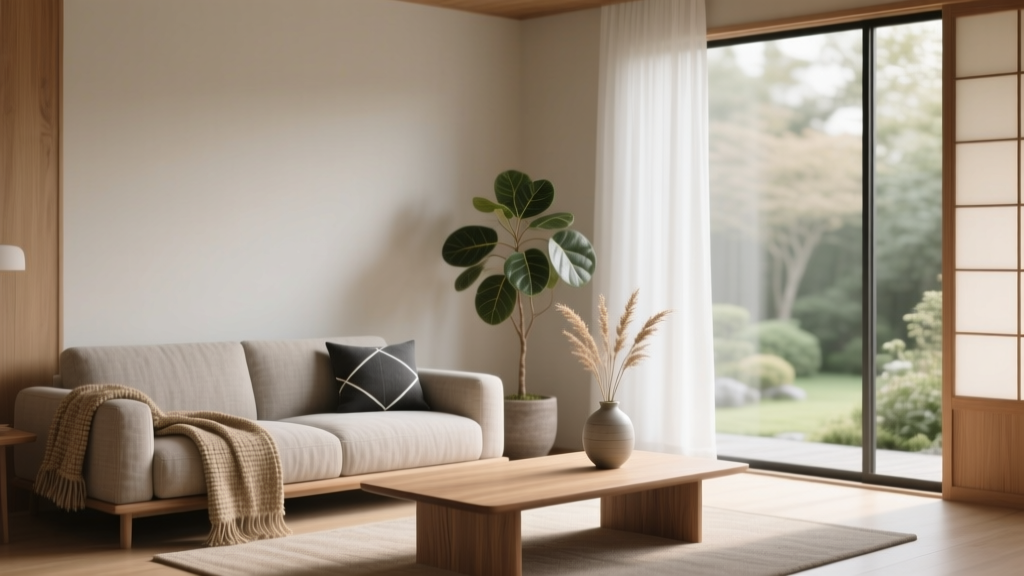 Living Room Japandi Style Guide - The Decor Mag
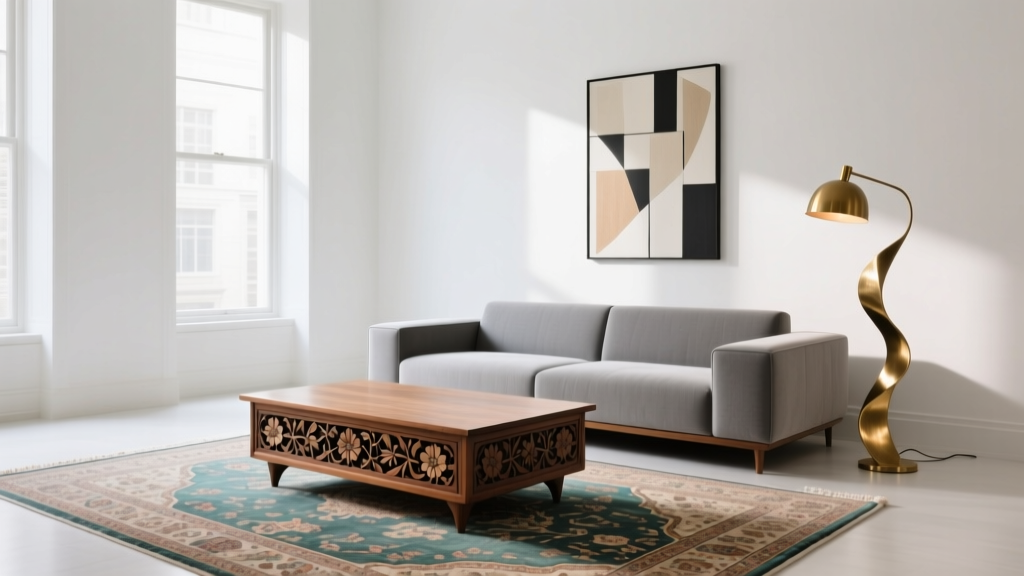 Antique Living Room Decor: Modern Mix Ideas (2026)
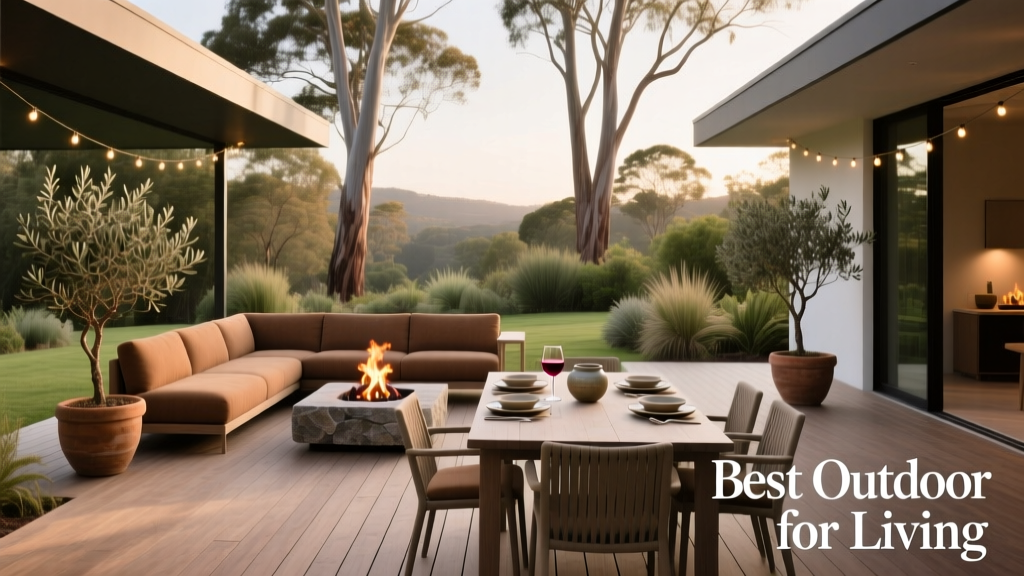 Outdoor Living Spaces: Design Principles That Work
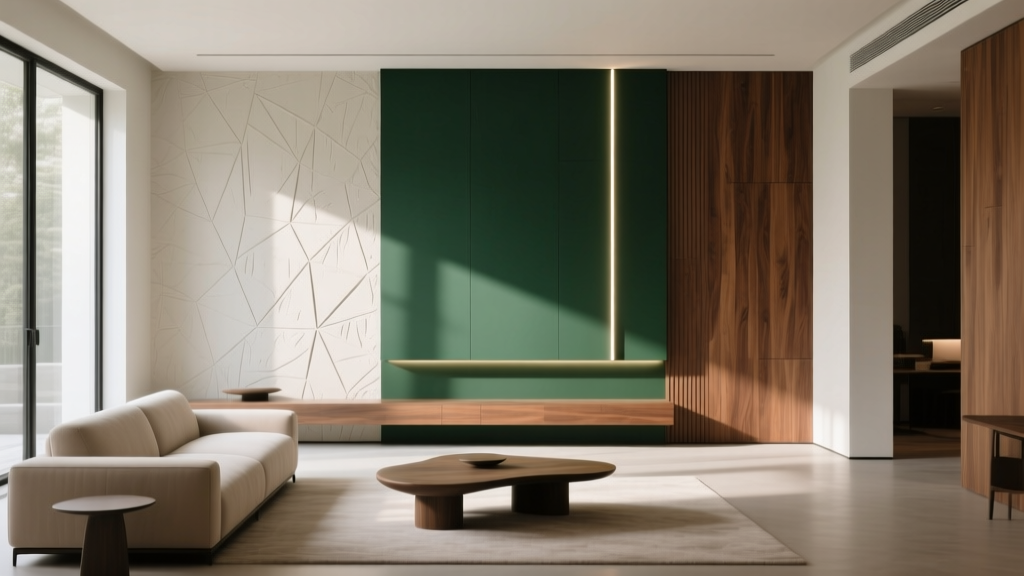 Best Wall Treatments for Living Rooms - The Decor Mag
 Bathroom Essentials 2026: Fixtures & Smart Upgrades
 Smart Space Allocation for Real Homes in 2026
 Budget-Friendly Smart Organization Ideas for 2026