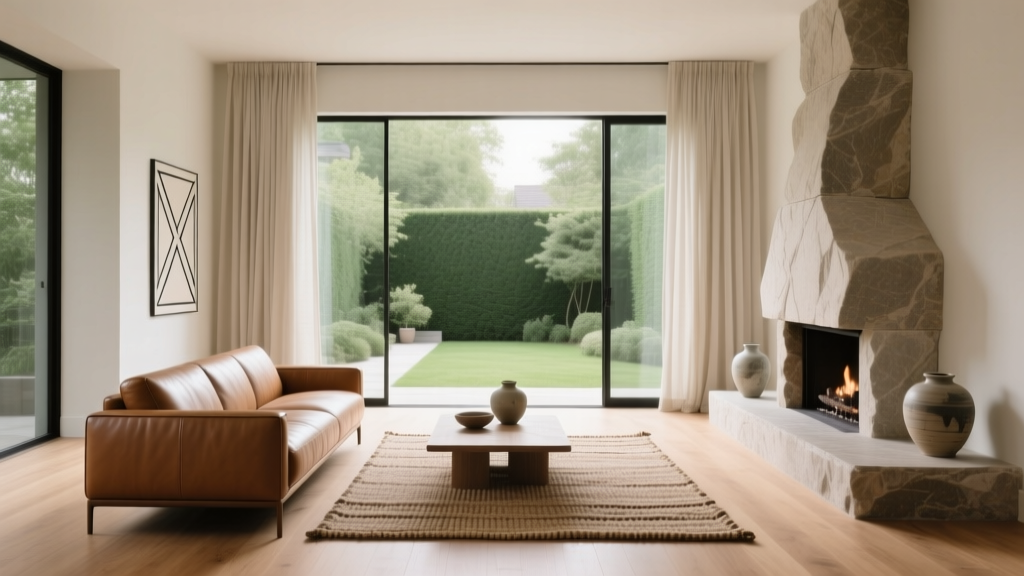
Living Room Timeless Design Elements - The Decor Mag
A living room does a lot of heavy lifting. It’s where you land after a long day, where friends gather for conversation, and where family routines quietly happen—movie nights, homework, weekend naps. Because it’s such a high-use space, design choices here need staying power. A timeless living room isn’t boring or stuck in the past; it simply means the big decisions hold up beautifully as trends shift and your life changes.
The best “forever” spaces balance classic principles (proportion, comfort, quality materials) with a few modern updates that keep the room feeling current. This guide breaks down the timeless design elements that consistently make living rooms look polished and inviting—plus practical measurements, budget ranges, and easy upgrades whether you own or rent.
You’ll learn how to build a flexible layout, choose enduring colors and materials, invest where it counts, and style the finishing touches that make a room feel lived-in but elevated.
What Makes a Living Room Timeless?
Timeless living room design isn’t a single style (traditional, modern, coastal, transitional). It’s a set of smart choices that:
- Support everyday comfort and conversation
- Use durable, natural-looking materials that age well
- Rely on proportion and balance over trendy shapes
- Layer lighting and texture for depth
- Leave room to swap accents seasonally or as tastes evolve
Think of it as building a “neutral foundation” with a few personal, trend-aware touches you can change without replacing the sofa or redoing the floors.
1) A Strong Layout: The Most Timeless Element of All
Even the best decor can’t save a room with awkward spacing. A timeless living room starts with a layout that encourages movement and conversation.
Classic layout rules (with real measurements)
- Walkways: Aim for 30–36 inches for main pathways. In tight rooms, 24 inches can work.
- Sofa-to-coffee-table distance: Keep 14–18 inches so it’s easy to reach a drink without feeling cramped.
- Rug sizing: Choose a rug large enough for at least the front legs of all seating to sit on it. For most living rooms, 8' x 10' or 9' x 12' is more timeless than a small “floating” rug.
- TV viewing distance: A comfortable starting point is roughly 1.5–2.5x the TV’s diagonal size. Example: a 65" TV often feels best at about 8–12 feet away.
- Conversation spacing: Keep seating pieces within 6–10 feet so people can talk without raising their voices.
Real-world layout scenarios
Small apartment living room: You have a loveseat, a chair, and a media console. A timeless approach is to:
- Float the rug (8' x 10' if it fits) under the front legs of the loveseat and chair
- Add a round coffee table (30–36" diameter) to soften tight pathways
- Use a slim console table (12–14" deep) instead of bulky storage
Open-concept family room: Anchor the space by floating the sofa and defining a clear “zone” with a larger rug (9' x 12' is often ideal), then add a console behind the sofa to create a natural boundary and extra surface area.
2) Enduring Furniture Shapes (That Won’t Feel Dated)
When you want timeless living room decor, prioritize classic silhouettes over overly sculptural, trend-specific pieces. Curves are popular right now, and they can still be timeless—when balanced with clean lines and practical comfort.
Timeless furniture staples
- A well-proportioned sofa: Look for a clean profile, supportive seat depth, and durable upholstery. Many people love a seat depth around 21–24 inches (deeper if you lounge).
- Pair of accent chairs: Matching chairs feel classic and make conversation layouts easier.
- Solid wood or wood-look casegoods: Media consoles and sideboards in oak, walnut, or painted finishes age well.
- A versatile coffee table: Rectangular for sectionals, round or oval for tighter rooms or high-traffic paths.
Product recommendations and budget ranges
- Sofa:
- Budget: $900–$1,800 (look for kiln-dried frames where possible, removable cushions)
- Mid-range: $1,800–$3,500 (better foam density, upgraded fabrics)
- Investment: $3,500–$7,000+ (benchmade frames, performance fabrics, customizable sizes)
- Rug (8' x 10'):
- Budget: $200–$600 (polypropylene or washable styles for pets/kids)
- Mid-range: $600–$1,500 (wool blends, better backing)
- Investment: $1,500–$5,000+ (hand-knotted wool, higher longevity)
- Coffee table: $150–$1,200+ depending on materials (solid wood and stone tend to cost more but wear beautifully)
3) A Timeless Color Palette: Warm Neutrals + Soft Contrast
Timeless living room color schemes are rarely “all beige” or “all gray.” The most enduring rooms use neutrals with warmth and contrast, then add color through art, pillows, and throws.
Go-to timeless palette formulas
- Warm white walls + oatmeal upholstery + black accents + natural wood
- Soft greige walls + camel leather + brass lighting + ivory textiles
- Muted sage or dusty blue (as an accent) + cream foundation + walnut wood
Paint and finish tips
- Sheen: For living room walls, eggshell is a practical sweet spot (more wipeable than flat, less shiny than satin).
- Ceilings: A crisp flat white keeps things classic and visually lifts the room.
- Trim: If you want timeless contrast, choose trim 1–2 shades brighter than the wall color, or classic white for a clean frame.
Trend tie-in: Warmer neutrals and “quiet luxury” tones are very current, but they’re also rooted in timeless principles—soft contrast, natural materials, and calm backdrops.
4) Natural, Honest Materials That Age Gracefully
Materials are where timeless design really shows. If you’re deciding between something that looks good now versus something that will still look great five years from now, choose finishes that wear in rather than wear out.
Timeless material choices
- Wood: Oak, walnut, and ash (or quality veneers) with matte or satin finishes
- Stone: Marble, travertine, limestone, or quartz with subtle veining (avoid overly busy patterns if you want longevity)
- Metals: Aged brass, blackened steel, brushed nickel (mixing 2 finishes can feel collected and classic)
- Textiles: Linen blends, wool, cotton, leather, bouclé (best in moderation)
Performance fabrics for real life
If your living room hosts pets, kids, or frequent guests, “timeless” also means easy to maintain:
- Look for performance fabric or high-rub-count upholstery
- Choose medium-tone solids or subtle textures that hide wear better than stark white or very dark fabrics
- Consider removable, washable covers for rental-friendly practicality
5) Layered Lighting: The Designer Move That Always Works
Lighting is one of the fastest ways to make a living room feel expensive and intentional. A single overhead fixture rarely flatters a space on its own. Timeless living room lighting uses layers.
The 3-layer lighting plan
- Ambient: Overhead fixture, flush mount, or recessed lights for general illumination
- Task: Floor lamp near a reading chair, table lamp on a side table
- Accent: Picture light, sconce, or a directional lamp highlighting art or a bookshelf
Practical placement and sizing
- Table lamps: Aim for the bottom of the shade at about eye level when seated (often a lamp height around 24–32 inches, depending on table height).
- Floor lamps: Place within 6–12 inches of seating for functional reading light.
- Bulb temperature: Choose 2700K for a warm, inviting glow (a classic choice for living rooms).
- Dimmers: If you do one electrical upgrade, make it dimmers—they instantly add flexibility and mood.
6) Texture and Layering: The Secret to a Collected Look
Timeless living rooms rarely rely on loud patterns to feel finished. Instead, they layer texture: woven, nubby, smooth, and matte surfaces that create depth without visual noise.
A simple texture formula
- Soft: Upholstery + throw blanket (cotton, wool, mohair blend)
- Structured: Wood furniture + a ceramic or stone lamp
- Woven: Rug + baskets or a cane detail
- Reflective: A mirror or metal accent (brass/black) to bounce light
Quick styling upgrades (renter-friendly)
- Add two throw pillows in a similar palette but different textures (example: linen + boucle)
- Swap a basic throw for a wool-blend or chunky knit
- Use a tray on the coffee table to corral remotes and candles
7) Classic Window Treatments: Height, Softness, and Function
Window treatments are often overlooked, but they’re a hallmark of timeless living room design. The right curtains add softness, height, and polish.
Measurements that make curtains look tailored
- Hang high: Mount curtain rods 4–8 inches above the window frame (or closer to the ceiling for extra height).
- Go wide: Extend the rod 8–12 inches past each side of the window so panels can stack without blocking light.
- Length: For a clean look, curtains should kiss the floor or hover 1/2 inch above.
Materials that stay in style
- Linen or linen-blend panels for relaxed elegance
- Cotton twill for a crisp, tailored feel
- Roman shades (woven wood or fabric) for a classic, space-saving option
8) Art, Personal Objects, and Scale: Where Timeless Meets You
A timeless living room should never feel like a showroom. The most memorable spaces include art and objects with meaning—travel finds, family photos, vintage pieces—styled with intention.
Scale guidelines that work
- Art above a sofa: Aim for artwork that’s about 2/3 the width of the sofa. Example: a 90" sofa pairs well with art around 60" wide (one large piece or a balanced grouping).
- Hanging height: Keep the center of the artwork around 57–60 inches from the floor (gallery standard), adjusting slightly for ceilings and furniture.
- Gallery wall spacing: Maintain 2–3 inches between frames for a cohesive look.
Real-world example: making builder-basic feel custom
Imagine a rental with beige carpet, basic blinds, and a standard ceiling light. A timeless refresh could look like:
- A large neutral rug layered over the carpet to define the seating zone
- Floor-length linen-blend curtains hung high to elevate the walls
- A large-format art print (or two matching frames) to bring scale and personality
- Two warm table lamps with 2700K bulbs to soften evening light
Common Mistakes to Avoid in Timeless Living Room Design
- Buying a rug that’s too small: This is the #1 reason living rooms feel “off.” Size up whenever possible.
- Pushing all furniture against the walls: Floating pieces (even slightly) creates a more intentional, conversational layout.
- Overcommitting to trends: Bouclé, ultra-curvy sofas, and high-contrast patterns can be fun—just keep trend-forward items to accents you can swap.
- Ignoring lighting: One overhead fixture makes rooms feel flat. Layered lighting is a timeless upgrade.
- Choosing style over comfort: If the sofa isn’t supportive or the chairs aren’t inviting, the room won’t get used—no matter how beautiful it looks.
- Too many small decor items: Lots of tiny pieces can read as clutter. Mix in fewer, larger objects for a calmer, more classic look.
A Step-by-Step Plan to Create a Timeless Living Room
- Start with the layout: Measure the room, map walkways (30–36"), and decide on your main focal point (fireplace, TV, view).
- Choose a foundational palette: Warm neutral walls + one or two supporting tones. Keep bold colors for accents.
- Invest in “big anchors”: Sofa, rug, and a quality coffee table or media console.
- Layer lighting: Add at least two lamps and use warm bulbs (2700K). Consider dimmers.
- Add softness: Curtains, pillows, throws—mix textures, keep patterns restrained.
- Finish with personal details: Art at the right scale, books, and meaningful objects—edited, not overfilled.
FAQ: Living Room Timeless Design Elements
What colors are best for a timeless living room?
Warm whites, soft greige, taupe, muted earthy tones, and gentle contrast (black, walnut, aged brass) tend to look current for years. Add color through pillows, art, and decor so it’s easy to update.
How do I make my living room look timeless on a budget?
Prioritize a properly sized rug, better lighting (two lamps with warm bulbs), and curtains hung high and wide. These three changes can dramatically elevate a space for roughly $300–$1,500 depending on rug size and curtain choices.
What’s the most timeless sofa color?
Oatmeal, light taupe, warm gray, and camel leather are consistently versatile. If you worry about stains, choose a textured performance fabric in a mid-tone neutral.
What size rug should I get for my living room?
Most living rooms need at least an 8' x 10'. If you have a larger seating arrangement or open concept space, 9' x 12' often looks more proportional. Aim for front legs of all seating on the rug.
Are trends like curved furniture and bouclé timeless?
They can be, but they’re best used thoughtfully. If you love the look, consider a single curved accent chair or bouclé ottoman rather than committing to a large trend-shaped sofa as your main anchor.
How do I make a rental living room feel more permanent and polished?
Use floor-length curtains, a large area rug, layered lighting, and removable picture-hanging solutions for art. These upgrades add architecture and warmth without permanent changes.
Next Steps: Build Your Timeless Living Room, One Layer at a Time
If you want a living room that still feels stylish years from now, start with the basics: a smart layout, a calm foundation palette, quality anchors (sofa + rug), and layered lighting. Then add texture, art, and personal pieces that make the room feel like home. Small, strategic upgrades—like larger rug sizing or better curtain placement—often create the biggest “designer” impact.
For more living room design and decor ideas, browse the latest inspiration, styling guides, and trend updates on thedecormag.com.
More Articles
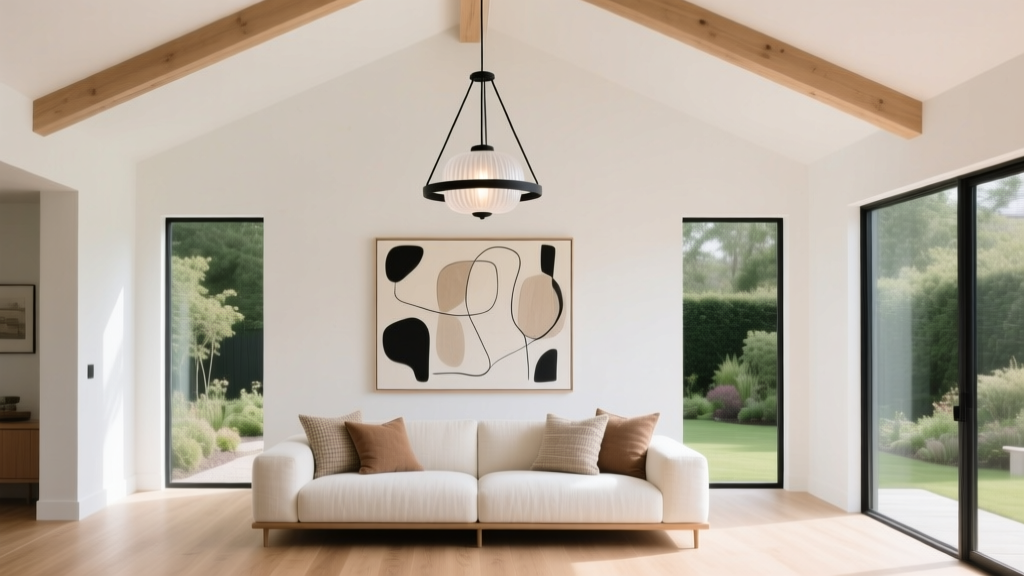 Living Room Decor for High Ceilings (2026)
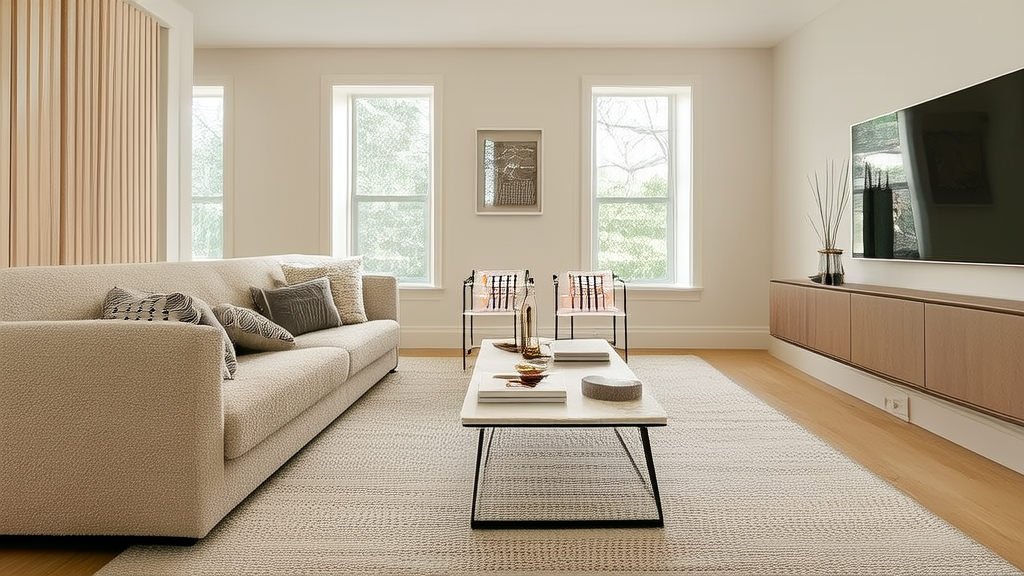 7 Living Space Design Mistakes to Avoid
 Best Slipcover Sofa Picks - The Decor Mag
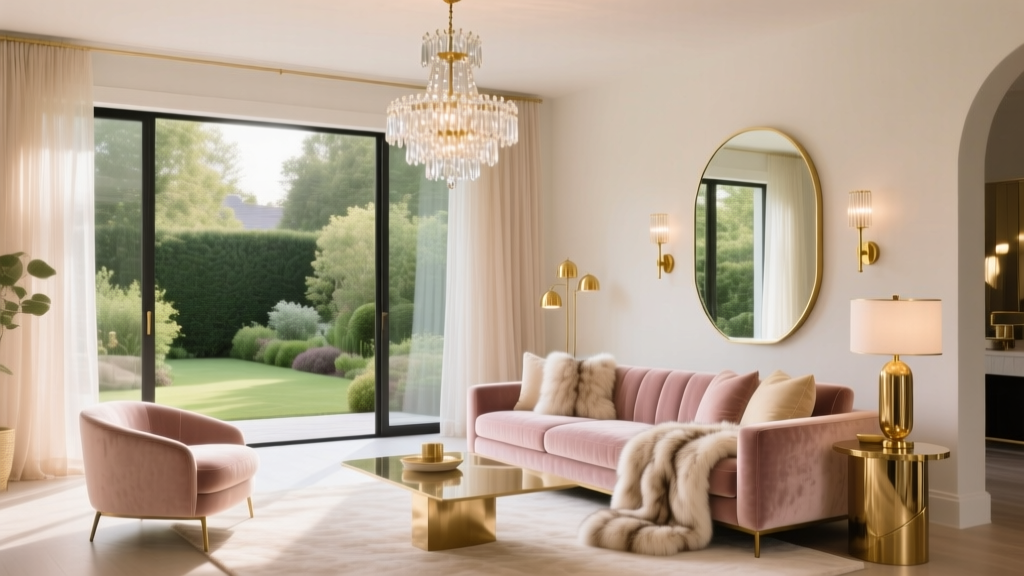 Living Room Soft Glam Decor Tips - The Decor Mag
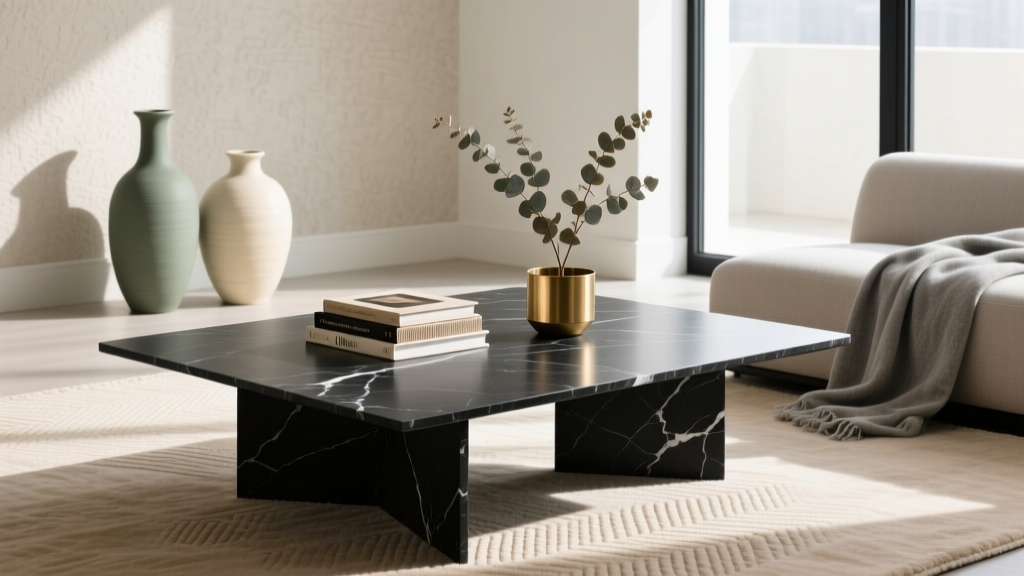 How to Style a Coffee Table Like a Designer - The Decor Mag
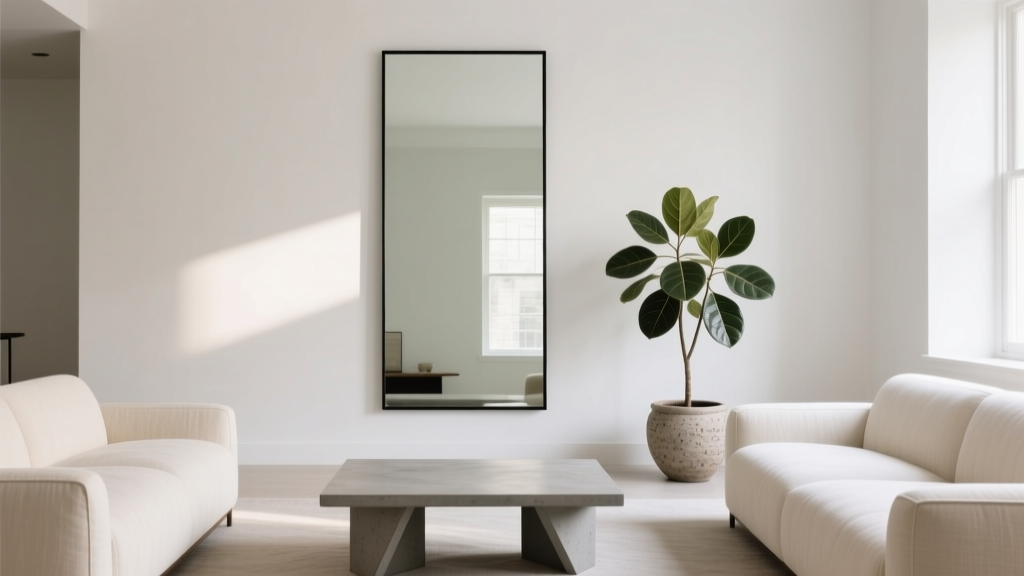 Living Room Mirror Placement and Styling - The Decor Mag
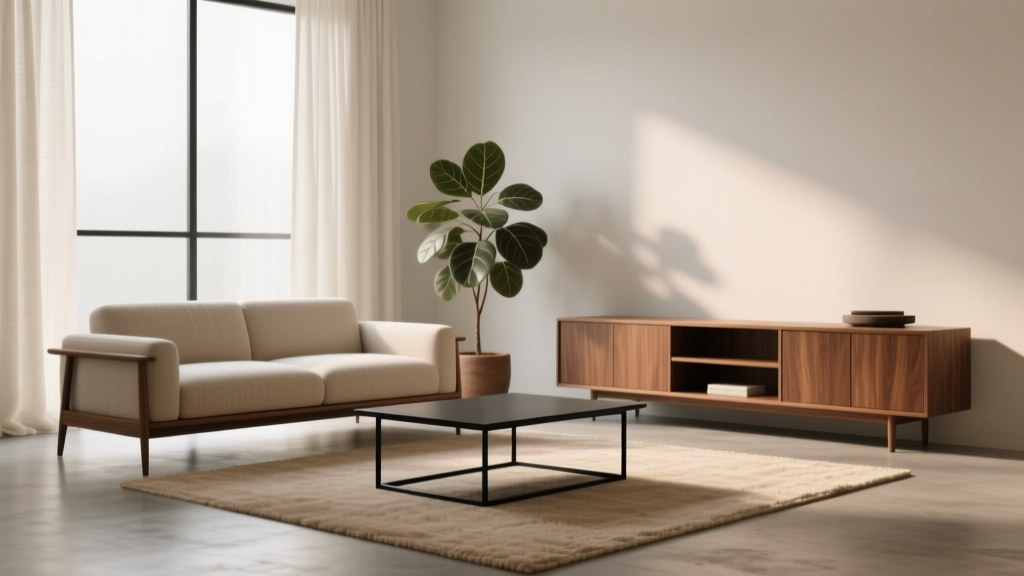 Living Room Transitional Furniture Guide - The Decor Mag
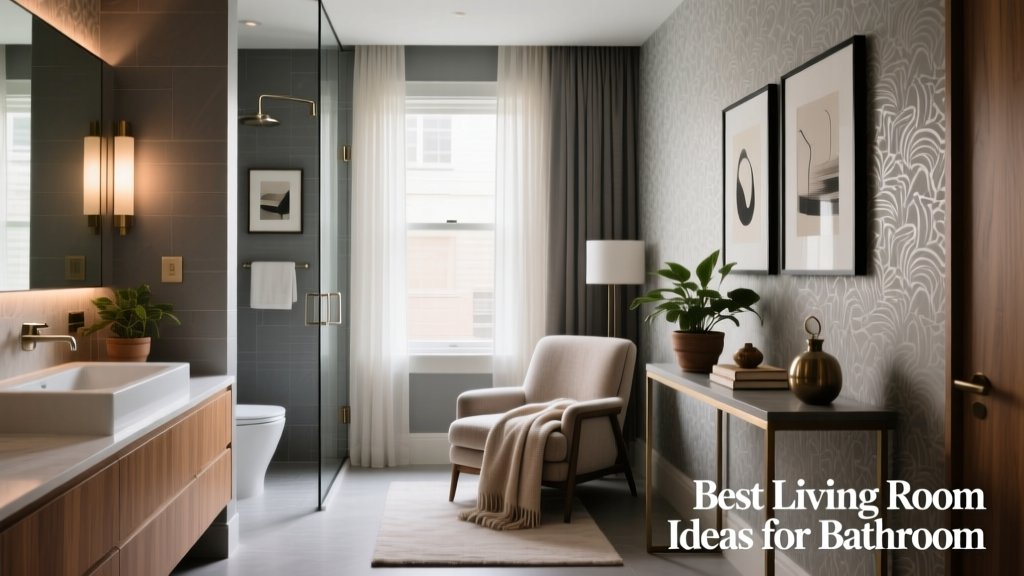 2026 Living Room Bathroom Ideas: Smart & Stylish Hybrids
 Paint Safety Tips for Health & Environment in 2026
 Cozy Farmhouse Living Room Decor Tips - The Decor Mag