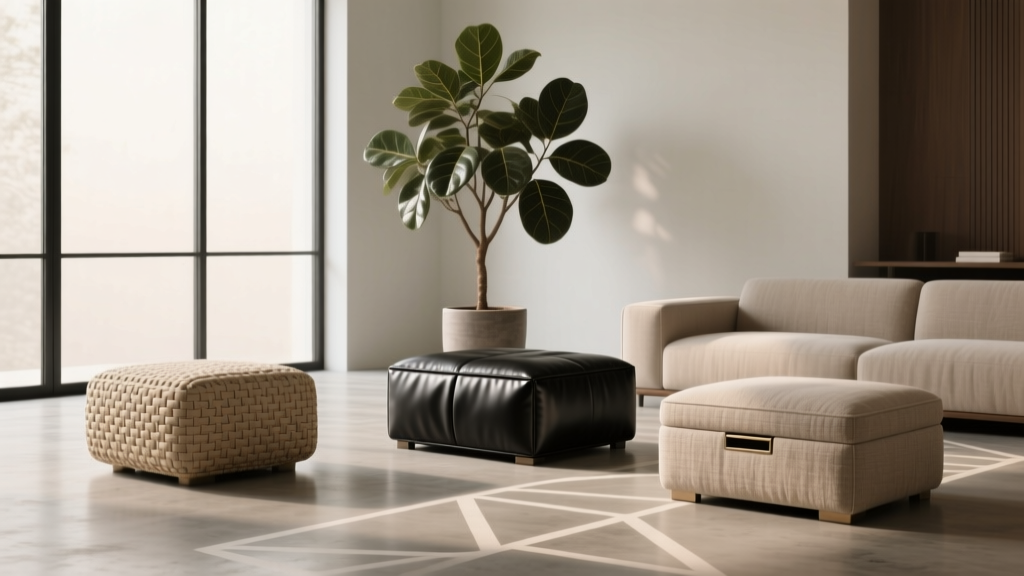
Best Storage Ottoman Picks - The Decor Mag
A storage ottoman is one of those rare living room pieces that earns its keep every single day. It can be a coffee table, a footrest, extra seating, and a hiding place for clutter—all while adding softness and style to your layout. For homeowners and renters alike, it’s a smart way to make a living room feel calmer, more pulled-together, and more functional without adding bulky cabinetry.
This guide breaks down the best storage ottoman picks for real homes: small apartments, family rooms, open-concept spaces, and everything in between. You’ll learn what sizes work best, which materials wear well, how to match your decor style, and what features separate a “pretty” ottoman from one you’ll still love a year from now. Expect practical measurements, budget ranges, design tips, and common pitfalls to avoid.
Why a Storage Ottoman Belongs in (Almost) Every Living Room
Living room storage is often the hardest to solve because it has to be both functional and decorative. A storage ottoman helps by offering concealed storage right where clutter happens—near the sofa, chairs, and TV area.
- Clutter control: Store throws, remotes, board games, kids’ toys, and extra pillows.
- Flexible furniture: Use it as a coffee table alternative or a movable “landing spot” for trays.
- Softens the room: Upholstery adds texture and warmth, balancing hard surfaces like wood, glass, and metal.
- Great for renters: No drilling, no built-ins—just instant storage that moves with you.
How to Choose the Right Storage Ottoman (Size, Style, and Features)
1) Get the Measurements Right
Size is the difference between a storage ottoman that makes the living room easier and one that feels like an obstacle course.
- Height: Aim for 16–18 inches for most sofas (so it aligns with seat height). For taller sofas, 18–20 inches can work.
- Distance from sofa: Keep 14–18 inches between the ottoman and the sofa for comfortable leg room and easy passage.
- As a coffee table substitute: Choose an ottoman that’s about 2/3 the length of your sofa. Example: For an 84-inch sofa, a 50–60 inch ottoman looks balanced.
- In smaller living rooms: Consider 30–36 inches wide (square) or an ottoman that tucks under a console or floats easily.
2) Pick a Shape That Matches How You Live
- Square: Great for sectionals and cozy conversation areas; visually grounded.
- Rectangular: Ideal for standard sofas; often offers the most storage volume.
- Round: Softer traffic flow in tight layouts; safer for kids (fewer sharp corners).
- Bench-style: Perfect for long, narrow rooms or behind a sofa in open-plan spaces.
3) Choose Upholstery That Fits Your Lifestyle
Trends come and go, but wearability never goes out of style. Here are the best material choices for living room furniture that sees daily use.
- Performance fabric: Top pick for families and renters. Look for stain resistance and easy-clean weaves. Budget: $200–$800+.
- Leather or faux leather: Wipes clean, looks timeless, and pairs beautifully with wood and vintage decor. Real leather often lasts longer. Budget: $250–$1,200+.
- Velvet: Very on-trend (especially in jewel tones and warm neutrals), but choose performance velvet if pets are in the picture. Budget: $150–$900+.
- Bouclé: A current favorite for cozy, sculptural living rooms; best in low-traffic homes or as a secondary piece. Budget: $250–$1,000+.
4) Storage Mechanisms: What’s Inside Matters
- Hinged lid: Easiest daily access; look for soft-close hinges to prevent slamming.
- Lift-top with safety hinge: Especially helpful around kids—stays open without falling shut.
- Removable top: Often more affordable; make sure the lid feels stable and doesn’t slide.
- Drawers: Great for organized storage (remotes, coasters), but check drawer glide quality.
Best Storage Ottoman Picks by Category (Design-Forward Recommendations)
Instead of a one-size-fits-all list, these picks are curated by how people actually use their living rooms. Use the categories to narrow in on what will feel right in your space.
Best Overall: Upholstered Rectangular Storage Ottoman (Performance Fabric)
Why it works: The most versatile option for living room design—comfortable, neutral, and functional. It anchors seating like a coffee table but feels softer and more inviting.
- Ideal size: 48–55" L x 24–30" W x 16–18" H
- Look for: Safety hinge, interior lining, sturdy base, and a firm top that can hold a tray.
- Best for: Everyday living rooms, open concept spaces, and families.
- Budget range: $300–$900
Best for Small Spaces: Compact Round Storage Ottoman
Why it works: Round ottomans improve flow in tight living rooms and small apartments—no corner bumps, easier movement, and a visually lighter footprint.
- Ideal size: 28–34" diameter x 16–18" H
- Smart feature: Removable lid plus a structured interior bin.
- Best for: Studio apartments, small seating groups, and renters who rearrange often.
- Budget range: $120–$450
Best Coffee Table Alternative: Oversized Tufted Storage Ottoman
Why it works: Tufting adds a classic, tailored look that bridges traditional and modern decor. Oversized versions can replace a coffee table entirely—especially when styled with a tray.
- Ideal size: 35–40" square or 50–60" rectangular
- Material tip: Choose performance fabric or leather for longevity; tufted tops can trap crumbs in high-snack homes.
- Best for: Formal living rooms, traditional interiors, and transitional decor styles.
- Budget range: $250–$1,000+
Best for Families: Storage Ottoman with Hidden Compartment + Easy-Clean Upholstery
Why it works: If your living room is the household hub, you want quick-access storage and materials that don’t panic at spills.
- Ideal features: Soft-close hinge, rounded corners, washable slipcover or wipeable faux leather.
- What to store: Toys, blankets, extra pillow covers, kid-friendly books.
- Budget range: $180–$700
Best for Modern Living Rooms: Minimalist Lift-Top Storage Ottoman (Clean Lines)
Why it works: Modern design is leaning warm and livable—think clean silhouettes, textured neutrals, and practical pieces that don’t look “storage-y.” A streamlined ottoman supports that aesthetic.
- Best materials: Textured weave in taupe/ivory, matte faux leather, or a low-pile performance velvet.
- Legs or no legs? A slight lift on legs looks lighter; a plinth base feels architectural.
- Budget range: $250–$900
Best Budget Pick: Faux Leather Storage Ottoman Cube
Why it works: A cube ottoman is a workhorse in small living rooms—extra seat, footrest, and quick storage for essentials. Faux leather is practical for rentals and wipeable for daily life.
- Ideal size: 16–18" cube
- Best use: Pair two cubes under a console table; pull out as needed.
- Budget range: $40–$150
Styling Your Storage Ottoman Like a Designer
The “Tray + Texture + Height” Formula
If your ottoman is acting as a coffee table, style it with the same intention—just with softer edges.
- Add a tray: Choose 16–20" round or 18–24" rectangular depending on ottoman size. It creates a stable surface for drinks.
- Add texture: A small stack of books, a ceramic bowl, or a woven coaster set brings character.
- Add height: A petite vase, a sculptural object, or a candle adds dimension.
- Tip for families: Use a tray with raised edges and swap breakables for a lidded box or soft decor.
- Tip for small living rooms: Keep styling minimal—one tray and one statement object to avoid visual clutter.
Color and Pattern Choices That Work with Real Life
- Light neutrals (ivory, oatmeal): Beautiful in modern living rooms; choose performance fabric to reduce stain stress.
- Mid-tones (camel, taupe, gray-brown): Hides wear, warms up cool palettes, works with most rugs.
- Deep tones (charcoal, navy, forest): Great for high contrast and moody living room decor trends.
- Patterned upholstery: A subtle stripe, herringbone, or textured weave hides everyday life better than solid flat fabric.
Real-World Living Room Scenarios (What Works and Why)
Scenario 1: The Renter’s Small Apartment Living Room
You have a loveseat, a narrow walkway, and nowhere to put extra blankets. A 30–32" round storage ottoman in a textured neutral solves three problems: it softens the room, improves circulation, and stores throws and chargers. Add a 16" round tray for drinks and you’ve replaced a bulky coffee table.
Scenario 2: The Family Room That Needs to Feel Calmer
If toys and remotes are always visible, choose a 48–55" rectangular hinged storage ottoman in performance fabric. Store daily clutter inside, then style the top with a large tray. The room instantly reads as “designed,” even on busy weekdays.
Scenario 3: The Open-Concept Living Room That Needs Zoning
In an open-plan space, an ottoman helps define the seating area. An oversized, tailored ottoman (around 40" square) visually anchors the living room zone and creates a natural “center” without adding another hard-surface table.
Common Mistakes to Avoid
- Choosing the wrong height: An ottoman that’s too tall feels awkward as a footrest; too low looks undersized next to the sofa. Aim for within 1–2 inches of sofa seat height.
- Ignoring lid safety: For homes with kids, avoid lids that slam. Look for safety hinges or soft-close hardware.
- Buying for looks only: Beautiful but flimsy storage mechanisms don’t last. Check hinge quality, base support, and upholstery durability.
- Overcrowding the layout: If the ottoman blocks walkways, it won’t feel like an upgrade. Maintain 14–18 inches of clearance where possible.
- Skipping a tray when using it like a coffee table: Drinks on upholstery are a spill waiting to happen; a tray adds stability and polish.
Shopping Checklist: What to Look for Before You Buy
- Dimensions: Fits your seating area and allows comfortable clearance.
- Weight capacity: Especially if it will be used for seating (check for 250–300+ lbs rating when possible).
- Upholstery: Performance fabric, leather, or easy-clean options for high-traffic living rooms.
- Frame: Hardwood or sturdy engineered wood; avoid overly flexible bases.
- Feet or glides: Consider floors—felt pads for hardwood, stable legs for rugs.
- Return policy: Comfort and scale are hard to judge online; a good return window matters.
FAQ: Storage Ottomans for Living Room Design
What size storage ottoman should I get for my living room?
For most sofas, aim for an ottoman height of 16–18 inches and keep 14–18 inches of space between the sofa and ottoman. For length, a good rule is about 2/3 of the sofa’s length if it will replace a coffee table.
Is a storage ottoman better than a coffee table?
In many living rooms, yes—especially if you need hidden storage or want a softer feel. Use a tray for drinks and decor, and you get the function of a coffee table with added comfort and versatility.
What’s the best material for a storage ottoman in a high-traffic family room?
Performance fabric is the most forgiving, followed by leather or high-quality faux leather for wipeable ease. If you love velvet, choose a performance velvet designed for durability.
How do I keep an ottoman from looking cluttered on top?
Stick to one styling moment: a tray plus 2–3 items max. If you need more surface organization, use a tray with compartments or add a lidded decorative box to hide remotes.
Can a storage ottoman work with a sectional?
Absolutely. For sectionals, a square ottoman (35–40") often looks best, or go rectangular if you have a longer open side. Just make sure it doesn’t interfere with the chaise portion and keeps walkways open.
Next Steps: Choose, Place, and Style with Confidence
Start by measuring your sofa seat height and the clearance you can spare in front of your seating. Then decide what role your storage ottoman will play: coffee table replacement, extra seating, or a clutter-hiding hero. From there, pick a durable upholstery that suits your lifestyle, and finish it off with a tray and a simple styling moment.
If you’re ready for more living room design and decor ideas—layout tips, rug sizing guides, and furniture picks that work in real homes—explore more inspiration on thedecormag.com.
More Articles
 Living Room Decor for High Ceilings (2026)
 Living Room Decor with Hardwood Floors (2026)
 Open Concept Living Room Furniture Arrangement
 Exposed Beams Living Room Decor (2026)
 How to Create a Living Room Focal Point - The Decor Mag
 Living Room Layered Rug Ideas - The Decor Mag
 Conversation Areas in Large Living Rooms (2026)
 Travel Souvenirs in Living Room Decor (2026)
 Palette vs Paint: Color Systems vs Surface Finishes 2026
 Best Hidden Storage for Living Rooms (2026)