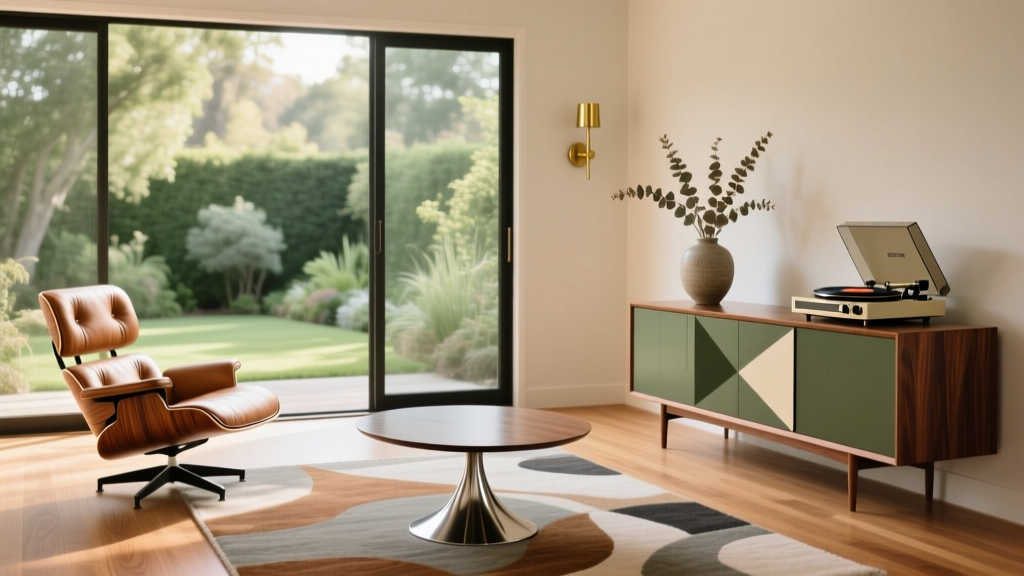
Mid-Century Modern Living Room Must-Haves - The Decor Mag
Mid-century modern living rooms have staying power for a reason: they feel intentional without feeling fussy. The style’s mix of clean lines, warm woods, tailored upholstery, and graphic accents works beautifully in everything from small apartments to open-concept homes. It’s also one of the easiest design directions to personalize—whether you love vintage finds, a more Scandinavian-leaning “soft MCM” look, or bold Palm Springs color.
If you’re refreshing your space, the right mid-century modern essentials will help you get the look without turning your living room into a set piece. This guide covers the must-haves—sofas, chairs, rugs, lighting, storage, art, and finishing touches—plus practical measurements, budget ranges, common mistakes to avoid, and real-world scenarios to help you apply the ideas to your own space.
Expect a mix of timeless principles (proportion, contrast, quality materials) and current living room design trends (curvier silhouettes, warmer neutrals, sustainable woods, and layered lighting) that still feel true to mid-century modern decor.
What Makes a Living Room “Mid-Century Modern”?
Mid-century modern (roughly 1945–1969) is defined by functional forms, organic shapes, and a balance of warm and crisp materials. Think walnut or teak paired with wool, leather, and metal accents. Pieces often sit on tapered legs to create lightness and visual space—especially helpful in small living rooms.
Core Mid-Century Elements to Aim For
- Clean silhouettes: low-profile seating, simple case goods, minimal ornamentation
- Warm woods: walnut, teak, oak; matte or satin finishes
- Mixed materials: wood + metal + glass + textured textiles
- Graphic shapes: arcs, ovals, boomerang forms, geometric patterns
- Color strategy: warm neutrals with confident accent colors (olive, ochre, rust, teal)
- Lighting as sculpture: globes, arcs, sputniks, pleated shades
Must-Have #1: The Right Sofa (Scale, Shape, and Upholstery)
The sofa anchors the room, so mid-century modern style starts here. Look for a tailored profile with a bench seat or tight back, gently angled arms, and tapered legs that expose the floor.
Measurements to Get Right
- Seat height: 16–18 inches (comfortable, classic proportion)
- Seat depth: 21–24 inches (deeper if you lounge a lot)
- Sofa length: 72–90 inches for most living rooms; 60–72 inches for small apartments
- Leg clearance: 5–8 inches is ideal for that floating, airy MCM look
Material Recommendations
- Upholstery: textured performance fabric, wool blends, boucle for a trend-forward “soft MCM,” or top-grain leather for a classic look
- Frame: kiln-dried hardwood if possible; avoid overly lightweight frames if you want longevity
- Color: camel leather, warm gray, oatmeal, olive, or a muted teal—bold enough to feel intentional, calm enough to live with
Budget Ranges
- Budget: $700–$1,500 (look for solid frames, removable cushions, performance fabric)
- Mid-range: $1,500–$3,500 (better suspension, stronger tailoring, longer warranties)
- Investment: $3,500–$8,000+ (premium leather, custom upholstery, heirloom construction)
Real-World Scenario
Small rental living room (12' x 14'): Choose a 72" sofa with exposed legs in a warm neutral. Add one accent chair instead of a loveseat to keep the walkway open. If your entry door swings into the room, leave at least 30" of clearance along that path.
Must-Have #2: A Statement Lounge Chair (or Two)
No mid-century modern living room feels complete without a sculptural chair. It adds a “collected” vibe and solves the seating puzzle without forcing a bulky sectional.
What to Look For
- Silhouettes: wood-framed sling chair, curved barrel chair, or upholstered chair with tapered legs
- Comfort detail: a seat depth of 20–23" and a supportive back angle (not too reclined unless it’s a dedicated reading nook)
- Pairing tip: if the sofa is fabric, a leather chair adds contrast; if the sofa is leather, introduce texture with bouclé or tweed
Placement Tips
- Angle one chair toward the sofa to create a conversation triangle.
- Keep 16–18" between chair and coffee table for comfortable leg room.
- Leave 30–36" for main walkways.
Must-Have #3: A Coffee Table with the Right Proportions
Mid-century modern coffee tables are often oval, kidney-shaped, or rectangular with rounded corners—friendly lines that soften the room.
Ideal Sizing
- Length: about 1/2 to 2/3 the length of your sofa
- Height: within 1–2" of the sofa seat height (typically 16–18")
- Spacing: 14–18" between the coffee table and seating
Materials That Read Mid-Century
- Wood: walnut, teak, oak (matte finish looks current)
- Top: wood, smoked glass, or stone-look laminate for budget-friendly durability
- Base: tapered legs, sled base, or thin metal frame
Product-Style Recommendations (What to Search For)
- “Walnut oval coffee table with tapered legs”
- “Kidney-shaped coffee table”
- “Lift-top mid-century coffee table” (great for small spaces and laptop use)
Must-Have #4: A Rug That Grounds the Furniture (and Softens the Angles)
A rug is the fastest way to make a mid-century living room feel finished. It anchors the seating group and adds color and pattern without clutter.
Rug Sizing Rules (That Actually Work)
- 8' x 10': best for many living rooms; aim for the front legs of the sofa and chairs to sit on the rug
- 9' x 12': ideal for larger spaces or open-concept rooms; allows all furniture legs to sit on the rug
- 5' x 8': only for very small layouts; still try to get at least the front sofa legs on it
Patterns and Materials
- Patterns: geometric, abstract, subtle stripes, or a vintage-inspired faded motif for a softer take
- Materials: wool (best all-around), wool blends, or flatweave cotton for tighter budgets
- Color tip: pull two colors from nearby art or pillows so the rug feels integrated
Budget Ranges
- Budget: $150–$500 (synthetic, cotton flatweave, printed options)
- Mid-range: $500–$1,500 (wool or wool-blend, better density)
- Investment: $1,500–$5,000+ (hand-knotted wool, vintage rugs)
Must-Have #5: Layered Lighting (Overhead + Task + Ambient)
Mid-century modern lighting is both practical and decorative—one of the reasons it’s so beloved. A well-lit living room typically uses three layers: overhead, task, and ambient.
Lighting Plan (Simple and Effective)
- Overhead: a sputnik chandelier, globe pendant, or semi-flush mount with opal glass
- Task: an arc floor lamp near the sofa or a swing-arm lamp by a reading chair
- Ambient: table lamps on a console or side tables for a warm glow
Practical Specs to Follow
- Bulb temperature: 2700K–3000K for cozy, flattering light
- Brightness: aim for 1,500–3,000 total lumens in an average living room, split across multiple fixtures
- Shades: opal glass globes reduce glare; pleated shades add texture and a current “heritage” feel
- Control: put lamps on dimmers or smart plugs for instant mood shifts
Real-World Scenario
Apartment with no ceiling wiring: Use a plug-in arc floor lamp as your “overhead” and add two table lamps. Choose matching bulb temperatures so the room reads cohesive.
Must-Have #6: A Credenza or Media Console That Doesn’t Overwhelm
Mid-century storage is sleek, low, and functional—perfect for hiding cords, remotes, and the everyday clutter that can derail a living room’s look.
How to Choose the Right Size
- Console width: ideally 2–6" wider than the TV on each side (for balance)
- Height: 18–26" works well for most seating heights
- Depth: 15–20" is typical; check it fits your devices and ventilation needs
Materials and Details That Feel Authentic
- Walnut- or teak-toned wood veneer (look for book-matched doors if you want a higher-end feel)
- Slatted fronts, simple pulls, or push-latch doors
- Hairpin or tapered legs to keep it visually light
- Built-in cord management (a modern must-have)
Must-Have #7: Art and Wall Decor with Graphic Punch
Mid-century modern wall decor leans bold and curated: abstract prints, color-blocked canvases, black-and-white photography, and sculptural wall hangings. The key is scale—small art floating in the middle of a big wall won’t deliver the impact this style is known for.
Hanging Guidelines
- Center height: 57–60" from the floor to the center of the art (gallery standard)
- Over a sofa: art should be about 2/3 the sofa width
- Spacing: 2–3" between frames in a gallery grouping
Easy, Renter-Friendly Options
- Large framed print with a wide mat (adds sophistication on a budget)
- Peel-and-stick picture ledges (swap art without new holes)
- Removable hooks for lightweight framed pieces
Must-Have #8: Mid-Century Textiles (Pillows, Throws, Curtains)
Textiles are where you can bring in trend-forward color and pattern while keeping your larger pieces more timeless. Right now, mid-century modern spaces are leaning warmer and softer: think cinnamon, clay, olive, and buttery neutrals, layered with nubby textures.
A Simple Styling Formula
- Pillows: 2–4 on a sofa; mix one geometric, one solid texture, and one accent color
- Throw: wool or cotton in a warm neutral or a subtle stripe
- Curtains: linen-look panels that kiss the floor; hang rods 4–6" above the window frame to visually heighten the room
Must-Have #9: Finishing Touches That Make It Feel Collected
The best mid-century modern living rooms feel lived-in and layered, not staged. These smaller moves create that “collected over time” energy.
Go-To Accessories
- Plants: rubber plant, snake plant, or fiddle-leaf fig in a ceramic planter; use a plant stand for height
- Mirrors: round or organically shaped mirrors to balance straight furniture lines
- Objects: a ceramic bowl, vintage-style clock, or a pair of sculptural candlesticks
- Books: stack 2–3 coffee-table books as a base for a small object
Step-by-Step: Build a Mid-Century Modern Living Room in a Weekend
- Start with layout: float the sofa 3–6" off the wall if space allows; define the seating area with a rug.
- Add the anchor pieces: sofa + rug + coffee table.
- Layer lighting: one statement overhead (or arc lamp), one task light, one ambient lamp.
- Bring in storage: a low credenza to calm visual clutter.
- Finish with color: pillows, throw, and art that repeat 2–3 tones across the room.
- Edit: remove one item from each visible surface; MCM looks best with breathing room.
Common Mid-Century Modern Living Room Mistakes to Avoid
- Buying everything in one set: matching sofa, chair, tables can look flat. Mix wood tones and upholstery textures for a layered look.
- Going too low-contrast: an all-beige room can lose the graphic MCM edge. Add black accents, a bold print, or a strong wood tone.
- Rug too small: it makes the room feel disconnected. Size up whenever possible.
- Skipping lighting layers: one overhead light won’t flatter the space. Aim for three light sources minimum.
- Ignoring scale: tiny side tables next to a large sofa (or oversized chairs in a tight room) throws off proportion.
- Over-cluttering surfaces: mid-century style is streamlined—use trays and a few sculptural objects instead of many small items.
FAQ: Mid-Century Modern Living Room Design
What colors work best in a mid-century modern living room?
Warm neutrals (oatmeal, camel, warm gray) plus grounded hues like olive, rust, mustard, and teal are classic. Add black accents for definition and pair with walnut or teak wood tones for warmth.
Can I mix mid-century modern with contemporary decor?
Yes—this is one of the easiest mixes. Keep mid-century silhouettes (tapered legs, clean lines) and blend in contemporary curves, textured fabrics, and simplified accessories. Use a consistent palette to unify the look.
What’s the best sofa for a small mid-century modern living room?
A 60–72" low-profile sofa with exposed legs is ideal. Choose a tighter back or a slimmer arm to maximize seating without adding bulk, and pair it with one statement chair instead of extra seating pieces.
How do I make mid-century modern look cozy, not cold?
Layer texture: a wool rug, linen-look curtains, a knit throw, and a mix of matte ceramics. Add warm lighting (2700K–3000K) and bring in at least one upholstered accent chair or a soft bouclé pillow.
Are mid-century modern furniture pieces worth buying vintage?
Often, yes—especially for solid wood case goods like credenzas. Check drawer glide quality, structural integrity, and veneer condition. For seating, vintage can be great, but factor in reupholstery costs ($800–$2,500+ depending on the piece and fabric).
Next Steps: Refresh Your Space with Confidence
Pick two must-haves to tackle first—usually a properly sized rug and layered lighting make the biggest immediate difference. Then refine your seating, add a streamlined credenza, and finish with art and textiles that bring in
More Articles
 Living Room Bold Color Accent Ideas - The Decor Mag
 Living Room Home Office Combo Ideas - The Decor Mag
 Stylish Room Alternatives for Modern Living Spaces 2026
 Living Room Ideas That Feel Like Home (2026)
 Travel Souvenirs in Living Room Decor (2026)
 Best Accent Pillow Fill Inserts - The Decor Mag
 Bay Window Living Room Decor Ideas (2026)
 2026 Interior Design Trends: Functional Elegance & Biophilia
 Best Flooring Options for Living Rooms - The Decor Mag
 Best Small Precision Tools for Modern Living Spaces 2026