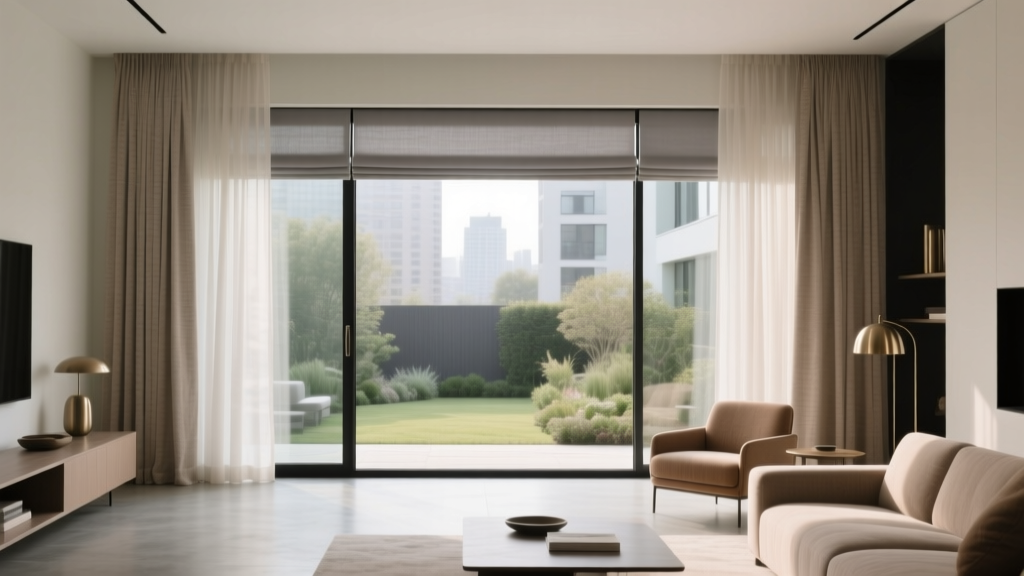
Living Room Window Treatment Trends - The Decor Mag
Your living room windows do more than bring in daylight—they set the tone for the entire space. The right window treatments can make a room feel taller, brighter, calmer, more private, and more pulled together. The wrong ones can shorten the ceiling line, fight your furniture, and leave the room feeling unfinished no matter how beautiful the decor is.
Window treatment trends have shifted in a big way: homeowners and renters want solutions that look custom, work hard (glare control, privacy, insulation), and still feel effortless. You’ll see softer textures, layered looks, and clean hardware, along with smarter light control and a focus on natural materials.
This guide breaks down the most current living room window treatment trends—plus timeless design principles that make any trend look intentional. You’ll get measurements, material recommendations, budget ranges, common mistakes to avoid, and real-world scenarios to help you choose what works for your home (and your windows).
What’s Trending Now: The Big Themes in Living Room Window Treatments
1) Layered window treatments for flexible light and privacy
Layering is the defining trend because it solves multiple needs at once. A sheer layer softens daylight during the day, while a heavier layer adds privacy and warmth at night.
- Most popular combo: linen-look sheers + pinch-pleat drapery panels
- Modern combo: solar shade + drapery panels for a tailored look
- Cozy combo: woven wood shade + lined curtains for texture and insulation
Real-world scenario: You have a street-facing living room. Add a sheer (or a light-filtering roller shade) to keep daytime privacy without blocking light, then use lined drapes for nighttime coverage and a finished look.
2) Warm neutrals, earthy tones, and “quiet” patterns
Bright white curtains aren’t going anywhere, but the trend has warmed up. Think oat, flax, sand, mushroom, warm gray, and soft clay. Patterns are subtle: small-scale stripes, tone-on-tone geometrics, or classic checks that read as texture from a distance.
- Best for: modern organic living rooms, transitional spaces, cozy minimalism
- Pairs well with: oak furniture, boucle upholstery, matte black or aged brass hardware
3) Natural materials and tactile textures
Woven wood shades, linen blends, slub cotton, and textured sheers are trending because they add depth without visual clutter. They’re especially effective in living rooms that already have smooth surfaces (painted walls, flat-front cabinets, large TVs).
Material recommendations:
- Linen or linen-blend curtains: soft drape, relaxed elegance; choose a blend for less wrinkling
- Woven wood shades: adds warmth; look for privacy liners if your room faces neighbors
- Textured sheers: a subtle upgrade from plain voile; great for diffusing harsh light
4) Cleaner headers and tailored pleats
Trending headers lean “custom”: pinch pleats, tailored pleats, and ripple fold (wave) drapery are popular because they hang in consistent, elegant folds.
- Pinch pleat: classic, elevated, works in traditional or modern spaces
- Ripple fold: streamlined and contemporary, especially on ceiling tracks
- Grommet: still around, but less “trend-forward” unless executed in a very modern way
5) Smart shades and motorization—especially for big windows
Motorized roller shades and Roman shades are increasingly common in living room design, particularly for high windows, wide sliders, or hard-to-reach transoms. They’re also renter-friendly if you choose models that mount with minimal drilling (when possible) and can be removed cleanly.
Budget reality: Motorization is more accessible than it used to be, but costs still jump with width, fabric upgrades, and professional install.
Trend Spotlights: Styles That Work in Real Living Rooms
Sheer curtains that look expensive (without feeling fussy)
Sheers are having a major moment because they create that soft, airy, “designed” look while letting daylight do its job. The key is fullness and length.
Design tips:
- Choose a linen-look sheer instead of shiny polyester voile for a richer finish.
- Hang them high and wide (details in the measurement section below).
- If you want privacy, look for semi-sheer or “privacy sheer” fabrics.
Best for: apartments with limited overhead lighting, living rooms that feel dark or heavy, spaces with plants (sheers filter light beautifully).
Woven wood shades for modern organic texture
Woven wood (also called bamboo) shades bring warmth and structure. They work with coastal, rustic, boho, modern organic, and even contemporary spaces when paired with clean-lined drapery.
What to look for:
- Privacy liner: reduces visibility at night and improves light control.
- Edge banding: a fabric trim that makes the shade feel more custom.
- Cordless lift: cleaner look and safer for homes with kids/pets.
Roman shades as a tailored alternative to curtains
Roman shades are trending because they’re structured but softer than roller shades. They’re ideal when drapery feels too bulky, or when furniture placement makes panels impractical.
Style choices:
- Flat Roman: crisp, modern, great for showing off a pattern
- Relaxed Roman: softer curve at the bottom, more casual
Real-world scenario: Your sofa sits right under the window, leaving no room for curtain panels. A Roman shade gives you light control without the extra fabric crowding the space.
Roller and solar shades for glare control (especially near a TV)
If your living room has a TV opposite the windows, glare can ruin the space. Solar shades reduce glare while preserving a view—one of the most practical living room window treatment trends right now.
Quick guide to openness:
- 1% openness: maximum glare control and privacy, least view
- 3–5% openness: balanced; popular for living rooms
- 10% openness: more view, less glare control
How to Measure and Hang Window Treatments Like a Designer
Step-by-step: Curtain rod placement (the “high and wide” method)
- Mount height: Place the rod 4–6 inches above the window frame, or 2–3 inches below the ceiling for a taller look (choose one approach and be consistent).
- Mount width: Extend the rod 8–12 inches beyond each side of the window. This lets panels sit mostly on the wall, making the glass look larger.
- Length: For most living rooms, curtains should kiss the floor (hover about 1/2 inch above) or slightly break. Avoid “high-water” lengths.
- Fullness: Use 2x the window width in fabric for sheers and most drapery (more if you want a luxurious look).
Inside-mount vs. outside-mount shades
- Inside mount: sleek, built-in look; requires enough depth (often 2–3 inches for many styles). Measure the inside width at top/middle/bottom and use the smallest.
- Outside mount: makes windows look larger and blocks more light; ideal if the window isn’t perfectly square or lacks depth.
Budget ranges to plan your project
Costs vary by size, fabric, lining, and customization. Here are realistic ranges for living room window treatments:
- Budget-friendly (approx. $50–$250 per window): ready-made curtains + standard rod; basic roller shades
- Mid-range (approx. $250–$800 per window): better fabric, lined panels, custom-width rods, woven wood shades with liners
- Premium (approx. $800–$2,500+ per window): custom drapery, ripple-fold tracks, motorized shades, professional measuring/installation
Product and Material Picks That Perform in Living Rooms
Best fabrics for living room curtains
- Linen blend: relaxed, upscale, less wrinkling than 100% linen
- Cotton/linen: breathable and versatile; works with most decor styles
- Velvet (performance velvet if possible): dramatic, excellent light absorption; great for media rooms
Lining options (don’t skip this if you want a polished look)
- Unlined: airy but minimal privacy; best for purely decorative side panels
- Light-filtering lining: softens light and improves drape
- Blackout lining: strongest privacy and light control; helpful for street-facing rooms or intense afternoon sun
- Thermal lining: helps with drafts and energy efficiency in older homes
Hardware finishes that feel current
- Matte black: crisp and modern; pairs well with white walls and warm woods
- Aged brass: warm, elevated; great in transitional and contemporary interiors
- Soft brushed nickel: classic, subtle; works if you have mixed metals
Room-by-Room Thinking: Matching Window Treatments to How You Live
If your living room gets harsh afternoon sun
- Choose solar shades (3–5% openness) or lined Roman shades.
- Add drapery panels to soften the look and reduce heat gain.
- Consider thermal lining if the room overheats.
If you rent and need flexible, low-commitment updates
- Use a tension rod for lightweight sheers in a pinch (best for smaller windows).
- Opt for ready-made curtains and invest in better hardware you can take with you.
- Try cordless paper shades as a temporary privacy layer behind curtains.
If you have a wide picture window or sliding glass door
- Go with a ceiling track and ripple-fold drapery for a clean, continuous look.
- Consider panel track shades or vertical cellular shades for modern light control.
- Use multiple panels (rather than two extra-wide ones) for smoother operation.
Common Mistakes to Avoid
- Hanging curtains too low: Mounting at the top of the window frame can make ceilings look shorter.
- Choosing curtains that are too narrow: Skimpy panels look flat. Aim for 2x fullness for a tailored, designer feel.
- Ignoring the view at night: Many woven shades and sheers feel private in daylight but become see-through after dark. Add lining or a second layer.
- Picking the wrong length: Curtains that stop at the sill often look unfinished in living rooms (unless the style is intentionally café-length).
- Forgetting function: A gorgeous fabric won’t matter if glare makes the room unusable. If you watch TV in the space, plan for glare control first.
- Mismatching undertones: Cool gray curtains can look off against warm white paint. Match undertones to your walls, rug, and upholstery.
FAQ: Living Room Window Treatment Trends
What are the most popular living room window treatments right now?
Layered looks lead the pack: sheers with drapery panels, woven wood shades with lined curtains, and solar/roller shades paired with side panels. Natural textures (linen blends, woven shades) and tailored headers (pinch pleat or ripple fold) are especially on-trend.
How high should I hang curtains in a living room?
A reliable rule is 4–6 inches above the window frame, or 2–3 inches below the ceiling to visually heighten the room. Keep the height consistent across windows for a cohesive look.
Are sheer curtains enough for privacy?
Sometimes. During the day, many sheers provide decent privacy. At night, with lights on inside, most sheers become transparent. For street-facing rooms, pair sheers with lined drapes or add a light-filtering/blackout shade.
What window treatments work best for a living room with a TV?
Solar shades (often 3–5% openness) are a top choice for reducing glare while keeping a view. For stronger darkening, add blackout-lined drapes or choose a room-darkening roller shade.
Do I need custom curtains to get a designer look?
Not always. You can get a high-end effect with ready-made curtains by focusing on: hanging them high and wide, choosing the right length, using enough fullness, and upgrading hardware. Custom becomes more valuable for unusually sized windows, specific fabrics, or precise pleat styles.
What colors are trending for living room curtains?
Warm neutrals and earthy tones are everywhere: flax, oat, sand, taupe, soft clay, and warm gray. If you want color, muted greens and dusty blues work well while still feeling timeless.
Next Steps: Upgrade Your Living Room Windows with Confidence
Start by identifying what your living room needs most—privacy, glare control, insulation, or simply a more finished look. From there, choose one of the trend-forward formulas that consistently works:
- Soft and bright: linen-look sheers + pinch-pleat panels
- Warm and textured: woven wood shade (with liner) + lined drapery
- Modern and functional: solar shade + tailored side panels
Measure carefully, hang high and wide, and prioritize fabrics and linings that match how you actually use the room. A smart window treatment choice will make your living room feel calmer, larger, and more intentional—often with less effort than a full furniture swap.
Explore more living room design and decor ideas at thedecormag.com to keep refining your space, one detail at a time.
More Articles
 Living Room Furniture Scale: How to Choose Right (2026)
 Living Room Cozy Reading Corner Inspiration - The Decor Mag
 Paint Safety Tips for Health & Environment in 2026
 Living Room Symmetrical Design Principles - The Decor Mag
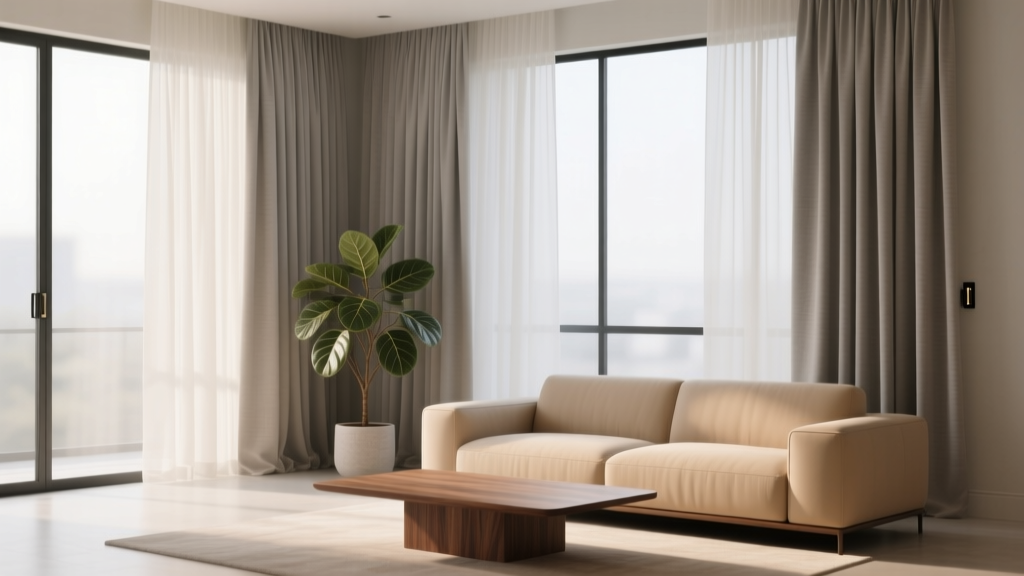 Living Room Curtains: How to Choose (2026)
 Best Family Checklist System for Modern Homes (2026)
 Budget-Friendly Smart Organization Ideas for 2026
 Best Lighting Fixtures for Living Rooms - The Decor Mag
 Best Wall Sconce Wiring Options - The Decor Mag
 Family-Friendly Living Room Ideas - The Decor Mag