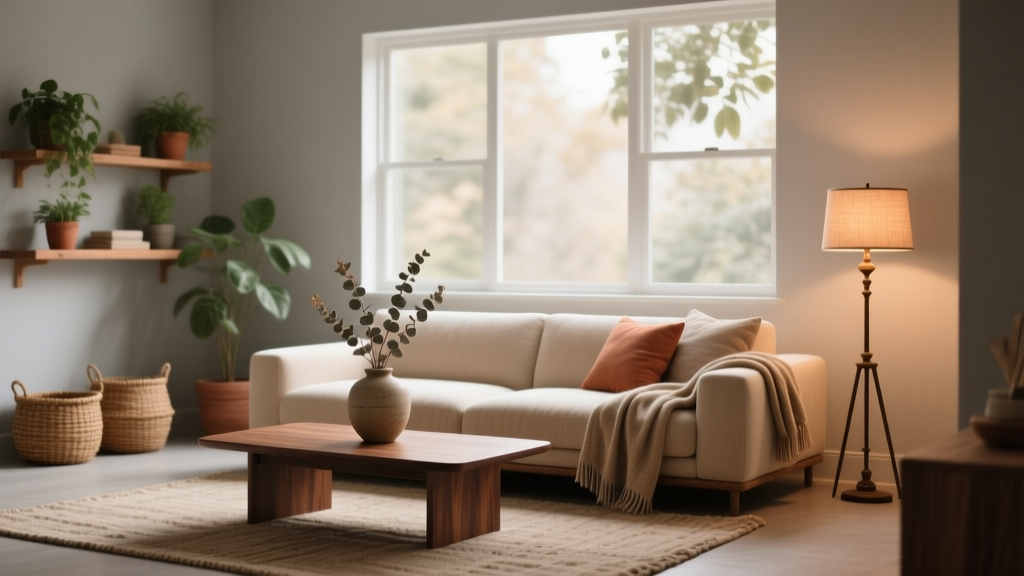
Living Room Ideas That Feel Like Home (2026)
A living room can look beautifully styled and still feel oddly “not yours.” That’s because a truly welcoming space isn’t only about matching furniture sets or following the latest living room design trend—it’s about comfort, rhythm, and the small personal cues that tell your brain, this is where I exhale. Whether you’re a homeowner investing for the long run or a renter working within limits, you can create a cozy living room that feels grounded, functional, and deeply personal.
This guide will walk you through practical, designer-approved steps: choosing the right layout, getting your lighting right, layering texture, picking a color palette that supports mood, and adding those finishing touches that make a space feel lived-in (in the best way). You’ll also find real-world scenarios, budget ranges, measurements to keep things proportional, and common decorating mistakes to avoid.
Start With How You Want the Room to Feel
Before buying anything, define the “emotional brief.” A living room that feels like home typically shares a few qualities: warmth, ease, familiarity, and a sense of belonging. Your version might be calm and minimal, bright and social, or layered and eclectic.
Ask yourself these 5 quick questions
- Who uses this room most? (Solo lounging, family movie nights, entertaining friends, pets?)
- What do you do here daily? (Read, work, game, host, nap, play on the floor?)
- What’s missing right now? (Storage, softness, lighting, seating, color?)
- What do you want to feel? (Cozy, airy, grounded, energizing, luxurious?)
- What can’t you change? (Rental restrictions, awkward windows, radiator placement?)
Real-world scenario: If you watch TV nightly and host friends twice a month, prioritize a comfortable sectional or sofa with flexible seating (ottoman + poufs), then build style with textiles and lighting. If you rarely watch TV and mostly read, a pair of deep armchairs and excellent task lighting may matter more than a media console.
Build a Smart Layout (The Fastest Way to Make It Feel Right)
Even the most beautiful decor won’t feel “homey” if the room is hard to move through or seating feels disconnected. Start with layout basics—these are timeless principles that work in modern living room design, traditional rooms, and everything between.
Key measurements designers rely on
- Walking paths: Aim for 30–36 inches of clearance in main walkways.
- Coffee table distance: Keep 14–18 inches between the sofa and coffee table for comfortable reach.
- Rug sizing rule: At minimum, the front legs of sofas and chairs should sit on the rug. Ideally, all key seating sits fully on it.
- TV viewing distance: A good guideline is 1.5–2.5x the TV’s diagonal size (e.g., a 55" TV is often best viewed from roughly 7–11 feet).
Choose one layout strategy
- Conversation-first: Float seating around a central rug and coffee table; keep sight lines open. Great for entertaining.
- Media-first: Anchor seating toward the TV, but soften it with side chairs angled in for conversation.
- Hybrid: TV on one wall, seating slightly angled, plus a reading corner. Ideal for multi-use living rooms.
Product recommendations (layout helpers)
- Rug: 8' x 10' for many living rooms; 9' x 12' for larger spaces. Budget range: $150–$900+.
- Modular seating or sectional: Great for awkward rooms. Budget range: $900–$3,500+.
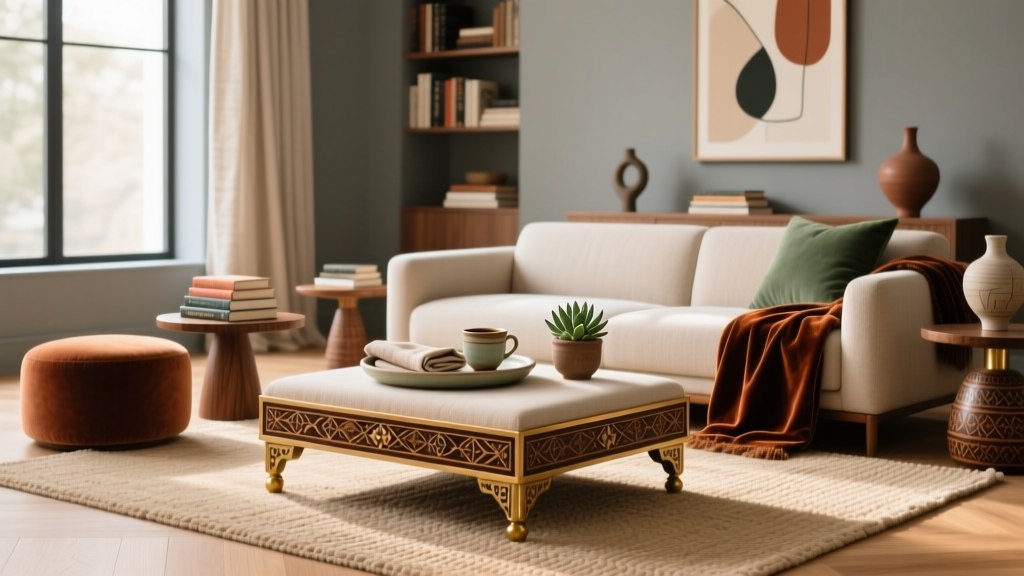
- Ottoman: Doubles as a coffee table with a tray. Budget range: $120–$600+.
Pick a Color Palette That Feels Personal (Not Just Trendy)
Color is one of the biggest contributors to “home” feeling, because it sets the emotional temperature of the room. Current trends lean warm and grounded—think clay, mushroom, caramel, olive, and softened blues—while timeless palettes use neutrals and layered tones to create calm.
A simple 60-30-10 approach
- 60% base: Walls + large pieces (sofa, rug). Examples: warm white, greige, soft taupe.
- 30% mid-tone: Curtains, accent chairs, larger decor. Examples: camel, olive, slate blue.
- 10% accent: Pillows, art, objects. Examples: rust, brass, black, deep green.
Material-forward color (a trend that lasts)
Instead of chasing bold wall colors, many designers are building “color” through materials: wood grains, leather, boucle, linen, stone, and aged metals. This reads warm, elevated, and forgiving over time.
Paint guidance + budget
- Best finishes: Matte or eggshell for walls; satin for trim (durable and wipeable).
- Paint cost: Typically $40–$90 per gallon. Many living rooms need 2–3 gallons depending on ceiling height and coverage.
- Rental-friendly option: Peel-and-stick wallpaper on an accent wall, or removable decals. Budget range: $50–$300+.
Layer Lighting Like a Designer (This Is Where Cozy Happens)
If you do only one upgrade, make it lighting. A single overhead fixture can make even a well-decorated space feel flat. The coziest living rooms use layered lighting at different heights, mixing function with ambiance.
The 3-layer lighting plan
- Ambient: Overall glow (ceiling fixture, semi-flush mount). If it’s harsh, use dimmable bulbs or a dimmer plug.
- Task: Reading lamp near seating; aim for a shade bottom around 42–48 inches from the floor next to a sofa.
- Accent: Picture light, wall sconce, LED behind a console, or a small lamp on a shelf.
Bulb specs that flatter your room
- Kelvin (warmth): Choose 2700K for cozy; 3000K for a slightly cleaner look.
- CRI: Look for 90+ CRI so colors (skin tones, art, textiles) look natural.
- Lumens: A living room often needs 1,500–3,000 lumens total depending on size and natural light.
Budget-friendly lighting upgrades
- Plug-in sconces (great for renters): $40–$200
- Dimmer plug for lamps: $15–$35
- Statement floor lamp to anchor a corner: $80–$350
Choose Seating That Invites People to Stay
Comfort is non-negotiable if you want a living room that feels like home. That doesn’t mean everything has to be overstuffed—it means pieces should support how you actually relax.
What to look for in a sofa
- Seat depth: Around 21–24 inches suits most people; deeper (24–26") is great for lounging.
- Seat height: Typically 17–19 inches for easy sitting and standing.
- Performance fabric: Ideal for pets/kids. Look for stain-resistant options or tightly woven fabrics.
Materials that feel “homey” and hold up
- Linen blends: Relaxed, breathable; choose a blend for wrinkle resistance.
- Velvet: Surprisingly durable (especially performance velvet) and adds depth.
- Leather: Develops patina; great for timeless style if you like a lived-in look.
Real-world scenario: small apartment living room
If you’re in a 500–800 sq ft apartment, try a 72–84 inch sofa (instead of a full sectional) plus a round coffee table (better flow), then add one armless accent chair or a compact swivel chair that can turn toward conversation or the TV.
Texture, Textiles, and the “Layered Comfort” Formula
The fastest way to make a living room cozy is to layer soft goods. Texture creates visual warmth even in neutral rooms, which is why it’s a cornerstone of both current design trends and timeless decorating.
Your cozy layering checklist
- Rug: Wool or wool-blend for softness and longevity; jute for texture (add a soft underlayer rug pad).
- Rug pad: Use a 1/4 inch pad for comfort and to keep rugs from sliding.
- Throw pillows: Mix sizes—try 22" + 20" + lumbar on a standard sofa.
- Throw blanket: One chunky knit or brushed cotton throw draped within reach.
- Curtains: Hang high and wide; mount the rod 4–8 inches above the window frame (or near the ceiling) and extend 6–12 inches past the sides.
Budget ranges for high-impact softness
- Rug pad: $25–$120
- Two curtain panels: $40–$250 (linen blends often cost more)
- Pillow covers + inserts (set of 4): $60–$200
Make It Personal: The Details That Signal “This Is Us”
Showroom-perfect rooms can feel impersonal. Homes feel layered with memory: books you’ve actually read, art that means something, objects with a story, and a few imperfect elements that make the space human.
Easy ways to add personality (without clutter)
- Art with intention: Hang pieces at eye level—center of artwork around 57–60 inches from the floor.
- A curated coffee table: Use the “3-part” rule: a book stack, something sculptural, and something natural (small plant or flowers).
- Display your real life: A beautiful basket for throws, a tray for remotes, a shelf for board games.
- Scent and sound: A subtle candle or diffuser and a small speaker can shift mood instantly.
Trend watch: “collected, not matched”
One of the strongest current decor trends is mixing eras and finishes—vintage wood with modern lighting, traditional frames with contemporary art, or a sleek sofa with a worn-in rug. The result feels authentic and lived-in rather than staged.
Storage That Doesn’t Kill the Vibe
Clutter is the enemy of calm. The key is adding storage that looks intentional and supports your daily habits.
Storage solutions that work in real living rooms
- Closed storage: Media console with doors hides cords and games. Look for a depth of 15–18 inches for practicality.
- Baskets: Lidded baskets for toys; open baskets for throws.
- Side table with drawer: A home for remotes, chargers, and coasters.
- Floating shelves: Great for renters if installed with proper anchors; style with negative space (don’t fill every inch).
Common Mistakes That Keep a Living Room From Feeling Like Home
- Rug too small: A “postage stamp” rug makes everything feel disconnected. Size up whenever possible.
- All lighting from the ceiling: Creates glare and shadows. Add at least two lamps.
- Pushing furniture against the walls: Especially in larger rooms, it can feel like a waiting room. Float the sofa a few inches (or more) and anchor with a rug.
- Too many tiny decor items: Visual noise reads as clutter. Choose fewer, larger pieces with breathing room.
- No real texture: A room of smooth surfaces (leather, glass, metal) can feel cold. Add textiles and natural materials.
- Ignoring scale: Oversized art over a tiny console (or tiny art over a large sofa) feels off. Aim for art above a sofa that’s about 2/3 the width of the sofa.
A Simple Step-by-Step Plan (Weekend-Friendly)
- Declutter surfaces and decide what needs hidden storage.
- Set your layout using the measurements above; tape the rug outline if you’re unsure.
- Choose a rug that fits the seating area and anchors the room.
- Upgrade lighting with two lamps and warm bulbs (2700K).
- Add textiles: curtains, pillows, a throw, and a rug pad.
- Style with meaning: art, books, one plant, and one personal object with a story.
- Do a comfort test: sit, watch TV, read, and see what feels inconvenient—then adjust.
FAQ: Living Room Design and Decor
How can I make my living room feel cozy on a budget?
Focus on high-impact basics: a properly sized rug (even an affordable one) with a thick rug pad, two warm-light lamps (2700K), and layered textiles (pillows + throw + curtains). With $150–$500, you can make a dramatic difference if you prioritize lighting and softness.
What’s the best living room layout for a small space?
Choose a sofa scaled to the room (often 72–84 inches), use a round or oval coffee table for easier flow, and add one flexible accent seat (ottoman, pouf, or swivel chair). Keep clear walkways at 30–36 inches when possible.
How do I choose the right rug size for my living room?
Start by measuring your seating area. In most living rooms, an 8' x 10' rug works well; larger rooms often need a 9' x 12'. Aim for at least the front legs of all seating to sit on the rug for a cohesive, “pulled together” look.
What colors make a living room feel warm and inviting?
Warm neutrals (cream, oatmeal, greige), earthy tones (clay, terracotta, olive), and soft muted hues (dusty blue, warm gray-green) tend to read inviting. Pair them with natural materials like wood, linen, and wool for depth.
How do I make a rental living room feel like home without painting?
Use peel-and-stick wallpaper or removable decals, upgrade lighting with plug-in sconces and lamps, hang curtains high and wide, and bring in personality through art, textiles, and a cohesive color palette. Swapping hardware on a media console or adding a large rug also helps instantly.
What are the most timeless living room decor choices?
A comfortable, well-proportioned sofa; a large rug; layered lighting; neutral foundations with textured materials; and quality wood or metal accents. Trends can show up in smaller items like pillows, art, or a single accent chair.
Next Steps: Bring the “Home” Feeling to Life
Choose one starting point you can finish this week: a larger rug, better lighting, or a layout reset. Then build slowly—homes that feel best are rarely rushed. When your living room supports your daily routines and reflects your story, it naturally becomes the room everyone gravitates toward.
Looking for more living room design and decor ideas? Explore more inspiration, layout guides, and trend updates on thedecormag.com.
More Articles
 Living Room Sustainable Decor Choices - The Decor Mag
 Comfortable Seating for Aging Bodies: Sofas & Chairs (2026)
 Outdoor Living Spaces: Design Principles That Work
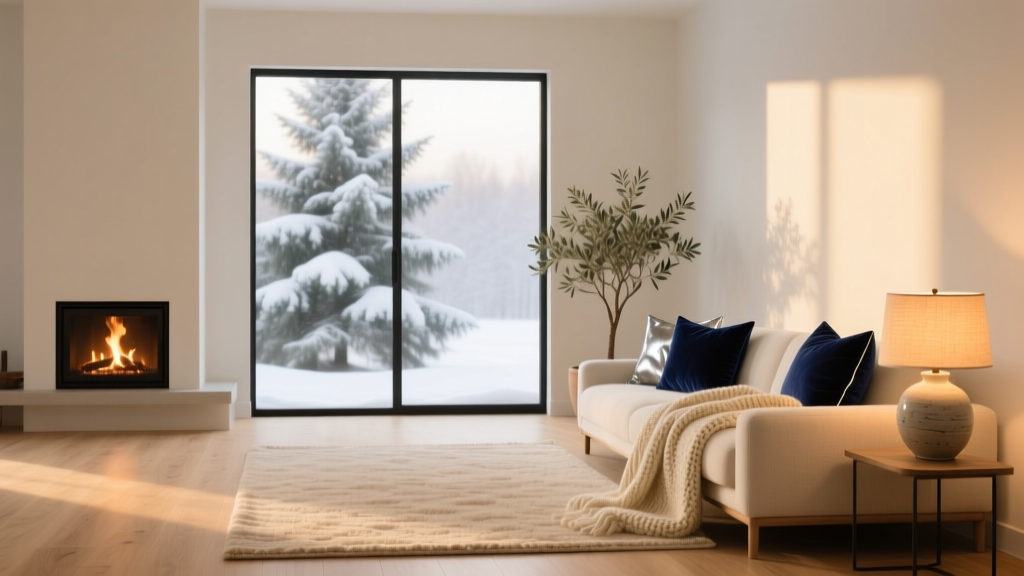 How to Create a Cozy Winter Living Room - The Decor Mag
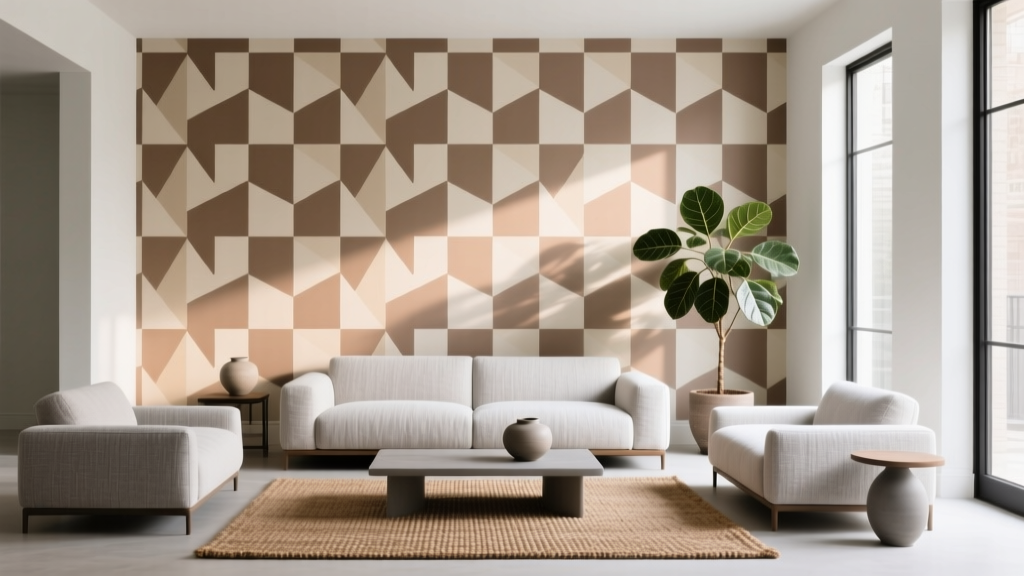 Patterned Wallpaper Living Room Styling (2026)
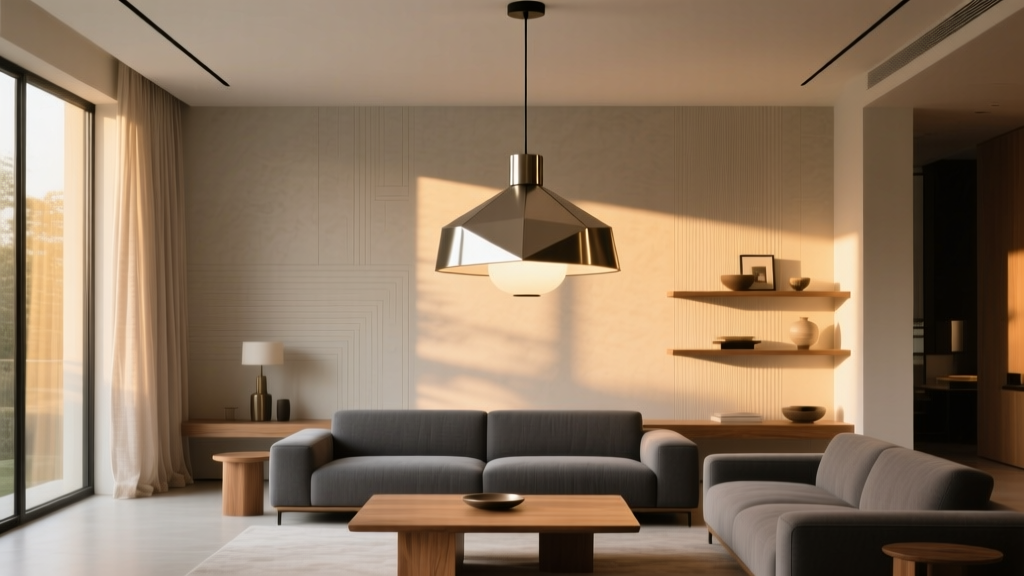 Best Pendant Lighting for Living Rooms - The Decor Mag
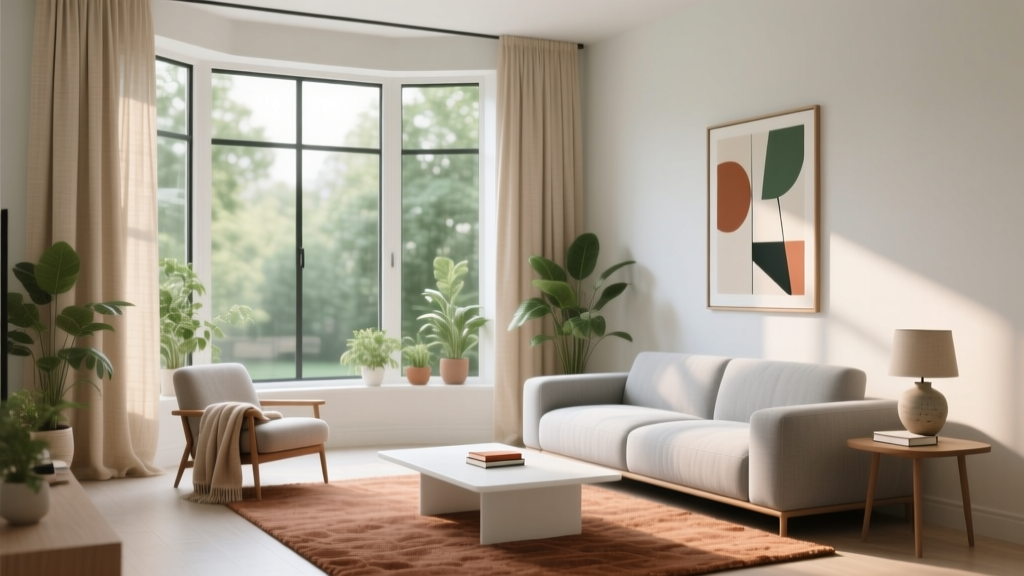 Bay Window Living Room Decor Ideas (2026)
 Living Room Artful Eclectic Design - The Decor Mag
 Open Concept Living Room Furniture Arrangement
 Best Ottoman Coffee Table Combinations - The Decor Mag