Modern Minimalist Living Room Ideas for 2026 - The Decor Mag
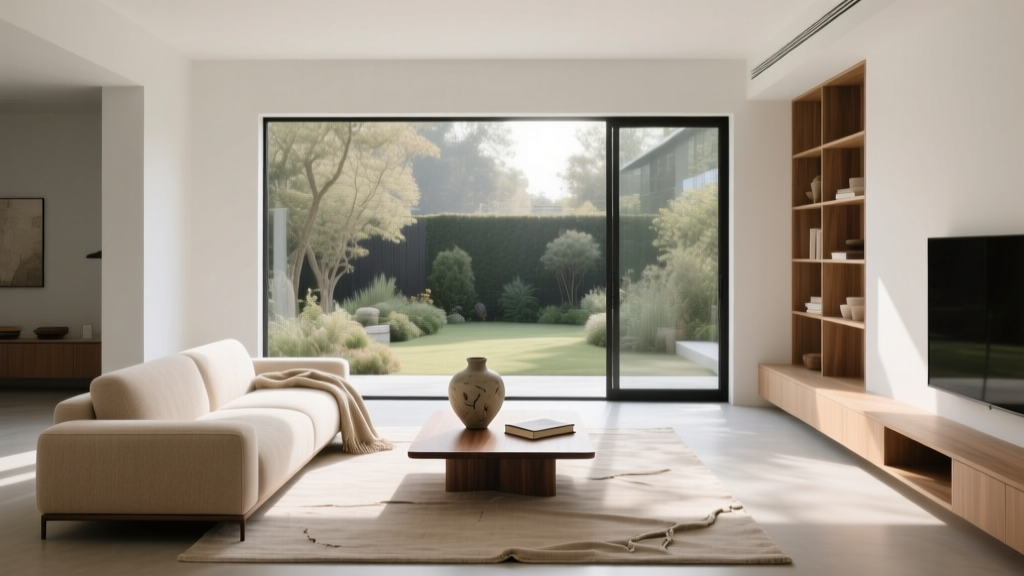
Minimalism has evolved. The modern minimalist living room in 2026 isn’t a blank, echo-y space with one chair and a single plant—it’s warmer, smarter, and more personal. Homeowners and renters are leaning into calm interiors that still feel lived-in: soft textures, low-contrast color palettes, hidden storage, and furniture that earns its footprint.
This matters because the living room is doing more than ever. It’s where you host, unwind, work occasionally, and recharge. A minimalist approach helps reduce visual noise, makes small rooms feel larger, and creates a backdrop that supports your real life (kids, pets, roommates, or a hybrid schedule) instead of fighting it.
Below you’ll find practical modern minimalist living room ideas for 2026—layouts that work, measurements that prevent common mistakes, product and material recommendations, budget ranges, and real-world scenarios you can copy. Whether you’re refreshing a rental or redesigning a forever home, you’ll walk away with a clear plan.
What “Modern Minimalist” Means in 2026
Minimalism today is less about scarcity and more about clarity. The best minimalist living rooms balance clean lines with comfort and intentional detail.
Key trends shaping minimalist living rooms in 2026
- Warm minimalism: creamy whites, greige, clay, mushroom, and oat tones replacing stark white-on-white.
- Curved silhouettes: soft-edged sofas, rounded coffee tables, and arched floor lamps to counter hard architectural lines.
- Low-profile furniture: “grounded” seating and modular pieces that keep sightlines open—great for small living rooms.
- Natural materials (real and convincing): limewash, travertine, oak, wool bouclé, linen blends, and matte metals.
- Layered, quiet texture: subtle variation in weave, grain, and finish instead of busy patterns.
- Tech that disappears: flush-mounted TVs, cord management, compact speakers, and integrated charging—no cable chaos.
Timeless principles still apply: good proportions, strong negative space, and a room that functions beautifully before it looks “finished.”
Start With Layout: The Minimalist Living Room Blueprint
A minimalist look falls apart when furniture is the wrong scale or circulation is cramped. Use these measurements to plan a layout that feels airy—but not empty.
Essential spacing guidelines (save these)
- Walkways: Keep 30–36 inches clear for main paths (24 inches can work in tight apartments).
- Sofa to coffee table: Aim for 14–18 inches for comfortable reach.
- Rug sizing: Choose a rug that lets the front legs of all seating sit on it. For most living rooms, that’s 8' x 10' or 9' x 12'.
- TV viewing distance: Roughly 1.5–2.5x your TV’s diagonal size. Example: a 65" TV is typically comfortable at 8–11 feet.
- Side table height: Within 1–2 inches of your sofa arm height for an intentional look.
Step-by-step: A simple minimalist layout that works in most rooms
- Anchor the room with a rug (bigger than you think). Place it first to define the zone.
- Pick one main seating piece (usually a sofa) and center it to the focal point (window view, fireplace, or TV wall).
- Add one secondary seating option: a single lounge chair, a pair of armless chairs, or a compact loveseat—avoid overfilling.
- Choose one coffee table with visual breathing room (rounded edges help in tight spaces).
- Finish with lighting: one overhead source plus at least one floor or table lamp for softness.
Real-world scenario: The 450 sq. ft. apartment living room
You have a combined living/dining zone and limited wall space. A minimalist plan that works:
- Sofa: 72–84 inches wide, apartment depth (around 34–38 inches).
- Coffee table: 36–42 inches long, or a 30–34 inch round table to improve circulation.
- Storage: a 60–72 inch low media console that doubles as hidden storage.
- Rug: 8' x 10' if it fits; otherwise 6' x 9' placed with front legs on the rug.
Color Palettes for a Calm, Modern Minimalist Living Room
Minimalism doesn’t require a monochrome room—it requires restraint. In 2026, low-contrast palettes and soft transitions are leading the way.
Three minimalist color directions that feel current (and won’t date quickly)
- Warm neutral: creamy white walls + light oak + sand or camel upholstery + matte black accents.
- Quiet earthy: mushroom or taupe walls + clay-toned textiles + travertine or stone-look surfaces.
- Soft grayscale (updated): warm gray walls (avoid icy undertones) + off-white upholstery + brushed nickel.
Paint and finish tips (renter-friendly options included)
- Choose a low-sheen finish: eggshell or matte on walls hides imperfections and looks more modern.
- Use one “nearly-white”: a creamy white can make a room feel warmer than bright white, especially under LED lighting.
- Renters: try peel-and-stick wallpaper in a subtle texture (linen look, plaster effect) on one wall behind the sofa.
Furniture That Fits Minimalism: Fewer Pieces, Better Choices
Minimalist living room furniture should look good from every angle and do more than one job when possible. The goal is visual simplicity without sacrificing comfort.
The “core 5” minimalist pieces (most living rooms only need these)
- Sofa (or sectional for family homes)
- Coffee table
- One accent chair (or two slim chairs if you entertain)
- Media console or storage credenza
- One statement light (floor lamp or pendant) + optional table lamp
Material recommendations that look elevated in 2026
- Wood: white oak, ash, walnut (matte finish or light oil)
- Upholstery: performance linen blends, bouclé (choose tight weave for durability), wool blends
- Tables: solid wood, microcement finishes, travertine (or quality travertine-look porcelain for a lower-maintenance option)
- Metal accents: matte black, brushed brass, soft nickel (avoid overly shiny chrome unless your home is very modern)
Budget ranges you can plan around (typical U.S. pricing)
- Starter minimalist refresh: $300–$1,200 (rug + lighting + styling + storage tweaks)
- Mid-range furniture upgrade: $1,500–$5,000 (sofa + rug + coffee table + lighting)
- Investment-level overhaul: $6,000–$15,000+ (custom sofa/sectional, high-end rug, built-ins, designer lighting)
Product-style recommendations (look for these features)
- Sofa: bench seat for a cleaner look, concealed legs or low legs, removable/washable covers if you have pets.
- Coffee table: rounded corners for small rooms; choose 30–36 inches wide for most spaces.
- Media console: closed storage (doors) to hide clutter; cord cutouts; at least 12–16 inches deep for equipment.
- Accent chair: a slim frame with a comfortable seat depth (around 20–22 inches)—avoid oversized chairs that swallow the room.
Texture, Not Clutter: Minimalist Styling That Still Feels Cozy
A common fear with minimalist decor is that the room will feel cold. The fix is texture and intentional layering—done with a light hand.
The minimalist layering formula
- One tactile rug (wool, wool blend, or a low-pile textured weave)
- Two pillows max per sofa side (4 total is usually enough). Stick to solids and subtle weaves.
- One throw in a contrasting texture (chunky knit, brushed cotton, or mohair blend)
- One natural element (olive tree, rubber plant, or a sculptural branch in a vase)
- One object moment on the coffee table (book + small tray + one sculptural item)
Real-world scenario: Minimalism with kids and pets
You can absolutely keep a modern minimalist living room with real-life wear and tear. Prioritize:
- Performance fabrics: look for stain-resistant, high-rub-count upholstery (often labeled “performance” or “contract-grade”).
- Washable rugs: or low-pile wool rugs in heathered tones that hide crumbs and fur.
- Closed storage: baskets and bins inside a credenza keep toys contained without looking messy.
- Rounded edges: round/oval coffee tables are safer and improve flow.
Lighting and Minimalist Decor: The Fastest Way to Upgrade the Room
Minimalist spaces live or die by lighting. Flat overhead lighting makes even great furniture look underwhelming. Aim for a layered approach.
A simple minimalist lighting plan
- Ambient: ceiling fixture or recessed lights (warm LEDs around 2700K for a cozy feel)
- Task: floor lamp next to the sofa or a reading chair
- Accent: a table lamp on a console or subtle picture light above art
Placement tips
- Floor lamp height: choose shades that land around 58–64 inches tall for most seating arrangements.
- Use dimmers: if you do one “grown-up” upgrade, make it dimmable lighting.
- Highlight texture: a warm lamp grazing a limewash or textured wall creates depth without adding objects.
Storage That Disappears: Keeping Minimalist Living Rooms Functional
A minimalist living room isn’t about having fewer things—it’s about having fewer things visible. Smart storage is the secret.
Minimalist storage ideas that work in rentals and homes
- Credenza with doors: hides games, cables, and paperwork.
- Storage ottoman: doubles as extra seating and a place for throws.
- Floating shelves (sparingly): one long shelf can hold a few curated pieces without visual clutter.
- Behind-sofa console table: slim (10–14 inches deep) to hold lamps and charge devices without crowding.
- Cable management: adhesive cord channels + a power strip mounted under the console keeps floors clean.
Art and Decor: How to Make Minimalism Feel Personal
The best modern minimalist decor includes personal touches—just edited and thoughtfully placed.
Easy art guidelines (that prevent blank-wall syndrome)
- Go larger, not more: one oversized piece feels calmer than a gallery wall of small frames.
- Hang at the right height: the center of the art should be about 57–60 inches from the floor.
- Scale to the sofa: art above a sofa should be roughly 2/3 the sofa’s width.
- Frame choice: thin black, light oak, or soft white frames suit minimalist interiors.
Real-world scenario: Minimalist living room with strong architecture
If your space has bold features—like exposed brick, heavy beams, or large windows—let the architecture lead. Choose quieter furniture (solid colors, simple shapes) and repeat one or two finishes (oak + black metal, for example) so the room feels cohesive rather than busy.
Common Minimalist Living Room Mistakes to Avoid
- Buying a rug that’s too small: it makes the room feel choppy. Size up whenever possible.
- Confusing “minimal” with “uncomfortable”: a minimalist sofa still needs supportive cushions and the right depth for lounging.
- Too many small decor items: ten tiny objects read as clutter. Choose two or three larger pieces instead.
- Ignoring acoustics: minimal rooms can echo. A wool rug, curtains, and upholstered furniture soften sound.
- All-white everything: without texture and tonal variation, it can feel flat. Mix warm whites and tactile materials.
- Visible cords and mismatched tech: cable clutter breaks the clean look instantly. Plan cord routes before placing furniture.
FAQ: Modern Minimalist Living Room Design (2026)
How do I make a minimalist living room feel cozy?
Use texture and warm lighting. Add a wool rug, linen or bouclé upholstery, one or two throws, and layered lighting (a floor lamp plus a table lamp) with warm bulbs around 2700K.
What’s the best minimalist color palette for small living rooms?
Low-contrast warm neutrals are the easiest: creamy walls, light wood, and sand or oatmeal textiles. It keeps the space bright while avoiding the cold feel of stark white.
Can I do minimalist decor in a rental apartment?
Yes. Focus on removable upgrades: a larger rug, plug-in lighting, peel-and-stick texture wallpaper, and closed storage furniture. Use adhesive cord channels to hide cables without drilling.
How many decor items should a minimalist living room have?
Think in “moments,” not counts: one coffee-table vignette, one plant, and one art statement can be enough. If you add something new, remove something else so the room stays visually calm.
What sofa style works best for modern minimalist living rooms?
Look for a clean-lined, low-profile sofa with a bench seat or tight cushions. Neutral performance fabric is a smart choice for longevity, especially in family homes.
How do I keep a minimalist living room from looking boring?
Mix materials (oak + linen + stone-look surfaces), introduce one sculptural element (a curved chair or round table), and add contrast through tone (cream, camel, and warm black) rather than busy patterns.
Your Next Steps: A Simple Minimalist Refresh Plan
If you want results without a full renovation, start with these three moves:
- Right-size the rug and place it properly (front legs of seating on the rug).
- Edit and hide clutter with one closed-storage piece (media console or credenza).
- Upgrade lighting with a floor lamp and warm bulbs on a dimmer or smart plug.
Once those are done, refine your palette, add one strong art piece, and keep styling intentional. Minimalism is less about perfection and more about making space for what you actually enjoy.
Looking for more modern living room ideas? Explore the latest room-by-room guides, furniture picks, and styling tricks on thedecormag.com.
More Articles
 Mix Wood Tones in Living Room Furniture (2026)
 Pet-Proof Sofa Choices for Stylish Homes
 Family Living Room Layouts for Movie Night
 Best Side Table Height Next to Sofa Arm - The Decor Mag
 How to Create a Warm Inviting Living Room - The Decor Mag
 Living Room Furniture That Lasts: 2026 Picks
 Living Room Window Treatments for Privacy (2026)
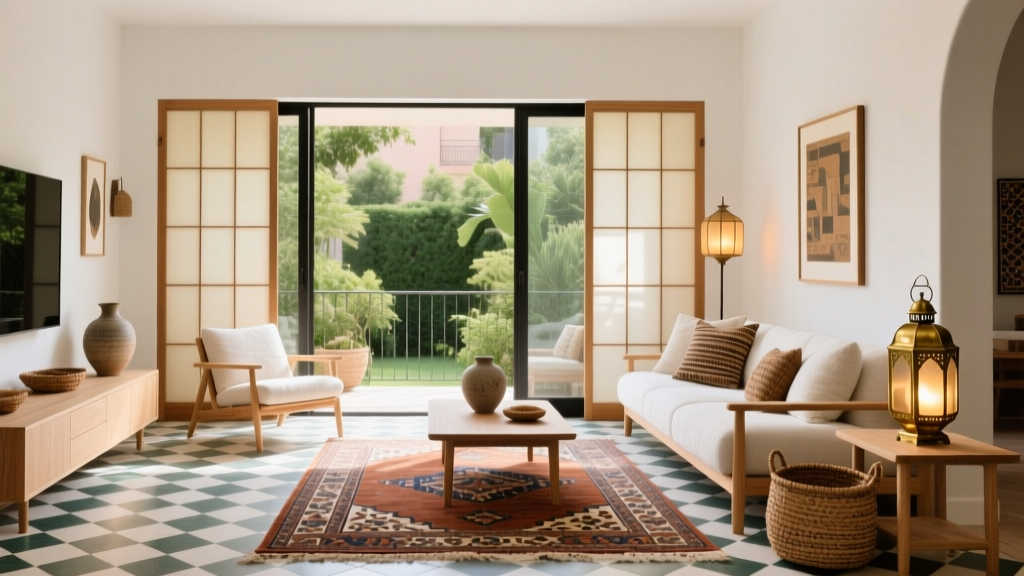 Living Room Global Bazaar Style - The Decor Mag
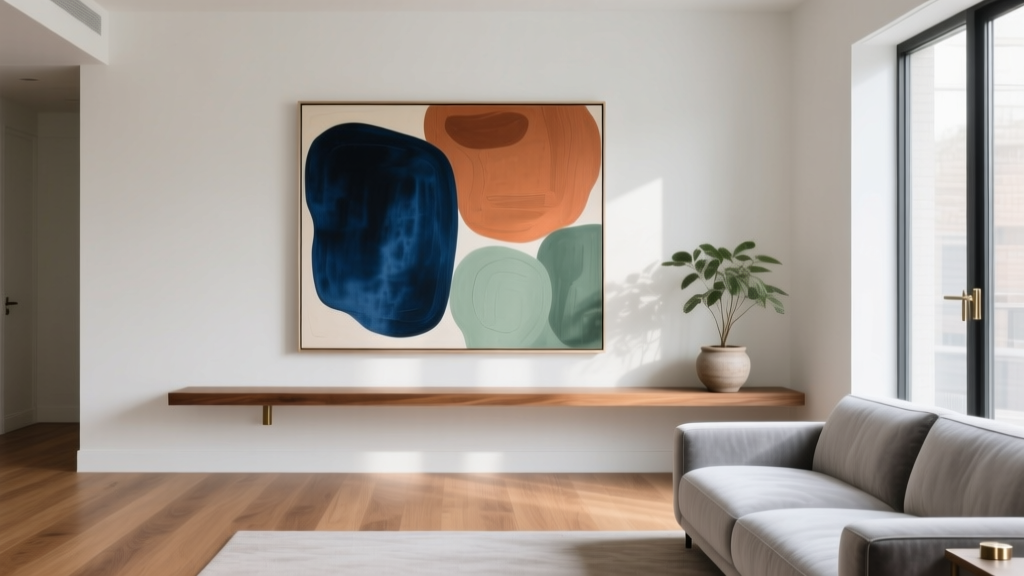 Living Room Color Scheme from Art (2026)
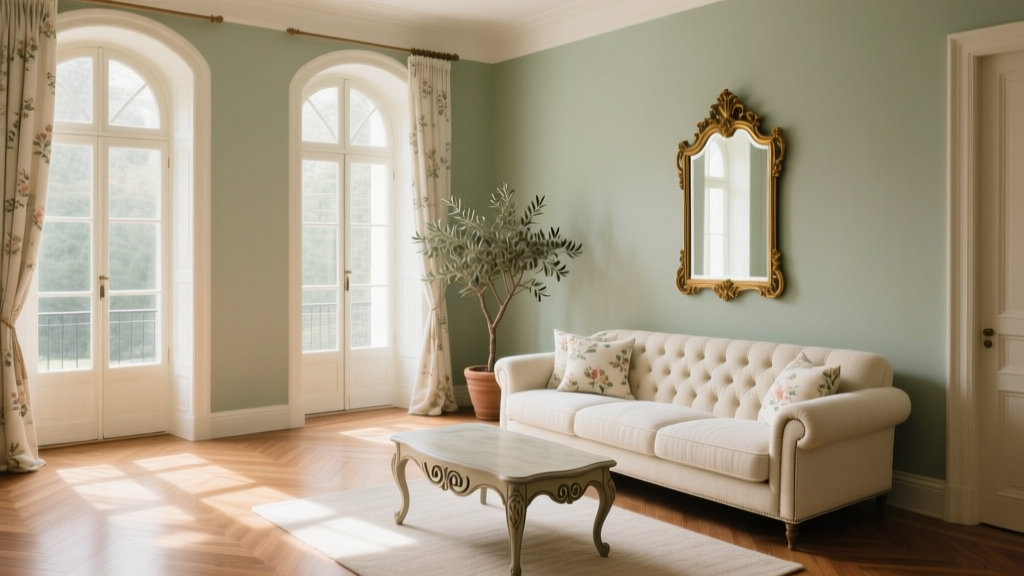 Living Room French Provincial Inspiration - The Decor Mag