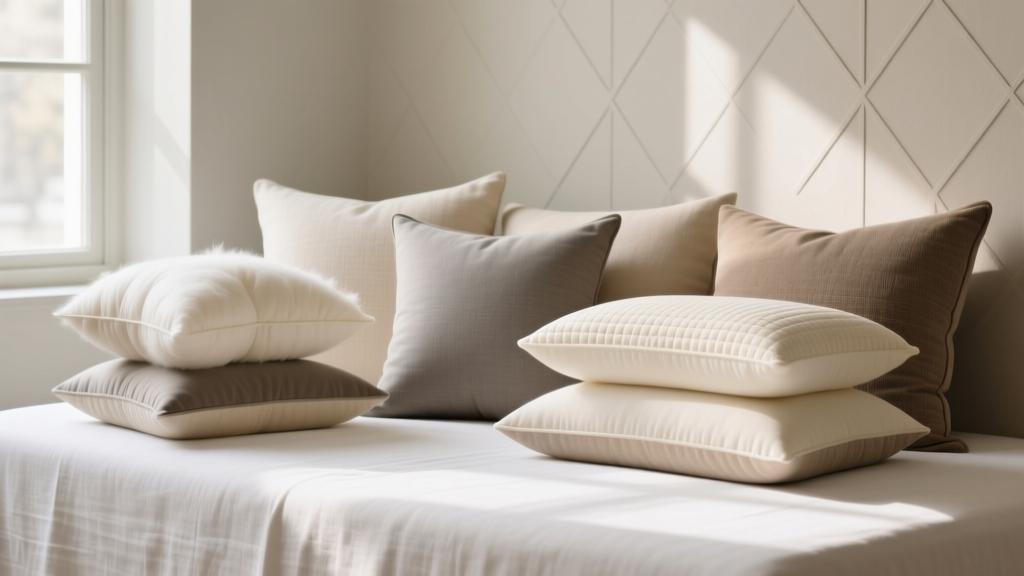
Best Accent Pillow Fill Inserts - The Decor Mag
Accent pillows are the finishing touch that can make a living room feel pulled together—layered, inviting, and styled on purpose. But even the most beautiful pillow cover can fall flat (sometimes literally) if the insert inside isn’t the right size, fill, or firmness. If your throw pillows look saggy, lumpy, or “pancaked” after a week on the sofa, the issue is almost always the insert.
The good news: choosing the best accent pillow fill inserts isn’t complicated once you know what to look for. This guide breaks down the best pillow insert materials, how to pick the right size for your covers, and which firmness levels work for different living room setups—whether you’re styling a modern sectional, a classic sofa, or a cozy reading nook.
You’ll also get practical buying ranges, real-world styling scenarios, common mistakes to avoid, and a quick FAQ so you can shop with confidence and upgrade your living room decor without guesswork.
Why Pillow Inserts Matter More Than You Think
When you’re updating living room design on a budget, pillow covers get all the attention—patterns, textures, seasonal colors. Inserts are the behind-the-scenes hero. The right insert:
- Creates a fuller, designer “chop” and tailored silhouette
- Holds its shape after daily use (and after you inevitably nap on it)
- Makes inexpensive covers look higher-end
- Improves comfort for lounging and back support
- Helps your styling look intentional rather than cluttered
Think of inserts like the foundation of a room: you don’t see them, but they affect everything.
Best Accent Pillow Insert Materials (Pros, Cons, and Best Uses)
There’s no single “best” fill for everyone. The best accent pillow fill inserts depend on your priorities: luxe look, easy maintenance, allergies, durability, or budget. Here’s how the most common options compare.
Down Inserts (Soft, Luxurious, Best for a Relaxed Look)
What they are: Natural down clusters from ducks or geese. Often considered the gold standard for plushness.
- Best for: Living rooms that lean classic, transitional, or elevated modern; sofas styled for comfort
- Feel: Very soft and sink-in
- Look: Relaxed, drapey, “lived-in” in the best way
Pros:
- High-end, cloud-like softness
- Fluffs back up well with a quick shake
- Great for the coveted “karate chop” at the top
Cons:
- Can trigger allergies for some
- May require more frequent fluffing than firmer fills
- Typically higher cost
Budget range: ~$20–$60 per insert, depending on size and down quality.
Feather + Down Blend (Best Balance of Shape + Softness)
What they are: A blend of feathers (structure) and down (softness). Many decorators choose this for living room throw pillows because it holds a shape while still feeling plush.
- Best for: Most living room pillows—especially 20x20, 22x22, and lumbar sizes
- Feel: Medium-soft with supportive body
- Look: Full and tailored without being stiff
Pros:
- Holds a “designer” shape better than pure down
- Comfortable for lounging
- Usually more affordable than all-down
Cons:
- Some feather quills can poke through if the ticking isn’t high quality
- Not ideal for severe allergies
Budget range: ~$18–$45 per insert.
Down-Alternative (Hypoallergenic, Easy Care, Great for Busy Homes)
What it is: Polyester microfiber engineered to mimic down loft.
- Best for: Homes with kids, pets, allergies; renters who want easy-care living room decor
- Feel: Varies—can be soft, medium, or firm depending on quality
- Look: Can look full if you size up; may look slightly “puffier” than feather/down
Pros:
- Hypoallergenic and widely available
- Often machine-washable (check label)
- Budget-friendly and consistent
Cons:
- Lower-end versions can clump or flatten faster
- Doesn’t always achieve the same relaxed drape as down
Budget range: ~$10–$30 per insert.
Memory Foam or Shredded Foam (Supportive, Not Always “Decorative”)
What it is: Foam fill, either solid or shredded, often used for support cushions.
- Best for: Back support pillows, reading corners, daybeds; less common for classic living room styling
- Feel: Supportive and resilient
- Look: Can look structured; not ideal if you want a soft “sink”
Budget range: ~$15–$50 per insert.
How to Choose the Right Insert Size (The Simple Rule That Changes Everything)
For living room accent pillows, the most reliable styling trick is to choose an insert that’s slightly larger than your cover. This creates a full, plump look rather than a floppy one.
The “Size Up” Guide
- For a 18x18 cover: use a 20x20 insert
- For a 20x20 cover: use a 22x22 insert
- For a 22x22 cover: use a 24x24 insert
- For a 12x20 lumbar cover: use a 14x22 insert (or 13x21 if available)
Exception: If your cover fabric is very thick or non-stretch (heavy boucle, stiff embroidery, leather), sizing up too much can strain seams. In those cases, choose the same size insert as the cover or size up by just 1 inch if available.
Pro Tip: Don’t Forget the Zipper Opening
Some covers have smaller zipper openings that make it harder to insert an oversized form. If you struggle to get it in without forcing, go down one size or choose a softer fill (down/down-alternative) that compresses easily.
Picking the Right Firmness for Your Living Room
Firmness affects both comfort and style. If you’ve ever wondered why some pillows stand tall while others look slouchy, firmness is the reason.
- Soft: Best for a relaxed, cozy vibe; great on deep sofas and for snuggling
- Medium: Best all-around choice for most accent pillows
- Firm: Best for structured, tailored looks; works well for lumbar support and crisp modern styling
Design trend watch: A popular current look is mixing firmness levels—firmer back pillows (for structure) with softer front pillows (for comfort). It reads layered and intentional while staying livable.
Product Recommendations: The Best Accent Pillow Fill Inserts by Need
Instead of a single “best,” here are smart categories to shop for—so you get the right insert for your space, lifestyle, and budget.
Best Overall for Living Room Styling: Feather/Down Blend Insert
- Why it works: Balanced shape + softness; looks designer; comfortable
- Look for: High-thread-count cotton ticking (helps prevent feather pokes), sewn edges, medium fill weight
- Ideal sizes: 22x22 and 24x24 for sofa back pillows; 12x20 for lumbars
Best Budget-Friendly Upgrade: High-Loft Down-Alternative Insert
- Why it works: Affordable, widely available, allergy-friendly, easy care
- Look for: “Slick” microfiber fill (less clumping), gusseted edges (adds loft), medium-to-firm options
- Ideal sizes: Size up 2 inches for a fuller look, especially on 18x18 and 20x20 covers
Best for a Luxe, Relaxed Living Room: All-Down Insert
- Why it works: Soft drape, premium feel, effortless styling
- Look for: Baffle-box construction (keeps fill evenly distributed), responsibly sourced down certifications if important to you
- Ideal use: Front layer pillows that you actually lean on
Best for Kids/Pets/High-Traffic Spaces: Washable Down-Alternative
- Why it works: Easy cleaning, less worry, consistent loft
- Look for: Machine-washable label, resilient fill, strong stitching
- Style tip: Pair with durable covers (performance fabric, cotton canvas, tight weaves) for a living room that stays polished
Step-by-Step: How to Get That Full, Designer Pillow Look
- Choose the cover first (pattern, texture, color) and confirm its exact dimensions.
- Select the insert fill based on your lifestyle:
- Allergies or frequent washing: down-alternative
- Best balance: feather/down blend
- Luxury softness: all-down
- Size up the insert by 2 inches for most woven covers (example: 20x20 cover → 22x22 insert).
- Insert it correctly:
- Fold the insert in half “hamburger style” and feed it into the cover.
- Push corners out fully (use your hands, not sharp tools).
- Zip closed and fluff from the sides.
- Style with a simple formula for a sofa:
- 2 x 22x22 in the back (solid or subtle texture)
- 2 x 20x20 in front (pattern or contrast)
- 1 x lumbar centered (12x20 or 14x22)
Real-World Living Room Scenarios (So You Can Picture It at Home)
Scenario 1: A Small Apartment Sofa That Needs to Look Taller and More Styled
Challenge: Small sofas can look “short” and flat when pillows collapse.
Solution: Use firmer feather/down blend inserts sized up by 2 inches.
- Two 22x22 inserts inside 20x20 covers for the back corners
- One 14x22 insert inside a 12x20 lumbar cover to add a tailored center layer
Result: The sofa looks fuller and more intentional without adding extra furniture—great for renters upgrading living room decor with minimal changes.
Scenario 2: A Family Room Sectional That Gets Daily Use
Challenge: Pillows get sat on, thrown on the floor, and need to bounce back fast.
Solution: Choose high-quality down-alternative inserts (medium to firm) and washable covers.
- Go with 24x24 inserts for 22x22 covers on deep sectional corners
- Add a firm lumbar insert for movie nights and back support
Result: You get that plush, layered look—without babying your pillows.
Scenario 3: A More Formal Living Room You Want to Feel Inviting
Challenge: Formal spaces can read stiff.
Solution: Mix insert types: feather/down blend for structure + a couple of all-down pillows for softness.
- Back layer: medium feather/down blend (structured)
- Front layer: soft all-down (sink-in comfort)
Result: The room keeps its polished vibe while feeling approachable—very aligned with current “quiet luxury” and timeless design principles.
Common Mistakes to Avoid When Buying Pillow Inserts
- Buying the same size insert as the cover and wondering why it looks flat (size up in most cases).
- Going too cheap on fill quality—low-grade polyfill clumps and creates uneven lumps.
- Ignoring fabric thickness—stiff covers may need same-size inserts to avoid strained seams.
- Choosing all-soft inserts for every pillow—your arrangement can look droopy. Add at least one medium/firm insert for structure.
- Not checking ticking quality on feather inserts—poor ticking leads to feathers poking through.
- Overstuffing small covers so much that the pillow becomes hard and awkward to use.
FAQ: Accent Pillow Fill Inserts
What is the best pillow insert for a living room sofa?
For most living rooms, a feather/down blend insert offers the best mix of shape, comfort, and a high-end look. If allergies or easy cleaning are priorities, choose a high-loft down-alternative and size up for fullness.
Should pillow inserts be bigger than the cover?
Yes—typically 2 inches bigger for a fuller, more styled look (20x20 cover → 22x22 insert). If your cover is very thick or stiff, choose the same size to avoid stressing seams.
What’s the best insert for getting the “chop” look?
Down and feather/down blend inserts usually “chop” the best because the fill is flexible and shifts naturally. Overly firm poly inserts can resist that relaxed crease.
Are down-alternative inserts good enough for a designer look?
They can be—choose a higher-quality, high-loft option and size up. Look for gusseted edges and resilient microfiber fill so the pillow stays plump on your couch.
How many accent pillows should I have on my sofa?
A practical, polished starting point is 3 to 5 pillows for a standard sofa: two larger pillows in back, two slightly smaller in front, and one lumbar in the center. For a sectional, scale up in size (22x22 to 24x24) and add pillows to balance long spans.
How often should I replace pillow inserts?
For everyday living room use, plan on replacing inserts every 2–5 years depending on fill quality and wear. If they won’t fluff back up, look lumpy, or feel thin, it’s time.
Next Steps: Upgrade Your Living Room Pillows Like a Pro
If you want your living room to feel more finished—without a major overhaul—start with inserts. Measure your covers, decide on a fill that fits your lifestyle, and size up for that plush, tailored look. Even swapping inserts inside existing covers can make your sofa styling look brand new.
- Quick checklist:
- Measure covers (don’t guess)
- Pick fill: down, feather/down blend, or down-alternative
- Size up by 2 inches in most cases
- Mix firmness for structure + comfort
- Choose quality ticking and stitching for durability
For more living room ideas—from sofa styling formulas to color palettes and texture trends—explore the latest inspiration on thedecormag.com.
More Articles
 Living Room Vintage Decor Finds - The Decor Mag
 Wood Care Tips for Living Rooms in 2026
 Human-Centered Spatial Design for Modern Living 2026
 Architectural Salvage Living Room Styling (2026)
 How to Style Bookshelves in Your Living Room - The Decor Mag
 Best Furniture for First Home in 2026: Smart & Sustainable
 Best Storage Ottoman Picks - The Decor Mag
 Living Room Statement Piece Furniture Guide - The Decor Mag
 Maximalist Living Room Decor Done Right - The Decor Mag
 Living Room Accent Wall Ideas - The Decor Mag