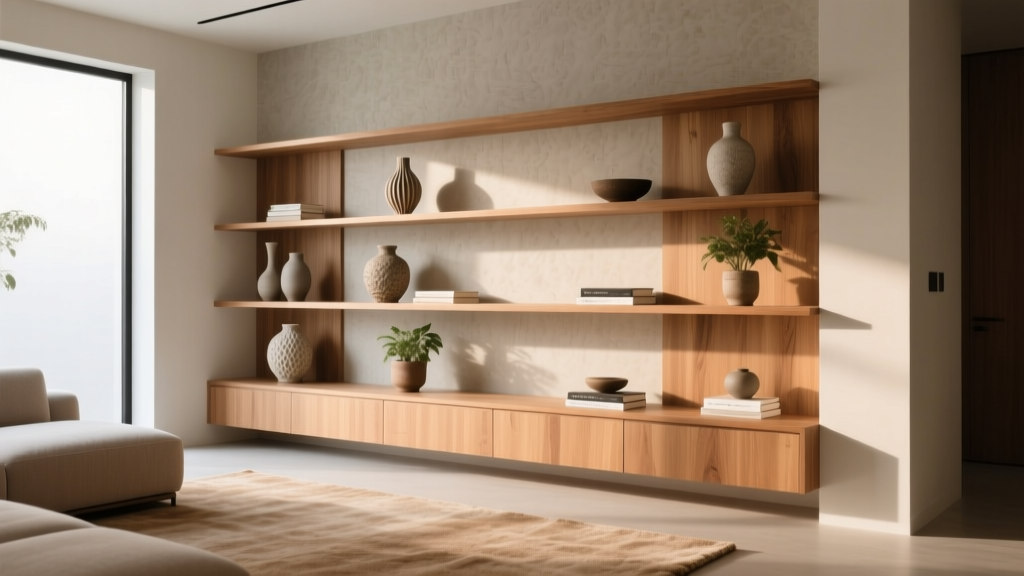
Living Room Built-In Shelving Ideas - The Decor Mag
Built-in shelving can completely change how a living room looks and works. It turns that “what do we do with this wall?” question into a purposeful feature—one that adds storage, style, and architectural character all at once. Whether you’re a homeowner planning a full remodel or a renter looking for a built-in look with less commitment, the right shelving plan can make your space feel more finished and more functional.
This guide covers living room built-in shelving ideas that work across styles—from modern and minimal to classic and cozy. You’ll learn what measurements actually matter, how to choose materials and finishes, where lighting makes the biggest impact, and how to style shelves so they look curated (not cluttered). You’ll also find real-world scenarios, common mistakes to avoid, and budget ranges so you can make confident design decisions.
Why Built-In Shelving Works So Well in Living Rooms
Living rooms carry a lot of responsibility: entertaining, relaxing, hosting toys, storing media, displaying decor, and sometimes functioning as a home office. Built-in shelves solve multiple problems with one design move.
- Maximizes wall space: Especially helpful in smaller living rooms where floor storage eats up walking room.
- Creates a focal point: A built-in around a fireplace or TV instantly anchors the room.
- Adds resale appeal: Custom storage reads “high-end,” even when the design is simple.
- Reduces visual clutter: A mix of open shelving and closed cabinetry hides the everyday mess.
Plan First: Measurements and Layout Rules That Make Built-Ins Feel Custom
Start with the wall—and what you need it to do
Before choosing styles or finishes, decide how your built-in shelving should function. Ask yourself:
- Do you need book storage, media storage, or display space?
- Should it include closed cabinets for games, cords, and remotes?
- Will it frame a TV, a fireplace, or a blank feature wall?
Practical shelf dimensions (use these as a baseline)
- Standard shelf depth: 10–12 inches for books and decor; 14–16 inches if you want larger art objects or baskets.
- Book shelf height: 10–12 inches between shelves for most books; 13–15 inches for tall art books.
- Lower cabinet depth: 16–24 inches for media components and hidden storage.
- Comfortable reach: Keep your most-used shelves between 30–70 inches from the floor.
- Base cabinet height: 30–36 inches is common; 34–36 inches works especially well if you want a “console-like” surface.
Proportions that look right (even if your shelves aren’t expensive)
- Leave breathing room: A wall-to-wall built-in can be stunning, but if your room is small, consider floating sections or adding negative space.
- Match trim thickness: Align the built-in face frame or trim with your home’s baseboards and window casing for a truly integrated look.
- Plan symmetry—or commit to asymmetry: Even built-ins feel calm; asymmetrical ones feel modern and creative. The mistake is an “almost symmetrical” layout that looks accidental.
10 Built-In Shelving Ideas for a Beautiful, Functional Living Room
1) Fireplace built-ins that balance cozy and practical
Built-in shelves flanking a fireplace are a timeless living room design move. For a classic look, keep shelves symmetrical and add lower cabinets to hide board games and extra throws.
- Design tip: Use closed cabinets on the bottom (30–36 inches high), open shelves above for decor and books.
- Trend-forward twist: Paint the built-ins a deep, moody tone (olive, charcoal, navy) while keeping the mantel in a lighter contrast.
Real-world scenario: A family living room with kids can keep the top shelves styled and the lower cabinets filled with toys in labeled bins—still polished, still livable.
2) TV wall built-ins that hide wires and reduce the “black box” effect
A TV can dominate a living room. Built-ins help it feel intentional and integrated.
- Design tip: Plan a dedicated chase or channel for cables and add an outlet behind the TV.
- Measurement guide: Leave at least 3–4 inches around media components for ventilation, and consider adjustable shelves for changing tech.
- Style tip: Mix books, art, and textured objects around the TV to soften the look.
Product recommendation: Add a recessed power kit (often $60–$150) and cable management raceways for a cleaner finish.
3) Floor-to-ceiling library wall for big impact
If you love reading—or you want a dramatic design statement—go vertical. A library-style built-in draws the eye upward, making ceilings feel taller.
- Design tip: Add a rolling ladder only if you truly need it; otherwise, a simple step stool can keep the look streamlined.
- Material recommendation: Paint-grade MDF can work well when professionally finished; for a richer look, consider oak or walnut veneers.
Budget range: DIY/semi-custom library walls often land around $800–$3,500; fully custom millwork can range from $6,000–$20,000+ depending on size and materials.
4) Built-in reading nook with shelves and a bench
Turn an awkward corner or window wall into a destination. A built-in bench with shelving creates a cozy, high-function zone.
- Comfort tip: Bench height is typically 18 inches; aim for 20–24 inches deep with cushions.
- Storage tip: Use lift-top storage or drawers for blankets and seasonal decor.
Real-world scenario: In a rental-friendly version, pair tall bookcases with a freestanding storage bench and add a custom-cut cushion for a “built-in” vibe without permanent construction.
5) Asymmetrical built-ins for modern living rooms
Modern built-in shelving often plays with uneven compartments and varied shelf lengths. The result feels architectural and fresh.
- Design tip: Keep a consistent spacing rhythm—repeat a few shelf heights rather than making every section different.
- Style tip: Use negative space intentionally; not every compartment needs an object.
6) Built-ins with closed storage that actually makes life easier
The most livable built-ins usually combine open shelves with doors or drawers. Closed storage is your secret weapon for keeping a living room tidy.
- What to hide: remotes, chargers, pet toys, paperwork, extra candles, game controllers.
- Hardware trend: Warm metals (brushed brass, champagne bronze) are popular, but matte black is still a strong classic.
Product recommendation: Soft-close hinges and drawer slides (often $15–$40 per piece) are a worthwhile upgrade for daily use.
7) Corner built-in shelves to reclaim dead space
Corners can be tricky, but built-in corner shelving can add storage without crowding the room.
- Design tip: Use a mix of open shelves and a lower corner cabinet to avoid looking like a display-only unit.
- Measurement guide: 11–14 inches of depth at the corner is typically enough for decor and baskets.
8) Floating built-in shelving for a lighter look
If full millwork feels too heavy (or too permanent), floating shelves give you the built-in feel with a more breathable footprint.
- Material recommendation: Use solid wood or veneered plywood with a sturdy bracket system. Avoid thin MDF shelves if you’ll store books—they can sag.
- Design tip: Keep shelf thickness between 1.5–3 inches for a substantial, custom look.
9) Picture-light and LED-lit built-ins for a high-end finish
Lighting is one of the fastest ways to make built-in shelving look expensive. It also makes styling easier because your decor reads clearly, especially in the evening.
- LED strip lights: Install under each shelf or along the sides.
- Color temperature: Choose warm white (2700K–3000K) for living rooms.
- Control tip: Put lights on a dimmer for flexible mood lighting.
Budget range: Basic plug-in LED kits can start around $30–$100; hardwired solutions with channels and dimmers often range $300–$1,500+ installed.
10) Renter-friendly “built-in look” using modular systems
Renters can still get the built-in aesthetic with clever planning and a few finishing tricks.
- Try: wall-to-wall bookcases (like IKEA Billy or modular systems) plus trim and paint (with landlord permission).
- Hack tip: Add a base and crown molding to close gaps and create a seamless look.
- Finish tip: Use peel-and-stick wallpaper on the back panels for depth and personality.
Budget range: $250–$2,000 depending on how many units you use and whether you add doors, lighting, and trim.
Materials and Finishes: What Looks Best (and Lasts)
- Paint-grade MDF: Smooth and budget-friendly; great for a crisp painted finish. Best for face frames and panels, less ideal for long book-laden shelves unless properly supported.
- Plywood (cabinet-grade): Strong, stable, and great for shelves and carcasses. A smart mid-range choice.
- Solid wood: Beautiful and durable but higher cost; can expand/contract with humidity.
- Veneer (oak, walnut): Offers the warmth of wood with better stability and often a more predictable finish.
Trend + timeless pairing: Consider painted cabinetry (soft white, greige, deep green) with natural wood accents (a walnut shelf or oak backing). It feels current without being flashy.
Styling Built-In Shelves: A Simple Formula That Works
Great shelf styling is less about filling every inch and more about creating balance. Use this easy approach:
- Start with big anchors: Place larger vases, baskets, or stacked books first.
- Add art: Lean framed art against the back panel to create depth.
- Layer smaller objects: Candles, small sculptures, and decor boxes work well.
- Include something living: A trailing plant or a vase of branches adds softness.
- Edit ruthlessly: Leave 20–30% of shelf space open for a calmer, designer look.
- Color tip: Keep a tight palette (2–3 main colors + one accent) so shelves don’t feel chaotic.
- Texture tip: Mix matte ceramics, glass, wood, and woven baskets for richness.
Common Mistakes to Avoid with Living Room Built-In Shelving
- Making shelves too shallow: Under 9–10 inches can feel cramped for books and baskets.
- Skipping adjustable shelves: Fixed shelves can lock you into one layout that may not fit future needs.
- Overloading with decor: Too many small items create visual noise. Fewer, larger pieces look more intentional.
- Ignoring lighting: Dark shelves in a dim living room can look flat; add picture lights or LEDs.
- Forgetting ventilation for media: Electronics need airflow—plan for it.
- Not aligning with existing trim: Mismatched baseboards and casing can make built-ins look like an afterthought.
Step-by-Step: How to Plan Your Built-Ins (DIY or Pro)
- Measure the wall: Note width, height, outlets, vents, and any uneven spots.
- List your inventory: Count books, baskets, and media devices to estimate shelf spacing and cabinet needs.
- Choose a layout: Symmetrical, asymmetrical, TV-centered, fireplace-centered, or modular.
- Decide on materials: MDF for painted trim, plywood for structure, solid/veneer for visible shelves.
- Plan lighting early: Wiring is easiest before installation and finishing.
- Select finishes: Paint sheen matters—satin or semi-gloss is typically easiest to clean for built-ins.
- Style with intention: Leave room for real life—books you actually read and storage that stays accessible.
FAQ: Living Room Built-In Shelving
How deep should living room built-in shelves be?
For most living rooms, 10–12 inches deep is the sweet spot for books and decor. If you plan to use baskets or larger objects, consider 14–16 inches. Lower cabinets are often deeper—16–24 inches—especially for media storage.
Are built-ins worth it if I might move in a few years?
If you’re a homeowner, built-ins can add daily functionality and long-term appeal. If you’re unsure about staying, consider semi-custom or modular systems that can move with you, or focus on a single feature (like a media wall) rather than a full-room installation.
What’s the most budget-friendly way to get a built-in look?
Use modular bookcases (like IKEA-style systems), anchor them securely, and add trim to cover gaps. Paint everything the same color for a seamless finish. Many built-in “hacks” land between $250 and $2,000 depending on size and upgrades.
Should built-ins match the wall color or contrast?
Matching the wall color creates a calm, blended look—great for small living rooms. A contrasting color turns shelving into a focal point. If you want a timeless choice, a warm off-white or soft greige is reliable; if you want a trend-forward look, consider deep green, navy, or charcoal.
How do I keep built-in shelves from sagging?
Use sturdy materials (cabinet-grade plywood or solid wood), add a face frame for stiffness, and avoid overly long spans. As a general guideline, keep shelf spans under 30–36 inches for heavy books unless you add thicker material or extra supports.
What should I put on built-in shelves so they don’t look cluttered?
Stick to a limited color palette, vary heights, and use a mix of books, art, and a few sculptural objects. Leave open space and rely on closed cabinets for the small everyday items.
Conclusion: Your Next Steps for Built-In Shelving That Feels Like It Belongs
Great living room built-in shelving comes down to three things: smart measurements, the right mix of open and closed storage, and a finish that complements your home’s style. Start by measuring your wall and listing what you need to store, then choose a layout that supports how you live—movie nights, book collections, kid clutter, or a little of everything.
If you’re ready to move forward, pick one next step today:
- Sketch a simple elevation with shelf heights and cabinet zones.
- Price out a modular “built-in look” plan for your wall.
- Collect 10 inspiration photos and note what they have in common (color, symmetry, lighting, materials).
For more practical living room design and decor ideas—from layout planning to styling tips—explore the latest inspiration on thedecormag.com.
More Articles
 Bohemian Living Room Decor Ideas - The Decor Mag
 Rug Size for Living Room: How to Choose (2026)
 Bathroom Reading Nook Ideas for 2026
 Living Room Global Bazaar Style - The Decor Mag
 Best Paint Colors for North-Facing Living Rooms (2026)
 Reading Nook Ideas for Living Rooms (2026)
 How to Mix Patterns in Living Room Decor - The Decor Mag
 Best Accent Pillow Fill Inserts - The Decor Mag
 Family-Friendly Living Room Ideas - The Decor Mag
 Living Room for All Ages: Design Tips (2026)