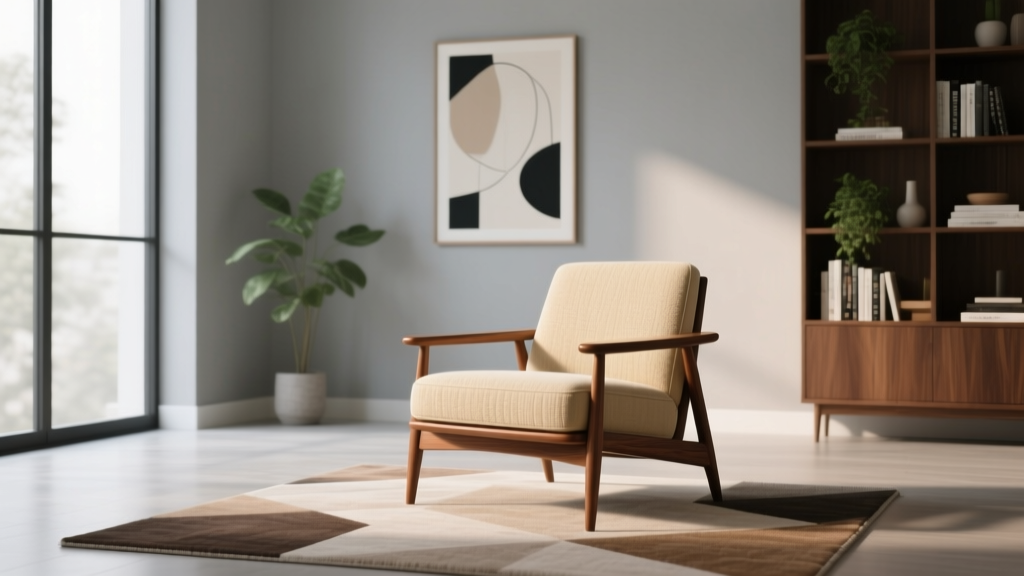
The Best Accent Chairs for Living Rooms - The Decor Mag
An accent chair can change the entire feel of a living room without requiring a full furniture overhaul. It adds a fresh silhouette, brings in a new texture or color, and creates that “finished” look designers aim for—especially in spaces where the sofa does most of the heavy lifting. For renters, it’s also one of the easiest upgrades to take with you to the next home.
The best accent chairs for living rooms do more than look good. They help with conversation flow, provide extra seating when friends drop by, and can solve layout problems (like an empty corner or a lopsided furniture arrangement). This guide will help you choose a chair that fits your space, matches your style, and feels comfortable day after day.
You’ll learn which styles work best for different living room layouts, what measurements to look for before you buy, how to choose materials that stand up to real life, and the common mistakes that make accent chairs feel awkward or underused. You’ll also find practical product recommendations across budget ranges—plus placement tips that make your living room design feel intentional.
What Makes an Accent Chair “The Best” for a Living Room?
“Best” depends on your room size, how you live, and what your living room is missing. Still, great accent chairs tend to share a few qualities:
- Comfort that matches your use case: upright for conversation, deeper for lounging, supportive for reading.
- Proportions that fit the room: the chair should visually balance the sofa and not block pathways.
- Materials that hold up: performance fabrics for kids/pets, durable leather for longevity, easy-care upholstery for everyday use.
- Design value: a shape or detail that adds personality—arms, tufting, a sculptural frame, a bold color, or an interesting textile.
Key Measurements to Check Before You Buy
Measurements are where living room seating wins or fails. Use these guidelines to avoid a chair that looks perfect online but feels wrong at home:
- Chair width: 28–36 inches works for most living rooms; under 28 inches is “apartment scale.”
- Chair depth: 30–36 inches is typical; 36–40 inches leans lounge-y (great for reading corners).
- Seat height: 16–18 inches suits most people and pairs well with standard sofas.
- Seat depth: 19–22 inches for upright sitting; 22–24+ inches for lounging.
- Arm height: ideally close to the sofa’s arm height for a cohesive look (often 22–26 inches).
- Clearances: keep 30–36 inches for major walkways; 18 inches between chair and coffee table is the sweet spot.
Quick tape-measure test: Mark the chair footprint on the floor with painter’s tape, then walk around it for a day. If it feels tight, it will feel tighter once the chair is there.
Top Accent Chair Styles (and When to Use Each)
1) The Modern Barrel Chair
Barrel chairs have a curved back and arms that create a cozy, welcoming shape. They’re a favorite in modern living room design because they soften hard lines and work in both large and small spaces.
Best for: small living rooms, open-concept spaces, conversational seating groups.
Look for: a tight back for a sleek silhouette, or a loose back cushion for comfort. Swivel versions are especially practical.
Budget range: $250–$1,200
Product-style recommendations:
- Swivel barrel chair in performance fabric (ivory, sand, or heathered gray) for everyday durability.
- Textured bouclé barrel chair for a cozy, trend-forward look (great with warm woods and soft lighting).
2) The Timeless Wingback Chair
Wingback chairs bring instant structure and a classic profile—perfect if your living room needs a little architecture. Today’s versions range from traditional rolled arms to streamlined, modern wings.
Best for: traditional living rooms, transitional decor, reading spots near a fireplace.
Design tip: Pair a wingback with a small side table (18–22 inches tall) and a task lamp to create a “destination” in the room.
Budget range: $350–$1,800
Material recommendation: leather (top-grain if possible) for long-term wear, or a woven performance fabric for stain resistance.
3) The Mid-Century Modern Lounge Chair
If you love clean lines, tapered legs, and a slightly reclined posture, a mid-century lounge chair is a natural choice. It’s a strong fit for Scandinavian, modern, and eclectic living room decor.
Best for: adding shape contrast to boxy sofas, creating a stylish reading nook, complementing walnut or oak furniture.
What to watch: Some mid-century chairs look great but have shallow cushions. Check seat depth and cushion firmness if you plan to sit for long stretches.
Budget range: $200–$1,500
4) The Club Chair (Comfort First)
Club chairs are designed for real comfort—wider seats, supportive arms, and a substantial feel. If your living room is where people actually lounge, this is the reliable choice.
Best for: family rooms, TV rooms, homes that entertain often.
Ideal dimensions: 32–40 inches wide with a 20–23 inch seat depth for a relaxed sit.
Budget range: $400–$2,500
Fabric picks:
- Performance velvet for a luxe look that’s surprisingly practical (many are easy to spot-clean).
- Crypton-style or stain-resistant performance weave for kids, pets, and snack nights.
5) The Statement Sculptural Chair
Curvy, artsy, and often armless or partially backed, sculptural chairs are a current trend that can still feel timeless when chosen thoughtfully. They work best when the rest of the room is more grounded.
Best for: design-forward living rooms, minimalist spaces that need a focal point, apartments where one special piece carries the style.
Placement tip: Give it breathing room—at least 6–10 inches from the wall so it doesn’t feel crammed.
Budget range: $300–$3,000+
6) The Swivel Chair (The Quiet MVP)
A swivel accent chair makes a living room more flexible. It can face the sofa for conversation, rotate toward the TV, or turn to look out a window—without dragging furniture around.
Best for: open floor plans, multipurpose living rooms, homes that host.
What to look for: a smooth swivel mechanism, a stable base, and a weight that doesn’t feel flimsy when you shift.
Budget range: $350–$2,200
How to Choose the Right Accent Chair for Your Living Room
Step 1: Decide the Job of the Chair
Start by picking the chair’s primary purpose. This keeps you from choosing a chair that’s pretty but unused.
- Conversation seating: choose a supportive back, moderate seat depth, and arms.
- Reading chair: look for a higher back, plush cushioning, and space for an ottoman.
- Extra seating for guests: prioritize comfort and durability; avoid overly low seats.
- Visual accent: choose a bold color, patterned upholstery, or sculptural silhouette.
Step 2: Match Scale to Your Sofa
A common living room design issue is pairing a bulky chair with a delicate sofa—or a tiny chair next to a large sectional.
- If your sofa has a high back, choose an accent chair with a medium-to-high back so it doesn’t disappear.
- If your sofa has thin arms and legs, consider a chair with visible legs (mid-century styles work beautifully).
- If you have a deep sectional, balance it with a chair that has a more upright sit for contrast.
Step 3: Choose Materials That Fit Real Life
The best living room furniture looks great on day one and still looks good on day 300.
- Performance fabric (best all-around): ideal for households with kids, pets, or frequent entertaining.
- Leather (timeless): durable, easy to wipe clean, and develops character over time; avoid bonded leather for long-term use.
- Bouclé (trend + texture): cozy and stylish; choose a tight weave and consider a darker tone if spills are a concern.
- Linen blends (airy and classic): beautiful for relaxed living rooms; choose a blend for less wrinkling and better wear.
Step 4: Pick a Color Strategy
Accent chairs can either blend in or become the “moment” in the room.
- For a calm, cohesive look: choose a chair 1–2 shades lighter or darker than your sofa.
- For contrast: pair a neutral sofa with a camel leather chair, a deep olive velvet chair, or a patterned chair that pulls in rug colors.
- For small rooms: consider a chair with legs (more visible floor = airier feel) and a light-to-medium tone.
Placement Ideas That Make Accent Chairs Look Intentional
Create a Conversation Triangle
For most living rooms, two accent chairs opposite or adjacent to the sofa creates a balanced seating plan.
- Keep 6–10 feet between seats for easy conversation (closer in small spaces, wider in large rooms).
- Angle chairs slightly toward the sofa to avoid a “waiting room” feel.
Anchor an Empty Corner with a Reading Nook
Real-world scenario: You have a great sofa and rug, but the far corner feels empty and unfinished. A single accent chair solves it.
- Add a side table 18–22 inches tall (within 3–6 inches of the chair arm).
- Include a floor lamp 58–64 inches tall for reading-friendly light.
- Layer in a small pillow or throw for texture and comfort.
Float a Chair in Open-Concept Living Rooms
If your living room shares space with a dining area or kitchen, a chair can help define zones.
- Float the chair with its back toward the adjacent area, leaving 30–36 inches behind it for circulation.
- Use a console table or floor lamp nearby to make the grouping feel complete.
Best Accent Chair Picks by Budget
Under $300: Smart, Stylish, Apartment-Friendly
- Armless slipper chair in a durable woven fabric (great for tight spaces; pair with a small lumbar pillow).
- Compact mid-century chair with wood legs and a firmer seat (ideal for occasional seating).
- Small barrel chair in a neutral tone to soften a boxy layout.
$300–$800: The Sweet Spot for Comfort + Durability
- Swivel chair in performance fabric (excellent for open layouts and family rooms).
- Club chair with removable seat cushion (easier maintenance and better longevity).
- Statement chair in velvet or textured upholstery to add depth to neutral living rooms.
$800–$2,500+: Investment Pieces That Elevate the Room
- Top-grain leather club chair in saddle or cognac (timeless and ages beautifully).
- Designer-style sculptural chair with high-quality foam and tailored upholstery (a focal point that lasts).
- Premium swivel glider for maximum comfort (perfect for lounging and conversation).
Real-World Living Room Scenarios (and the Right Accent Chair)
Scenario 1: Small Rental Living Room with a Loveseat
You want extra seating, but the room can’t handle bulky furniture. Choose:
- A slipper chair or petite barrel chair (28–30 inches wide).
- A chair with exposed legs to keep the space visually open.
- A light neutral upholstery to bounce light and feel airy.
Scenario 2: Large Family Room with a Sectional
The sectional is comfortable, but the room feels one-note and hard to navigate. Choose:
- Two swivel chairs across from the sectional to create flexibility.
- Performance fabric in a medium tone (for durability and easy cleaning).
- Chairs with a slightly more upright seat to balance the deep sectional.
Scenario 3: Neutral Living Room That Needs Personality
You like calm colors, but it’s starting to feel bland. Choose:
- A patterned accent chair that pulls 2–3 colors from the rug or art.
- A textural fabric like bouclé, chenille, or performance velvet.
- A subtle statement shape (curved back, sculptural arms) to add interest without overpowering the room.
Common Mistakes to Avoid When Buying Accent Chairs
- Choosing looks over comfort: if you’ll sit there nightly, test seat depth and back support (or buy from a retailer with easy returns).
- Ignoring scale: a tiny chair next to a large sofa looks accidental; a massive chair can block flow and crowd the coffee table.
- Forgetting about pathways: maintain 30–36 inches for main walkways and 18 inches from chair to coffee table.
- Buying a matching set automatically: a “sofa + matching chair” combo can feel dated. Coordinated is better than identical.
- Overcommitting to a trend: if you love bouclé or a bold shape, keep it timeless by choosing a classic color and high-quality construction.
FAQ: Accent Chairs for Living Rooms
How many accent chairs should I have in a living room?
Most living rooms work well with one to two accent chairs. One chair can complete a reading nook or fill an empty corner. Two chairs help balance a sofa and create a true conversation area—especially if you entertain.
What’s the best accent chair for a small living room?
Look for an apartment-scale chair (around 28–30 inches wide) with exposed legs to keep the room feeling open. Slipper chairs, petite barrel chairs, and compact mid-century chairs are reliable choices.
Should accent chairs match the sofa?
They don’t need to match, and they often look better when they don’t. Aim for coordination through color temperature (warm vs. cool), material (wood tones, metal finishes), or a shared accent color from your rug or artwork.
What’s the most durable fabric for an accent chair?
Performance fabrics (often labeled stain-resistant or washable) are typically the most durable for daily living. If you love leather, choose top-grain leather for longevity and easier cleanup.
How do I know if a chair will fit without overpowering the room?
Use painter’s tape to outline the chair’s width and depth on the floor. Make sure you can keep 18 inches to the coffee table (if applicable) and 30–36 inches for walkways. Visually, a chair should feel comparable in presence to your sofa—especially in height and bulk.
Are swivel accent chairs worth it?
Yes, especially in open-concept living rooms or spaces used for both conversation and TV. A swivel chair adds flexibility without adding more furniture, and it’s one of the easiest ways to make a layout feel more functional.
Next Steps: Choose, Place, and Style Your Accent Chair
Start by measuring your space and identifying what you want the chair to do—extra seating, reading comfort, a bold design moment, or all three. Then pick a style that complements your sofa’s scale, choose a material that fits your lifestyle, and place it with enough breathing room to keep the living room layout comfortable.
If you’re ready to refine the rest of your living room decor—rugs, coffee tables, lighting, and styling details—explore more living room ideas and inspiration on thedecormag.com.
More Articles
 Best Furniture for First Home in 2026: Smart & Sustainable
 Living Room Window Treatment Trends - The Decor Mag
 Outdoor Living Spaces: Design Principles That Work
 How to Mix Old and New in Living Room Decor - The Decor Mag
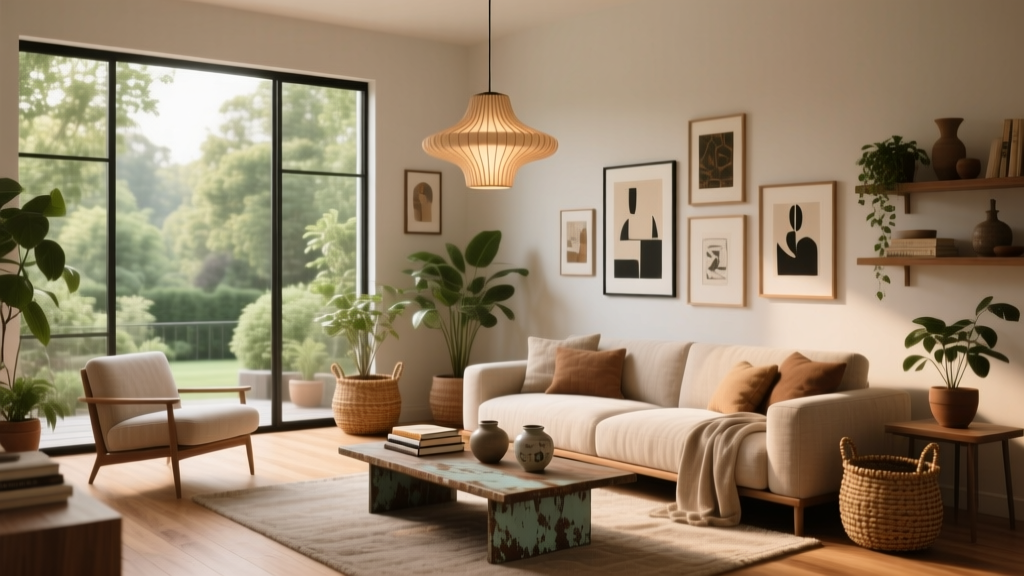 Living Room That Feels Collected: Decor Tips
 Sofa for Small Spaces: Best Picks (2026)
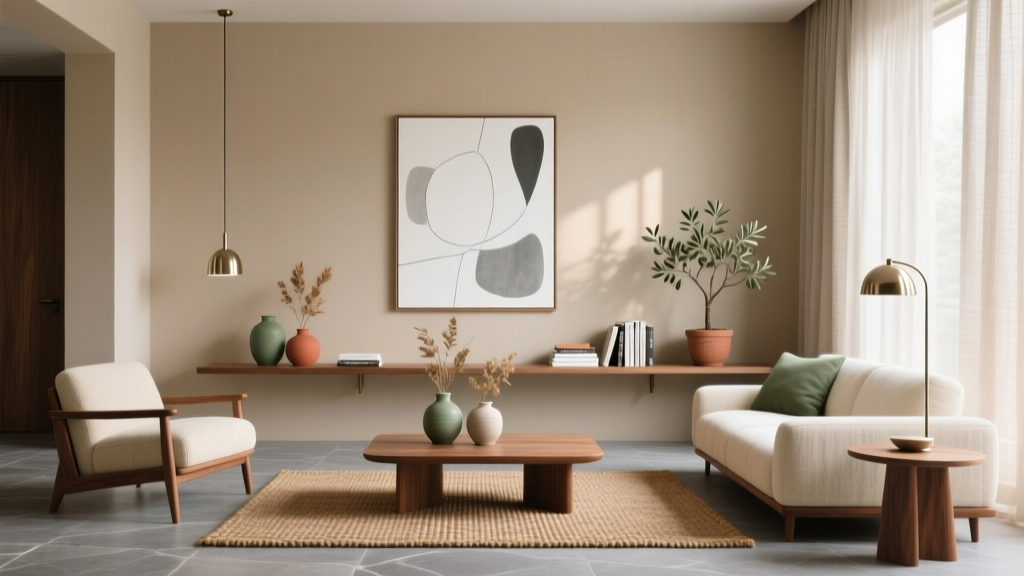 Living Room Warm vs Cool Tone Balancing - The Decor Mag
 Stylish Nightstands Under $150 – 2026 Picks
 Budget Living Room Furniture 2026: Style & Durability
 Rug Size for Living Room: How to Choose (2026)