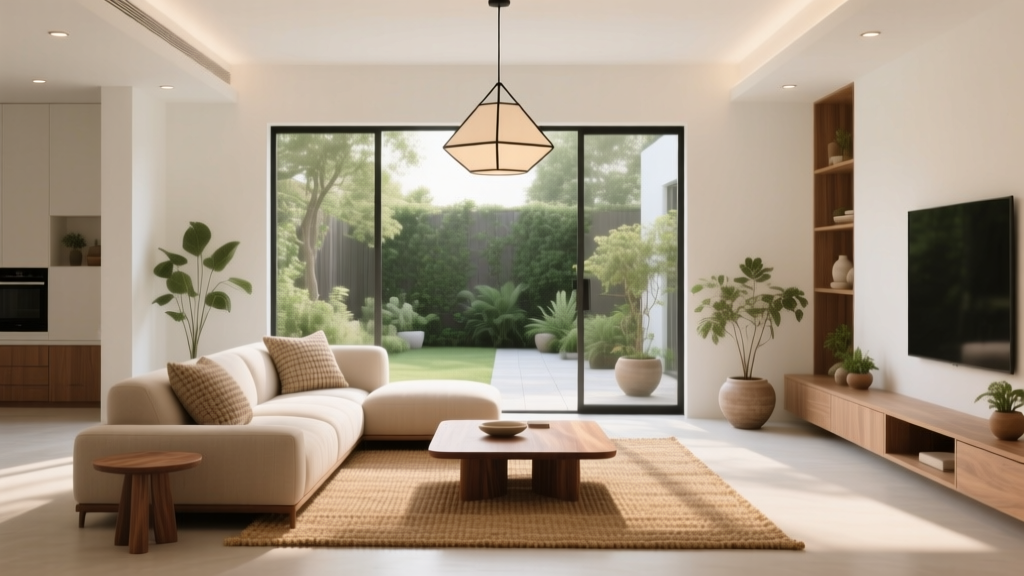
Living Room Elevated Casual Design - The Decor Mag
Some living rooms look polished but feel untouchable. Others feel cozy, but a little unfinished. Elevated casual design lands right in the sweet spot—comfort-forward, relaxed, and welcoming, yet still refined enough to feel intentional and “pulled together.” It’s a style that works just as well for a busy family with pets as it does for a renter who wants a more grown-up space without investing in custom built-ins.
What makes elevated casual so practical is that it’s not tied to one strict aesthetic. It borrows the ease of casual interiors (soft textiles, livable layouts, forgiving materials) and pairs it with elevated details (better scale, layered lighting, cohesive color, and a few standout pieces). The result: a living room you can actually live in—one that photographs beautifully, too.
This guide breaks down the exact ingredients of elevated casual living room design: layout rules, measurements, materials, color palettes, furniture and decor recommendations, and real-world scenarios. You’ll also get a list of common mistakes to avoid, plus a quick FAQ to help you make confident decisions.
What “Elevated Casual” Means (and Why It Works)
Elevated casual design is less about a single look and more about a feeling: effortless comfort with subtle sophistication. Think soft edges, warm neutrals, natural textures, and quality staples—balanced by a few crisp, modern lines and curated accents.
The core principles
- Comfort first: Deep seating, soft textiles, and easy-to-clean materials.
- Intentional simplicity: Fewer, better pieces—each with a purpose.
- Texture over fuss: Linen, wool, bouclé, wood, leather, and stone for visual depth.
- Clean + cozy balance: Tailored shapes paired with relaxed layers.
- Timeless base, trend-aware accents: A classic sofa with on-trend lighting or art.
This approach aligns with current living room trends—warm minimalism, biophilic touches, curved silhouettes, vintage-inspired rugs—while still relying on timeless design fundamentals like proportion, contrast, and repetition.
Start With Layout: The Elevated Casual Foundation
A living room can have beautiful furniture and still feel “off” if the layout isn’t right. Elevated casual spaces feel open and breathable, but not empty. Use these layout guidelines to create flow and conversation.
Key measurements that make a room feel instantly more polished
- Walkways: Aim for 30–36 inches for main paths through the room.
- Distance from sofa to coffee table: Keep 14–18 inches for easy reach.
- Rug sizing: Ideally, the rug should fit under the front legs of all seating pieces. Common sizes:
- 8' x 10' for many standard living rooms
- 9' x 12' for larger rooms or open concept spaces
- 6' x 9' for small spaces (but it can look undersized—choose carefully)
- TV viewing distance: A practical rule is 1.5–2.5x the TV’s diagonal size. Example: for a 65" TV, sit roughly 8–13.5 feet away.
A simple step-by-step layout plan
- Anchor the room with the largest piece (usually the sofa) facing the main focal point (fireplace, view, or TV).
- Define a conversation zone: Arrange seating so people can comfortably talk—ideally within 8 feet of each other.
- Place the rug early: The rug dictates the seating footprint and prevents floating furniture.
- Add surfaces within reach: Each seat should have a table surface within 12–18 inches (side table, coffee table, or C-table).
- Build in lighting (ambient + task + accent) instead of relying on one overhead fixture.
Choose a Color Palette That Feels Calm, Not Flat
Elevated casual living rooms often start with warm, livable neutrals—then add depth through tonal layering and contrast. The goal is calm and cohesive, but still dimensional.
Winning elevated casual palettes
- Warm neutral base: ivory, oatmeal, greige, warm taupe
- Nature-inspired accents: sage, olive, clay, terracotta, dusty blue
- Grounding contrast: charcoal, espresso, aged brass, matte black (use sparingly)
Paint and finish tips
- Finish matters: For living rooms, eggshell or matte reads more elevated than high-gloss.
- Warm whites are more forgiving: Look for whites with a soft cream or beige undertone to avoid a cold, stark feel.
- Ceiling trick: Painting the ceiling the same color as the walls (or 50% lighter) can make the room feel cozy and custom.
Furniture: Comfortable Silhouettes + Tailored Details
The fastest way to get the elevated casual look is to mix relaxed forms with refined lines. Think a slipcovered sofa paired with a structured wood coffee table. Or a modern, clean-lined sectional balanced with plush pillows and a textured rug.
Elevated casual sofa and sectional recommendations
- Fabric: Performance linen, performance chenille, or tight-weave polyester blends (great for kids/pets).
- Seat depth: For lounging, look for 23–26 inches seat depth; for more upright comfort, 20–22 inches.
- Color: Light neutrals work beautifully when paired with washable covers or performance fabric.
Budget ranges (typical):
- Budget: $900–$2,000 (look for solid frames, removable cushions)
- Mid-range: $2,000–$4,500 (better suspension, performance upholstery options)
- Investment: $4,500–$9,000+ (custom sizing, premium fill, heirloom frames)
Coffee tables, side tables, and storage
- Material mix: Pair soft upholstery with wood, stone, or metal for contrast.
- Shape tip: If you have a sectional or a room with lots of sharp corners, choose a round or oval coffee table to soften the flow.
- Height rule: Coffee table height should be within 1–2 inches of your sofa seat height.
- Hidden storage: Consider an upholstered storage ottoman or a lift-top table for throws, remotes, and games.
Materials That Look Better With Real Life
Elevated casual interiors are designed to be used. That means choosing materials that handle everyday wear while aging beautifully.
Go-to elevated casual materials
- Wood: white oak, walnut, ash; matte or satin finishes hide scratches better than glossy ones
- Stone: travertine, honed marble, quartzite (honed finishes feel more relaxed)
- Upholstery: performance fabrics, top-grain leather (great patina over time), washable slipcovers
- Textiles: linen, wool, cotton, bouclé (use bouclé strategically if you have pets that snag)
- Rugs: wool for durability; performance rugs for spills; vintage-style printed rugs for easy styling
Product picks that fit the elevated casual vibe
- Rug: 8' x 10' wool-blend or performance rug in a vintage pattern (great at hiding wear)
- Lighting: a linen drum shade floor lamp + an aged brass table lamp for warm glow
- Accent chair: a wood-framed lounge chair with a neutral cushion (adds structure)
- Throw pillows: feather/down alternative inserts, 22" x 22" for sofas; add one lumbar (12" x 20") for shape
Layered Lighting: The Secret Sauce of “Elevated”
Casual rooms often rely on one overhead light, which can feel harsh and unfinished. Elevated casual living rooms use layered lighting to create warmth and flexibility.
Use the 3-layer lighting plan
- Ambient: ceiling fixture, recessed lights, or a semi-flush mount for overall illumination
- Task: floor lamps next to seating, reading lamps, swing-arm sconces
- Accent: picture lights, small lamps on shelves, subtle uplighting near plants
Quick specs that improve the mood
- Bulb temperature: choose 2700K for a warm, inviting glow
- Dimmer switches: if you can add one upgrade, make it dimmers (renters can use plug-in dimmers)
- Lampshade size: a shade that’s too small looks stingy; aim for shades roughly 1/3 the height of the lamp base
Decor That Feels Curated (Not Cluttered)
Elevated casual decor is edited and textural. The room should feel personal, not staged—like you’ve collected pieces over time.
Style formulas that work every time
Coffee table formula (simple and polished):
- 1 tray or large book (foundation)
- 1 sculptural object (contrast)
- 1 organic element (small plant, bowl of moss, branches)
- 1 functional item (coaster set, candle, matches)
Sofa pillow formula (relaxed but intentional):
- 2 pillows in the same fabric/color family (cohesion)
- 1 contrasting texture (bouclé, nubby weave, leather)
- 1 patterned pillow (small-scale pattern for subtlety)
- 1 throw blanket draped casually (not folded perfectly)
Art and wall decor that elevates instantly
- Scale up: One large piece often looks more elevated than several small ones.
- Hanging height: center artwork around 57–60 inches from the floor (gallery standard).
- Over the sofa: art should be about 2/3 the sofa width for balance.
Real-World Elevated Casual Scenarios
Scenario 1: The renter-friendly living room refresh (under $800)
You have a neutral sofa you can’t replace, beige walls, and basic overhead lighting. You want it to feel more elevated without permanent changes.
- Upgrade the rug: choose a 8' x 10' performance rug ($200–$450)
- Add two lamps: one floor lamp + one table lamp with warm bulbs ($120–$250 total)
- Replace throw pillows: 4 covers + upgraded inserts ($120–$220)
- Add large-scale art: one oversized print with a simple frame ($100–$200)
Result: the room feels softer, brighter, and more layered—without painting or buying major furniture.
Scenario 2: The family living room that still looks designer (mid-range $2,500–$6,000)
You need durability: sticky fingers, pets, and movie nights—while still wanting a stylish living room.
- Choose performance upholstery: sectional in a warm neutral ($2,000–$4,500)
- Swap to a round coffee table: fewer sharp corners, better flow ($300–$900)
- Use closed storage: media console with doors for visual calm ($400–$1,200)
- Add a washable rug pad: improves comfort and keeps the rug in place ($60–$150)
Result: a living room that’s easy to maintain, feels inviting, and looks intentional every day—not just after tidying.
Common Mistakes to Avoid
- Buying a rug that’s too small: This is the #1 reason living rooms feel disjointed. Size up whenever possible.
- Over-relying on matching sets: A full matching furniture suite can look flat. Mix materials (wood + upholstery + metal) for depth.
- Too many tiny decor items: Small clutter reads messy. Choose fewer, larger accents with breathing room.
- Cold lighting: 4000K bulbs can make a cozy living room feel like an office. Stick to 2700K and add dimmers.
- Pushing all furniture against the walls: Float seating when possible, even if it’s just pulling the sofa forward 4–8 inches.
- Ignoring texture: A neutral room without texture can feel bland. Add wool, linen, wood grain, and ceramics.
FAQ: Elevated Casual Living Room Design
What’s the difference between elevated casual and modern farmhouse?
Elevated casual is broader and often cleaner. Modern farmhouse leans more rustic with specific cues like shiplap, barn-style elements, and more overt vintage references. Elevated casual can include modern, transitional, coastal, or Scandinavian influences—without committing to farmhouse details.
Can elevated casual work in a small living room?
Yes. Focus on a tight color palette, a correctly sized rug, and multi-functional pieces. In smaller rooms, one large art piece, one great rug, and two lamps often create a bigger impact than lots of small decor.
What’s the best sofa color for an elevated casual look?
Warm neutrals are the most versatile: ivory, oatmeal, sand, and light taupe. If you want more depth, try a muted performance fabric in camel, stone, or soft gray-brown.
How do I make my living room feel elevated on a budget?
Prioritize items that change the room’s “finish level”: a larger rug, upgraded pillow inserts, warm lighting, and substantial curtains hung high and wide. These upgrades often cost less than replacing furniture but make the room feel more designer.
What window treatment looks best for elevated casual spaces?
Linen or linen-blend drapery panels in a warm neutral are a go-to. Hang the rod 4–6 inches above the window frame (or closer to the ceiling) and extend it 8–12 inches past the frame on each side to make windows feel larger.
Are curved sofas and rounded chairs a good fit for elevated casual?
They can be perfect. Curves are a current trend that also feels timeless when used in moderation. Balance a curved piece with structured accents (a tailored rug pattern, a rectangular console, or clean-lined lighting) so the room doesn’t feel overly “theme-y.”
Your Next Steps: A Simple Elevated Casual Checklist
If you want results quickly, start here. These steps create the biggest transformation with the least overwhelm:
- Measure and rework the layout using the 14–18" coffee table spacing and 30–36" walkways.
- Upgrade to the right rug size (usually 8' x 10' or 9' x 12') and add a quality rug pad.
- Layer your lighting with at least two lamps using 2700K bulbs.
- Edit your decor and swap small clutter for a few larger, textural pieces.
- Add one “elevated” material—a wood table, a leather accent, or a stone-look surface—to bring in contrast.
Elevated casual design is meant to feel easy—like your best, most comfortable version of home. Keep the base classic, choose durable materials, and add warmth through texture and lighting. The room will look better, function better, and feel more like you.
Want more living room design and decor ideas? Explore more inspiration, layouts, and trend-forward guides on thedecormag.com.
More Articles
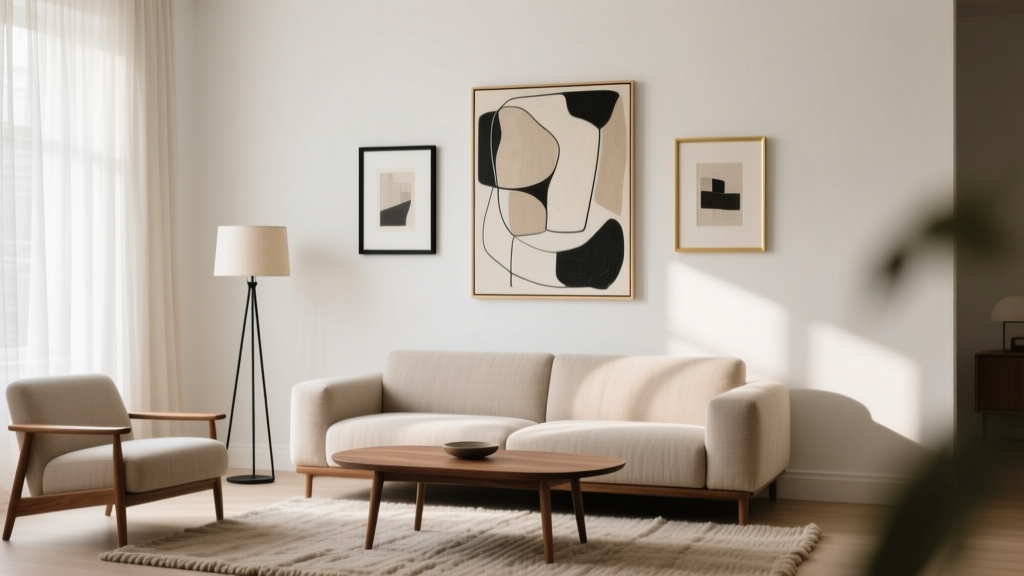 Living Room Art Placement Guide - The Decor Mag
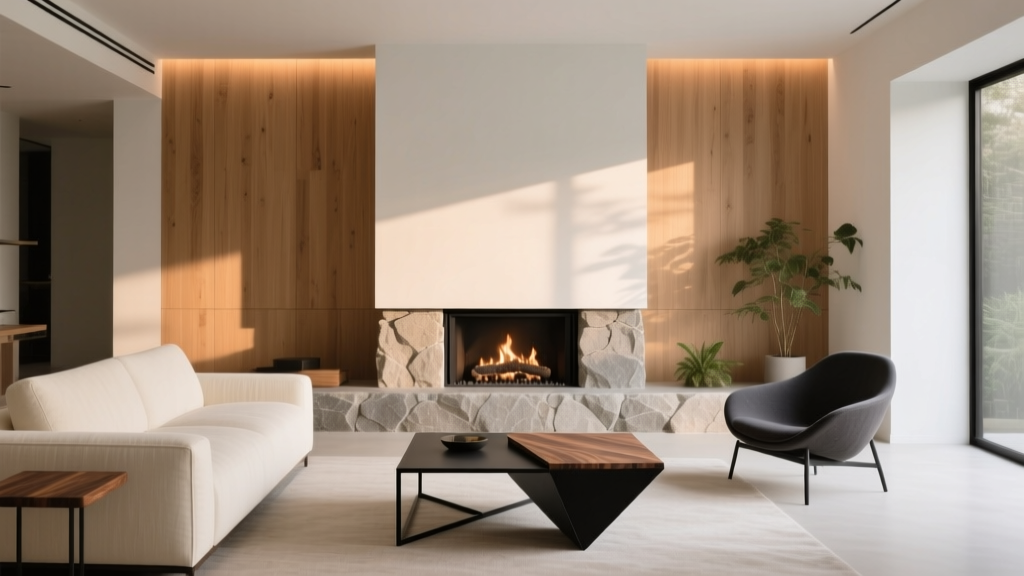 Living Room Fireplace Design Ideas - The Decor Mag
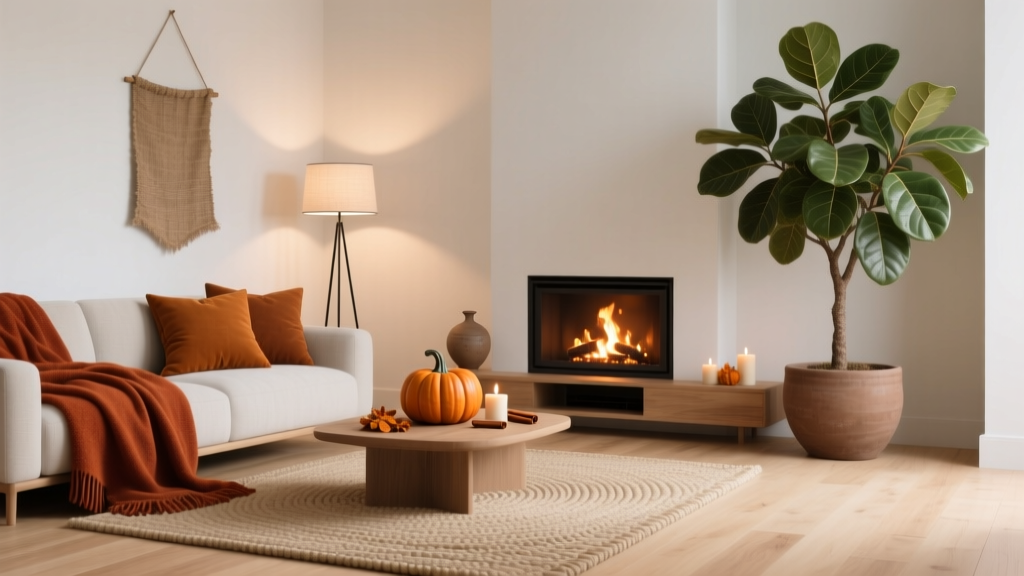 Living Room Cozy Fall Decorating Ideas - The Decor Mag
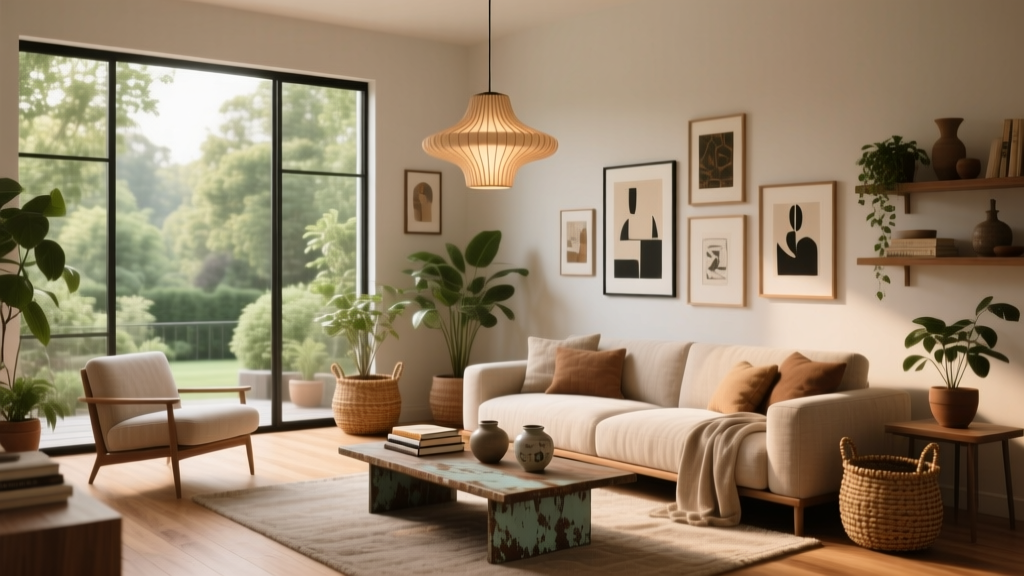 Living Room That Feels Collected: Decor Tips
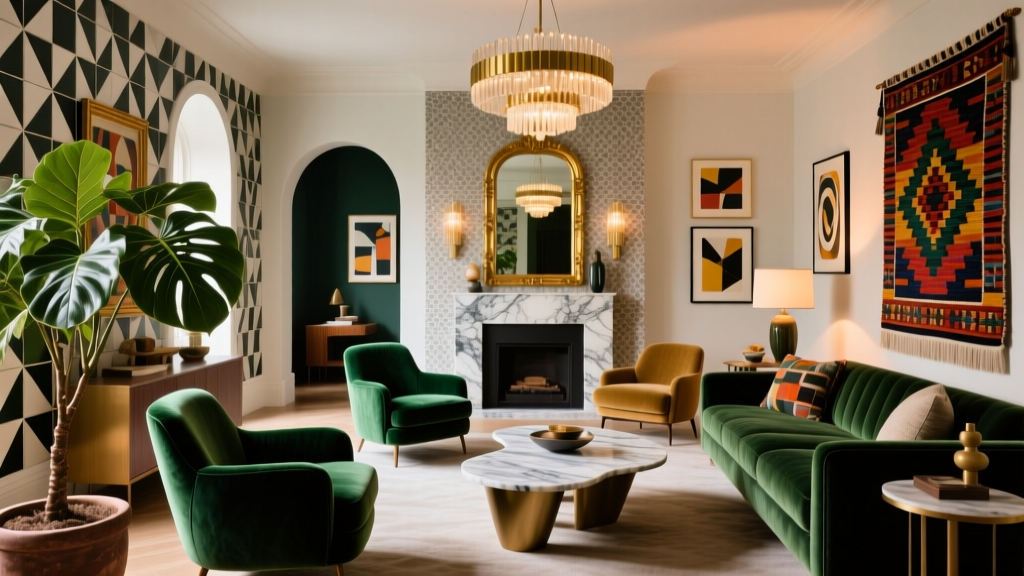 Maximalist Living Room Decor Done Right - The Decor Mag
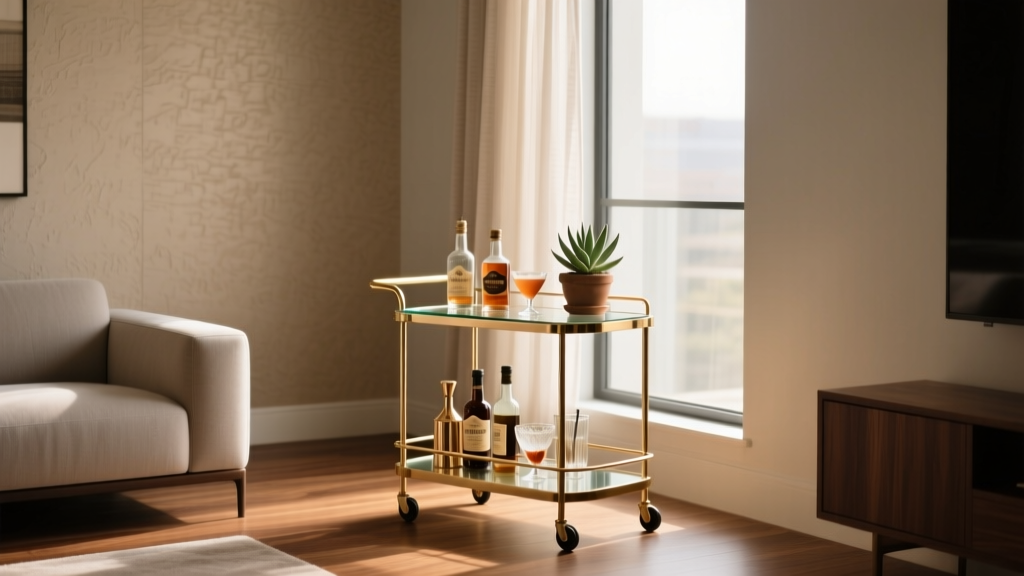 Best Bar Cart Placement in Living Rooms - The Decor Mag
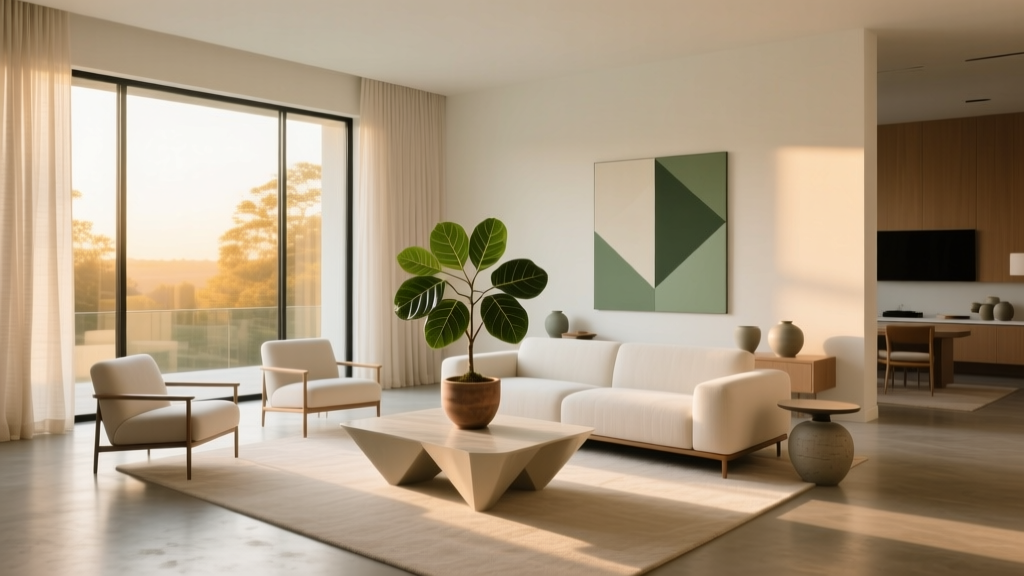 Kid-Proof Living Room Ideas That Still Look Stylish
 Living Room Cozy Summer Evening Setup - The Decor Mag
 Coastal Living Room Decor Inspiration - The Decor Mag
 How to Mix Upholstery Patterns Successfully - The Decor Mag