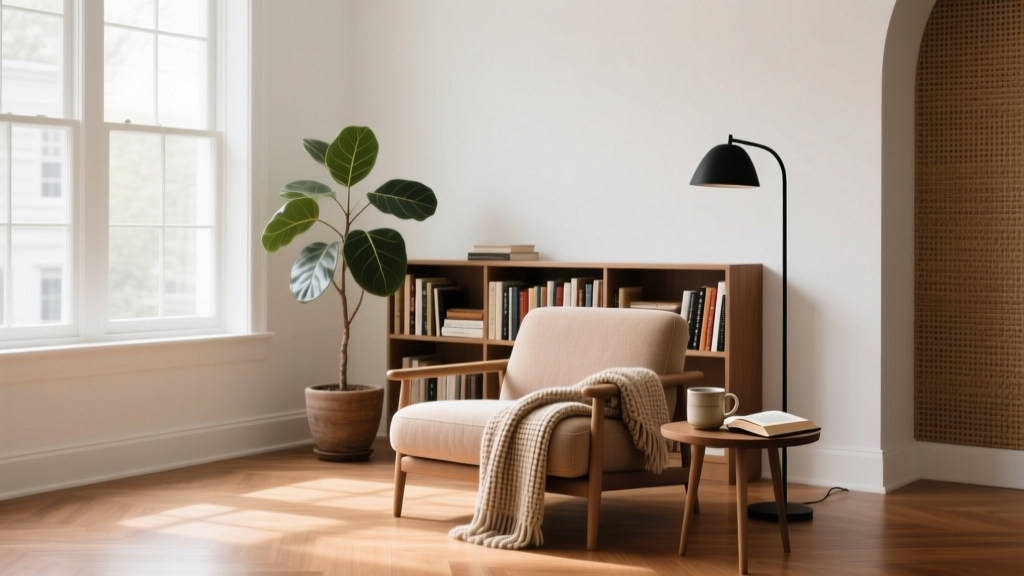
Reading Nook Ideas for Living Rooms (2026)
A well-designed reading nook can change how your living room feels and functions. Instead of the space being “just” for entertaining or watching TV, it becomes a place where you can slow down—coffee in hand, book open, phone out of reach. Even in a small apartment, a reading corner adds comfort, personality, and purpose without requiring a full renovation.
The best part: you don’t need a spare room. With smart layout choices, the right lighting, and a few tactile layers, you can carve out a cozy reading nook in your living room that looks intentional—like it’s always belonged there. This guide will walk you through choosing the perfect spot, selecting seating, lighting, and storage, and styling it with timeless principles (plus a few current design trends) so it feels elevated, not cluttered.
Expect practical measurements, budget ranges, real-world scenarios, and easy steps you can follow whether you own your home or rent.
What Makes a Great Living Room Reading Nook?
A reading nook is simply a small zone designed for comfort and focus. The key is that it feels separate from the rest of the living room—even if it’s only separated visually.
- Comfort: supportive seating, a footrest, and a soft throw.
- Lighting: layered light that reduces eye strain.
- Function: a surface for a drink, book, or e-reader; easy access to storage.
- Atmosphere: calm colors, tactile fabrics, and a sense of “arrival.”
Step 1: Choose the Right Spot (Even in a Small Living Room)
Before buying anything, identify where a reading nook makes the most sense in your living room layout. Look for underused corners and low-traffic areas that can support 30–40 inches of width for a chair (or 60–72 inches for a loveseat/daybed).
Best locations for a reading nook
- Near a window: natural light plus a calming view. Ideal for daytime reading.
- In an unused corner: the classic option; easy to define with a rug and lamp.
- Beside a bookshelf or media console: turns storage into a feature.
- Behind a sofa: if you have 36+ inches behind a floating sofa, a slim chair and lamp can create a “library lounge” feel.
- Under a staircase or alcove: perfect for custom-looking coziness without custom pricing.
Quick measuring guide
- Chair nook: aim for a footprint of 36–48 inches wide and 36–40 inches deep.
- Side table: 10–18 inches diameter/width, placed within 6–10 inches of the chair arm.
- Clearance: keep at least 24–30 inches of walking space around main traffic paths.
- Rug sizing: at minimum, the front legs of the chair should sit on the rug; common nook sizes are 3' x 5' or 4' x 6'.
Real-world scenario: the renter’s corner solution
In a 650-square-foot apartment, a renter might not have space for extra furniture. A smart approach is to use a compact accent chair (28–32 inches wide) in the corner near the window, add a plug-in wall sconce to avoid hardwiring, and anchor it with a 3' x 5' rug. The result feels deliberate—and can move with you later.
Step 2: Pick Seating You’ll Actually Want to Use
Seating is your main investment. The “right” chair isn’t the one that looks best online—it’s the one that supports your back and makes you want to stay awhile.
Best seating options for a reading nook
- Upholstered armchair: the most versatile. Look for a supportive back and seat depth around 20–22 inches.
- Chaise lounge: ideal for stretching out; works best in longer rooms.
- Swivel chair: a current favorite trend in living room design—great for small spaces because it lets you turn toward the window or the conversation area.
- Loveseat: doubles as a reading nook and extra seating when guests arrive.
- Window bench: beautiful but requires comfortable cushions (aim for 3–5 inches thick foam) and layered pillows.
Material recommendations (comfort + durability)
- Performance fabric (poly blends): durable and stain-resistant; great for kids/pets.
- Leather: timeless and ages well; add a throw for warmth and coziness.
- Bouclé: trendy and tactile; best in low-mess households or as an accent chair.
- Linen blends: relaxed, airy look; choose a blend for fewer wrinkles and better wear.
Budget ranges for seating
- Budget ($150–$350): compact accent chairs, occasional chairs, basic upholstered options.
- Mid-range ($400–$900): better cushioning, performance fabrics, nicer silhouettes.
- Investment ($1,000–$2,500+): top-tier comfort, long-lasting frames, premium upholstery.
Step 3: Get the Lighting Right (This Is What Makes It Feel “Designed”)
Reading nooks fail most often because of bad lighting. Overhead lighting alone creates glare and shadows, especially at night. Your goal is soft ambient light plus focused task lighting.
The ideal reading light setup
- Task light: a floor lamp or sconce positioned so light falls over your shoulder onto the book.
- Ambient light: nearby table lamp or warm wall light to soften contrast.
Lighting specs to look for
- Bulb color temperature: 2700K–3000K for warm, inviting light.
- Brightness: aim for 450–800 lumens for a task lamp (higher if your nook is far from other light sources).
- Shade style: opaque or lined shades reduce glare; adjustable arms let you direct light precisely.
Product-style recommendations
- Adjustable floor lamp: perfect for renters and easy to reposition as your layout changes.
- Plug-in swing-arm sconce: saves floor space and looks custom without hardwiring.
- Rechargeable LED reading light: helpful when outlets are limited; choose one with warm settings and adjustable brightness.
Step 4: Add a Side Table (Small Detail, Big Impact)
A side table turns a chair into a true reading zone. It gives you a place for a drink, a candle, your book stack, or reading glasses—so the nook feels usable, not staged.
Side table sizing tips
- Height: keep the tabletop within 1–2 inches of the chair arm height for comfort.
- Diameter/width: 10–18 inches works well in tight living rooms.
- Shape: round tables soften corners and are easier to navigate in small spaces.
Materials that elevate the look
- Solid wood: timeless warmth; works with nearly any living room decor style.
- Marble or faux marble: adds polish; use coasters to protect the surface.
- Metal + glass: visually lighter for small living rooms.
- Rattan/cane: natural texture (a continuing trend) that pairs well with cozy textiles.
Step 5: Create “Nook Boundaries” with a Rug, Curtains, or a Screen
Even when your reading nook is only a few feet from the TV area, it can feel like its own destination with simple visual boundaries.
Easy ways to define the space
- Area rug: anchors the chair and side table; choose a low-pile option for easy chair movement.
- Curtains: full-length curtains near a window instantly soften acoustics and add a tailored look.
- Room divider or folding screen: a renter-friendly way to create separation in open-plan living room layouts.
- Tall plant: a classic designer trick—adds privacy without blocking light.
Trend + timeless pairing
A current favorite is combining earthy, grounded colors (clay, olive, warm taupe) with timeless shapes (a classic armchair silhouette, a simple wool rug). It looks fresh now, and it won’t feel dated next year.
Step 6: Layer in Comfort: Textiles, Pillows, and a Footrest
This is where the cozy reading nook magic happens. The goal is to layer textures without creating clutter.
Comfort checklist
- Throw blanket: look for cotton, wool, or a soft acrylic blend; ideal size is 50" x 60" or larger.
- Support pillow: lumbar pillows around 12" x 20" help with posture.
- Footrest: an ottoman or pouf makes longer reading sessions more comfortable.
Budget ranges for cozy layers
- Budget ($50–$150): throw + 1–2 pillows + simple pouf.
- Mid-range ($150–$400): higher-quality inserts, wool blend throw, structured ottoman.
- Investment ($400–$900+): leather ottoman, designer textiles, handwoven throw.
Step 7: Build Smart Storage (So the Nook Stays Tidy)
A reading nook should feel relaxing, not like another spot that gathers clutter. Storage keeps it functional—especially in a busy living room.
Storage ideas for a living room reading nook
- Small bookcase: a narrow unit (10–12 inches deep) holds plenty without overwhelming the room.
- Basket storage: ideal for throws, magazines, or kids’ books; seagrass and felt are popular choices.
- Storage ottoman: hides clutter and adds comfort.
- Wall-mounted shelves: great for small spaces—keep shelves 10–12 inches above the chair back for breathing room.
Real-world scenario: family-friendly reading nook
In a family living room where toys tend to migrate, a reading corner can stay peaceful by using a lidded storage ottoman for blankets and a large basket for books. Choose performance fabric on the chair and a washable rug to keep maintenance realistic.
Styling Your Reading Nook: Simple, High-Impact Finishing Touches
Styling should support the experience. Keep it edited and personal—this is a place to spend time, not just a photo moment.
What to add (and how much)
- Art: one medium-to-large piece (around 18" x 24" or larger) creates a focal point; hang the center at roughly 57–60 inches from the floor.
- Plant: a medium floor plant (like a rubber plant or snake plant) adds life and softens edges.
- Small tray: corrals essentials on the side table—think coasters, matches, reading glasses.
- Candle or diffuser: subtle scent can make the nook feel like a ritual.
Color ideas that work with most living room decor
- Warm neutrals: ivory, camel, warm gray—timeless and calming.
- Moody accents: deep green, navy, charcoal—adds library energy and pairs well with brass lighting.
- Soft earth tones: terracotta, clay, muted ochre—on-trend and cozy.
Common Mistakes to Avoid
- Choosing a chair that looks good but isn’t comfortable: if possible, test seat depth and back support; at home, use a lumbar pillow if needed.
- Relying on overhead lighting: add a dedicated task lamp with warm bulbs to reduce eye strain.
- Oversizing the furniture: in a small living room, a bulky chair can disrupt traffic flow—measure first.
- Skipping a surface: without a side table, items end up on the floor or on the sofa, and the nook feels incomplete.
- Over-styling: too many objects make the nook feel fussy; prioritize comfort and function.
- Ignoring cord management: use a cord cover or route cords along baseboards so the nook looks polished.
FAQ: Creating a Reading Nook in the Living Room
How do I create a reading nook in a small living room?
Use a compact chair (around 28–32 inches wide), a round side table (10–16 inches), and a plug-in sconce or slim floor lamp. Anchor the setup with a 3' x 5' rug and keep at least 24–30 inches of walkway clearance.
What’s the best lighting for a reading nook?
A dedicated task light with a warm bulb (2700K–3000K) works best. Look for adjustable arms and 450–800 lumens so the light lands on your book without glare.
Do I need a rug for my reading nook?
You don’t have to, but a rug is one of the easiest ways to visually define the nook in an open living room. Low-pile rugs are practical for chairs, and washable rugs are great for kids and pets.
How can renters create a reading nook without damaging walls?
Choose a floor lamp or plug-in sconce, use removable hooks for lightweight art, and define the nook with a rug and a tall plant. A folding screen can add separation without any installation.
What should I put next to my reading chair?
At minimum: a side table and a reading light. Nice-to-have upgrades include a small basket for books, a coaster set, and an ottoman or pouf for comfort.
How much does it cost to set up a reading nook?
A basic nook can be done for $250–$600 (chair, lamp, side table, throw). A more elevated setup typically lands around $800–$2,000 depending on seating quality, lighting, and textiles.
Conclusion: Your Next Steps for a Cozy Living Room Reading Nook
Start by choosing the spot and measuring the footprint you can realistically dedicate. Then prioritize the big three: a comfortable seat, a proper task light, and a small surface for daily use. Once those are in place, layer in softness—rug, throw, pillow—and add storage so your living room stays calm and inviting.
If you want a quick plan for this weekend, follow this simple checklist:
- Measure your nook area and identify the nearest outlet.
- Pick seating that fits your space (and your reading habits).
- Add a warm task lamp (2700K–3000K) with adjustable direction.
- Place a side table within 6–10 inches of the chair arm.
- Anchor with a small rug and finish with a throw + lumbar pillow.
For more living room design and decor inspiration—layouts, lighting ideas, color palettes, and styling guides—explore the latest articles on thedecormag.com.
More Articles
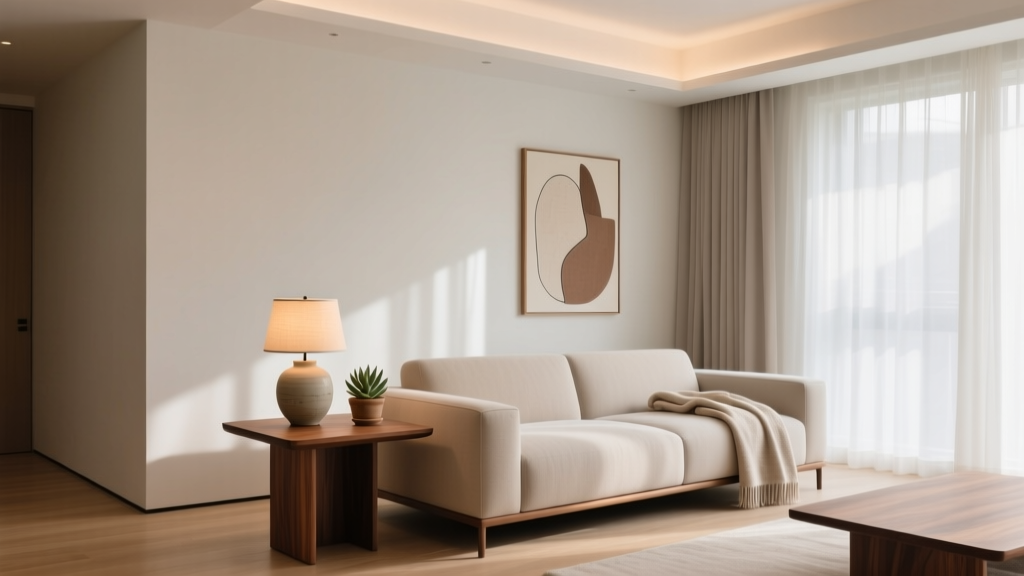 Best Side Table Height Next to Sofa Arm - The Decor Mag
 Island Bedroom Ideas 2026: Coastal Calm & Smart Layouts
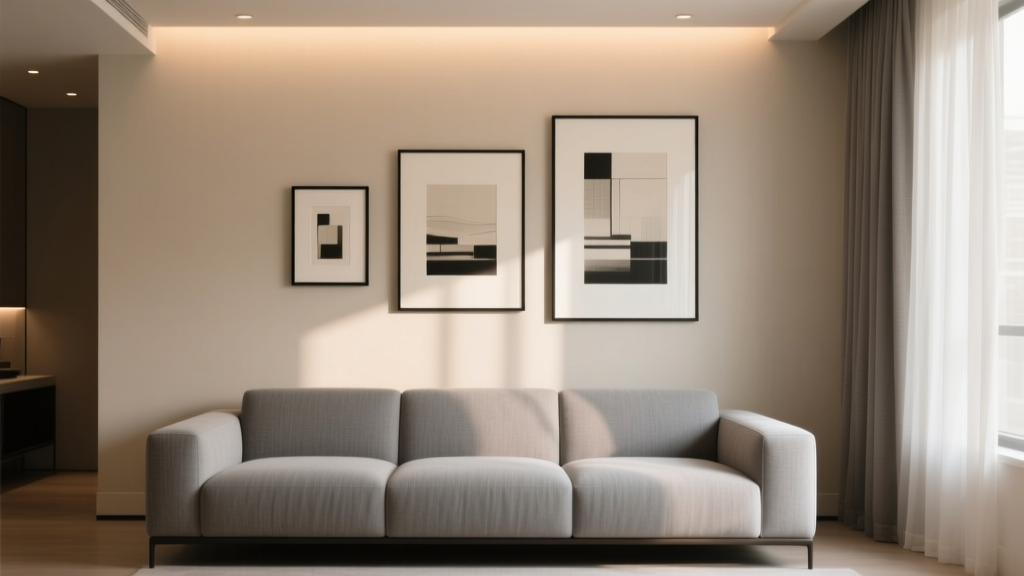 Best Wall Art Sizes for Over the Sofa - The Decor Mag
 Pet-Friendly Flooring Options for Modern Homes
 Living Room Organic Modern Style - The Decor Mag
 Living Room Curated Collections Display - The Decor Mag
Living Room Color Schemes That Work Every Time
Living Room Curated Collections Display - The Decor Mag
Living Room Color Schemes That Work Every Time
 Best Coffee Table Material Comparisons - The Decor Mag
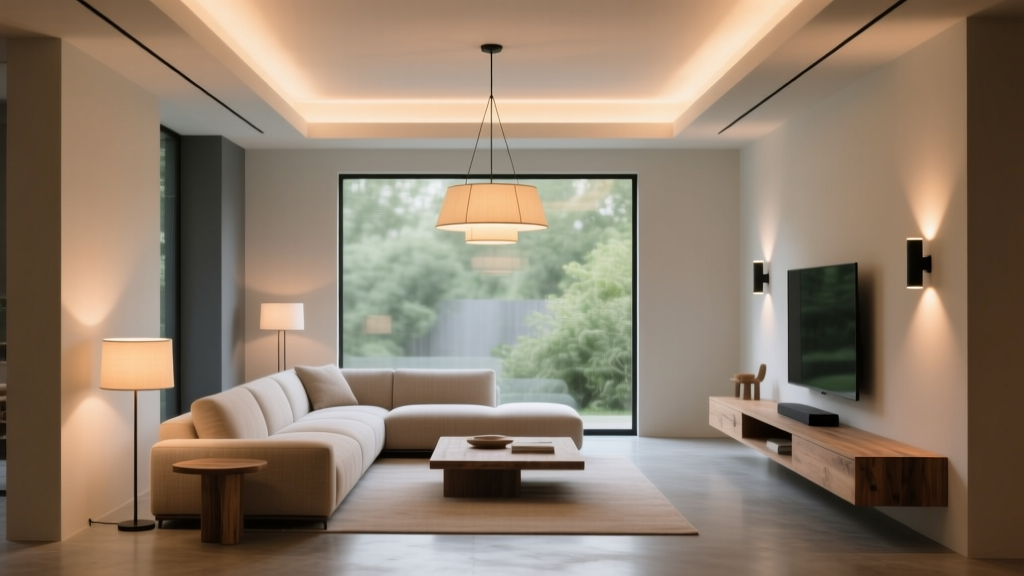 How to Layer Lighting in a Living Room - The Decor Mag
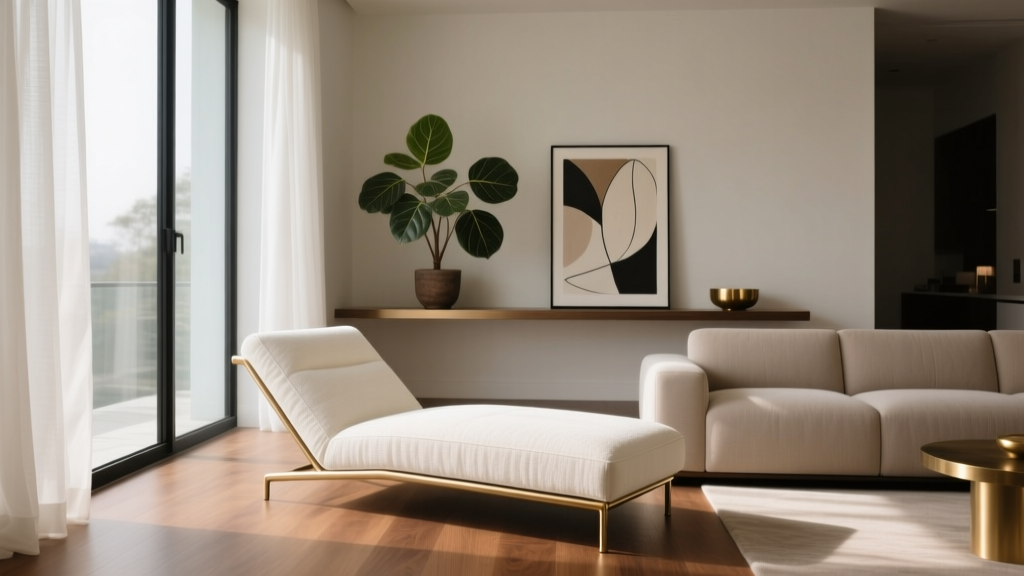 Best Chaise Lounge Placement Ideas - The Decor Mag