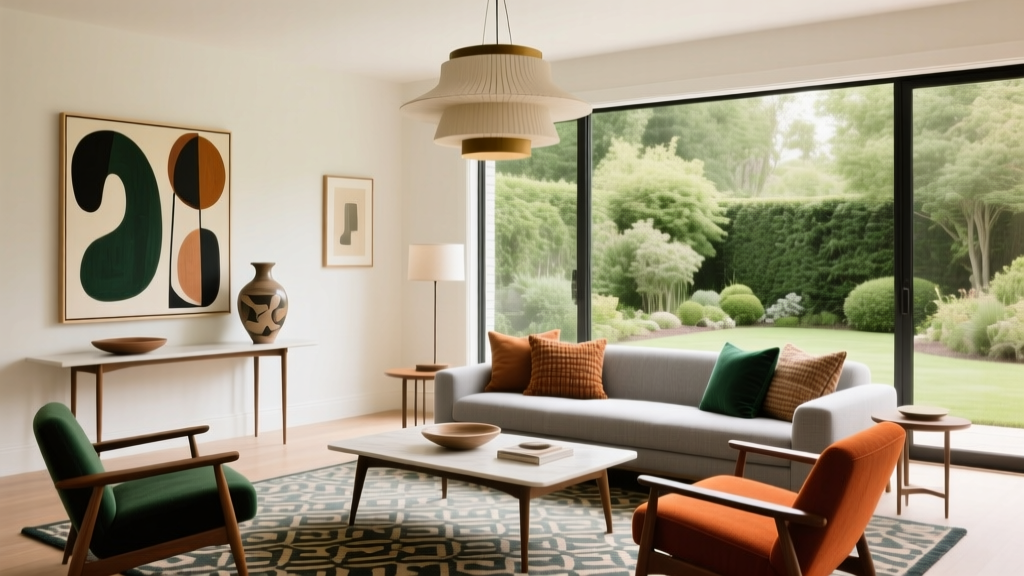
Living Room Artful Eclectic Design - The Decor Mag
Eclectic living room design has a reputation for being “anything goes,” but the best spaces feel anything but random. An artful eclectic living room is curated: it blends styles, eras, and textures in a way that feels personal, layered, and surprisingly cohesive. This approach matters because most real homes aren’t blank-slate showrooms—homeowners and renters collect pieces over time, inherit furniture, find vintage treasures, and fall in love with one-off art. Eclectic design is the style that welcomes all of it.
What you’ll learn here is how to build an artful eclectic living room with intention. We’ll cover how to choose a unifying thread, pick a color palette that can handle pattern and contrast, mix furniture silhouettes without chaos, and design a gallery wall that looks collected (not cluttered). You’ll get practical measurements, material recommendations, budget ranges, and examples you can apply whether you’re decorating a compact apartment or refreshing a family room.
Expect a mix of current design trends—like warm neutrals, sculptural lighting, and vintage-meets-modern styling—plus timeless principles that keep eclectic spaces feeling balanced for years.
What “Artful Eclectic” Really Means (and Why It Works)
Artful eclectic living rooms combine diverse influences—mid-century, traditional, contemporary, global, industrial, coastal, you name it—with a sense of composition. Think of it like a well-edited wardrobe: you can wear sneakers with a blazer, but you still consider color, fit, and proportion.
The Three Anchors of Eclectic Cohesion
- A consistent palette: A “background” color story that repeats throughout the room (walls, rug, major upholstery).
- Intentional repetition: Recurring shapes, materials, or motifs—like curved forms, walnut wood, or black metal.
- Clear visual hierarchy: One or two stars (a bold rug, a large artwork, a sculptural sofa) supported by quieter pieces.
If you want your eclectic living room decor to look elevated, plan for contrast and restraint at the same time: mix old and new, but limit the number of competing patterns; pair ornate with sleek, but keep the scale balanced.
Start with a Unifying Thread: Palette, Era, or Mood
The fastest way to make eclectic design feel intentional is to pick a “through-line.” This becomes your decision filter when you’re shopping or rearranging.
Option A: A Color Palette That Can Handle Variety
For an artful eclectic living room, a palette with a strong neutral base plus 2–3 accent colors works beautifully.
- Timeless base: warm white, ivory, greige, or soft taupe
- Accent colors: olive, rust, indigo, ochre, charcoal, burgundy
- Metal accents: aged brass, matte black, or mixed metals in the same “temperature” (warm with warm, cool with cool)
Pro tip: If your room already has a busy element (like a Persian-style rug or patterned wallpaper), pull 2–3 colors directly from it and repeat them in pillows, art, and accessories.
Option B: A Mood Board Approach
Instead of a strict style label, define the feeling you want:
- Collected + cozy: layered textiles, warm wood, vintage lighting
- Gallery-like + modern: clean-lined sofa, large-scale art, sculptural accents
- Global + soulful: handwoven rug, carved wood, pottery, baskets
Layout First: The Foundation of a Great Living Room
Eclectic living room decor falls apart when the layout is awkward. Before you buy anything, get the floor plan working.
Key Measurements to Follow
- Rug sizing: Aim for at least the front legs of all main seating on the rug. Common sizes: 8’x10’ for most living rooms; 9’x12’ for larger spaces. For small apartments, 6’x9’ can work if furniture is scaled down.
- Coffee table spacing: Keep 14–18 inches between the sofa and coffee table.
- Walkways: Maintain 30–36 inches for main paths; 24 inches can work in tight rooms.
- TV viewing distance: Rough guide: sit about 1.5–2.5x the TV’s diagonal size away (e.g., 65” TV = roughly 8–13.5 feet).
A Simple Step-by-Step Layout Method
- Anchor with the biggest piece: Usually the sofa; place it to face the focal point (fireplace, TV, best window, or statement art).
- Add two supporting seats: Mismatched chairs are an eclectic win—just match scale and seat height.
- Ground with a rug: Choose it early; it sets the color story and scale.
- Layer in lighting: Overhead + floor + table lamp for a warm, flexible glow.
- Finish with art and accessories: Treat these as the personality layer, not the structure.
Mixing Furniture Styles Without Creating Chaos
Artful eclectic design is all about contrast: a sleek modern sofa paired with a vintage burlwood side table, or a traditional wingback chair beside a contemporary boucle loveseat. The trick is to keep the “mix” intentional.
Rules of Thumb for Mixing Pieces
- Match scale, not style: Two chairs can be totally different eras, but they should feel similar in visual weight.
- Repeat one material: If you have a walnut coffee table, repeat walnut in a frame, shelf, or chair leg.
- Balance straight and curved lines: If your sofa is boxy, add a rounded chair or oval coffee table.
- Limit statement pieces: Two “loud” items are usually enough (e.g., bold rug + oversized art).
Product Recommendations (Budget Ranges)
- Sofa (the anchor): performance fabric in linen-look, velvet, or tightly woven textured upholstery. Budget: $900–$3,500.
- Accent chairs: one vintage (Facebook Marketplace, estate sales) + one new sculptural chair for balance. Budget: $200–$1,200 each.
- Coffee table: wood (oak/walnut), stone top, or vintage brass/glass. Budget: $250–$1,800.
- Side tables: mix shapes (drum + pedestal, or nesting tables). Budget: $120–$700.
Art as the Star: Gallery Walls, Oversized Pieces, and Layering
In an artful eclectic living room, art isn’t an afterthought—it’s the point. The good news: you don’t need museum-level spending. You need scale, placement, and a bit of courage.
How High to Hang Art (Practical Guide)
- General rule: Center of the art at 57–60 inches from the floor (gallery standard).
- Above a sofa: Bottom edge of the frame should sit about 6–10 inches above the sofa back.
- Size over sofa: Art (or gallery grouping) should span about 2/3 to 3/4 of the sofa width.
Gallery Wall Formula That Always Looks Curated
- Pick a theme: black-and-white photography, abstracts, botanicals, travel posters, mixed media, or a color family.
- Choose 1–2 frame finishes: like matte black + light oak, or brass + walnut.
- Start with the biggest piece: place it slightly off-center for a collected feel.
- Keep spacing consistent: aim for 2–3 inches between frames.
- Add dimension: include a small textile, a sculptural wall object, or a floating shelf for layering.
Where to Find Affordable, Great-Looking Art
- Local art fairs and student shows (often $50–$400)
- Limited-edition prints online ($80–$600)
- Vintage posters and thrifted frames (budget-friendly and character-rich)
- Your own photography printed large (try 24”x36” or bigger for impact)
Texture and Materials: The Secret Ingredient in Eclectic Living Rooms
Eclectic interiors feel “designed” when textures are layered thoughtfully. This is also where you can nod to current trends—like natural materials, hand-formed ceramics, and tactile fabrics—while staying timeless.
Winning Material Mixes
- Warm wood + stone: walnut/oak with travertine or marble accents
- Soft textiles + structured metal: boucle, velvet, or linen with matte black or aged brass
- Handmade + sleek: artisan pottery with a modern sideboard
Textile Layering Checklist
- Rug: wool or wool-blend for durability; jute for texture (but less plush)
- Throw pillows: mix 3–5 pillows with varied sizes (e.g., 22” + 20” + lumbar 14”x36”)
- Throw blanket: chunky knit, mohair-like, or cotton weave for seasonless styling
- Window treatments: linen or linen-blend panels hung high and wide to elevate the room
Budget tip: Spend more on the rug and sofa; save on pillows and decor. A quality wool rug often runs $400–$2,000+ depending on size and weave, but it can outlast several cheaper replacements.
Lighting for an Eclectic Look: Warm, Layered, and Sculptural
Lighting is where artful eclectic design really shines. A sculptural pendant or an unexpected vintage lamp adds instant character—and layered lighting makes the room feel inviting at every hour.
Lighting Plan (Use All Three)
- Ambient: ceiling fixture or semi-flush mount
- Task: floor lamp by the sofa or a reading chair
- Accent: table lamp, picture light, or LED uplight behind plants
Specs That Make a Difference
- Bulb temperature: 2700K for warm, cozy light
- Brightness: aim for 1,500–3,000 lumens total for a typical living room, split across multiple fixtures
- Dimmers: add dimmer switches or smart bulbs for flexible mood lighting
Real-World Scenarios: How Eclectic Comes Together
Scenario 1: The Small Rental Living Room (550–800 sq ft apartment)
You have white walls, limited overhead lighting, and you can’t drill a dozen holes. The goal: personality without permanent changes.
- Anchor: a compact sofa (72–84”) in a neutral performance fabric
- Rug: 6’x9’ vintage-style rug to add pattern and hide builder-grade flooring
- Art: one oversized 24”x36” print + a leaning gallery ledge (minimal wall holes)
- Lighting: arched floor lamp + plug-in sconce for a reading nook
- Budget range: $800–$3,000 depending on sofa and rug choices
Scenario 2: The Family Living Room That Needs to Be Durable
You want eclectic charm, but it has to survive kids, pets, and movie nights.
- Upholstery: performance fabric or washable slipcovers; medium-tone colors hide wear
- Rug: low-pile wool or washable rug; consider 8’x10’ to fully cover play zones
- Storage: a vintage credenza or closed media console to contain clutter
- Finishes: round coffee table edges for safety; avoid high-gloss surfaces that show scratches
- Budget range: $2,500–$7,500 for a major refresh with durable upgrades
Scenario 3: The “Collected Over Time” Homeowner Refresh
You already own a traditional sofa and a mid-century chair, plus a few inherited pieces. The room feels mismatched—almost eclectic, but not quite.
- Unify with color: add pillows that pull the same 2–3 colors across all seating
- Upgrade the rug: choose one large rug that ties everything together
- Edit accessories: keep meaningful objects, but group them in intentional vignettes
- Add one “bridge” piece: like a modern lamp or a contemporary coffee table to connect eras
- Budget range: $600–$2,500 for impactful changes without replacing everything
Common Mistakes to Avoid in Artful Eclectic Living Room Design
- Buying everything at once: Eclectic looks best when it’s layered. Leave room for future finds.
- Too many small items: Lots of tiny decor reads as clutter. Mix in larger objects and negative space.
- Ignoring scale: A delicate side table next to an oversized sectional looks unbalanced, no matter how pretty.
- Overdoing patterns: If you have a bold rug and patterned pillows, keep curtains and upholstery calmer.
- Art hung too high: This is the #1 reason rooms feel off. Use the 57–60” center guideline.
- Cold, mismatched lighting: Mixing 2700K and 5000K bulbs can make the room feel chaotic in a bad way.
FAQ: Artful Eclectic Living Room Decor
How do I make an eclectic living room look cohesive?
Choose a consistent color palette (neutral base + 2–3 accents), repeat at least one material (like wood tone or metal finish), and keep a clear “star” element (rug or art). Cohesion comes from repetition and scale—not matching sets.
What’s the best rug type for an eclectic living room?
Wool or wool-blend rugs are the most versatile for eclectic spaces because they handle pattern well, wear beautifully, and add warmth. If budget is tight, look for durable synthetic vintage-style rugs; for texture-forward looks, consider jute (best in low-traffic zones).
Can I mix metals in an eclectic living room?
Yes. Keep it intentional by limiting to two main finishes (for example, aged brass + matte black) and repeating each at least twice—like a lamp + picture frames for brass, and a coffee table base + curtain rod for black.
How many patterns are too many?
A reliable approach is 3 patterns in a shared palette: one large-scale (rug), one medium (curtains or accent chair), one small (pillows). Add solids and textured neutrals to let the patterns breathe.
What are the best paint colors for an eclectic living room?
Warm whites and soft neutrals are timeless for eclectic design because they let art and furnishings stand out. If you want moodier current trends, consider clay-toned taupes, olive-leaning neutrals, or deep, complex hues like charcoal blue—especially on a single accent wall or built-ins.
How can renters create an eclectic look without major changes?
Focus on a statement rug, plug-in lighting, large removable art (or a leaning gallery ledge), and textile upgrades. Swap hardware on a media console if allowed, and use peel-and-stick wallpaper in small doses (like behind shelves) for high impact.
Your Next Steps: A Simple Plan to Get the Look
- Choose your unifying thread: palette, mood, or a hero piece (rug or art).
- Fix the layout: measure your room, plan walkways, and size the rug correctly.
- Invest in two anchors: usually a comfortable sofa and a quality rug.
- Build layers: lighting, textiles, and a mix of old/new furniture with repeated materials.
- Curate the art: go bigger than you think, hang it at the right height, and keep spacing consistent.
Artful eclectic living room design isn’t about perfection—it’s about creating a space that looks like you. Keep experimenting, keep editing, and let your room evolve as you find pieces that genuinely resonate.
For more living room design and decor ideas, explore the latest inspiration on thedecormag.com.
More Articles
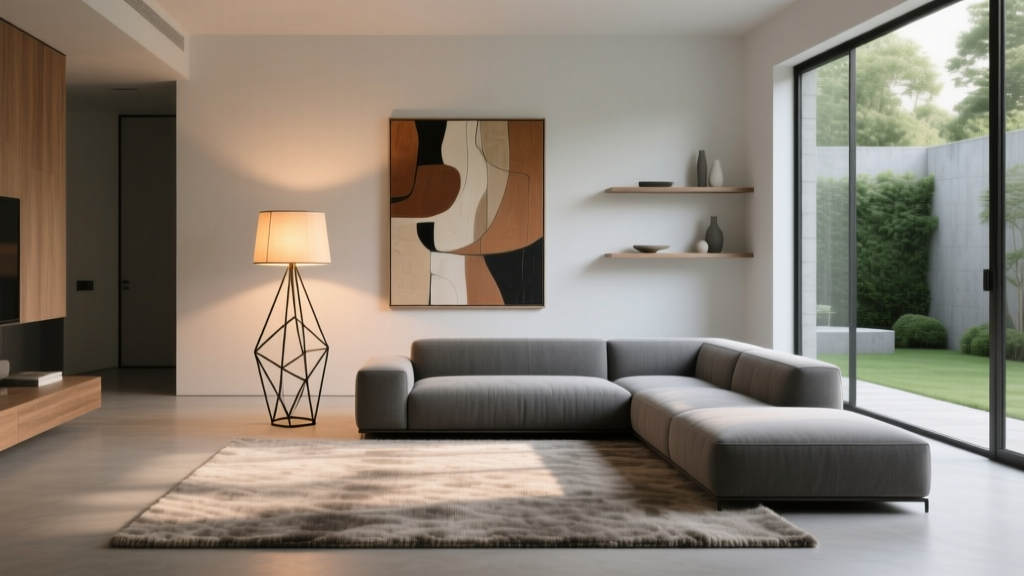 How to Create a Living Room Focal Point - The Decor Mag
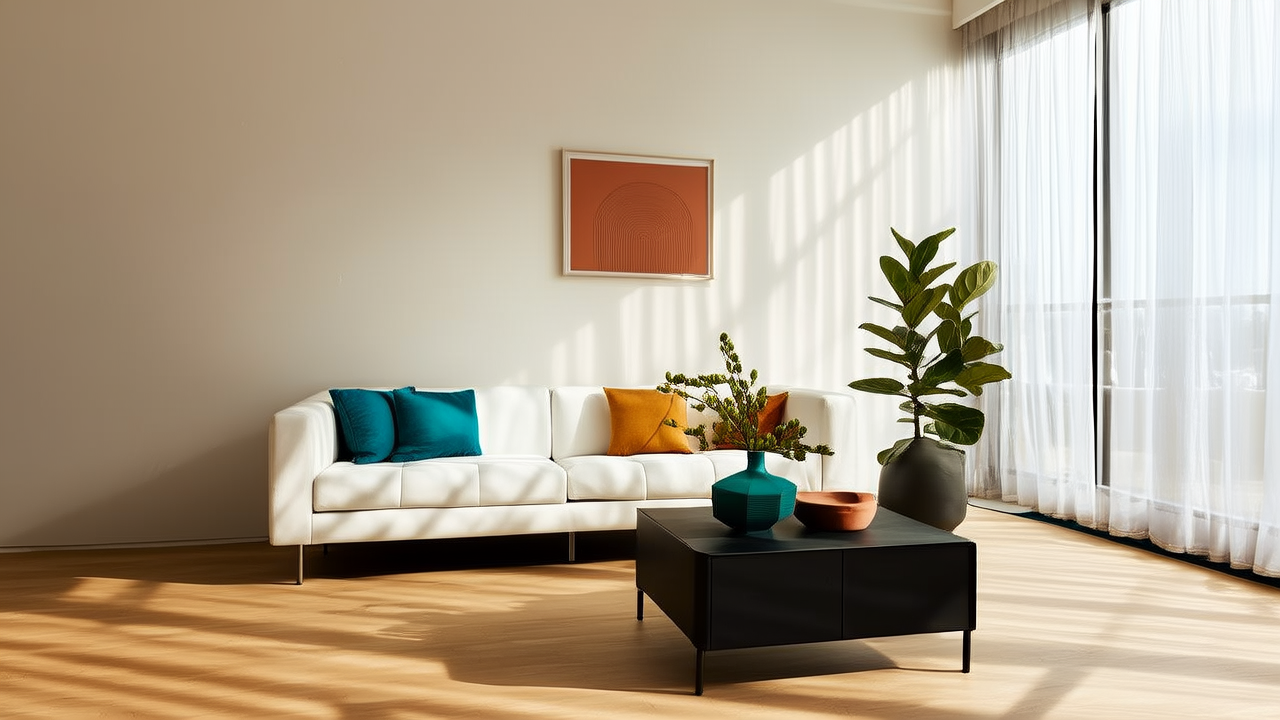 Bedroom FAQ: Science-Backed Design Advice
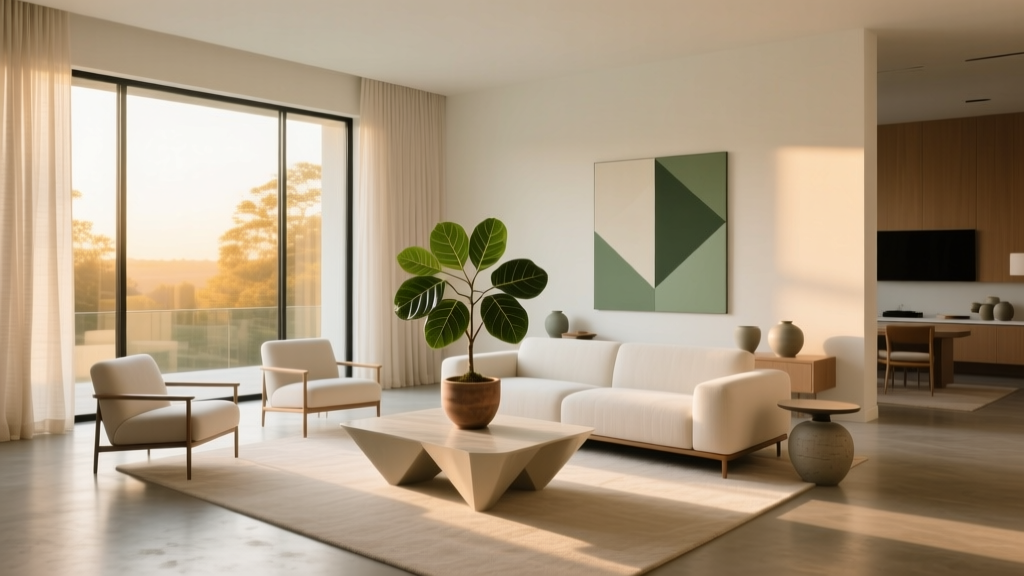 Kid-Proof Living Room Ideas That Still Look Stylish
 Living Room for All Ages: Design Tips (2026)
 Cheap vs Premium Living Room Setup Cost in 2026
 Best Affordable Living Space Solutions 2026
Living Room Color Schemes That Work Every Time
Best Affordable Living Space Solutions 2026
Living Room Color Schemes That Work Every Time
 Designing a Workspace That Fuels Creativity
 Best Bedroom Layout Ideas 2026: Stylish & Space-Smart
 Science-Backed Room Design Principles for 2026