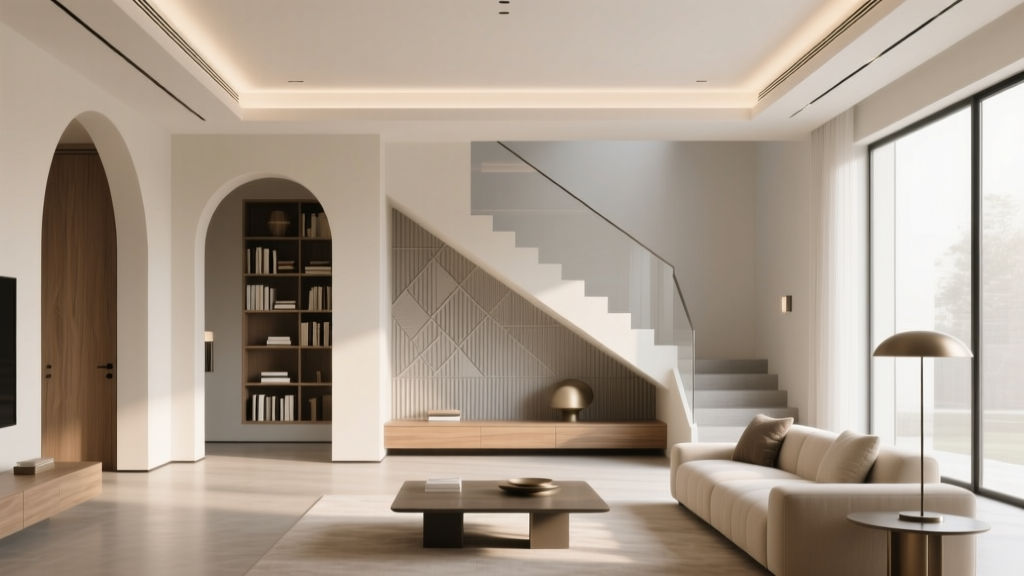
Living Room Architectural Detail Ideas - The Decor Mag
When a living room feels “fine” but not finished, the missing piece is often architectural detail. Furniture and decor can make a space comfortable, but built-in elements—moldings, millwork, trim, ceiling treatments, and intentional wall structure—create that polished, designed-on-purpose look people associate with custom homes and well-styled apartments.
The good news: you don’t need a full renovation to add architectural character. Many living room architectural details are renter-friendly or weekend-DIY doable, and even small upgrades (like beefier baseboards or a well-proportioned picture frame molding grid) can make your living room feel taller, brighter, and more expensive.
Below you’ll find practical, inspiring living room architectural detail ideas, including measurements, materials, budget ranges, and real-world scenarios—plus common mistakes to avoid and a quick FAQ to help you plan with confidence.
Start With a Quick Living Room “Architecture Audit”
Before choosing details, take five minutes to assess what your room already gives you. The goal is to enhance your home’s architecture (or create the illusion of it), not fight it.
- Ceiling height: 8 ft, 9 ft, vaulted? (This affects molding scale.)
- Wall conditions: Smooth drywall, textured walls, plaster, brick?
- Natural focal points: Fireplace, big window, built-in niche, or none?
- Traffic flow: Where are doorways and main walking paths?
- Style direction: Modern, transitional, traditional, coastal, minimalist?
Rule of thumb: Choose one “hero” architectural moment (feature wall, ceiling detail, built-in wall) and one or two supporting details (trim upgrades, lighting medallion, upgraded doors). That balance looks intentional and keeps budgets under control.
Wall Treatments That Add Instant Character
1) Picture Frame Molding (Classic, High-Impact)
Picture frame molding is a timeless way to create architectural rhythm. It works in modern, traditional, and transitional living room design—especially when paired with a calm paint color and clean-lined furniture.
Best for: Flat drywall walls and rooms that feel “boxy.”
Measurements that usually look right:
- Bottom clearance: 8–10 in above baseboard
- Top clearance: 8–12 in below crown (or below ceiling if no crown)
- Side clearance: 4–8 in from corners/doors/windows
- Frame spacing: 3–6 in between boxes
- Molding width: 1–2 in for most rooms; up to 3 in for larger spaces
Materials: MDF (budget-friendly, smooth), pine/poplar (more durable), or polyurethane (lightweight, stable).
Budget range: $150–$600 DIY for one feature wall; $1,000–$3,000 professionally installed, depending on wall size and complexity.
Real-world scenario: In a rental with white walls and standard baseboards, a tenant adds removable picture frame molding using lightweight PVC trim and removable adhesive strips, then paints everything the same color as the wall for a subtle “shadow line” effect. The room reads elevated without risking the security deposit.
2) Board and Batten (Modern Farmhouse to Transitional)
Board and batten is one of the most popular living room wall treatments right now because it adds texture without feeling busy. It also disguises minor wall imperfections.
Design tip: Choose height based on your ceiling:
- 8 ft ceilings: 42–54 in high
- 9 ft ceilings: 48–60 in high
- 10+ ft ceilings: 54–72 in high
Batten spacing: 12–18 in on center for a tailored look; 18–24 in for a more open, modern rhythm.
Materials: MDF battens with a primed finger-jointed pine cap rail; satin or semi-gloss paint for wipeability.
Budget range: $200–$900 DIY; $1,200–$4,000 installed.
3) Slat Walls and Micro-Wood Paneling (Warm, Trend-Forward)
Vertical slats and micro-paneling are trending in contemporary and Scandinavian-inspired living room decor. They add warmth, improve acoustics slightly, and pair beautifully with soft textiles.
Where it works best: Behind the sofa, around a TV wall, or to frame a fireplace.
Smart specs:
- Slat width: 1–1.5 in
- Gap: 0.5–1 in
- Backer: black felt for acoustic panels, or painted plywood for budget builds
Product recommendation: Acoustic slat wood wall panels (oak, walnut, or black) are widely available and go up fast with adhesive + a few brad nails.
Budget range: $400–$1,800 depending on wall size and panel brand.
4) Wallpaper Used Architecturally (Not Just Decor)
Wallpaper can function like architectural detail when it’s applied with intention—inside wall panels, above chair rails, or on the ceiling.
- Try: Grasscloth (warm, elevated), linen-look vinyl (durable), or large-scale mural paper (statement-making).
- Renter approach: Removable peel-and-stick wallpaper on a single wall or inside bookcase backs.
Budget range: $80–$400 per roll; $500–$2,500 installed for a feature wall depending on paper type and wall prep.
Trim and Molding Upgrades That Change Everything
5) Bigger Baseboards and Cleaner Casing
Upgrading trim is one of the most underrated living room upgrades. Taller baseboards make ceilings feel higher and walls feel more substantial.
Quick guide to baseboard height:
- 8 ft ceilings: 4–6 in baseboards
- 9 ft ceilings: 5–7 in baseboards
- 10 ft ceilings: 6–8+ in baseboards
Material recommendations: MDF for smooth modern rooms; poplar for durability in busy homes. Use a semi-gloss enamel for trim to resist scuffs.
Budget range: $1–$4 per linear foot for materials; $3–$10 per linear foot installed.
6) Crown Molding (Even in Modern Rooms)
Crown molding gets labeled “traditional,” but a simple, low-profile crown looks clean and modern—especially when painted the same color as the walls for a seamless effect.
Scale tips:
- 8 ft ceilings: 2.5–4 in crown
- 9 ft ceilings: 3.5–5.5 in crown
- 10 ft ceilings: 5–7+ in crown
Budget range: $2–$8 per linear foot material; $6–$20 installed, depending on corners and ceiling conditions.
7) Chair Rails and Plate Rails (A Fresh Comeback)
Chair rails are returning, especially in transitional spaces where homeowners want depth without heavy ornament. Pair a chair rail with paint-blocking (darker below, lighter above) or with wallpaper above.
Placement: Typically 32–36 in from the floor, but adjust to align with window sills or the visual center of the wall.
Ceiling Details That Elevate the Whole Room
8) Ceiling Medallions and Statement Fixtures
Swapping an underwhelming ceiling light for a statement fixture is good. Adding a medallion makes it look intentional and architectural—like it was always meant to be there.
Proportion tip: Choose a medallion that’s 1.5–2x the diameter of the fixture canopy (or slightly wider than the fixture’s top plate).
Product recommendation: Lightweight polyurethane medallions are affordable, paintable, and easy to install.
Budget range: $30–$150 for medallion; $150–$1,500+ for the light fixture (depending on size and brand).
9) Ceiling Beams (Faux Can Still Look Real)
Beams add structure and can visually correct a room that feels too wide or too plain. Faux beams (hollow wood or polyurethane) are a popular, budget-friendly option—especially with modern organic design trends.
Spacing guideline: In many living rooms, 2–4 beams spaced evenly across the ceiling looks balanced. Keep at least 18–24 in from walls for breathing room (adjust for lights and vents).
Budget range: $300–$2,500 DIY faux beams; $2,000–$8,000+ custom carpentry.
10) Coffered and Tray Ceilings (High-End, Worth It When Done Right)
If you’re remodeling or already doing electrical work, a coffered or tray ceiling can transform the entire living room. This is one of the most “architectural” upgrades you can make.
- Coffered ceilings: Best for 9 ft+ ceilings; creates grids with beams.
- Tray ceilings: Great for adding height illusion; consider concealed LED strip lighting.
Budget range: $2,500–$12,000+ depending on complexity and labor costs.
Built-Ins, Niches, and Feature Walls That Look Custom
11) Built-In Shelving Around a TV (Balanced, Not Bulky)
A media wall can either look like a giant black rectangle—or a custom focal point. Built-ins add symmetry and storage, and they’re one of the best living room organization upgrades.
Planning tips:
- Depth: 10–12 in for books/decor; 14–16 in if you need larger baskets or components
- Clearance: Leave 2–3 in around the TV for ventilation (more if manufacturer requires)
- Outlet plan: Add outlets behind the TV and inside cabinets for hidden cords
Budget range: $800–$3,000 for IKEA-hack style built-ins; $4,000–$15,000+ for custom millwork.
12) Archways and Cased Openings (Softens Modern Boxes)
Arches are still trending, but they’ve matured into more classic, architectural applications: cased archways, arched built-in niches, and softly rounded wall openings.
Renter-friendly idea: Create an arched niche illusion with a painted arch behind a floating shelf, then style with pottery and a sconce.
Budget range: $30–$150 for paint-only illusion; $500–$4,000+ for framing/drywall modifications depending on structure.
13) Fireplace Surrounds and Mantels (A Focal Point That Anchors the Room)
If your living room has a fireplace, treat it like architecture—not an afterthought. Even electric fireplaces can look built-in with the right surround.
Material ideas:
- Timeless: limestone-look porcelain, real brick, simple painted millwork
- Trend-forward: plaster finish (Roman clay look), fluted tile, slab-look porcelain panels
Mantel sizing: A common depth is 8–12 in; height depends on fireplace opening and TV placement. If mounting a TV above, aim for a comfortable viewing height (often the center of the screen at 42–48 in from the floor, but it varies by seating).
Budget range: $300–$1,500 for a mantel + paint refresh; $2,000–$10,000+ for new surround materials and labor.
Architectural Details for Renters (Low Commitment, High Style)
You can still add architectural character without permanent construction. Focus on “surface architecture”—elements that mimic trim and built-ins.
- Peel-and-stick molding: Lightweight trim or PVC applied with removable adhesives for temporary paneling
- Over-the-wall sconces: Plug-in swing-arm sconces to frame a sofa or fireplace
- Floor-to-ceiling drapery: Hang rods 4–6 in below the ceiling (or at ceiling height) to create height and structure
- Large-scale art grids: 2x2 or 3x2 frames with consistent spacing (2–3 in) for an architectural rhythm
Budget range: $100–$800 depending on how many elements you add.
Step-by-Step: A Simple Architectural Feature Wall Plan
If you want one weekend project with a big payoff, a painted panel molding feature wall is a great place to start.
- Pick the wall: Usually behind the sofa or the fireplace/TV wall.
- Choose your panel layout: 3 vertical boxes for narrow walls, a 2x2 grid for wider walls.
- Measure and tape it out: Use painter’s tape to visualize spacing before you cut anything.
- Select molding: 1–2 in flat stock or a simple profile for a clean look.
- Install: Construction adhesive + brad nails (or removable methods for renters).
- Caulk and fill: Caulk seams for a built-in look; fill nail holes.
- Paint: Paint wall and molding the same color (modern) or do contrasting trim (classic).
Paint tip: For living rooms, eggshell on walls is forgiving; satin is easier to wipe but shows wall flaws more.
Common Mistakes to Avoid
- Going too small with trim: Underscaled crown or baseboards can look like an afterthought. Match scale to ceiling height.
- Ignoring alignment: Panel molding that doesn’t align with windows, door casings, or the sofa center can feel “off.”
- Overdoing patterns: If you choose a bold wallpaper, keep surrounding millwork simpler (or vice versa).
- Mounting curtain rods too low: Low rods shorten walls. Aim high for an architectural, taller look.
- Forgetting lighting: Architectural details need light to cast shadows. Add layered lighting (overhead + lamps + sconces).
- Skipping prep: Uneven walls, unfilled seams, and messy caulk lines are what make DIY details look DIY.
FAQ: Living Room Architectural Detail Ideas
What’s the fastest architectural upgrade for a living room?
Upgrading lighting (a statement fixture plus a ceiling medallion) and hanging floor-to-ceiling drapes are two of the fastest changes with a strong “designed” effect—often doable in an afternoon.
Do architectural details make a small living room feel smaller?
Not if you keep scale and color in mind. Tone-on-tone panel molding, vertical slats, and high-hung curtains can actually make a small living room feel taller and more refined. Avoid overly chunky trim in very tight rooms.
Is MDF okay for trim and molding?
Yes—MDF is smooth, stable indoors, and budget-friendly. It’s best for low-moisture areas (like living rooms). If you have pets or heavy wear, consider poplar for baseboards for better dent resistance.
How do I choose between board and batten and picture frame molding?
Board and batten feels slightly more casual and works well for family-friendly living rooms. Picture frame molding reads more classic and formal. If your furniture is streamlined and modern, picture frame molding painted the wall color looks especially current.
What’s a realistic budget for adding architectural character?
You can make a noticeable difference for $200–$800 with a DIY feature wall, upgraded hardware, and improved window treatments. More involved projects like custom built-ins or ceiling details typically run $4,000–$15,000+ depending on materials and labor.
How can renters add architectural detail without losing a deposit?
Focus on removable wallpaper, plug-in sconces, high-hung curtains, large art grids, and lightweight temporary molding solutions using removable adhesives. Always test a small area first and keep original hardware to reinstall later.
Actionable Next Steps for a More Architectural Living Room
If you’re ready to add architectural detail but don’t want to get overwhelmed, keep it simple:
- Choose one focal upgrade: A feature wall, fireplace surround refresh, or built-in-style media wall.
- Pick a supporting trim detail: Taller baseboards, simple crown, or a chair rail with paint-blocking.
- Layer lighting: Add a statement fixture and at least two additional light sources (table lamps or sconces).
- Commit to cohesive finishes: Match trim sheen, keep wood tones intentional, and repeat one metal finish (or mix two max).
Architectural details are the difference between a living room that’s simply furnished and one that feels truly designed—whether you own your home or rent your space.
Want more living room design and decor ideas? Explore more inspiration, trends, and practical guides at thedecormag.com.
More Articles
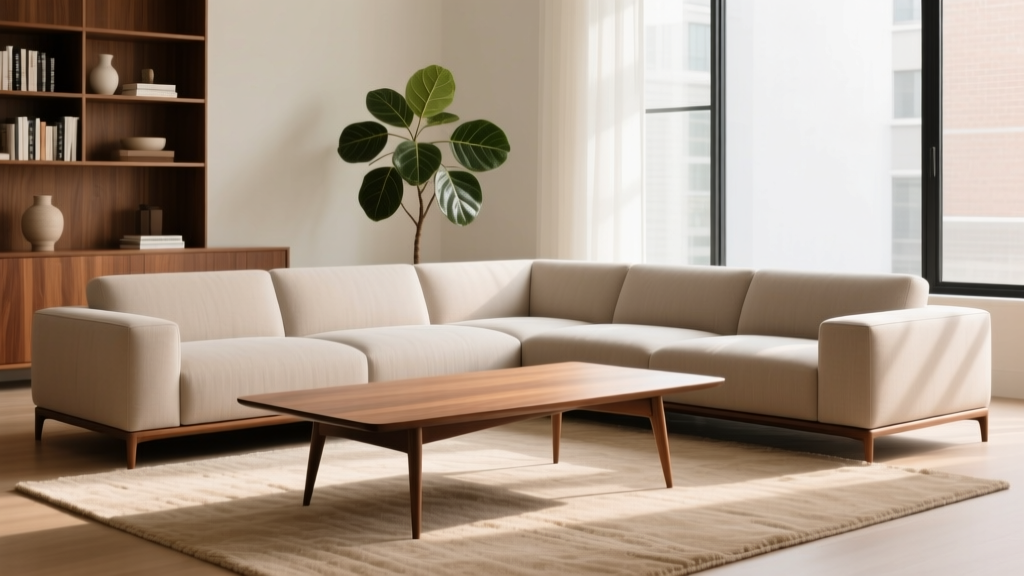 Best Sofa Table Lengths for Sectionals - The Decor Mag
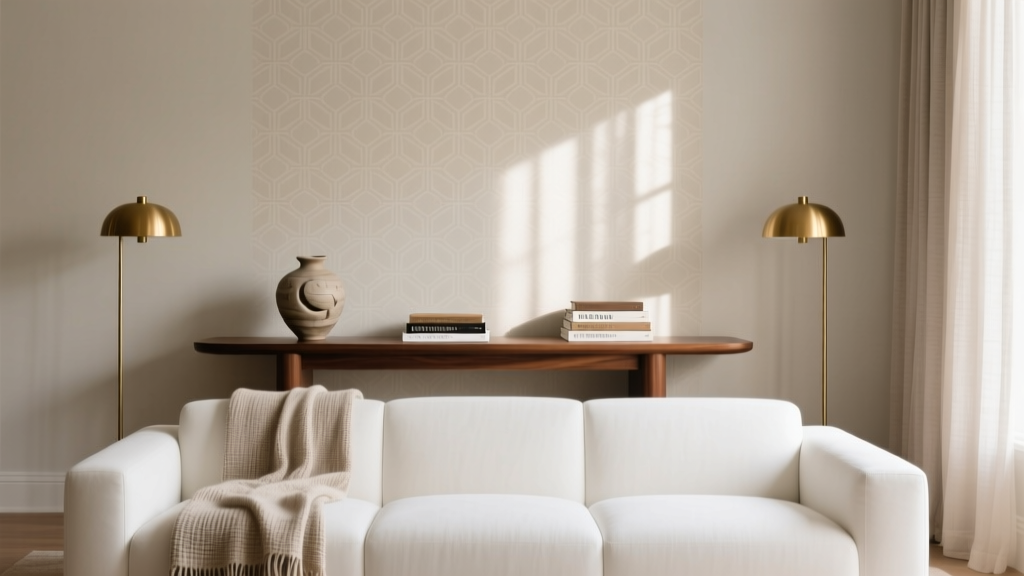 Console Table Behind Sofa: Styling Ideas (2026)
 Best Family Checklist System for Modern Homes (2026)
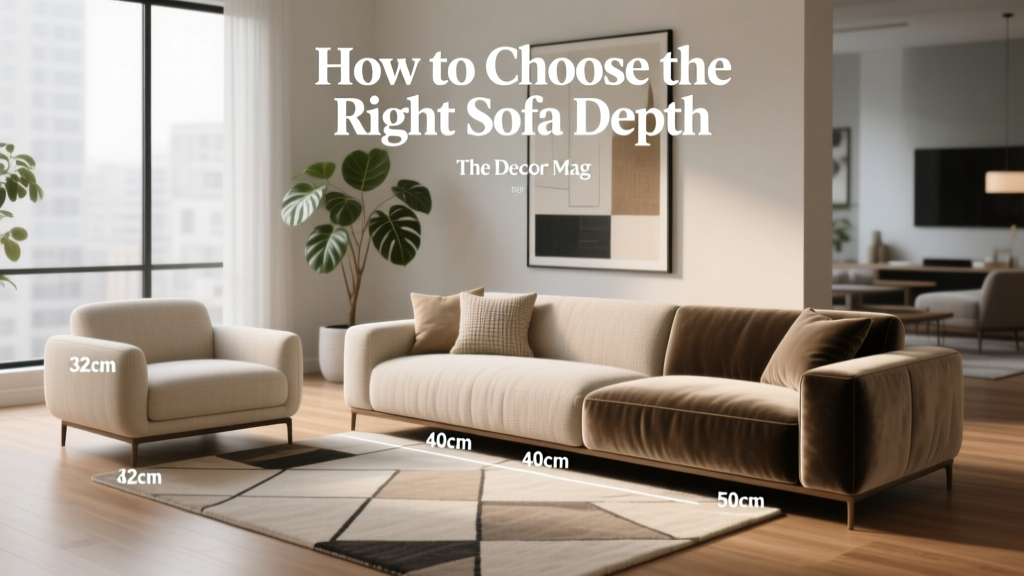 How to Choose the Right Sofa Depth - The Decor Mag
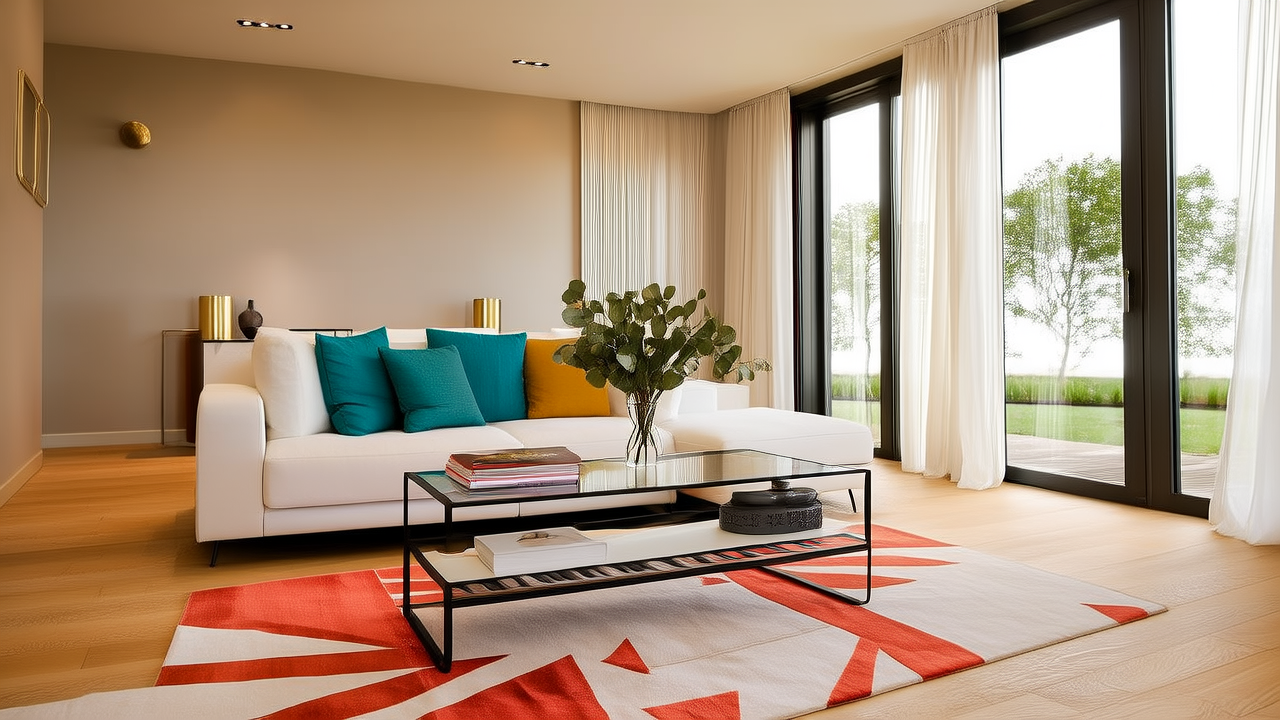 Pet-Proof Sofa Choices for Stylish Homes
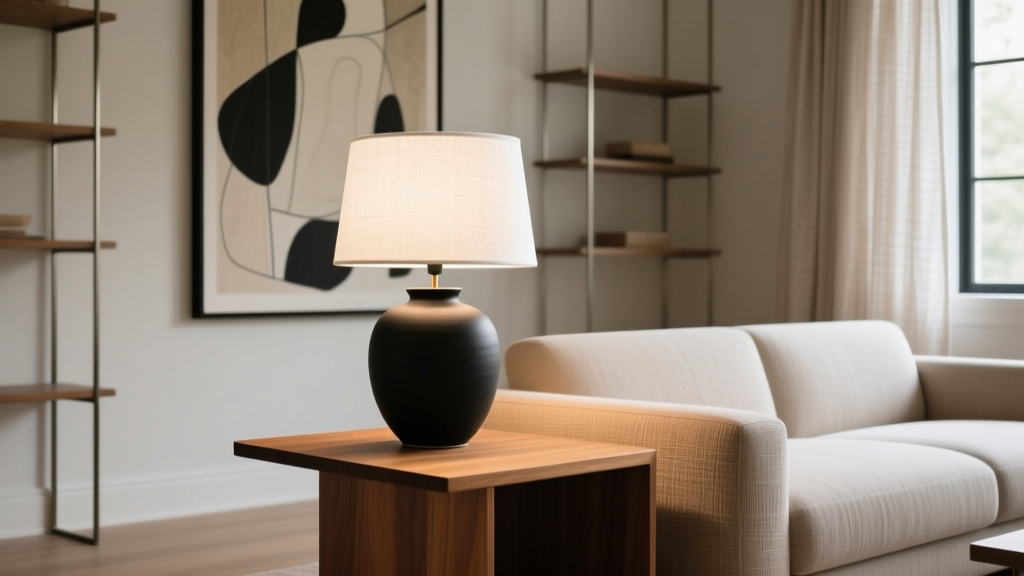 Best Table Lamp Pairings for End Tables - The Decor Mag
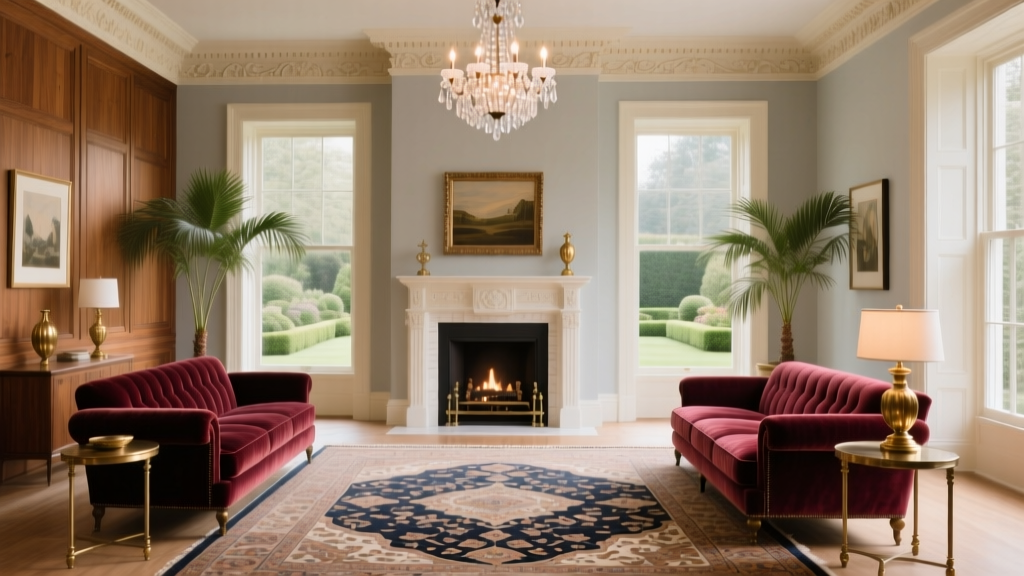 Elegant Traditional Living Room Ideas - The Decor Mag
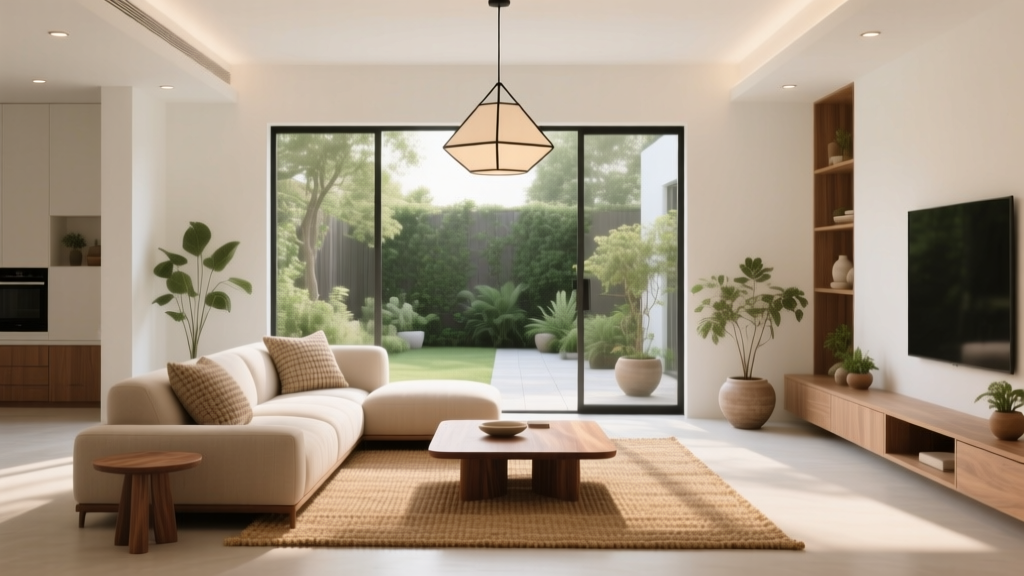 Living Room Elevated Casual Design - The Decor Mag
 Living Room Understated Luxury Feel - The Decor Mag
 Best Recliner Chairs That Look Stylish - The Decor Mag