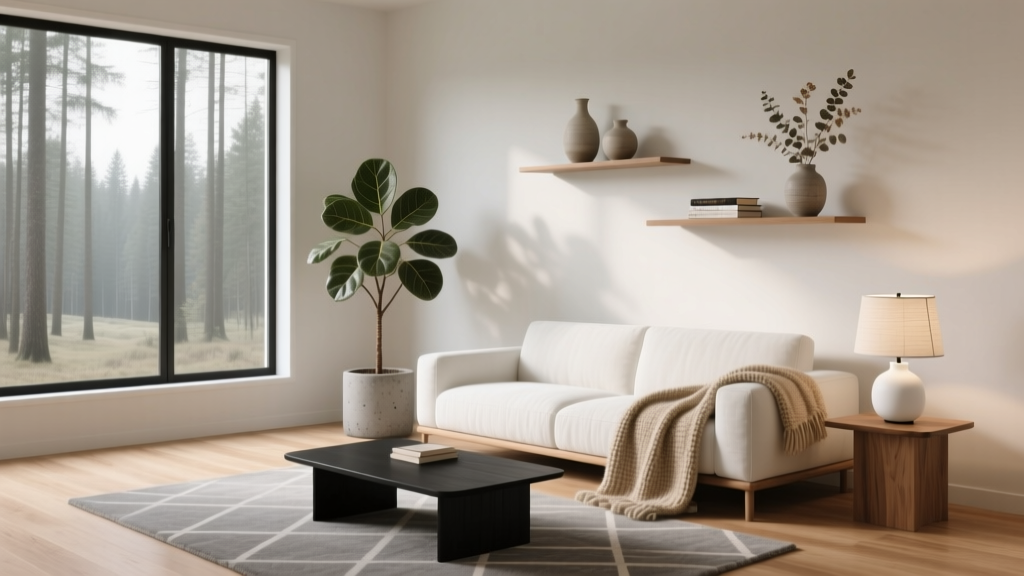
Scandinavian Living Room Design Essentials - The Decor Mag
Scandinavian living rooms have a reputation for being calm, bright, and effortlessly stylish—and that’s exactly why they’re so popular with homeowners and renters. Whether you’re working with a compact apartment lounge or a spacious family room, Scandi design offers a clear roadmap: prioritize light, function, comfort, and a few beautiful, well-made pieces over clutter and constant “decor churn.”
What makes this style especially useful is how practical it is. Scandinavian decor isn’t about following fussy rules; it’s about creating a living room that supports real life—movie nights, coffee catch-ups, toy-strewn afternoons, work-from-home days—while still feeling pulled together. When done right, it’s minimal without being cold and cozy without being crowded.
In this guide, you’ll learn the essentials of Scandinavian living room design: color palettes, layout strategies, furniture proportions, lighting layers, materials, and styling tricks. You’ll also get step-by-step tips, real-world room scenarios, common mistakes to avoid, and a quick FAQ so you can confidently bring Scandinavian style into your own space.
What Defines Scandinavian Living Room Style?
Scandi style (rooted in Denmark, Sweden, and Norway) is built on a few timeless principles that still align with current design trends:
- Light-first design: Maximize natural light and bounce it around the room.
- Functionality: Every piece earns its keep—storage, comfort, durability.
- Warm minimalism: Fewer objects, better quality, and a cozy feel.
- Natural materials: Light woods, wool, linen, leather, rattan, stone, and ceramic.
- Quiet color palettes: Soft whites, warm neutrals, gentle greys, muted earth tones.
Current trends like soft minimalism, Japandi (Japanese-Scandinavian fusion), and organic modern blend seamlessly with Scandinavian living room decor—so your updates will feel fresh now and still look good years from today.
Start with the Foundation: Color Palette and Finishes
Best Scandinavian Living Room Colors
A Scandinavian living room color palette usually starts with a light neutral base and adds contrast through texture and a few darker accents.
- Walls: warm white, soft ivory, pale greige, very light grey
- Trim/Ceiling: crisp white for a clean edge (especially helpful in low-light rooms)
- Accents: charcoal, matte black, muted olive, dusty blue, terracotta, tan leather
Practical tip: If your living room doesn’t get much natural light, avoid icy whites that can look flat. Choose a warm white with a subtle cream or beige undertone to keep the room inviting.
Wood Tones and Metals That Feel “Scandi”
- Wood: light oak, ash, birch; matte or satin finishes look most authentic
- Metals: matte black (for contrast), brushed brass (sparingly), chrome (for a modern Nordic edge)
- Stone/ceramic: travertine-style tops, speckled ceramics, matte earthenware
Budget range: You can achieve the look with affordable oak-veneer furniture ($150–$600 per piece) and upgrade one “hero” item (like a sofa or rug) where quality really shows ($700–$2,500+).
Layout Essentials: Make the Room Feel Open (Even If It’s Small)
Scandinavian interior design favors breathing room. The goal is a layout that’s easy to move through, with furniture that’s scaled correctly for the space.
Scandinavian Living Room Layout Rules of Thumb
- Walkways: aim for 30–36 inches for main paths (as low as 24 inches in tight apartments).
- Rug sizing: choose a rug large enough that at least the front legs of your sofa and chairs sit on it.
- Coffee table clearance: keep 14–18 inches between the sofa and coffee table.
- TV distance: a comfortable range is roughly 1.5–2.5x the diagonal TV size (e.g., a 55" TV sits about 6.5–11.5 feet away).
Simple Step-by-Step: Plan a Scandi-Friendly Seating Zone
- Anchor with a rug: start bigger than you think (common sizes: 5' x 8', 8' x 10', 9' x 12').
- Place the sofa first: float it slightly off the wall if you can (even 2–6 inches helps).
- Add one accent chair: keep the silhouette light—open arms, tapered legs, minimal bulk.
- Layer lighting: overhead + floor + table lamp (details below).
- Finish with storage: a low console or closed cabinet to reduce visual noise.
Furniture Essentials: Choose Fewer Pieces, Choose Better
Scandinavian living room furniture is known for clean lines, comfort, and craftsmanship-inspired shapes. Think lifted legs, simple profiles, and upholstered pieces that look soft—but not sloppy.
The Scandinavian Sofa: Your Main Investment
Look for:
- Upholstery: durable woven fabric, performance fabric, or wool blends in neutral tones
- Legs: visible wood or black legs to keep the sofa visually airy
- Seat depth: around 21–24 inches for a balance of lounging and upright comfort
- Cushions: removable covers if you have kids or pets
Budget guide:
- Budget: $600–$1,200 (great for renters; prioritize performance fabric)
- Mid-range: $1,200–$2,500 (better frames, improved cushion longevity)
- Investment: $2,500–$5,000+ (premium upholstery, long-term comfort)
Coffee Tables and Side Tables: Light and Practical
Scandi tables often feature rounded corners, slim tops, and natural wood. If you need more function, go for nesting tables or a storage coffee table with a clean front.
- Round coffee tables work well in small living rooms and soften boxy layouts.
- Oval tables are a great compromise between surface area and easy movement.
- Two smaller tables can replace one bulky coffee table for flexibility.
Product-style recommendations: look for oak veneer with a matte finish, solid ash legs, or a stone-look top (sealed for stain resistance).
Storage That Doesn’t Shout
A clutter-free Scandinavian living room depends on smart storage. Prioritize closed cabinets, minimal hardware, and a consistent wood tone.
- Media console: low profile, 60–80 inches wide for most setups
- Bookcase: mix closed storage (bottom) with open shelves (top)
- Baskets: lidded woven baskets for throws, toys, chargers, and magazines
Lighting: The Secret Ingredient for a Cozy Scandinavian Living Room
If your living room feels “almost there” but still a bit flat, lighting is usually the missing piece. Scandinavian decor relies on layered lighting—especially in darker months and in apartments with limited sunlight.
The Ideal Scandinavian Lighting Plan (Layered)
- Ambient: ceiling fixture or track lighting (use warm bulbs)
- Task: reading lamp near the sofa or chair
- Accent: table lamp, wall sconce, or picture light for glow and depth
Bulb settings that feel inviting: choose 2700K–3000K (warm white) and add dimmers where possible.
Product-style recommendations:
- Paper or fabric shade pendant for softness
- Matte black floor lamp with a simple cone shade for contrast
- Opal glass table lamp for a warm, diffused glow
Textiles and Texture: How Scandinavians Do Cozy
Minimal rooms can feel sterile without texture. Scandinavian living room decor uses textiles to add warmth—without introducing visual chaos.
Rugs, Throws, and Cushions
- Rug materials: wool, wool-blends, flatweave cotton, or durable synthetic for high-traffic homes
- Rug pile: low to medium for easy cleaning and a modern look
- Throws: chunky knit, brushed cotton, wool, or mohair-style blends
- Cushions: linen, bouclé, wool; keep patterns subtle (thin stripes, small checks)
Easy formula: one large rug + two throws (different textures) + 3–5 cushions in a tight palette.
Scandinavian Wall Decor: Keep It Intentional
Wall decor should support the room’s calm mood. Think fewer pieces, better scale, and breathing room.
- One oversized artwork above the sofa creates impact without clutter.
- Gallery walls can still be Scandinavian—use matching frames (oak or black) and a consistent mat color.
- Mirrors bounce light; place one opposite or adjacent to a window if possible.
Hanging height tip: center artwork roughly 57–60 inches from the floor, or position the bottom edge about 6–8 inches above the sofa back.
Real-World Scandinavian Living Room Scenarios
Scenario 1: Small Rental Living Room (No Painting Allowed)
You’re in a 500–800 sq ft apartment with beige walls and minimal overhead lighting. Here’s a renter-friendly Scandi approach:
- Add a large 8' x 10' light neutral rug to brighten the floor area.
- Choose a compact sofa (around 72–84 inches wide) with raised legs.
- Use plug-in wall sconces or a floor lamp for layered lighting.
- Hang linen-look curtains high and wide (rod 4–6 inches above the window; panels touching the floor) to make ceilings look taller.
- Style with two large baskets for hidden storage (throws, cables, shoes).
Estimated budget: $350–$1,500 depending on sofa choice and rug quality.
Scenario 2: Family Living Room That Needs to Handle Mess
You want Scandinavian style, but you also have kids/pets and need durability.
- Pick a sofa in performance fabric (stain-resistant, easy to spot clean).
- Choose a low-pile rug with subtle patterning to camouflage crumbs and wear.
- Add closed storage (a sideboard or console with doors) for fast clean-ups.
- Use washable throw covers and limit delicate décor to higher shelves.
Estimated budget: $1,200–$4,000 depending on upholstery and storage needs.
Scenario 3: Open-Plan Living Room That Feels Echoey
Scandinavian spaces can sound and feel “hard” in open layouts. The fix is softness—strategically.
- Use a large rug (9' x 12' if space allows) to absorb sound.
- Add curtains in linen or heavy cotton to soften acoustics.
- Layer lighting and include a textured accent chair (bouclé works beautifully here).
- Bring in a few large plants to add softness and shape.
Common Scandinavian Living Room Mistakes to Avoid
- Going too stark: all-white + no texture often reads cold. Add wood tones, wool, linen, and warm lighting.
- Choosing a too-small rug: undersized rugs make furniture feel disconnected. Size up whenever possible.
- Over-decorating with “minimal” objects: ten small vases still look like clutter. Edit down to a few larger, meaningful pieces.
- Ignoring lighting layers: one overhead light won’t create that Scandinavian glow.
- Buying flimsy furniture: Scandi style looks best when pieces feel solid and well-proportioned—even if they’re simple.
- Too many wood tones at once: keep to 1–2 primary wood finishes and repeat them for cohesion.
FAQ: Scandinavian Living Room Design
What are the best Scandinavian living room colors if my room is dark?
Start with a warm white or light greige on walls, then add contrast with black accents and light oak tones. Use bulbs in the 2700K–3000K range and include at least two lamps to prevent shadows from making the room feel dim.
Can Scandinavian decor work with existing traditional furniture?
Yes. Keep your traditional anchor pieces (like a classic sofa) and “Scandi-fy” the room through a lighter rug, simplified curtains, minimalist lighting, and natural textures. Limit ornate accessories and choose clean-lined side tables to bridge styles.
How do I make a Scandinavian living room feel cozy, not empty?
Use a large rug, layered lighting, and tactile textiles (wool throw, linen cushions). Add one or two personal elements—framed photos, a favorite ceramic piece, or a stack of books—so it feels lived-in, not staged.
What’s the easiest quick upgrade for a Scandinavian look?
Swap to warm lighting, add a larger neutral rug, and simplify surfaces. Even clearing visual clutter and adding one textured throw can shift the mood toward Scandinavian instantly.
Is Scandinavian design the same as minimalism?
They overlap, but Scandinavian design is usually warmer. Minimalism can be more strict and sparse, while Scandi style tends to include cozy textures, natural materials, and a welcoming, everyday comfort.
What materials should I prioritize for an authentic Scandinavian living room?
Light wood (oak/ash), wool or wool-blend rugs, linen or cotton textiles, matte ceramics, glass (especially opal), and a few black metal accents for contrast.
Your Next Steps: Build Your Scandinavian Living Room, One Smart Choice at a Time
If you want a Scandinavian living room that feels bright, calm, and genuinely livable, focus on the big wins first:
- Choose a soft neutral base (warm whites, greiges) and repeat it across key pieces.
- Get the layout right with a properly sized rug and comfortable clearances.
- Invest in lighting layers using warm bulbs and at least two lamps.
- Add texture through wool, linen, and natural wood—then edit accessories.
- Improve storage so your living room stays visually calm day to day.
Looking for more Scandinavian decor inspiration, small living room layout ideas, and living room design trends that actually work at home? Explore more living room guides and styling tips on thedecormag.com.
More Articles
 Curtains for Living Rooms: Best Choices (2026)
 Antique Living Room Decor: Modern Mix Ideas (2026)
 Coffee Table Height & Sofa Relationship (2026)
 Living Room Neutral Color Scheme Ideas - The Decor Mag
 Living Room Warm vs Cool Tone Balancing - The Decor Mag
 Best Paint Colors for North-Facing Living Rooms (2026)
 Best Wall Sconce Wiring Options - The Decor Mag
 Best Lighting Fixtures for Living Rooms - The Decor Mag
 Contemporary vs Modern Living Rooms (2026)
 Floating Shelves Living Room Styling (2026)