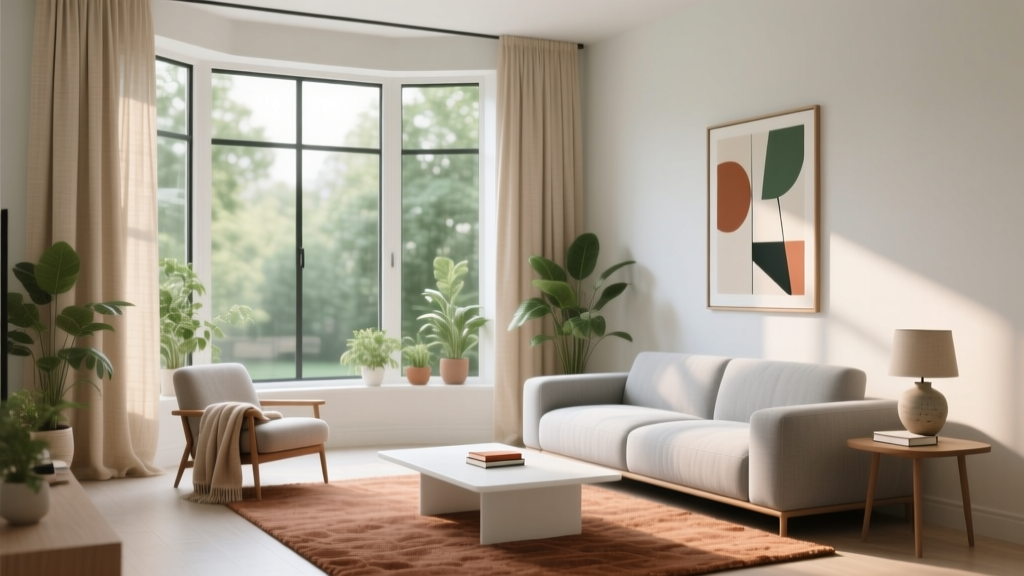
Bay Window Living Room Decor Ideas (2026)
A bay window is one of those architectural features that can instantly elevate a living room—more light, more character, more “wow.” But it can also be oddly tricky: the angles feel awkward, furniture doesn’t line up neatly, and the window treatments can get expensive fast. If you’ve ever stared at your bay window wondering whether it should be a cozy reading nook, a plant haven, or simply a beautiful focal point, you’re not alone.
The good news: decorating a living room with a bay window doesn’t require custom everything or a full renovation. With a few smart layout decisions, the right window treatments, and some styling know-how, you can turn that protruding window area into the most useful—and most photographed—spot in your home. This guide walks you through practical design tips, real-world scenarios, common mistakes to avoid, and budget-friendly product ideas that work for both homeowners and renters.
Start with What Your Bay Window Needs to Do
Before you choose curtains or start shopping for a bench, decide how you want to use the bay window area. This choice affects your furniture layout, lighting plan, and even the rug size.
Pick a primary function (then design around it)
- Seating zone: reading nook, coffee spot, conversation corner
- Extra storage: built-ins, storage bench, low cabinets
- Greenery + styling: plant stand cluster, indoor herb corner, display ledge
- Work-from-home nook: slim desk, floating shelf desk, laptop spot
- Open + airy focal point: minimal furniture, beautiful window treatments, statement light
Quick decision guide
- If your living room is tight on seating, prioritize a bench or two chairs.
- If your living room lacks storage, choose a storage bench or low cabinetry.
- If you rent and can’t drill much, lean into freestanding furniture and no-drill shades.
Measure the Bay Window Like a Designer
Bay windows vary widely, so measurements are the difference between “custom-looking” and “why doesn’t this fit?” Keep a notepad or phone notes handy and measure in inches.
Key measurements to take
- Angle-to-angle width: the full span across the front of the bay
- Side return depth: how far the bay protrudes from the wall (each side)
- Individual window widths: center window and each side window
- Sill height: floor to sill (helps choose bench height)
- Trim depth: how much casing/trim projects (affects inside-mount shades)
Helpful size rules
- Bench height: 17–19 inches is most comfortable for seating.
- Bench depth: 16–20 inches for perch seating; 20–24 inches for lounging.
- Clearance around furniture: aim for 30–36 inches for main walkways; 18 inches can work in tight areas.
- Curtain rod width: extend 6–12 inches past each end (when possible) to make windows feel larger.
Layout Ideas: Where the Sofa and Chairs Should Go
One of the most common living room design dilemmas: “Should the sofa face the bay window or float near it?” The right answer depends on your room’s traffic flow and focal points (TV, fireplace, view).
Layout 1: Make the bay window the focal point
Best for: rooms with a great view, lots of light, or no dominant fireplace/TV wall.
- Place the sofa opposite the bay window (facing it).
- Add two accent chairs angled toward the sofa, leaving the bay area open or lightly furnished.
- Use a coffee table and rug to anchor the conversation zone.
Real-world scenario: A renter in a city apartment uses the bay window as a “visual breathing space.” They place a sofa facing the window and a slim console behind the sofa for extra storage—no bulky furniture in the bay, just linen curtains and a tall plant.
Layout 2: Create a dedicated bay window seating nook
Best for: families, readers, and anyone who needs extra seating.
- Use a built-in or freestanding bench in the bay.
- Keep the main sofa on the largest uninterrupted wall.
- Add a small round table (18–24 inches) in the bay if space allows.
Tip: If your bay is shallow, skip the table and add a drink ledge (a narrow C-table or a small stool).
Layout 3: Float the sofa to “zone” the room
Best for: open-plan living rooms where you need zones.
- Float the sofa so its back faces the bay window (leave 8–12 inches behind for curtains to hang cleanly).
- Style the bay with a chair + floor lamp, or a bench + pillows.
- Use a console table behind the sofa for lamps and baskets.
Real-world scenario: A homeowner with a combined living/dining room floats the sofa to separate spaces, then turns the bay into a bright morning coffee corner with a bistro table and two compact chairs.
Bay Window Seating: Built-In Look Without Full Renovation
A bay window bench is a timeless move—and it’s also very on-trend right now as people prioritize cozy “third spaces” at home.
Option A: Freestanding bench (fast and flexible)
- Materials: oak, acacia, painted wood, or upholstered bench
- Best for: renters and quick upgrades
- Budget range: $150–$600
Styling formula: bench + seat cushion + 3–5 pillows + one throw. Keep pillow sizes varied (e.g., 22" + 20" + lumbar).
Option B: Storage bench (function first, still beautiful)
- What to store: throws, board games, kids’ toys, seasonal decor
- Look for: soft-close hinges, ventilation gaps, or basket-style cubbies
- Budget range: $200–$900
Option C: Semi-custom “built-in” hack
Approach: Combine two or three low cabinets to match the bay angle, then top with a single cushion.
- Great cabinet depth: 14–20 inches (so it doesn’t overwhelm the bay)
- Top material: 3/4" plywood topped with high-density foam (3–4") and upholstery fabric
- Budget range: $500–$2,500 depending on cabinets and upholstery
Window Treatments That Actually Work in a Bay Window
Bay windows often need a multi-part solution. The goal is to control glare and privacy without blocking the light that makes the bay special.
Best options for bay window curtains
- Ceiling-mounted track: sleek and modern; ideal for a curved or segmented bay
- Bay window rod set: designed with angled connectors for corners
- Three separate rods: one for each window section (a good budget workaround)
Best options for bay window shades (clean and tailored)
- Roman shades: timeless, soft, and great for traditional or transitional living rooms
- Woven wood shades: a top trend—adds texture and warmth; pairs well with linen side panels
- Cellular shades: best for energy efficiency and glare control
- Roller shades: minimal, modern, and often the most budget-friendly
Practical curtain measurements
- Length: Aim for 1/2" above the floor for a crisp look, or “kiss the floor.”
- Fullness: Use 2x the window width in curtain panels for a rich, designer drape (1.5x if budget is tight).
- Fabric: Linen blends for an airy look; velvet for drama and insulation; cotton for easy care.
Product recommendations by budget
- Budget ($50–$250): no-drill cellular shades, off-the-shelf linen-blend panels, adjustable bay rod kits
- Mid-range ($250–$900): woven wood shades + custom-length curtains, ceiling track systems
- Investment ($900–$3,000+): custom Roman shades, motorized solar shades, fully custom bay track drapery
Lighting and Styling: Make the Bay Glow After Sunset
Natural light sells the bay window during the day; layered lighting makes it feel intentional at night.
Lighting checklist
- Floor lamp: place in one corner of the bay behind a chair or bench end
- Table lamp: on a small side table or on a console near the bay
- Accent lighting: a picture light above art near the bay, or a rechargeable lamp for renters
Decor styling ideas that feel current (but not fussy)
- Plants: group 3 plants at different heights (e.g., 12", 24", 48") for a layered look
- Textiles: boucle or textured weaves are trending; classic linen keeps it timeless
- Color approach: match curtains to wall color for a “bigger room” effect, or go 1–2 shades deeper for cozy contrast
- One statement piece: a sculptural chair, oversized lantern, or large ceramic planter
Real-World Design Scenarios (Steal These Setups)
Scenario 1: Small living room + bay window + TV
- Put the TV on the flattest wall to avoid awkward angles.
- Use a compact loveseat (60–72") and two small swivel chairs.
- In the bay: a storage bench (48–60") with hidden toys or media accessories.
- Window treatment: solar roller shades to reduce TV glare.
Scenario 2: Rental living room needing privacy
- Add no-drill cellular shades inside mount if depth allows; otherwise outside mount with removable adhesive brackets where possible.
- Layer with sheer curtains for softness.
- Use a freestanding bench and a small lamp—no built-ins required.
Scenario 3: Traditional home with a beautiful street-facing bay
- Choose Roman shades in a subtle pattern (stripe, small floral, or textured solid).
- Add a tailored bench cushion in a performance fabric (great for sun exposure).
- Finish with classic details: a brass picture light, a framed landscape, and warm white bulbs (2700K).
Common Mistakes to Avoid with Bay Window Decor
- Blocking the light with bulky furniture: keep tall bookcases and heavy silhouettes out of the bay zone.
- Choosing the wrong curtain length: too-short panels look accidental. If you can’t go full length, commit to a tailored shade instead.
- Ignoring glare and heat: west- and south-facing bays often need solar or cellular shades to protect upholstery and reduce fading.
- Overcrowding the angles: the bay is already a feature—avoid filling every inch with decor.
- Forgetting the “night view”: add layered lighting so the bay feels cozy after dark.
- Mismatched window treatments across sections: keep materials consistent so the bay reads as one intentional design moment.
FAQ: Decorating a Living Room with a Bay Window
Should I put a sofa in front of a bay window?
You can, but it works best when you leave 8–12 inches behind the sofa for curtains and airflow. If the bay is your main light source, consider placing the sofa perpendicular to the bay or opposite it so you don’t block the window.
What are the best window treatments for a bay window living room?
For a clean look, choose Roman shades, woven wood shades, or roller shades (especially solar rollers for glare). For softness, add curtains on a ceiling track or a bay rod system. Many living rooms do best with a layered combo: shades for function + drapery for style.
How do I make a bay window look cozy?
Add a bench or chair, then layer textiles: a 2–3" seat cushion, mixed pillows, and a throw. Warm lighting (2700K bulbs) and a textured rug nearby make the whole corner feel inviting.
What size bench works in a bay window?
Most comfortable benches are 17–19 inches high and 16–24 inches deep depending on whether you want perching or lounging. The best length depends on your bay width; many bays suit a 48–72 inch bench, but measure angle-to-angle to confirm.
How do I decorate a bay window without making it cluttered?
Pick one main element (bench, chair, or plants) and keep the rest minimal. A good rule is: one “hero” piece, one functional item (like a small table or lamp), and one soft accessory grouping (pillows/throw).
Your Next Steps: A Simple Plan You Can Do This Weekend
- Measure the bay window (center width, side returns, sill height).
- Choose the function: seating, storage, plants, or a clean focal point.
- Lock in one anchor piece (bench, chair pair, or bistro set) that fits your measurements.
- Select window treatments based on privacy and glare: start with shades, then add curtains if desired.
- Finish with lighting and styling so the bay looks good day and night.
A bay window gives your living room built-in charm—your job is simply to help it work harder for your lifestyle. For more living room design and decor ideas, browse the latest inspiration and guides on thedecormag.com.
More Articles
 Open Concept Living Room Furniture Arrangement
 Best Fabrics for Living Room Upholstery - The Decor Mag
 How to Create a Balanced Living Room Layout - The Decor Mag
 Best Seating Options for Entertaining - The Decor Mag
 Best Furniture for First Home in 2026: Smart & Sustainable
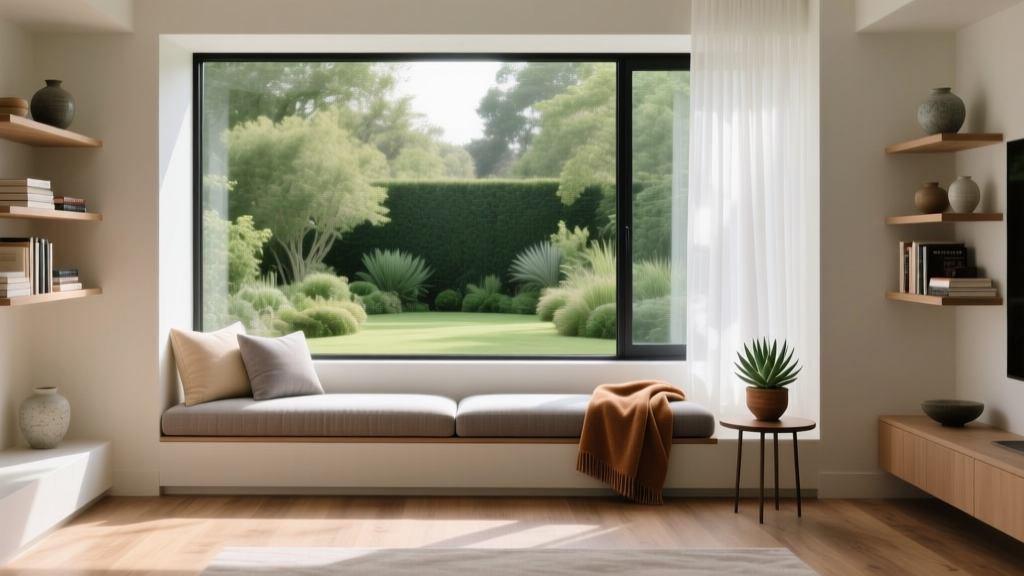 Living Room Window Seat Ideas - The Decor Mag
 Living Room Organic Modern Style - The Decor Mag
 Best Modular Furniture for Living Rooms (2026)
 Living Room Furniture Scale: How to Choose Right (2026)
 Best Console Styling for Behind Couch - The Decor Mag