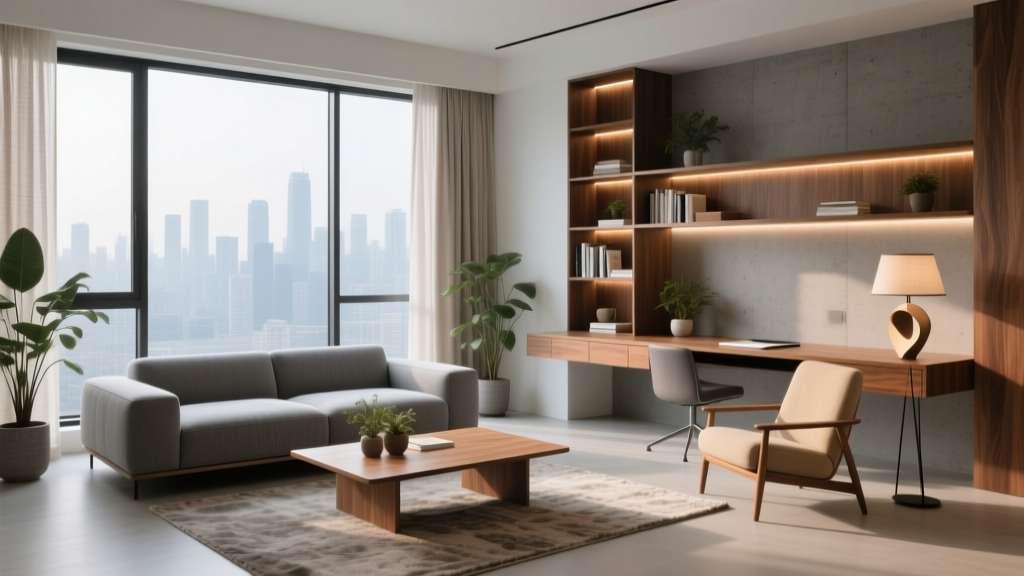
Living Room Home Office Combo Ideas - The Decor Mag
When your living room has to do double duty as a home office, the goal isn’t to cram a desk into a corner and hope for the best. A well-planned living room home office combo can feel calm, stylish, and intentional—supporting focused work hours while still inviting you to relax at night.
This matters more than ever for homeowners and renters alike. Many of us are working hybrid schedules, taking online classes, running side businesses, or managing household logistics from home. The good news: you don’t need a separate room to create a productive workspace. With the right layout, lighting, and storage, you can carve out a “work zone” that looks like it belongs in your living room.
Below you’ll find practical living room office ideas with real measurements, budget ranges, and design strategies—plus common mistakes to avoid and a quick FAQ to help you plan confidently.
Start With a Plan: What Your Living Room Office Needs
Before buying furniture, get clear on how you’ll actually use the space. A laptop for two hours a day needs a different setup than a full-time work-from-home station with dual monitors and video calls.
Quick checklist (measure first)
- Work surface: Standard desk depth is 20–30 inches; width is typically 36–60 inches.
- Clearance behind chair: Allow 30–36 inches if you need to slide out comfortably.
- Screen distance: Aim for 20–30 inches from eyes to monitor; top of screen near eye level.
- Lighting: A task lamp plus ambient lighting reduces eye strain.
- Power: Identify outlet locations; plan cable management early.
- Storage: Plan for paper, chargers, peripherals, and “daily clutter.”
Decide the “visibility level” you want
Some people want their home office to disappear after 5 p.m. Others like a beautiful desk moment that complements the decor. Knowing your preference will guide whether you choose concealed storage, a secretary desk, or a statement workstation.
Layout Ideas That Actually Work in Real Homes
These living room layout strategies help you fit a workspace without ruining the flow. Choose one based on your room shape, natural light, and how often you host guests.
1) The “Desk Behind the Sofa” Office
If your sofa floats in the room (not pushed against a wall), the space behind it can become an office zone that feels intentional rather than wedged in.
- Best for: Open-plan living rooms, long rectangular rooms
- Ideal desk: 12–18 inches deep console-style desk or narrow writing desk
- Pro tip: Keep 36 inches of circulation path behind the sofa if that’s a main walkway.
Real-world scenario: A renter in a 650 sq ft apartment places a 48-inch slim desk behind a loveseat, adds a plug-in sconce above, and uses a storage ottoman nearby for printer paper and cables. The desk reads like a console table from the living area—work essentials tuck into baskets underneath.
2) The Corner Command Center
Turning a neglected corner into a compact office is one of the simplest living room office solutions. It works especially well when you create a “frame” with a rug, art, or shelving.
- Best for: Square living rooms, awkward corners, small spaces
- Desk size: 36–48 inches wide; consider a corner desk if you need more surface area
- Lighting: Add a floor lamp or wall-mounted task light to avoid taking up desk space
3) The Window-Facing Workstation
Natural light is a productivity booster, and a window-adjacent desk can look beautiful—if glare is handled properly.
- Best for: Daytime work, writing, creative tasks
- Glare fix: Use sheer curtains + blackout panels or light-filtering roller shades
- Video call tip: Face the window for flattering light; avoid having a bright window behind you.
Materials to consider: If the window area gets direct sun, choose a desk top in laminate, sealed wood, or powder-coated metal that won’t easily fade or warp.
4) The “Built-In Look” With Modular Shelving
Modular systems (like wall standards and adjustable shelves) are a renter-friendly way to get a custom vibe. Pair shelving with a desk-height surface to create a cohesive work nook.
- Best for: People who need storage, small living rooms where every inch counts
- Measurements: Install shelves 12–15 inches deep for books and bins; leave 18–20 inches vertical clearance above the desk surface
- Style tip: Mix closed bins with open shelves to keep the living room feeling serene.
5) The “Office That Disappears” (Secretary Desk or Cabinet Desk)
If you want your living room to look like a living room most of the time, concealment is your friend. Secretary desks, fold-down wall desks, and cabinet desks allow you to shut the door on visual clutter.
- Best for: Small apartments, shared living spaces, minimalist decor
- What to look for: Interior cable cutouts, adjustable shelves, sturdy hinges
- Budget range: $200–$800 for most options; higher for solid wood or custom
Design Moves That Make the Combo Feel Intentional
Use zoning to separate “work” from “lounge”
Zoning is the secret to making a living room office combo feel polished. You’re signaling that two functions live here—without visual chaos.
- Rug zoning: Add a small rug under the desk area (3' x 5' or 4' x 6') to define the office zone.
- Wall color or wallpaper: A painted rectangle or peel-and-stick wallpaper behind the desk creates a clear boundary.
- Room divider ideas: Open bookcase, slatted wood screen, curtain track on the ceiling, or even a tall plant.
Choose a desk and chair that match your living room decor
The best living room home office furniture blends in. Think of your desk like another piece of living room furniture—finish, scale, and style matter.
- Modern living rooms: Light oak, matte black, or clean white desks; slim profiles.
- Traditional spaces: Warm walnut, antique brass hardware, classic silhouettes.
- Cozy/organic modern: Cane-front storage, rounded edges, linen textures.
Chair tip: If you hate the look of a bulky office chair, choose an upholstered task chair with a supportive seat. Aim for 17–20 inches seat height and add a small lumbar pillow if needed.
Layer lighting like a designer (and protect your eyes)
Relying on a single overhead light makes work feel harsh and the room feel flat. Layered lighting is both on-trend and timeless.
- Ambient: Floor lamp or table lamps for overall warmth
- Task: Adjustable desk lamp (aim for 400–800 lumens)
- Accent: Picture light, plug-in sconce, or LED strip under shelves
Bulb recommendation: Use 2700K–3000K for living room warmth; if you work late and need focus, a task lamp with 3500K–4000K can help without turning the whole room icy.
Make cable management part of the decor plan
Visible cords are the fastest way to make a living room office combo feel messy. A few inexpensive tools go a long way.
- Must-haves: adhesive cable clips, cable sleeve, under-desk cable tray, and a power strip with a 6–10 ft cord
- Placement tip: Mount the power strip under the desk to keep the floor clear.
- Budget: $20–$60 can dramatically improve the look.
Product Recommendations by Budget (Practical, Not Fussy)
Budget-friendly ($100–$400)
- Narrow writing desk: 40–48 inches wide, 20 inches deep; look for metal frames and laminate tops for durability.
- Comfortable task chair: Upholstered seat with adjustable height; consider adding a seat cushion for long work sessions.
- Storage: Two lidded baskets or fabric bins to hide supplies on open shelving.
Mid-range ($400–$1,200)
- Desk with drawers: Great for keeping the surface clear; aim for soft-close if possible.
- Ergonomic chair that looks residential: A streamlined ergonomic chair in a neutral tone can blend beautifully.
- Lighting upgrades: Plug-in sconce + dimmable floor lamp for layered light.
Investment ($1,200–$3,500+)
- Custom built-in or modular wall system: Creates a seamless living room design and boosts storage.
- Solid wood desk: Long-lasting and timeless; consider oak or walnut with a durable finish.
- High-quality office chair: Worth it for full-time WFH comfort—choose a color that suits your living room palette.
Step-by-Step: Set Up a Living Room Office Corner in One Weekend
- Measure your target area. Mark the footprint with painter’s tape: desk width, desk depth, and chair clearance (plan for 30 inches behind the chair).
- Pick your backdrop. Hang one large piece of art, add a pinboard, or apply peel-and-stick wallpaper to define the zone.
- Add the desk and lighting. Place the desk so you can access outlets easily; set task lighting on the opposite side of your writing hand to reduce shadows.
- Build “closed storage.” Use a small cabinet, lidded boxes, or baskets so work items can disappear quickly.
- Finish with comfort. Add a small rug, a footrest (even a low stool works), and a plant for softness.
- Create an end-of-day reset routine. Keep a tray or drawer for laptop, charger, and notebook so you can clear the surface in under two minutes.
Real-World Combo Setups (From Small Apartments to Family Homes)
The studio apartment “quiet zone”
A 38-inch wall-mounted fold-down desk paired with a stackable chair creates a workspace that disappears. The living area stays open for guests, and a single floating shelf above the desk holds a router and decor objects. Budget: $250–$700.
The family living room work nook
A homeowner places a 60-inch desk along one wall with a tall cabinet beside it for office supplies and kids’ homework materials. The key: matching the cabinet finish to the TV console so the room feels cohesive. Add a tray for pens and a labeled file box for each family member. Budget: $700–$2,000.
The “Zoom-ready” setup in a rental
A renter builds a video-call-friendly corner using a neutral curtain panel on a tension rod as a soft backdrop. A plug-in sconce provides flattering light, and a small sideboard stores tech. The result: a professional background without permanent changes. Budget: $200–$900.
Common Mistakes to Avoid (and What to Do Instead)
- Mistake: Choosing a desk that’s too deep.
Do instead: In tight living rooms, choose 16–20 inch depth to keep walkways open. - Mistake: Letting cords sprawl across the floor.
Do instead: Use an under-desk tray and route cables down one leg; hide the surge protector. - Mistake: Working from the sofa as your “default.”
Do instead: Even a compact desk setup improves posture and focus—your back will thank you. - Mistake: Overloading shelves with office clutter.
Do instead: Keep 30–40% of shelving visually “empty” and use closed bins for small items. - Mistake: Ignoring lighting.
Do instead: Add a dedicated task light and make sure your screen isn’t facing harsh glare. - Mistake: Mixing too many styles.
Do instead: Repeat finishes (wood tone, metal color, upholstery) so the office area feels like part of the living room design.
FAQ: Living Room Home Office Combo Ideas
How do I hide my home office in the living room?
Use a secretary desk, cabinet desk, or storage ottoman to conceal supplies. Add lidded boxes, a catch-all tray, and a routine: close the laptop, tuck cords into a box, clear the surface nightly.
What’s the smallest desk size that still works for real productivity?
For a laptop-only setup, aim for at least 30–36 inches wide and 18–20 inches deep. If you use a monitor, 48 inches wide is more comfortable.
Where should I put a desk in a small living room?
Try behind the sofa, in a corner, or along a wall that’s not your main focal point (often the TV wall). Keep at least 30 inches of clearance for paths and chair movement.
How can I make the office area match my living room decor?
Match one or two finishes already in the room (wood tone, black metal, brass). Use a chair that looks upholstered and residential, and add decor that belongs in a living room—art, a plant, a warm lamp—so it doesn’t feel like a corporate cubicle.
What are the best colors for a living room office combo?
Warm neutrals and soft earth tones are trending and timeless: creamy whites, greige, clay, muted olive, and warm taupe. If you want contrast, try a deep accent like charcoal, ink blue, or forest green behind the desk for a focused “zone.”
How much should I budget to create a functional living room office nook?
A realistic range is $250–$900 for a desk, chair, lamp, and basic storage. If you’re upgrading ergonomics or adding a modular shelving system, $900–$2,500+ is common.
Your Next Steps: Make It Work and Make It Beautiful
Start by measuring your living room and choosing one layout approach—corner nook, behind-the-sofa desk, or a concealed cabinet setup. Then focus on three upgrades that change everything: a properly sized desk, layered lighting, and closed storage to keep clutter under control. Once those foundations are in place, styling becomes the fun part: art, a plant, a great chair, and a rug that helps your new office zone feel like it truly belongs.
For more living room design and decor inspiration—layout help, trend updates, and space-smart furniture ideas—explore more articles at thedecormag.com.
More Articles
 Best Coffee Table Books for Styling - The Decor Mag
 Living Room Design: Functional + Stylish Framework (2026)
 Outdoor Living Spaces: Design Principles That Work
 Best Ergonomic Reading Furniture Picks (2026)
 Maximalist Living Room Decor Done Right - The Decor Mag
 Best Flooring Options for Living Rooms - The Decor Mag
 Pet-Friendly Flooring Options for Modern Homes
 Living Room Soft Neutral Palette Guide - The Decor Mag
 Living Room for All Ages: Design Tips (2026)
 Living Room Relaxed Sophistication Guide - The Decor Mag