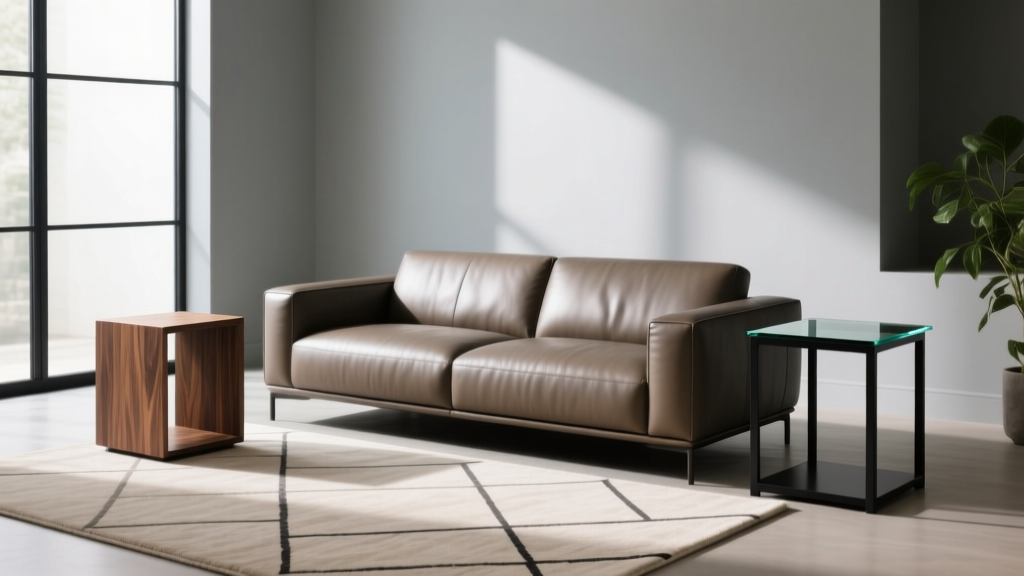
Best End Table Pairings for Sofas - The Decor Mag
The right end table doesn’t just “sit next to” your sofa—it makes the whole living room feel finished. It’s where your morning coffee lands, where a lamp softens the lighting at night, where a stack of books (and maybe a candle) turns a basic seating area into a styled, welcoming space. When the pairing is off, though, the room can feel awkward fast: tables that are too low, too bulky, too delicate for real life, or simply out of scale with the sofa.
This guide breaks down how to choose end tables that look intentional and work hard. You’ll learn the best height and size rules, how to match shapes and materials to your sofa style, what current living room design trends are worth trying, and what timeless principles will keep your space from feeling dated. You’ll also find real-world scenarios, budget ranges, and common mistakes to avoid—so you can pick end tables that fit your room, your lifestyle, and your design goals.
Start With the Non-Negotiables: Size, Height, and Clearance
End Table Height: The Rule That Saves You Every Time
The most comfortable end table is one you can use without leaning or reaching. Aim for an end table height that’s level with the sofa seat cushion or up to 2 inches higher.
- Ideal end table height: Sofa seat height to +2 inches
- Typical sofa seat height: 17–19 inches (some modern sofas run 15–17 inches; some traditional styles hit 20 inches)
- Great end table height range for most living rooms: 18–22 inches
Quick check: Sit on your sofa and let your arm relax naturally at your side. Your end table surface should be about where your hand falls.
Width and Depth: Keep It Proportional
End table dimensions should reflect the visual “weight” of your sofa arm and the scale of your room.
- For standard sofas (72–90 inches long): 18–24 inches wide is usually a safe zone
- For sectionals or deep sofas: 22–28 inches wide can look more balanced
- Depth guideline: Similar to width; avoid tables so deep they block walkways
If you have a bulky rolled-arm or track-arm sofa, a slightly larger end table prevents the arm from overpowering it. For a slender modern sofa, a lighter, more open table keeps the look airy.
Clearance: Make the Room Easy to Live In
Even a gorgeous end table fails if you’re bumping into it daily.
- Gap between sofa and end table: 1–3 inches (close enough to reach, not so tight it scrapes)
- Main walkway clearance: 30–36 inches where possible
- Tight spaces: 24–30 inches can work in apartments if traffic flow is light
Match the End Table to Your Sofa Style (Without Being Too “Matchy”)
Modern and Low-Profile Sofas
Modern sofas often have slim arms, clean lines, and lower seat heights. End tables that pair well typically mirror that simplicity.
Best pairings:
- Round pedestal tables (softens sharp lines)
- Metal-and-wood C-tables (especially for small spaces)
- Open-frame tables in black steel or brushed brass
Material recommendations: light oak, walnut veneer, matte black metal, smoked glass, or stone-look tops. Warm metals (brass/bronze) are trending and pair beautifully with neutral upholstery.
Budget range: $90–$350 per table for solid “everyday” options; $400–$900 for higher-end wood/metal craftsmanship.
Traditional Sofas (Rolled Arms, Tufting, Classic Silhouettes)
Traditional sofas have presence—so your end table should bring substance and a sense of polish.
Best pairings:
- Square or rectangular wood end tables with a drawer
- Turned-leg tables (for classic charm)
- Stone-top tables (marble or faux marble) for an elevated look
Material recommendations: medium-to-dark woods (walnut, mahogany tones), travertine, marble, antiqued brass hardware. A small drawer is a timeless win for hiding remotes and matches.
Budget range: $150–$500 for wood tables with storage; $600–$1,200 for solid wood or real stone tops.
Mid-Century Modern Sofas
With tapered legs and structured shapes, mid-century sofas love end tables that echo the era—without turning the living room into a time capsule.
Best pairings:
- Walnut end tables with a shelf (classic MCM)
- Round tables with sculptural bases
- Mixed materials like wood + cane or wood + metal
Trend watch: cane/rattan accents are still popular, especially for renters who want texture without heavy visual weight.
Budget range: $120–$450 for veneer/engineered wood; $500–$1,000 for solid walnut or artisan pieces.
Slipcovered, Coastal, or Relaxed “Lived-In” Sofas
These sofas are casual and inviting, so end tables should feel easygoing—durable, textural, and not overly formal.
Best pairings:
- White oak or light wood tables
- Woven rattan side tables (especially as an accent piece)
- Drum tables in bleached wood or textured finishes
Material recommendations: sealed wood, woven natural fibers with a tray top, or faux travertine for that coastal-luxe look.
Budget range: $80–$300 for woven or simple wood options; $350–$900 for higher-quality light wood pieces.
Choose the Right Shape: Round, Square, Rectangle, or C-Table?
Round End Tables: The Small-Space and Family-Friendly Favorite
Round tables are a go-to for tight living rooms and homes with kids because there are no sharp corners. They also soften boxy sectionals and modern sofas.
Best for:
- Small apartments
- Sectionals with a lot of right angles
- Homes where people walk close to furniture
Square End Tables: Balanced and Classic
Square tables work well with standard sofas and symmetrical layouts. They also tend to offer more usable surface area than round tables.
Best for:
- Traditional or transitional living rooms
- Sofas with wide arms
- Anyone who wants space for a lamp + drinks
Rectangular End Tables: Great When You Need Storage or a Narrow Footprint
A narrow rectangular table can fit beside a sofa in a walkway-heavy room. Choose one with a drawer or shelf for extra function.
Best for:
- Narrow living rooms
- Renters who need flexible storage
- Homes that use end tables for charging stations
C-Tables and Nesting Tables: Flexible, Modern, and Practical
These are among the best end table pairings for sofas when space is limited or you want a flexible setup.
- C-table: Slides under the sofa—ideal for laptops and snacks
- Nesting tables: One table tucks under another—great for entertaining
Budget range: $60–$250 for solid options; $300–$700 for designer-quality materials and finishes.
Material Pairings That Look Expensive (Even on a Budget)
Wood + Upholstered Sofa: The Most Timeless Combo
Wood end tables work with nearly every sofa fabric—linen, velvet, performance fabric, leather. For a current look, light oak and warm walnut are leading the pack.
Pro tip: If your sofa legs are wood, you don’t need an exact match. Aim for a similar undertone (warm vs. cool) rather than the same stain.
Metal + Sofa: A Clean, Modern Contrast
Black metal frames add crisp definition; brass warms up neutrals; chrome feels bold and contemporary (and is reappearing in trend-forward spaces).
Best for: modern living room decor, industrial touches, and small rooms that need visual lightness.
Stone or Faux Stone Tops: Trendy, Durable, and Elevated
Travertine-inspired end tables and marble-look tops are everywhere right now—and for good reason. They instantly upgrade a sofa zone.
- Real stone: heavy, luxurious, higher cost
- Faux stone/sintered stone: often more budget-friendly and stain-resistant
Care note: Real marble and travertine can etch from acidic drinks. Use coasters and consider a sealed finish if you love the look but live hard.
Step-by-Step: How to Pick the Best End Tables for Your Living Room
- Measure your sofa seat height (floor to top of cushion). Target a table within 0–2 inches higher.
- Measure available space next to each sofa arm:
- Width available
- Depth before it hits a walkway
- Nearby outlets/vents
- Decide your “must-have” function:
- Lamp + drink surface
- Storage for remotes
- Charging station
- Flexible pull-up table
- Choose a shape that improves flow (round for tight spaces; square for symmetry; C-table for flexibility).
- Pick a finish that complements your room’s palette. Keep the undertones consistent with your coffee table, hardware, and lighting.
- Style it for real life using the “3-layer formula”:
- Light: lamp or small sconce
- Life: coaster + small tray (daily use)
- Personality: book stack, plant, or sculptural object
Real-World Pairing Scenarios (What Works and Why)
Scenario 1: Small Apartment with a Sectional
The challenge: Limited walking space and a big sofa footprint.
The pairing: One round end table (18–20 inches wide) on the “open” side + one C-table on the chaise side.
Why it works: The round table prevents hip bumps, while the C-table gives you a functional surface without adding bulk.
Scenario 2: Family Living Room with a Deep Sofa
The challenge: Deep seats make reaching low tables uncomfortable; kids need durable materials.
The pairing: Two sturdy square tables (22–26 inches wide) with rounded edges, plus a lower shelf for baskets.
Best materials: sealed wood, performance laminate tops, or sintered stone for wipeable durability.
Scenario 3: Rental Living Room Where You Can’t Replace Overhead Lighting
The challenge: The room feels dim, and overhead light is harsh.
The pairing: End tables with enough surface area for lamps (at least 18 inches wide) and a small drawer for clutter control.
Style tip: Use matching lampshade shapes (even if the tables differ) to create cohesion.
Product Recommendations by Budget (What to Look For)
Rather than one-size-fits-all picks, use these shopping targets to find the best end tables for your sofa and lifestyle.
Budget-Friendly ($60–$200 per table)
- Best types: C-tables, nesting tables, compact round pedestal tables
- Look for: sturdy joints, weighted bases, scratch-resistant finishes
- Avoid: ultra-light tables that wobble when you set down a drink
Mid-Range ($200–$600 per table)
- Best types: wood tables with drawers, metal + stone-look tops, refined silhouettes
- Look for: soft-close drawers, solid wood legs, quality veneers, durable top coatings
Investment ($600–$1,500+ per table)
- Best types: solid wood craftsmanship, real stone tops, artisan or designer pieces
- Look for: hand-finished details, timeless shapes, heirloom-level stability
Common Mistakes to Avoid
- Choosing a table that’s too low. If it’s more than 2–3 inches below the seat height, it will feel awkward.
- Ignoring the sofa arm style. Wide arms can dwarf tiny tables; slim arms can look swallowed by chunky tables.
- Overmatching sets. Matching end tables and coffee table sets can feel flat. Mix materials or shapes while keeping undertones consistent.
- Forgetting lighting needs. If you want a lamp, confirm the tabletop is wide enough and stable enough (and that the cord can reach an outlet).
- Blocking pathways. A beautiful end table isn’t worth daily frustration. Measure clearances before buying.
- Skipping protection. If you’re using real stone or wood, plan for coasters, a tray, or a protective sealant.
FAQ: End Tables and Sofa Pairings
How high should an end table be next to a sofa?
Aim for the same height as the sofa seat cushion or up to 2 inches higher. For most living rooms, that’s roughly 18–22 inches, depending on your sofa.
Should end tables match the coffee table?
They don’t need to match exactly. A more designer-friendly approach is coordination: repeat a finish (like black metal or warm wood) or keep undertones consistent while varying shapes and materials.
Can I use just one end table instead of two?
Yes—especially in small spaces or with sectionals. Balance the look with a floor lamp, a small ottoman, or a slim drink table on the other side.
What’s the best end table shape for a small living room?
Round end tables and C-tables are usually the easiest in tight layouts. Round tables improve flow, while C-tables slide under the sofa to save floor space.
What materials are best if I have kids or pets?
Look for sealed wood, scratch-resistant laminates, sintered stone, and metal frames. Avoid easily etched real marble unless you’re committed to coasters and sealing.
How much space should be between the sofa and end table?
Leave about 1–3 inches. That’s close enough for comfort and prevents rubbing or scuffing when you vacuum or shift cushions.
Your Next Steps: A Simple End Table Upgrade Plan
To get the best end table pairings for your sofa, start with measurements (seat height, available width/depth, walkway clearance), then choose the shape that improves flow, and finish with a material that supports your lifestyle. If you’re stuck between two options, prioritize comfort and function first—height and stability matter more than a perfect finish match.
- Measure sofa seat height and aim for a table within +2 inches.
- Pick a shape that fits your traffic flow (round for tight spaces; square for balance; C-table for flexibility).
- Choose a durable, cohesive finish that complements your living room decor.
- Add a lamp, tray, and one personal accent for a styled-but-livable look.
For more living room design tips, furniture pairings, and decor ideas that make your space feel like home, explore the latest guides on thedecormag.com.
More Articles
 How to Style a Living Room Around a View - The Decor Mag
 How to Style Bookshelves in Your Living Room - The Decor Mag
 Living Room Polished Bohemian Style - The Decor Mag
 Living Room Layered Rug Ideas - The Decor Mag
 How to Mix Patterns in Living Room Decor - The Decor Mag
 Best Display Cabinets for Living Rooms (2026)
 Best Paint Colors for North-Facing Living Rooms (2026)
 Mix Metal Finishes in Living Room Hardware (2026)
 Science-Backed Room Design Principles for 2026
 Smart Function Storage Ideas for Real Living Spaces