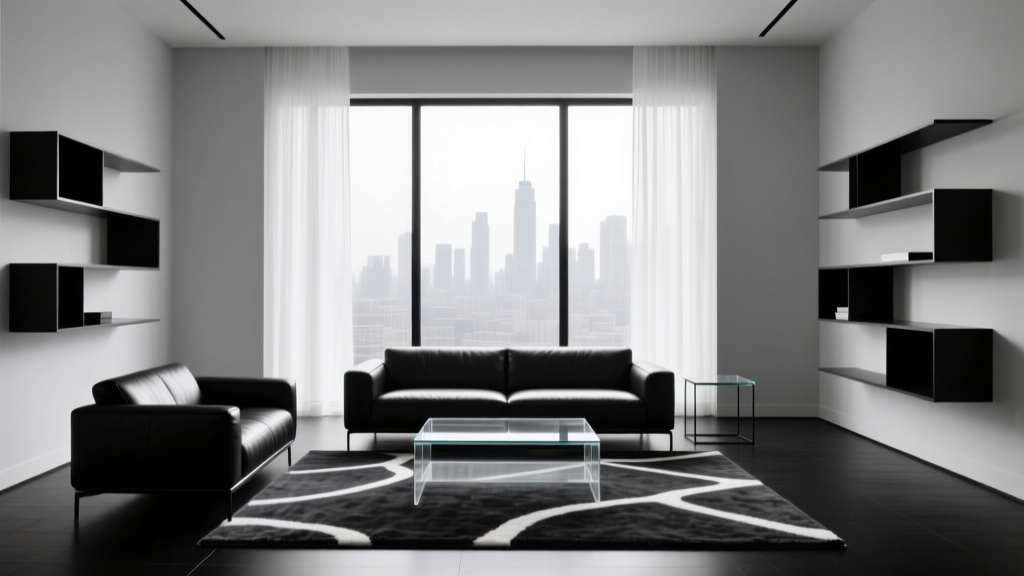
Living Room Black and White Design Scheme - The Decor Mag
A black and white living room is one of those design choices that feels instantly “pulled together.” It’s crisp, graphic, and timeless—yet it can also swing modern, traditional, minimalist, glamorous, or cozy depending on the materials and textures you choose. For homeowners and renters alike, that flexibility makes black-and-white decor a smart foundation: you can evolve the look over time without starting from scratch.
This guide walks you through how to build a black and white design scheme that looks intentional rather than stark. You’ll learn how to balance contrast, pick the right whites and blacks, add warmth with texture and wood tones, and choose furniture, rugs, lighting, and wall treatments that work in real rooms. You’ll also find practical measurements, budget ranges, real-world scenarios, and the most common mistakes that make monochrome spaces feel flat.
Why Black and White Works (and When It Doesn’t)
Black and white is the backbone of many timeless interiors because it creates instant structure: black defines edges and anchors a room, while white opens it up and reflects light. The contrast also highlights shapes—arched mirrors, sculptural lamps, tailored sofas—so your room feels designed even with fewer pieces.
Best situations for a black and white living room
- Small spaces: White walls expand the room visually; black accents add definition without adding clutter.
- Open-plan layouts: A monochrome palette helps your living room connect seamlessly to dining or kitchen areas.
- Rentals: You can rely on removable decor—rugs, curtains, art, pillows—to create a cohesive look without painting.
- Homes with architectural features: Black frames and lighting highlight moldings, fireplaces, and built-ins beautifully.
When it can feel challenging
- Very low natural light: Too much black can make the room feel heavy; you’ll need layered lighting and warmer whites.
- Echo-y, minimal rooms: A high-contrast palette can emphasize emptiness—texture and soft furnishings are essential.
Start with the Right Balance: The 70/20/10 Rule
The easiest way to make black and white decor feel polished is to decide which color is the “field” and which is the “accent.” A simple formula:
- 70%: Your dominant base (often warm white walls, a light rug, or a pale sofa)
- 20%: Secondary color (charcoal, off-black furniture, patterned textiles)
- 10%: Punchy accents (true black frames, hardware, sculptural accessories)
If your living room gets limited daylight, keep white at 70–80% and use black as a clean outline: picture frames, lamp shades, curtain rods, and one anchor piece like a coffee table.
Choose Your Whites and Blacks Like a Pro
Not all whites work together, and blacks vary more than you’d think. Getting the undertones right is what separates a chic monochrome living room from one that looks mismatched.
White paint and fabric undertones
- Warm whites (creamy, slightly beige): flattering in north-facing rooms and spaces with cool daylight.
- Neutral whites (balanced): easiest to pair with both warm woods and cooler metals.
- Cool whites (slightly blue/gray): best in sunny rooms; can feel icy in dim lighting.
Black finishes to consider
- Matte black: modern, soft, hides fingerprints; great for lighting and hardware.
- Satin/eggshell black: a touch of sheen; works well on furniture and trim.
- Charcoal/soft black: a more forgiving “black” that feels warmer and layered.
Quick pairing tip: If your sofa is bright white, consider soft black (charcoal) for larger furniture like a media console. Save true black for smaller, high-impact accents.
Build the Foundation: Walls, Floors, and Rug Strategy
Walls: paint, wallpaper, or contrast trim
If you can paint, white walls are the classic move. For a more current look, consider:
- Black accent wall behind the sofa (best in rooms with good daylight)
- White walls with black trim (high-contrast, architectural, trending in modern traditional homes)
- Black and white wallpaper on one wall for pattern without clutter
Rental-friendly options: peel-and-stick wallpaper, removable mural panels, and oversized art to create a focal wall.
Floors and rugs: sizes that actually work
A black and white rug can anchor the whole living room, but only if it’s sized correctly. Use these guidelines:
- 8' x 10': works for most living rooms; front legs of sofa and chairs should sit on the rug.
- 9' x 12': ideal for larger rooms or open-plan spaces; makes the setup feel intentional.
- 5' x 8': best for compact seating arrangements; avoid if it causes furniture to “float” off the rug.
Material recommendations:
- Wool: durable, naturally stain-resistant; great for high-traffic living rooms.
- Cotton flatweave: budget-friendly and washable, but less plush.
- Performance polyester blends: excellent for pets and kids; look for low-pile options to reduce matting.
Budget ranges: $150–$400 (synthetic), $400–$900 (mid-range wool blends), $900–$2,500+ (premium wool or hand-tufted).
Furniture: Pick One “Hero” Piece and Keep the Rest Supportive
Monochrome rooms look best when one piece leads the story. That might be a tailored white sofa, a black leather armchair, or a sculptural coffee table.
Sofa choices that make a black and white scheme feel livable
- White or ivory sofa: bright and airy; pair with performance fabric if you have kids or pets.
- Charcoal sofa: forgiving and cozy; add white pillows and a light rug to keep the room open.
- Black leather sofa: dramatic and durable; soften with boucle or linen pillows and warm wood accents.
Measurements to keep in mind:
- Leave 14–18 inches between the sofa and coffee table for comfortable movement.
- A coffee table should be about 1/2 to 2/3 the length of the sofa.
- Allow 30–36 inches for main walkways around seating.
Product-style recommendations (by category)
- Coffee table: matte black metal base with a white/veined stone-look top (marble or quartz composite for durability).
- Media console: warm wood with black hardware to prevent the room from feeling too stark.
- Side tables: nesting tables in black metal; easy to move for entertaining.
- Accent chair: white boucle for texture, or black leather for a classic modern edge.
Budget ranges: $250–$800 for a quality coffee table, $400–$1,500 for a media console, $150–$600 per side table, $300–$1,200 for an accent chair.
Texture Is the Secret Ingredient (So It Doesn’t Feel Cold)
The most common complaint about black and white living rooms is that they can feel sterile. The fix is texture—lots of it. Mix materials that absorb light (boucle, wool, linen) with a few reflective surfaces (glass, polished metal) for dimension.
Easy texture layers to add this weekend
- Throw pillows: mix 2–3 textures (linen + boucle + velvet) in black/white/gray.
- Throws: chunky knit in cream, or a black-and-white herringbone blanket.
- Curtains: white linen-look panels with black hardware for contrast.
- Baskets: woven seagrass or rattan for warmth and storage.
Pro styling ratio: If your room is heavily black (dark sofa or wall), go heavier on plush textures in whites and creams to soften the contrast.
Lighting: The Make-or-Break Element in Monochrome Rooms
Black and white design thrives under good lighting. You want layers: ambient, task, and accent. This is also where current trends show up—matte black fixtures, sculptural shapes, and mixed materials (black metal + opal glass).
A simple lighting plan
- Overhead: a semi-flush mount or modern chandelier centered over the seating area (or the room, if it’s small).
- Task: a floor lamp near the sofa (arc or tripod styles work well in black).
- Accent: table lamps, picture lights, or LED strips behind a console for glow.
Bulb guidance: Choose 2700K for a warm, inviting feel. In very bright, modern rooms, 3000K can work, but avoid cooler tones that make whites look harsh.
Add Warmth Without “Breaking” the Black and White Palette
You don’t need to introduce bold color to keep monochrome from feeling flat. Warmth can come from wood tones, greenery, and metal finishes.
- Wood: light oak for airy Scandinavian vibes; walnut for modern traditional depth.
- Metals: brushed brass warms up black and white instantly; polished nickel feels crisp and classic.
- Plants: a tall olive tree or rubber plant adds organic softness and breaks up harsh lines.
- Natural stone: travertine accessories or a marble tray bring timeless character.
Budget-friendly warmth: Add two wood elements (a tray and a small stool, or picture frames and a side table). Even small hits of natural material make a noticeable difference.
Real-World Design Scenarios (So You Can Picture Your Own Room)
Scenario 1: Small rental living room with beige carpet
Goal: Make beige carpet look intentional in a black and white scheme.
- Lay a black-and-white patterned rug (8' x 10' if possible) to visually “reset” the floor.
- Use warm whites (ivory pillows, cream throw) so the beige reads as warm, not dingy.
- Add matte black curtain rods and hang curtains high (2–3 inches below the ceiling) to elongate the walls.
- Choose a wood coffee table with black details to tie everything together.
Scenario 2: Open-plan living room that feels too busy
Goal: Calm the space and create cohesion.
- Use a large neutral rug with a subtle black border to define the living zone.
- Repeat black in three places: lighting, frames, and one furniture piece (like a console).
- Keep patterns limited to one hero pattern (rug or wallpaper), then use solids for the rest.
Scenario 3: Family living room that must be durable
Goal: High style, low stress.
- Pick a sofa in performance fabric (white/ivory is still possible) and add washable covers where available.
- Choose a low-pile rug in a busy black-and-white pattern to camouflage crumbs and pet hair.
- Opt for rounded-edge tables and wipeable finishes (sealed wood, metal, quartz composite).
Common Mistakes to Avoid in Black and White Living Room Decor
- Using only two colors and no texture: this is the fastest route to a flat, clinical look.
- Going too high-contrast everywhere: if the rug, pillows, art, and wallpaper are all bold, the room becomes visually loud. Choose one statement and let other pieces be quieter.
- Ignoring undertones: mixing cool white paint with creamy fabrics (or vice versa) can look accidental.
- Too much black in a dim room: balance with warmer whites, mirrors, and layered lighting.
- Undersized rugs: a rug that’s too small makes even expensive furniture look awkward.
- All matching sets: a monochrome scheme needs variety in shape and finish—mix wood, metal, glass, and textiles.
Step-by-Step: A Simple Weekend Refresh Plan
- Pick your dominant base: decide if your room will be mostly white (bright, airy) or mostly dark (moody, dramatic).
- Anchor with a properly sized rug: aim for 8' x 10' in most rooms.
- Add black in “three points”: for example, a floor lamp, picture frames, and a coffee table base.
- Layer in texture: two pillow textures + one throw + curtains is a strong start.
- Warm it up: add wood (tray, side table) and one plant.
- Edit accessories: group decor in odd numbers (3 or 5) and leave negative space so the contrast feels intentional.
FAQ: Black and White Living Room Design
Will a black and white living room feel too cold?
Not if you build in texture and warmth. Add linen curtains, wool or boucle pillows, a wood coffee table or tray, and warm lighting at 2700K. Those elements keep the palette inviting.
What accent color works best with black and white decor?
If you want a subtle accent, go with warm wood tones, brass, or greenery. If you want a true color pop, muted tones like olive, terracotta, or deep navy feel sophisticated and won’t fight the monochrome base.
How do I choose art for a black and white living room?
Mix black frames with white mats for a clean gallery look, or choose one oversized piece for impact. Abstracts, photography, line drawings, and high-contrast landscapes all work well. Hang the center of the artwork around 57–60 inches from the floor.
Is a white sofa realistic for everyday life?
Yes—if you choose the right upholstery. Look for performance fabric, washable slipcovers, or tightly woven textiles that resist staining. Pair with a patterned black-and-white rug to hide everyday wear.
What’s the easiest way to add black accents without making the room dark?
Use black in thinner “outline” elements: curtain rods, picture frames, lighting, and small decor pieces. Keeping walls and large textiles light preserves brightness while still giving you that tailored contrast.
Next Steps: Make Your Monochrome Living Room Feel Like Home
Start by choosing your dominant base (light or dark), then anchor the room with a correctly sized rug and a clear focal point. From there, layer texture, add warmth through wood and lighting, and edit accessories so the contrast feels intentional. Black and white living room decor isn’t about perfection—it’s about balance.
For more approachable living room design ideas, layout tips, and decor trends you can actually use, explore the latest inspiration on thedecormag.com.
More Articles
 Smart Studio Storage Ideas for 2026
 Living Room Warm Industrial Design - The Decor Mag
 Living Room Jewel Tone Inspiration - The Decor Mag
 Eclectic Living Room Decor Tips - The Decor Mag
 Living Room Color Scheme from Art (2026)
 How to Style a Living Room with Dark Walls - The Decor Mag
 Best Hidden Storage for Living Rooms (2026)
 Best Flooring Options for Living Rooms - The Decor Mag
 How to Create a Formal Living Room - The Decor Mag
 How to Layer Lighting in a Living Room - The Decor Mag