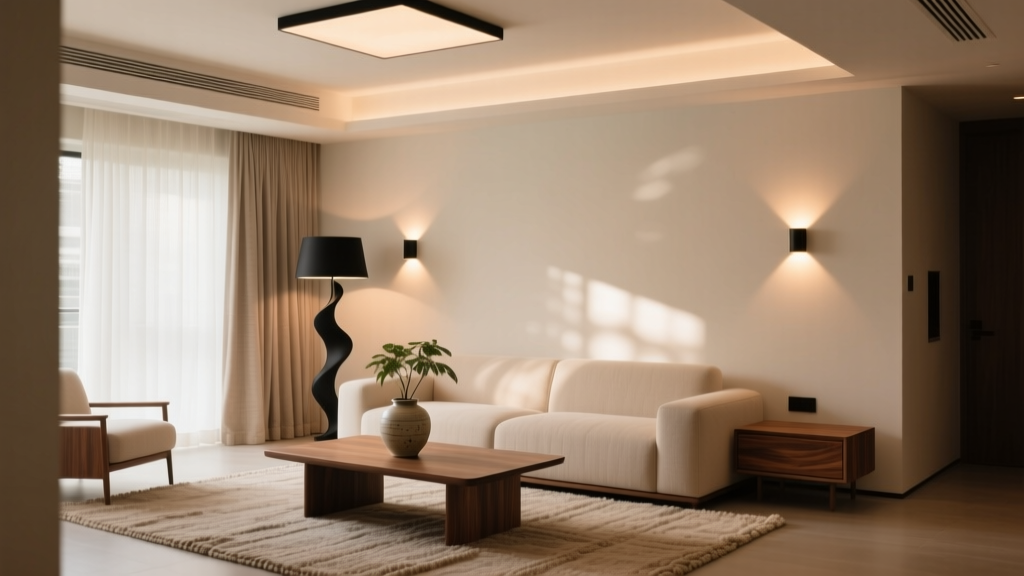
Living Room Lighting for Ambiance (2026)
The living room is where real life happens: winding down after work, hosting friends, movie nights, weekend reading, and those quiet early-morning coffees. Yet even the most beautiful sofa or perfectly styled shelves can feel flat if the lighting is harsh, dim in the wrong places, or limited to a single overhead fixture.
Good living room lighting for ambiance isn’t about buying one “pretty” lamp—it’s about shaping the mood of the room with layers, controlling glare, and balancing function with warmth. This guide will help you choose the right types of lighting, plan placement, pick bulbs and color temperature, and avoid common mistakes. You’ll also get practical measurements, budget ranges, and real-life scenarios to make decisions faster and more confidently.
Start With the Goal: What Does “Ambiance” Mean in Your Living Room?
Ambiance is the feeling your lighting creates—cozy, energized, dramatic, calm, or airy. Before shopping, define how you actually use the space. A living room that’s primarily a TV lounge needs different lighting than one used for entertaining or reading.
Quick “use-case” checklist
- TV and streaming: low-glare, dimmable layers, avoid bright light behind the screen.
- Reading: focused task light near seating (floor lamp or swing-arm wall sconce).
- Entertaining: flexible lighting scenes, warm glow, flattering face light.
- Work-from-sofa moments: adjustable brightness and less shadowing.
- Highlighting decor: accent lighting for art, shelves, and architectural details.
If you’re a renter, the same principles still apply—you’ll simply rely more on plug-in solutions, smart bulbs, and portable lamps rather than hardwired fixtures.
The Golden Rule: Layer Lighting Like a Designer
Designers rarely rely on one central ceiling light. The most inviting living room lighting design typically uses three layers (sometimes four): ambient, task, accent, and decorative. When layered, lighting feels natural and adjustable instead of “on/off.”
1) Ambient lighting (general glow)
This is the base level of light that helps you move comfortably through the room. Ambient lighting can come from:
- Ceiling fixtures (semi-flush, flush mounts, chandeliers)
- Recessed lighting (if already installed)
- Cove lighting or LED strips
- Multiple lamps working together (often best for renters)
Ambiance tip: If your overhead light feels harsh, don’t remove it—control it with a dimmer, a warmer bulb, or a shaded fixture that diffuses light.
2) Task lighting (focused function)
Task lighting prevents eye strain and makes the room more usable without blasting the whole space. Common task lights include:
- Floor lamps next to a sofa or reading chair
- Table lamps on side tables or a console
- Swing-arm wall sconces (hardwired or plug-in)
Placement guideline: For reading, position the bottom of a lampshade roughly 42–48 inches from the floor when seated nearby, and aim the light slightly behind or to the side of your shoulder to reduce glare.
3) Accent lighting (depth and drama)
Accent lighting is what makes a living room feel styled and dimensional. It adds highlights and shadows that create that “magazine” look.
- Picture lights or art lights
- Wall washers (track heads or plug-in options)
- LED strips inside shelving or behind a TV
- Uplights behind plants or in corners
Rule of thumb: Accent lighting is usually about 3x brighter than the surrounding area on the object you want to highlight, but still warm enough to feel inviting.
4) Decorative lighting (the jewelry)
This includes statement pendants, sculptural lamps, or a chandelier that acts as a focal point. Decorative lighting often overlaps with ambient lighting, but its main job is style.
Trend watch: Right now, living room lighting trends lean toward soft curves, natural materials (linen shades, rattan, paper lantern styles), aged metals (antique brass, bronze), and sculptural silhouettes that feel collected rather than overly matching.
Choose the Right Bulbs: Warmth, Brightness, and CRI
The bulb matters as much as the fixture. You can buy a gorgeous lamp and still end up with cold, unflattering light if the bulb is wrong.
Color temperature (Kelvin) for a cozy living room
- 2200K–2700K: warm and relaxing; ideal for most living rooms and evening ambiance.
- 3000K: slightly brighter/cleaner; works in modern spaces or darker rooms that need help.
- 4000K+: generally too cool for living room ambiance (better for garages, utility spaces, some offices).
Brightness (lumens) guidelines
Instead of watts, shop by lumens:
- Table lamp: 400–800 lumens (depending on shade and purpose)
- Floor lamp: 800–1,600 lumens if used for reading
- Ambient total: A common target is 10–20 lumens per square foot for general lighting, then add task and accent where needed.
CRI (Color Rendering Index)
For a living room that makes skin tones, wood, and textiles look rich, choose bulbs with CRI 90+ when possible. It’s a subtle upgrade that feels “designer” immediately.
Dimming: the fastest way to upgrade ambiance
- Use dimmable LED bulbs in as many fixtures as possible.
- If renting, try smart bulbs (Philips Hue, LIFX, or budget-friendly options like Govee) for dimming and scene control without rewiring.
- Look for “warm dim” LEDs that get warmer as they dim—similar to traditional incandescent glow.
Fixture Size and Placement: Practical Measurements That Prevent Regret
Most lighting mistakes come down to scale and placement. Use these designer-approved measurements to get it right the first time.
Table lamp height and shade sizing
- Lamp height: Typically 24–32 inches for side tables beside a sofa.
- Shade bottom height: Aim for eye level when seated (usually 42–48 inches from the floor).
- Shade width: Around 2/3 the height of the lamp base, or wide enough to feel proportional to the table.
Floor lamp placement near seating
- Place the lamp 6–12 inches behind the edge of the sofa or chair for a natural pool of light.
- Arc lamps work best when the shade reaches over the seating area without forcing people to duck—keep the lowest point comfortably above head height.
Ceiling light size (quick formula)
A helpful guideline for choosing a chandelier or ceiling fixture diameter:
- Add the room’s length + width (in feet) and convert to inches for fixture diameter.
- Example: 12 ft + 14 ft = 26 → choose roughly a 26-inch diameter fixture.
Wall sconces
- Mount most sconces around 60–66 inches from the floor to the center of the fixture.
- For plug-in sconces by a reading chair, prioritize comfort and function over strict symmetry.
Materials and Finishes That Create Warmth
Lighting is one of the easiest ways to introduce texture—especially in living room decor where softness and warmth matter.
Shade materials (and the mood they create)
- Linen or cotton: soft diffusion, timeless, works with nearly any style.
- Paper or rice paper: airy, on-trend, beautifully glowy (handle gently).
- Rattan or woven shades: adds pattern and a relaxed, organic feel; best with warm bulbs.
- Opal glass: modern and clean, diffuses light evenly, great for overhead fixtures.
- Metal shades: creates directional light and drama; pair with additional layers to avoid harshness.
Finish trends that feel current (and won’t date quickly)
- Aged brass and antique bronze for warmth
- Matte black for contrast in modern or transitional rooms
- Mixed metals (intentional, not accidental): choose one dominant finish and one accent finish
Step-by-Step: A Simple Lighting Plan You Can Copy
If you want a reliable formula for cozy living room lighting, start here.
- Identify your “seating zone.” That’s where ambiance matters most.
- Add two lamps minimum. A common designer baseline is one table lamp + one floor lamp or two table lamps (depending on layout).
- Make everything dimmable. Use smart bulbs, plug-in dimmers, or a wall dimmer if possible.
- Add one accent light. Try an LED strip on a bookshelf, a picture light, or a small uplight behind a plant.
- Choose a warm temperature. Aim for 2700K (or 2200K for extra cozy).
- Create 2–3 “scenes.” Example:
- Everyday: overhead dimmed to 30% + one lamp
- Entertaining: lamps on + accent lighting + overhead low
- Movie night: accent light only (low) + one lamp behind seating
Real-World Living Room Lighting Scenarios
Scenario 1: Small apartment living room with one overhead light
Problem: The single ceiling fixture makes the room feel flat and glaring at night.
Solution: Use the overhead light only as optional ambient lighting and build the mood with lamps.
- Swap the bulb to 2700K, CRI 90+ and add a plug-in dimmer if the switch isn’t dimmable.
- Add a slim floor lamp (800–1,200 lumens) by the sofa.
- Add a table lamp on a small side table or bookshelf (400–600 lumens).
- Optional: LED strip behind the TV for gentle backlight.
Estimated budget: $120–$400 depending on lamp quality and smart controls.
Scenario 2: Open-plan living room that feels too bright and echo-y
Problem: Too many recessed lights on one switch makes the space feel like a lobby.
Solution: Reduce reliance on overheads and introduce lower, warmer light sources.
- Use two matching table lamps on a console or end tables to create symmetry and softness.
- Add a textured shade (linen or woven) to diffuse light.
- Break up the space with accent lighting on shelves or artwork.
- Consider smart switches or separate zones (even one dimmer helps significantly).
Estimated budget: $250–$900, especially if adding smart dimmers or quality pairs of lamps.
Scenario 3: Dark living room with limited natural light
Problem: The room feels gloomy, but cool bright bulbs make it feel sterile.
Solution: Add more light sources rather than colder light.
- Aim for three or more light sources: overhead + two lamps + one accent.
- Choose 2700K–3000K for enough clarity while staying warm.
- Use lighter lamp shades (white linen, opal glass) to maximize diffusion.
- Place a lamp in a dark corner to eliminate “dead zones.”
Estimated budget: $200–$700 depending on how many fixtures you add.
Product Recommendations (By Category and Budget)
Rather than a single “best” light, look for the right mix. Here are reliable categories to shop for:
Ambient fixtures
- Flush/semi-flush mounts with diffusers (great for lower ceilings): $80–$350
- Statement chandelier for higher ceilings or focal points: $250–$1,200+
- Plug-in swag pendant (renter-friendly): $60–$250
Lamps for warmth and layering
- Table lamps with linen shades: $40–$250 each
- Floor lamp with adjustable arm: $70–$350
- Arc floor lamp for sectional seating zones: $120–$500
Accent lighting
- Battery picture lights (no wiring): $30–$150
- LED strip lights for shelves/TV backlight: $15–$80
- Small uplights for plants/corners: $20–$120
Common Mistakes That Ruin Living Room Ambiance
- Relying on one overhead light. Even a beautiful fixture can’t create depth on its own.
- Choosing cool bulbs (4000K+). They often make living rooms feel clinical and unflattering.
- Ignoring glare and reflections. Bare bulbs, shiny finishes, and wrong placement can cause eye fatigue—especially near TVs.
- Buying lamps that are the wrong scale. Too small looks skimpy; too large overwhelms side tables and seating.
- Forgetting dimmers. Without dimming, you lose the ability to shift the mood from day to night.
- Not lighting the corners. Dark corners flatten the room; a single corner lamp can make the entire space feel larger.
FAQ: Living Room Lighting for Ambiance
What is the best color temperature for living room lighting?
For most living rooms, 2700K hits the sweet spot—warm, flattering, and cozy. If you want an extra-soft glow at night, try 2200K–2400K in accent lamps.
How many lamps should a living room have?
A practical minimum is two (for example, a table lamp and a floor lamp). Medium to large living rooms often feel best with three to five light sources total when you include accent lighting.
Should living room lights all match?
No—and matching too much can look like a showroom. Aim for a consistent thread (warm metals, similar shade shapes, or a shared style), but mix pieces so the room feels collected.
How do I light a living room with no ceiling light?
Use a layered plug-in approach: two table lamps (or one table lamp and one floor lamp) plus one accent light (LED strip on shelves, uplight in a corner). A plug-in swag pendant can also add overhead-style ambiance without wiring.
What lighting is best for a living room with a TV?
Use soft, indirect light to reduce eye strain: a lamp behind seating, a dimmable floor lamp off to the side, and a low-level TV backlight (LED strip) to minimize screen glare.
Are smart bulbs worth it for ambiance?
If you want easy dimming, schedules, and lighting “scenes” without rewiring, smart bulbs are one of the most impactful upgrades—especially for renters. Choose warm, high-CRI options when possible.
Next Steps: A Simple Plan for Tonight
If you want better ambiance quickly, do this in order:
- Replace bulbs with 2700K, CRI 90+ (start with the lamps you use most).
- Add at least one more light source (a table or floor lamp) to reduce reliance on overhead lighting.
- Introduce dimming (smart bulbs or a plug-in dimmer) so you can tailor the mood.
- Add one accent light to create depth—art, shelves, a plant, or a corner.
With a few intentional choices, your living room lighting can feel calm, cozy, and flexible—ready for everyday life and easy entertaining alike.
Want more living room decor ideas? Explore more lighting tips, layout guides, and style inspiration on thedecormag.com.
More Articles
 How to Create a Cozy Winter Living Room - The Decor Mag
 Living Room Entertaining: Design Tips (2026)
 How to Style a Living Room Around a View - The Decor Mag
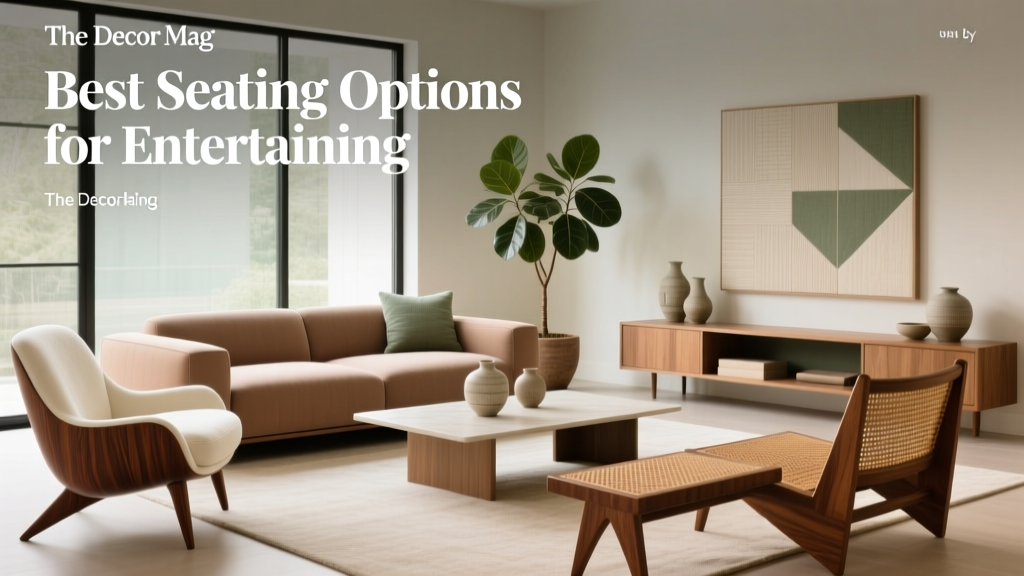 Best Seating Options for Entertaining - The Decor Mag
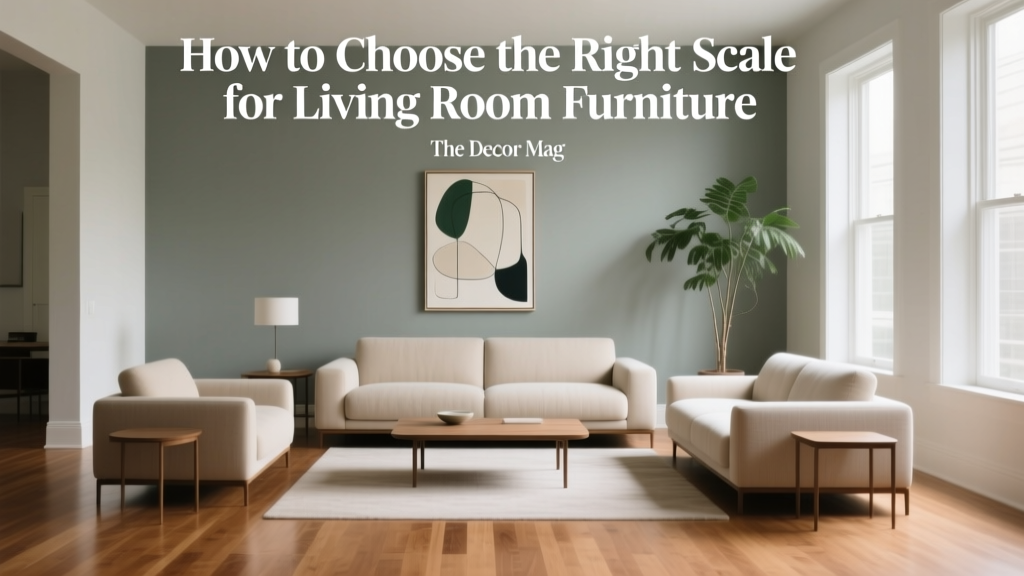 Living Room Furniture Scale: How to Choose Right (2026)
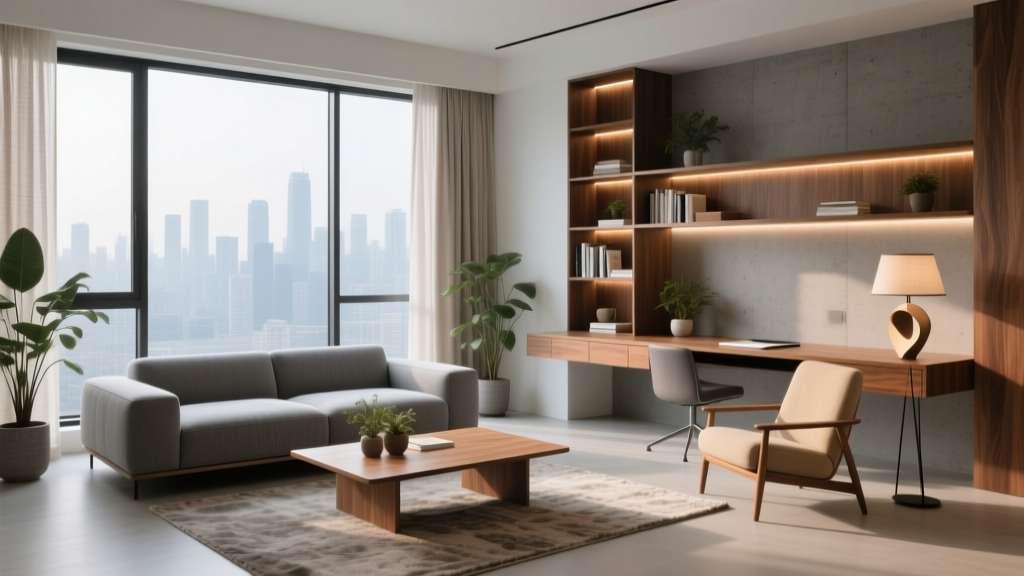 Living Room Home Office Combo Ideas - The Decor Mag
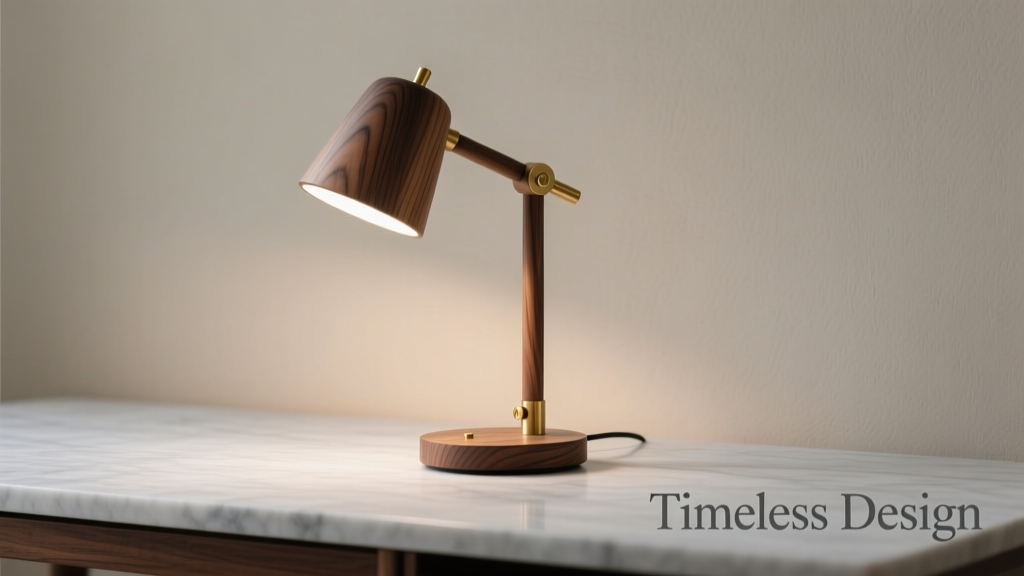 Practical vs Wood Flooring: 2026 Living Room Showdown
 2026 Bedroom Design Toolkit: Practical Planner
 Pet-Proof Sofa Choices for Stylish Homes
 2026 Living Room Bathroom Ideas: Smart & Stylish Hybrids