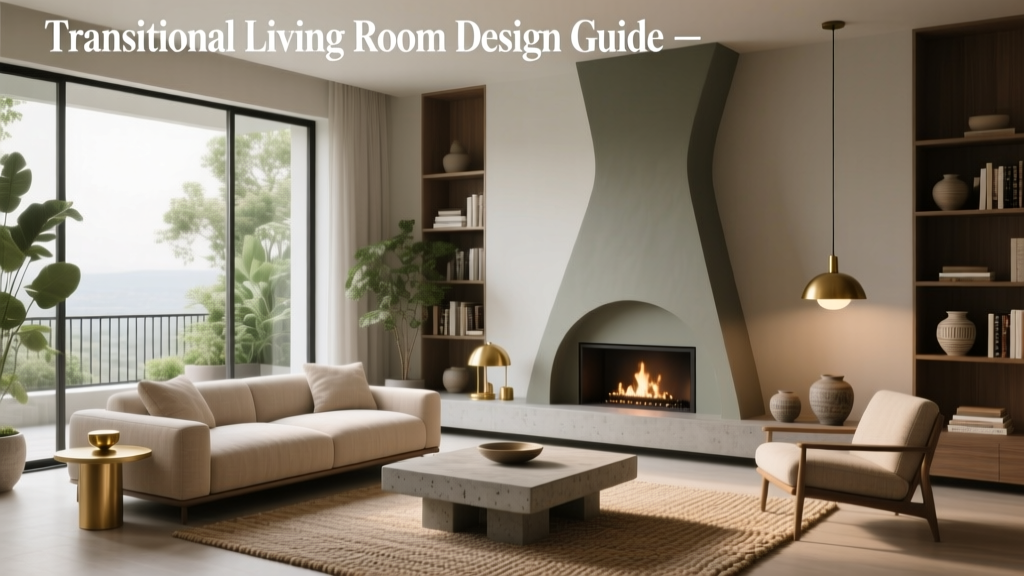
Transitional Living Room Design Guide - The Decor Mag
Transitional style is the sweet spot of living room design: polished but not precious, classic but never dated, modern yet welcoming. If you’ve ever loved the clean lines of contemporary decor but still want the warmth and familiarity of traditional details, transitional is built for you. It’s also one of the easiest styles to live with—especially for families, renters, and anyone who wants a room that looks “pulled together” without feeling like a showroom.
This guide breaks transitional living room design into clear, doable steps. You’ll learn how to choose furniture shapes, mix materials, build a balanced color palette, and layer lighting and textiles for that tailored-but-cozy look. Along the way, you’ll get practical measurements, budget ranges, product recommendations, real-world room scenarios, and a list of common mistakes to avoid—so you can decorate with confidence.
What Is Transitional Style (and Why It Works So Well)?
A transitional living room blends traditional and contemporary design in a way that feels seamless. Think classic silhouettes simplified, modern lines softened, and a focus on comfort and quality materials. It’s less about bold statements and more about refined balance.
Transitional design hallmarks
- Clean, approachable silhouettes: A classic sofa shape with straighter arms, or modern seating warmed up with textured fabrics.
- Neutral-forward palettes: Cream, taupe, warm gray, greige, soft white, and charcoal—often with a muted accent color.
- Mix of materials: Wood + metal, linen + leather, marble/stone + warm textiles.
- Simple, tailored pattern use: Subtle stripes, small geometrics, tone-on-tone prints.
- Thoughtful symmetry: Matching lamps, balanced seating, and a calm sense of order.
Trend meets timeless: Transitional style has embraced current living room trends—curved furniture, warm woods, performance fabrics, and layered lighting—without sacrificing classic principles like proportion and cohesion.
Start with the Foundation: Layout, Measurements, and Flow
Before you pick pillows or paint, get the layout right. A well-planned arrangement is the difference between a living room that looks stylish and one that actually functions.
Key living room measurements (use these as your baseline)
- Walkways: Aim for 30–36 inches for main pathways.
- Distance from sofa to coffee table: 14–18 inches (close enough to reach, far enough to move comfortably).
- Rug sizing: Choose a rug that allows at least the front legs of major seating to sit on it. For most rooms, 8' x 10' or 9' x 12' works better than 5' x 8'.
- TV viewing distance: Rough guide is 1.5–2.5x the screen size in inches (a 65" TV typically likes about 8–13.5 feet depending on preference).
- Side table height: Within 1–2 inches of your sofa arm height.
Step-by-step layout plan
- Anchor the conversation: Decide what the room is about—conversation, TV, fireplace, or a mix.
- Place the largest piece first: Usually the sofa. Float it if it improves flow; transitional rooms often look more designer when furniture isn’t pushed to every wall.
- Add two supporting seats: A pair of armchairs, a chaise, or a loveseat. Symmetry helps transitional spaces feel calm.
- Define with a rug: Size up if you’re debating—an undersized rug is the fastest way to shrink a room visually.
- Finish with tables + lighting: Ensure every seat has a place to set a drink and a light source nearby.
Transitional Color Palettes That Feel Warm, Not Washed Out
Transitional living rooms typically rely on neutrals, but “neutral” doesn’t mean flat. The goal is depth through undertones, texture, and contrast.
3 reliable transitional palettes
- Warm neutral classic: Soft white walls + oatmeal upholstery + warm oak + black accents.
- Greige and charcoal: Greige walls + medium-gray sofa + charcoal accents + brushed brass lighting.
- Soft contrast with color: Cream base + camel leather + muted green (sage/olive) pillows or art.
Paint and finish tips (renter-friendly included)
- Walls: Soft whites and warm greiges complement both traditional wood tones and modern metals.
- Trim: Crisp white trim adds tailored contrast; keep sheen consistent (often eggshell on walls, semi-gloss on trim).
- Renters: Use removable wallpaper on a single wall (linen-look or subtle geometric), or add color through curtains, rugs, and art.
Furniture: The Transitional “Mix” That Looks Intentional
Transitional furniture is about blending shapes: classic comfort with simplified lines. If your living room feels like it’s leaning too traditional or too modern, adjust the silhouette ratio.
Easy rule: 70/30 silhouette balance
- 70% streamlined staples: A clean-lined sofa, simple media console, tailored rug.
- 30% classic character: A traditional-inspired armchair, a turned-leg side table, a framed mirror.
Core pieces and what to look for
- Sofa: Choose a classic shape with modern restraint—track arms, bench seat, or tight back cushions. Depth matters: 34–40 inches works for most households; go deeper if you lounge often.
- Armchairs: A pair adds symmetry. Consider a subtle curve (a current trend) to soften straight lines.
- Coffee table: Transitional favorites include oval wood, rectangular with metal base, or upholstered ottomans with a tray. Target ½ to ⅔ the sofa length.
- Media console: Look for warm wood, reeded details, or simple shaker-style doors. Keep it wider than the TV for balance.
Material recommendations that read transitional
- Upholstery: Performance linen, textured polyester, bouclé (trend-forward), or top-grain leather (timeless).
- Wood: White oak, walnut, or medium-tone finishes. Avoid overly red stains if you want a fresh transitional look.
- Metals: Matte black for crisp contrast; brushed brass for warmth; polished nickel for a classic edge.
- Stone: Marble-look quartz, travertine, or honed finishes that feel understated.
Budget ranges (what to expect)
- Budget: $1,500–$4,000 total refresh (rug + lighting + textiles + a statement chair or coffee table).
- Mid-range: $4,000–$10,000 (new sofa, rug, lighting, tables, plus art and window treatments).
- Investment: $10,000–$25,000+ (custom or higher-end upholstery, casegoods, layered lighting plan, designer-grade rug).
Textiles and Texture: The Secret to a Cozy, Polished Living Room
Transitional rooms shine when they feel layered. If your living room looks “nice” but not “finished,” you likely need more texture and better textile scale.
Rug guidance (sizes, materials, and pile)
- Best sizes for most living rooms: 8' x 10' for smaller spaces; 9' x 12' for open plans.
- Materials: Wool (durable, timeless), wool blends (budget-friendly), performance synthetics for pets/kids, jute/wool blends for texture.
- Pile height: Low-to-medium pile is easiest for coffee tables and daily maintenance.
Pillows and throws that look designer (not cluttered)
- Pillow formula: 2 x 22" on corners + 2 x 20" layered + 1 lumbar (12" x 20" or 14" x 22").
- Fabric mix: Linen + velvet + subtle woven pattern for depth.
- Keep patterns calm: Think pinstripes, small geometrics, or tone-on-tone motifs.
Window treatments: instant upgrade
- Hang high and wide: Mount curtain rods 4–8 inches above the window frame (or near the ceiling) and extend 8–12 inches beyond each side to make windows feel larger.
- Lengths: Aim for panels that just kiss the floor or puddle slightly for a softer look.
- Materials: Linen or linen-look for transitional softness; add a blackout liner for bedrooms-adjacent living rooms.
Lighting: Layered, Warm, and Slightly Sculptural
Lighting is where transitional design becomes truly inviting. A single overhead fixture rarely flatters a living room. Aim for three layers: ambient, task, and accent.
A simple transitional lighting plan
- Ambient: Semi-flush or chandelier with clean lines (warm brass, black, or mixed metal).
- Task: Table lamps on side tables or a floor lamp next to a reading chair.
- Accent: Picture lights, sconces, or a directional lamp aimed at art.
Bulb and color temperature tips
- Kelvin: Choose 2700K for warm, homey light; 3000K if you prefer slightly crisper light.
- CRI: Look for 90+ CRI bulbs so textiles and paint colors read true.
- Dimmers: Add dimmers whenever possible—this is one of the highest-impact, relatively low-cost upgrades.
Decor and Styling: Curated, Not Cold
Transitional decor is intentional and edited. The styling goal is a mix of clean surfaces and meaningful pieces—art that anchors the room, objects with varied heights, and a few natural elements.
Product recommendations that fit transitional living room decor
- Mirrors: Thin black metal frame, arched mirror, or classic beveled rectangle.
- Art: Large-scale abstracts, soft landscapes, black-and-white photography in simple frames.
- Coffee table pieces: A stack of books, a low bowl, a candle, and a small floral arrangement (keep it to 3–5 items).
- Greenery: Olive tree (faux can work), rubber plant, or a vase of eucalyptus for an easy refresh.
- Storage: Lidded baskets, storage ottomans, or closed-door consoles to keep the look streamlined.
Quick styling checklist
- Vary heights (tall vase + medium object + low tray)
- Repeat finishes (black frame in art + black lamp base)
- Use negative space (leave some surfaces intentionally open)
- Mix old and new (a vintage bowl on a modern console looks collected)
Real-World Transitional Living Room Scenarios
Scenario 1: Small apartment living room (renter-friendly)
The challenge: Limited space, neutral rental walls, and a desire for a grown-up look.
The plan:
- Choose a 72–84 inch sofa in a performance fabric (oatmeal or warm gray).
- Add a round coffee table (30–36") to soften tight walkways.
- Use an 8' x 10' rug to make the room feel bigger.
- Hang curtains high (even if the windows are small) for height.
- Bring contrast with black accents: a frame set, a floor lamp, and hardware on a small console.
Budget idea: $1,800–$3,500 depending on whether the sofa is new or existing.
Scenario 2: Open-plan family room with kids and pets
The challenge: Needs to be durable, easy to clean, and still look elevated.
The plan:
- Opt for a sectional in a performance fabric (tight weave, stain-resistant).
- Pick a rug with pattern and variation (low-contrast vintage-style is forgiving).
- Use closed storage: a media console with doors and a large basket for throws and toys.
- Layer lighting with a dimmable overhead + two lamps for cozy evenings.
Materials that work hard: performance chenille, wool-blend rug, matte finishes that don’t show fingerprints.
Scenario 3: Living room with traditional architecture (crown molding, fireplace)
The challenge: You want it current without fighting the home’s character.
The plan:
- Keep classic elements, but simplify furniture silhouettes (track-arm sofa, streamlined chairs).
- Update the fireplace area with a honed stone look or a simple mantel styling moment.
- Use modern lighting (a sculptural chandelier) to bridge old and new.
- Choose art with larger scale to avoid a “formal” feeling.
Common Transitional Living Room Mistakes to Avoid
- Buying a rug that’s too small: If only the coffee table fits, the room will feel disconnected. Size up to anchor the seating.
- Overdoing matchy-matchy sets: Transitional loves balance, but not identical furniture suites. Mix pieces while repeating finishes.
- Sticking to one texture: A room full of smooth surfaces can feel flat. Add nubby textiles, natural wood, and soft drapery.
- Too many accent colors: Transitional rooms look best with one main accent and one supporting tone.
- Ignoring lighting layers: A single overhead light can make even beautiful decor feel harsh.
- Art that’s underscaled: One small frame over a large sofa will feel lost. Consider one large piece or a well-planned gallery wall.
FAQ: Transitional Living Room Design
What’s the difference between transitional and modern farmhouse?
Transitional blends traditional and contemporary with refined finishes and clean lines. Modern farmhouse leans more rustic and casual—think shiplap, distressed wood, and vintage-inspired details. Transitional typically looks more tailored and less themed.
Can transitional style work with bold color?
Yes. Use bold color strategically: a deep navy accent wall, emerald velvet pillows, or a statement artwork. Keep the larger furniture neutral so the room stays flexible over time.
What are the best fabrics for a transitional living room with kids or pets?
Look for performance fabrics (often labeled stain-resistant or easy-clean), tight weaves, and darker or heathered neutrals. Leather and high-quality faux leather can also work well for easy wipe-down maintenance.
How do I make my living room look more transitional without replacing everything?
Start with the highest-impact swaps: a larger rug, updated lighting, new curtain panels hung high, and a cohesive pillow set. Then edit decor—replace overly ornate items with simpler, cleaner-lined accessories.
What metals should I mix in transitional decor?
Two metals is a reliable formula: try matte black + brushed brass, or polished nickel + antique brass. Repeat each finish at least twice (for example: lamp + frame) so it feels intentional.
Is transitional style good for small living rooms?
Very. Transitional style’s clean lines and neutral palette help small rooms feel open, and its focus on comfortable, practical furniture keeps the space functional.
Actionable Next Steps for Your Transitional Living Room
- Measure your room and sketch a simple layout with walkways and seating zones.
- Pick a neutral base palette (warm white/greige + one accent color).
- Choose one anchor piece to set the tone—usually a sofa or rug.
- Layer in texture with curtains, pillows, throws, and a durable rug.
- Upgrade lighting with at least two additional sources and warm bulbs on dimmers.
- Edit and style using a restrained mix of art, greenery, and a few meaningful objects.
Transitional living room design is all about creating a space that feels current, calm, and comfortable—one you’ll still love years from now. For more living room design and decor inspiration, explore fresh ideas, layouts, and trend updates on thedecormag.com.
More Articles
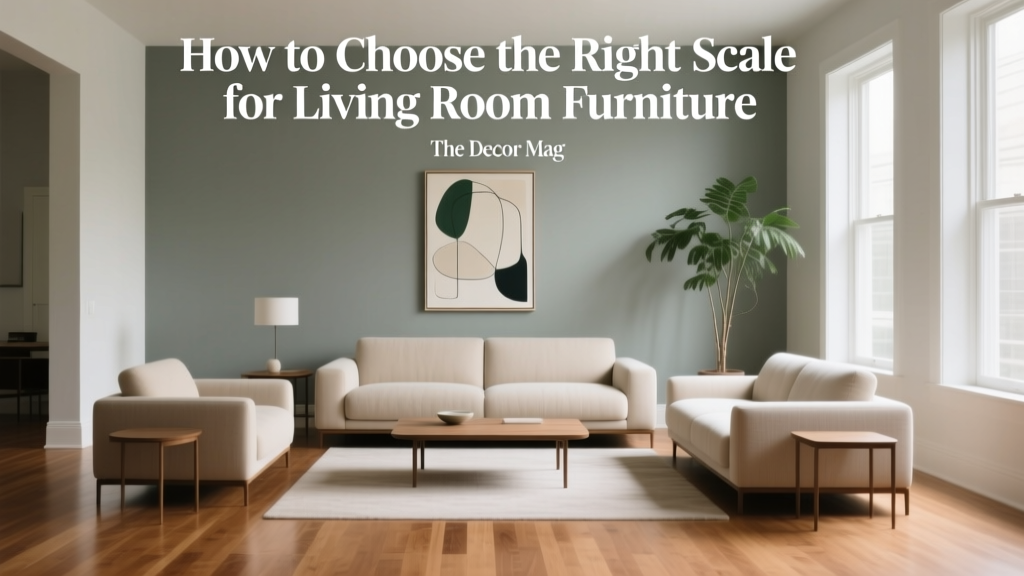 Living Room Furniture Scale: How to Choose Right (2026)
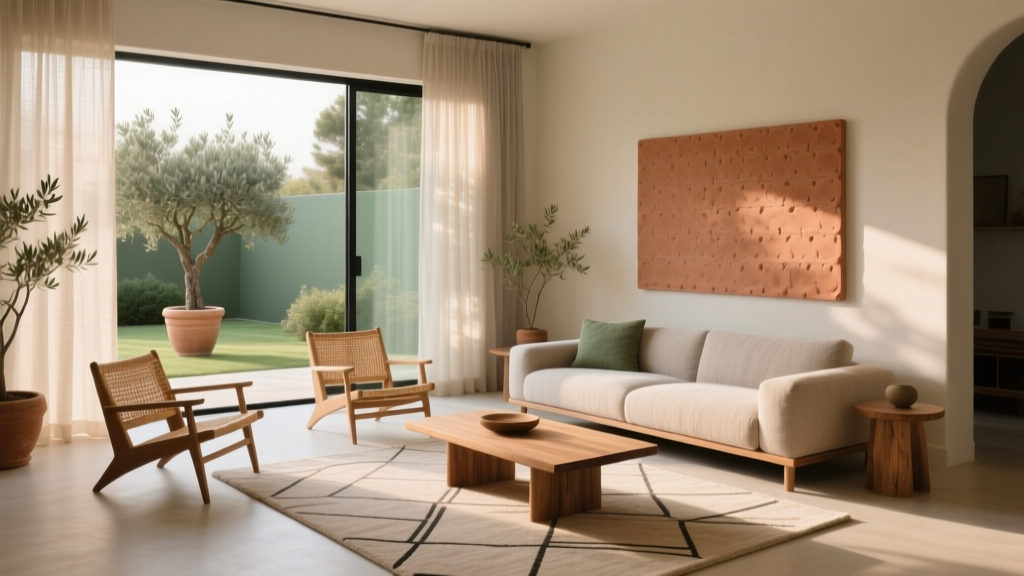 Living Room Earth Tone Color Palettes - The Decor Mag
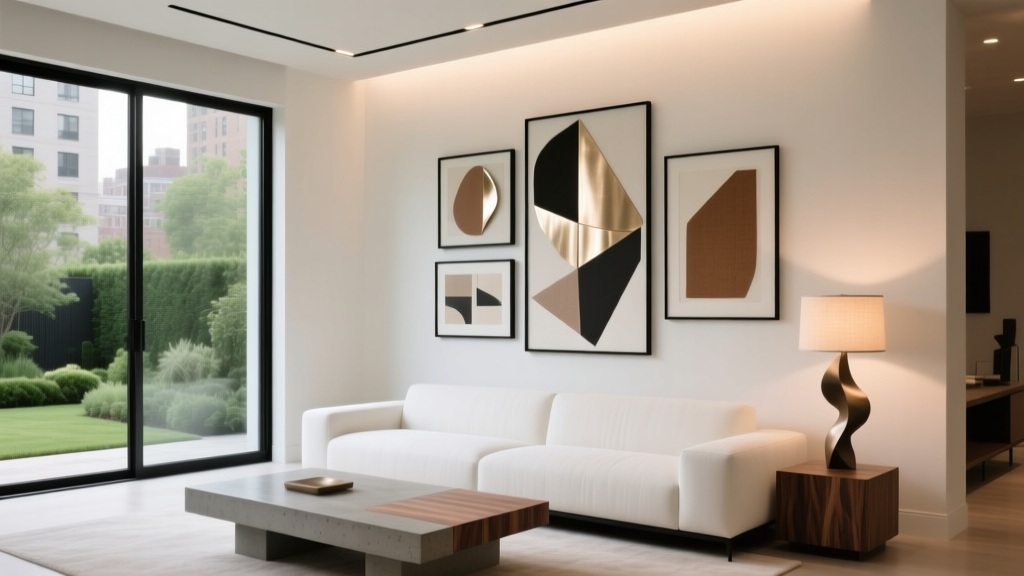 Living Room Contemporary Art Display - The Decor Mag
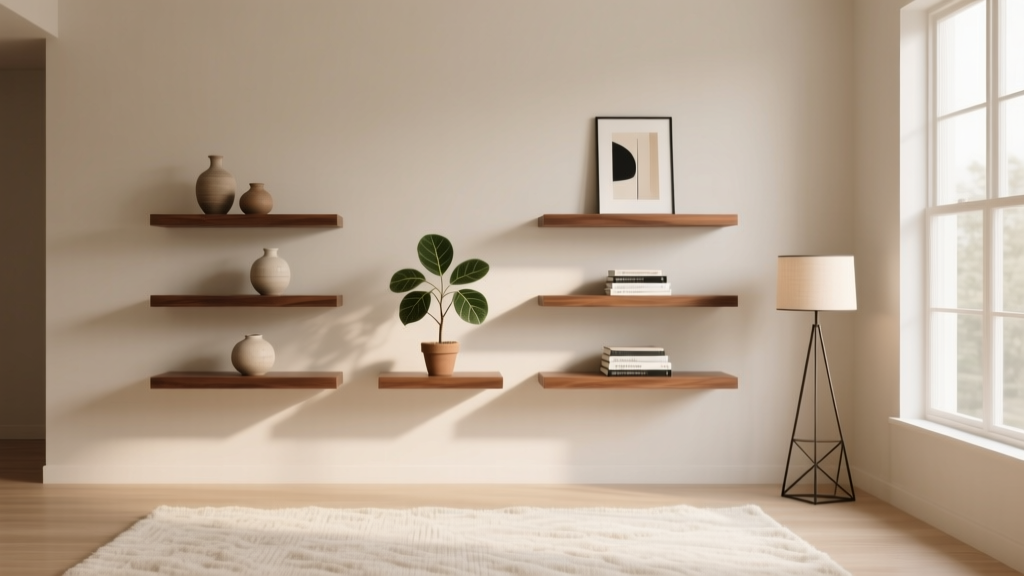 Floating Shelves Living Room Styling (2026)
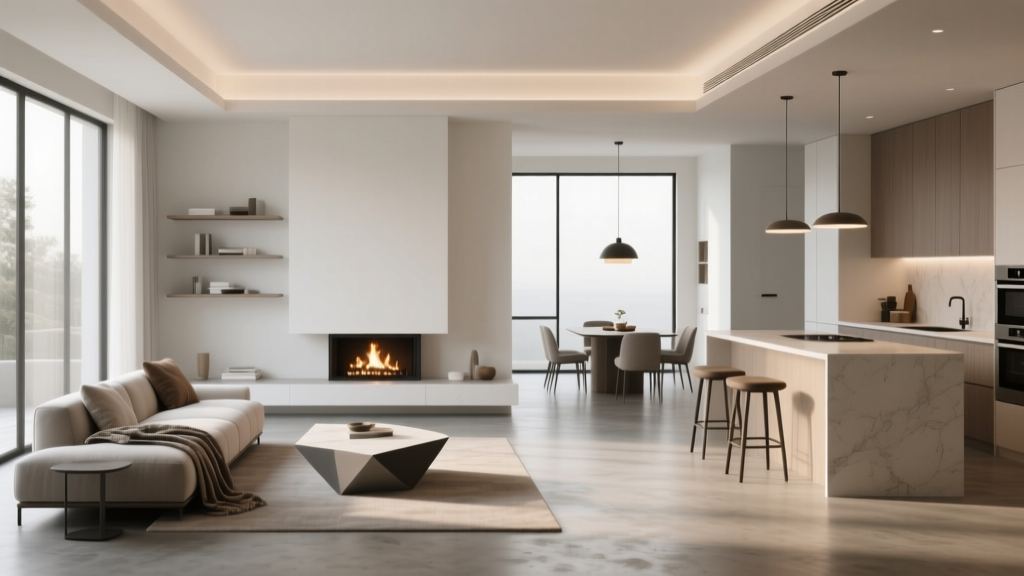 Open Concept Living Room Furniture Arrangement
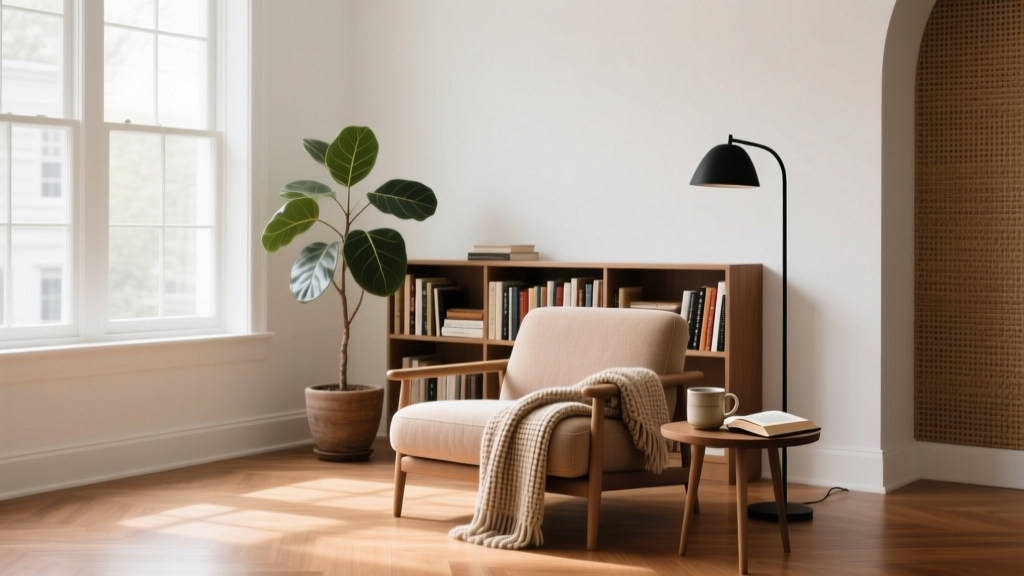 Reading Nook Ideas for Living Rooms (2026)
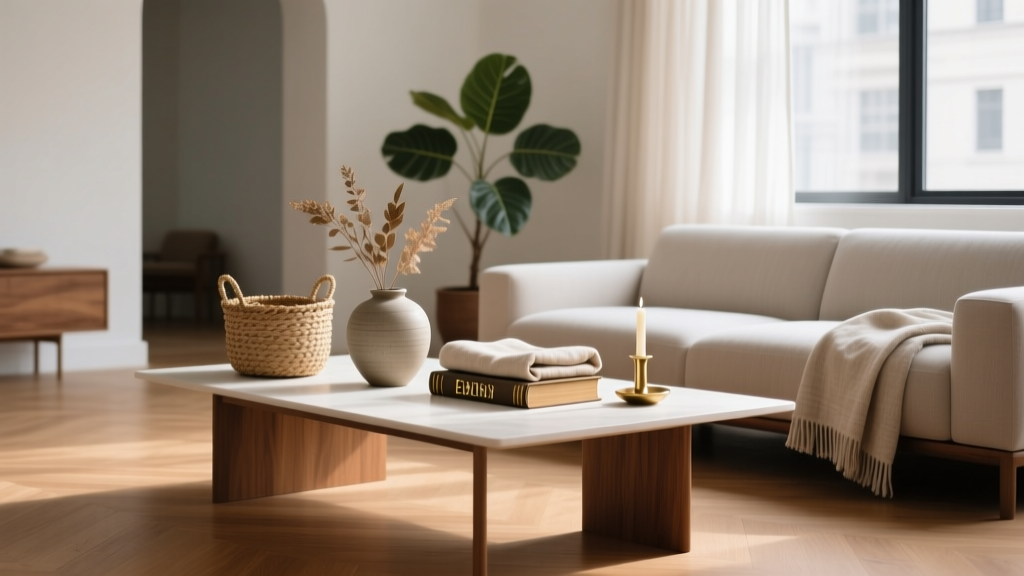 Best Coffee Table Styling Under 5 Objects - The Decor Mag
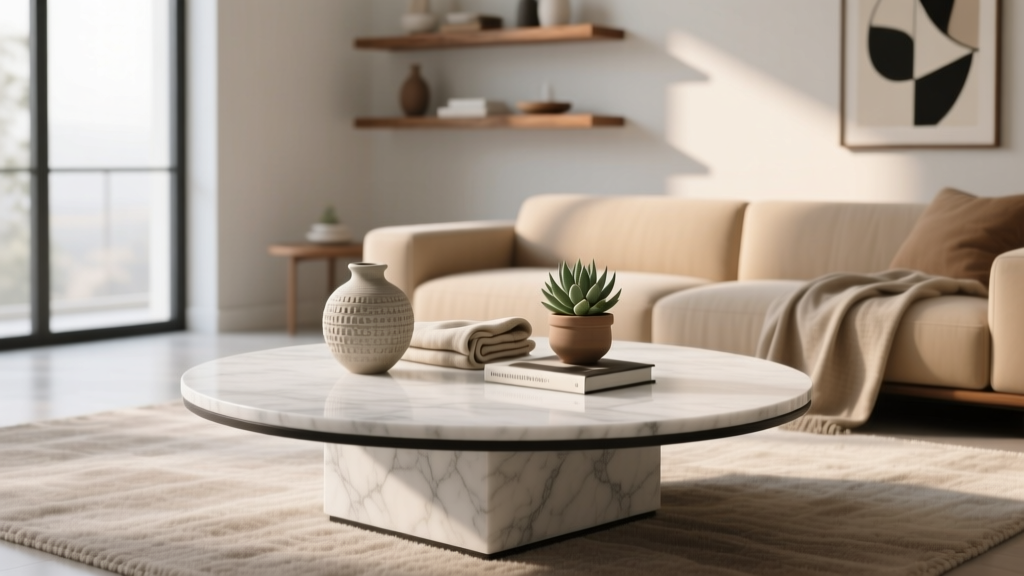 How to Style a Round Coffee Table - The Decor Mag
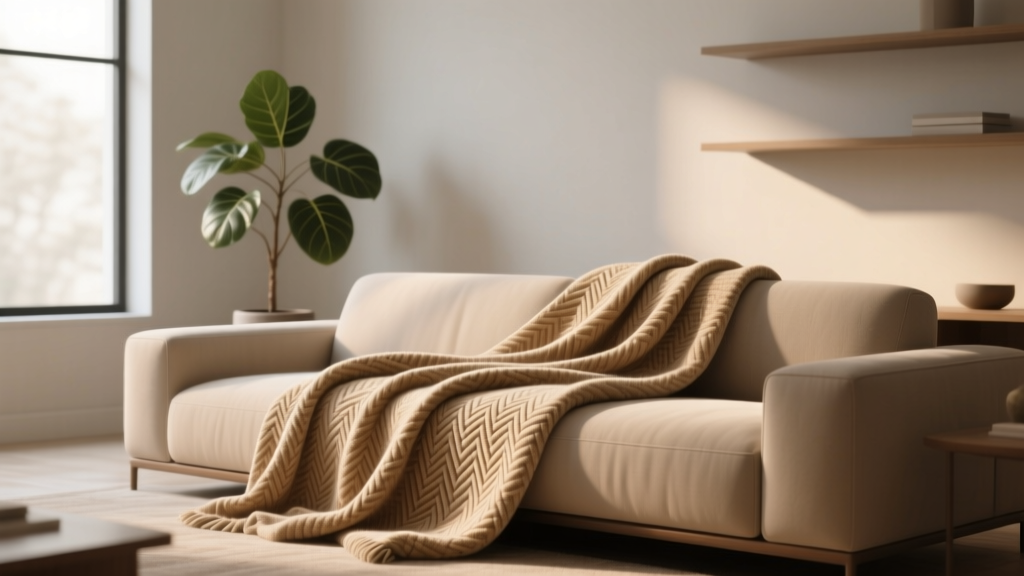 How to Choose the Perfect Throw Blanket - The Decor Mag
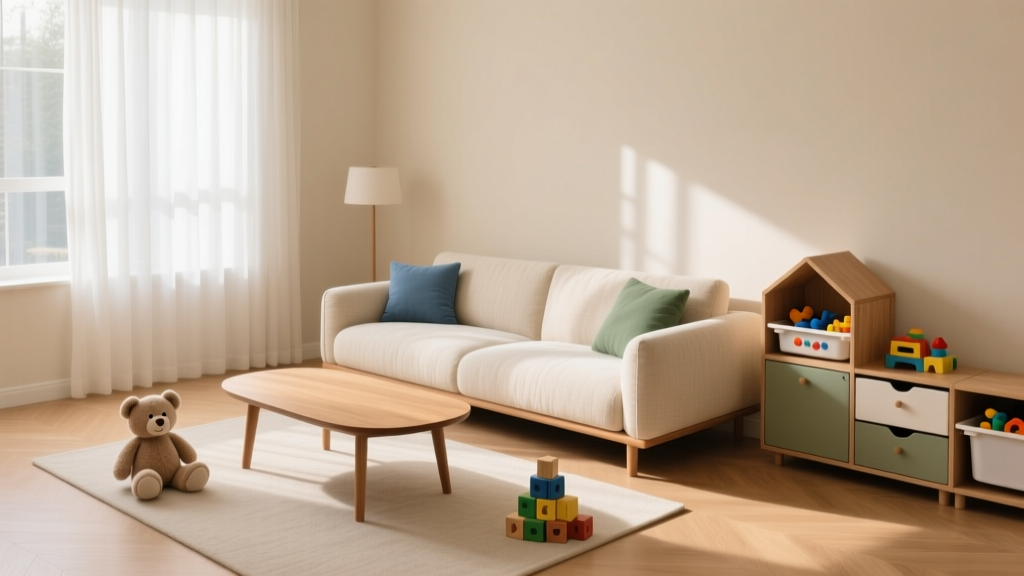 Living Room Furniture with Kids: Smart Picks (2026)