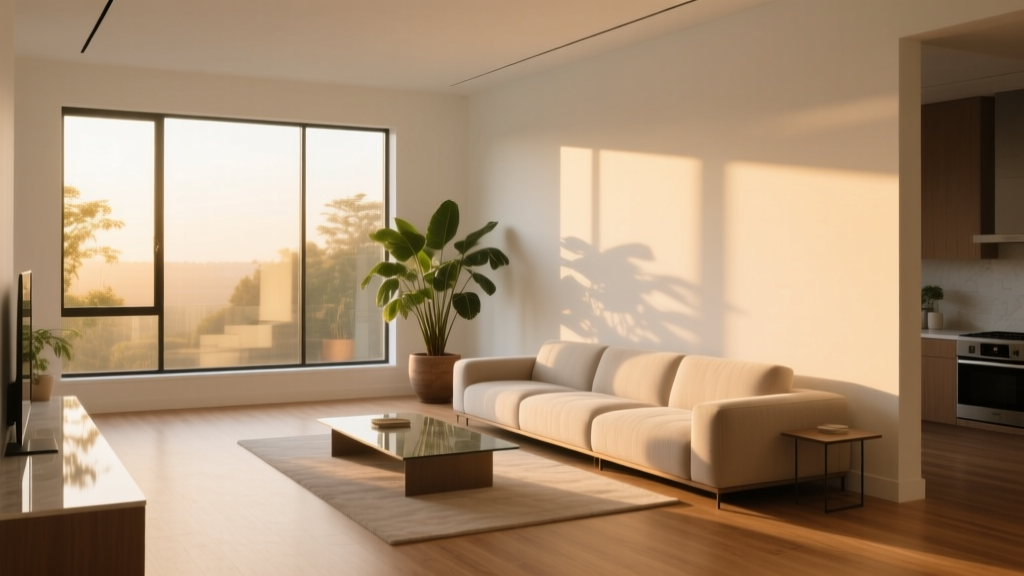
Living Room Natural Light Maximizing Tips - The Decor Mag
Natural light can change the entire mood of a living room—making it feel larger, cleaner, more welcoming, and more “designed” without adding a single piece of furniture. It’s also one of the few upgrades that benefits almost everyone: homeowners who want better resale value, renters who need no-renovation solutions, and anyone craving a brighter daily routine.
If your living room feels dim, flat, or cave-like, the fix usually isn’t one big overhaul. It’s a series of small, strategic decisions: choosing the right window treatments, arranging furniture to stop blocking daylight, selecting reflective finishes, and layering lighting so the room still feels bright after sunset.
Below you’ll find practical, designer-tested ways to maximize living room natural light—complete with measurements, material suggestions, budget ranges, and real-life scenarios you can copy. You’ll also learn the common mistakes that sabotage daylight and what to do instead.
1) Start With a Quick Daylight “Audit”
Before shopping for mirrors or repainting, take 15 minutes to figure out what you’re working with. This helps you spend money where it actually counts.
Checklist: What to Observe (Morning, Midday, Late Afternoon)
- Window direction: South-facing tends to be brightest; north-facing is cooler and softer; east brings morning light; west brings warm late-day light.
- Obstructions: Trees, neighboring buildings, deep porches, heavy drapes, or tall furniture in front of the glass.
- Glare zones: Spots where sunlight hits the TV screen or causes uncomfortable brightness on seating.
- Dark corners: Areas more than 8–10 feet from a window often need reflective help or layered lighting.
- Wall and floor colors: Dark, matte finishes absorb light; lighter finishes reflect it.
Quick win: Clean windows inside and out. It sounds basic, but a surprising amount of light is lost to grime and haze. Budget: $0–$20 if you DIY with a microfiber cloth and streak-free cleaner.
2) Choose Window Treatments That Let Light Work for You
Window treatments are often the #1 reason a living room looks darker than it should. The goal is privacy and softness without blocking daylight.
Best Light-Friendly Options (With Materials and Budgets)
- Sheer curtains (poly-linen, voile, or gauze): Softens harsh sun while maintaining brightness. Budget: $30–$150 per panel.
- Light-filtering roller shades: Clean, modern, and great for renters. Look for 1%–5% openness factors to balance privacy and glow. Budget: $40–$200 per window (more for custom).
- Solar shades: Ideal for glare control (TV rooms) while preserving a view. Budget: $60–$250 per window.
- Top-down/bottom-up cellular shades: Let light in from the top while keeping privacy at eye level. Budget: $80–$300 per window.
Measurements That Make a Big Difference
- Mount curtains high: Place the rod 4–8 inches above the window frame (or halfway to the ceiling for drama). This visually raises the ceiling and makes windows feel larger.
- Go wider than the window: Extend the rod 8–12 inches beyond each side so panels can stack off the glass, letting maximum light in.
- Choose the right length: For a tailored look, curtains should kiss the floor (about 1/2 inch above). For softness, puddle 1–2 inches—best for low-traffic living rooms.
Real-World Scenario
Rental living room with street-facing windows: Use top-down/bottom-up shades for privacy and add airy sheers on a tension rod or damage-free brackets. You’ll get a bright upper band of daylight while keeping the room from feeling exposed.
3) Reposition Furniture to Stop Blocking Daylight
Even the prettiest living room decor can work against you if it interrupts the path of light. The fix is often free: move pieces a few inches (or swap their roles).
Furniture Placement Rules of Thumb
- Keep tall pieces away from windows: Avoid placing bookcases, armoires, or high-back sectionals directly in front of glass.
- Maintain a light “lane”: Try to keep a 24–36 inch buffer in front of key windows when possible (especially on the brightest side of the room).
- Use low-profile seating near windows: Sofas with lower backs (under 34 inches) tend to preserve sightlines and light flow.
- Float furniture: Pull the sofa 3–6 inches off the wall to improve circulation and prevent that boxed-in feel that makes rooms feel dim.
Step-by-Step: A 20-Minute Layout Reset
- Stand at the main window and look inward: identify what blocks the most light.
- Move the tallest item to the darkest wall.
- Shift the seating so no seat has harsh glare directly in the eyes (angle chairs 15–30 degrees if needed).
- Relocate plants that need sun near the window but not in the center of it—use stands or hangers to keep glass clear.
- Re-evaluate: If the room still feels heavy, remove one extra piece temporarily (an accent chair, an ottoman, or a bulky side table).
4) Use Mirrors Strategically (Not Randomly)
Mirrors are a classic interior design move because they’re one of the fastest ways to bounce daylight deeper into a living room. The trick is placement and scale.
Where Mirrors Work Best
- Opposite a window: Maximizes reflection and brightens the room immediately.
- Perpendicular to a window: Softly spreads light across a side wall—great for reducing harsh glare.
- Behind a lamp or near a light source: Doubles the glow in the evening, keeping the “bright room” effect after sunset.
Recommended Sizes and Styles
- Large statement mirror: Aim for 30–48 inches wide for most living rooms; bigger if you have the wall space.
- Leaning floor mirror: 65–75 inches tall can visually expand a narrow living room.
- Frame finishes: Brushed brass, warm oak, black metal, or slim white frames align with current trends while staying timeless.
Budget range: $60–$250 for a quality large mirror (more for designer or antique pieces). For renters, thrift-store mirrors with a DIY frame refresh can look high-end for under $100.
5) Pick Paint Colors and Finishes That Reflect Light
If you want a brighter living room, wall color matters as much as window size. Trending right now: warm whites, creamy neutrals, and soft greiges that keep rooms bright without feeling sterile.
Designer-Friendly Color Strategy
- Light-reflective neutrals: Warm whites, ivory, pale greige, light sand, or a whisper of sage.
- Use finish to control bounce: Choose eggshell or satin on walls for a gentle sheen that reflects more light than flat/matte.
- Brighten the ceiling: A ceiling painted 10–20% brighter than the walls (often a crisp white) makes the room feel taller and airier.
When Dark Colors Still Work
Moody living rooms are a continuing trend, and you can still maximize natural light with them. Use dark paint on one accent wall (ideally the wall opposite the window), keep trim and ceiling light, and add reflective decor. This creates depth without absorbing all the daylight.
Budget range: $40–$80 per gallon for reputable interior paint. Most living rooms need 1–3 gallons depending on size and coverage.
6) Choose Flooring and Rugs That Lift the Room
Floors occupy a huge visual area, and dark flooring can make a living room feel heavier. If you can’t change the floors, a well-chosen rug can dramatically brighten the space.
Light-Boosting Rug Tips
- Color: Cream, oatmeal, light gray, pale taupe, or soft patterned rugs hide wear better than solid white.
- Material: Wool (timeless and durable), wool-blend, or low-pile performance synthetics for high-traffic homes.
- Size matters: For most living rooms, an 8' x 10' is the minimum. If the room is larger or open-plan, consider 9' x 12'. The front legs of the sofa and chairs should sit on the rug.
Budget range: $150–$600 for a solid quality rug; $600–$1,500+ for larger wool rugs or designer patterns.
7) Add Reflective, Light-Friendly Decor (Without Creating Glare)
Think of decor as daylight “multipliers.” The goal is to reflect light gently, not create a room full of shiny hotspots.
Materials That Brighten a Living Room
- Glass and acrylic: Coffee tables, side tables, and decor that visually disappears, helping light travel.
- Metal accents: Brushed brass, polished nickel, and chrome reflect light; brushed finishes are less glare-prone than high-polish.
- Gloss and lacquer (used sparingly): A lacquered tray, vase, or small cabinet front can bounce light beautifully.
- Light woods: Oak, ash, maple, and birch keep things airy and pair well with current “warm minimalism” trends.
Product Recommendations That Typically Deliver
- Glass coffee table (36–48 inches wide for most seating groups): $120–$500
- Metal-framed mirror (black or brass): $80–$300
- Light linen-look curtains: $30–$150 per panel
- White or ivory lamp shades (linen or paper): $20–$80
8) Layer Lighting So the Room Feels Bright Even at Night
Natural light maximizing isn’t only about daytime. If your living room is bright at 2 p.m. but gloomy at 7 p.m., it won’t feel consistently inviting. Lighting is also a key living room design trend right now: sculptural floor lamps, layered table lamps, and warm, dimmable overheads.
A Simple Lighting Formula
- Ambient: Overhead fixture or flush mount (dimmable if possible)
- Task: Reading lamp near the sofa or chair
- Accent: Picture light, wall sconce (plug-in for renters), or LED strip in a bookcase
Bulb Guidance (Practical and Flattering)
- Color temperature: 2700K–3000K for a warm, lived-in glow that complements daylight.
- Lumens: 800–1600 lumens per key lamp depending on room size and shade opacity.
- Dimmers: Worth it for controlling evening mood; plug-in dimmers work for renters.
Budget range: $25–$120 for a good lamp; $8–$20 per quality LED bulb; $15–$40 for a plug-in dimmer.
9) Real-World Room Fixes You Can Copy
Example A: Small Apartment Living Room With One Window
- Swap blackout curtains for light-filtering roller shades + sheers.
- Place a 40-inch mirror on the wall perpendicular to the window.
- Use a glass or acrylic coffee table to keep the center visually open.
- Add two lamps (one table, one floor) with warm bulbs (2700K) to maintain brightness at night.
Estimated budget: $250–$900 depending on mirror size and window treatment choice.
Example B: Suburban Living Room With Glare on the TV
- Install solar shades (3% openness) to cut glare while keeping daylight.
- Angle seating 15–30 degrees instead of facing the window head-on.
- Choose a matte paint finish for the TV wall to reduce reflections.
- Add a large, soft-pattern rug to brighten without increasing glare.
Estimated budget: $300–$1,200 depending on rug and shade sizing.
Example C: Historic Home With Heavy Trim and Dark Floors
- Paint walls a warm white in eggshell; keep trim slightly brighter in satin.
- Use wide curtain rods and stack panels off the glass to show the window.
- Add a 9' x 12' rug in a warm neutral to lift the room.
- Bring in brass accents and a large mirror to bounce light across the trim detail.
Estimated budget: $600–$2,500 depending on rug and paint scope.
Common Mistakes That Make Living Rooms Darker
- Hanging curtains too low and too narrow: This shrinks the window visually and blocks daylight.
- Using blackout panels as the default: Great for bedrooms, often too heavy for living rooms unless you truly need it.
- Placing tall furniture right in front of windows: Especially bookcases and bulky entertainment units.
- Choosing ultra-matte dark paint everywhere: It absorbs light and can make the space feel flat.
- Overdoing glossy finishes: Too much shine can cause glare and feel harsh instead of bright.
- Ignoring evening lighting: A room that only looks good during daytime doesn’t feel consistently comfortable.
FAQ: Living Room Natural Light Maximizing
1) What’s the best curtain color to maximize natural light in a living room?
White, ivory, or very light neutrals work best, especially in sheer or semi-sheer fabrics. If you want more depth, choose a light warm gray or oatmeal linen-look weave that still lets sunlight glow through.
2) Should a mirror face a window?
Often, yes—facing a window is one of the most effective ways to reflect daylight. If you get harsh glare, place the mirror perpendicular to the window instead so it spreads light without bouncing a direct beam.
3) Are sheer curtains enough for privacy?
During the day, sheers usually provide decent privacy while keeping your living room bright. At night, they become more transparent. For street-facing rooms, pair sheers with top-down/bottom-up shades or light-filtering roller shades.
4) What paint finish makes a living room look brighter?
Eggshell or satin on walls typically looks brighter than flat/matte because it reflects more light. For ceilings, a flat ceiling paint is common, but using a brighter ceiling color still helps the room feel airy.
5) How can renters maximize natural light without drilling holes?
Use tension rods, damage-free curtain rod brackets, removable hooks for lightweight curtains, plug-in sconces, and leaning mirrors. Swapping to lighter textiles (rugs, throws, pillows) also makes the space feel brighter without permanent changes.
6) What if my living room barely gets any direct sun?
Focus on reflection and layering: light wall colors, a large mirror, glass/acrylic furniture pieces, and multiple lamps with warm, bright bulbs (2700K–3000K). North-facing rooms can look beautiful with creamy whites and warm woods that prevent the space from feeling cold.
Next Steps: Brighten Your Living Room This Week
If you want the biggest impact with the least effort, start with these three moves: (1) mount your curtain rod higher and wider, (2) relocate anything tall that’s blocking the window, and (3) add one well-placed large mirror. After that, consider paint and layered lighting to keep the room feeling bright all day long.
For more living room design and decor ideas—layout tips, lighting guides, color palettes, and trend-forward updates—explore the latest inspiration on thedecormag.com.
More Articles
 Open Concept Living Room Furniture Arrangement
 Console Table Behind Sofa: Styling Ideas (2026)
 Best Bench Options at the End of a Sofa - The Decor Mag
 Budget-Friendly Smart Organization Ideas for 2026
 Living Room Vintage Decor Finds - The Decor Mag
 Best Seating Options for Entertaining - The Decor Mag
 Living Room Ceiling Design Inspiration - The Decor Mag
 Living Room Warm Industrial Design - The Decor Mag
 Best Small Precision Tools for Modern Living Spaces 2026
 Living Room Warm vs Cool Tone Balancing - The Decor Mag