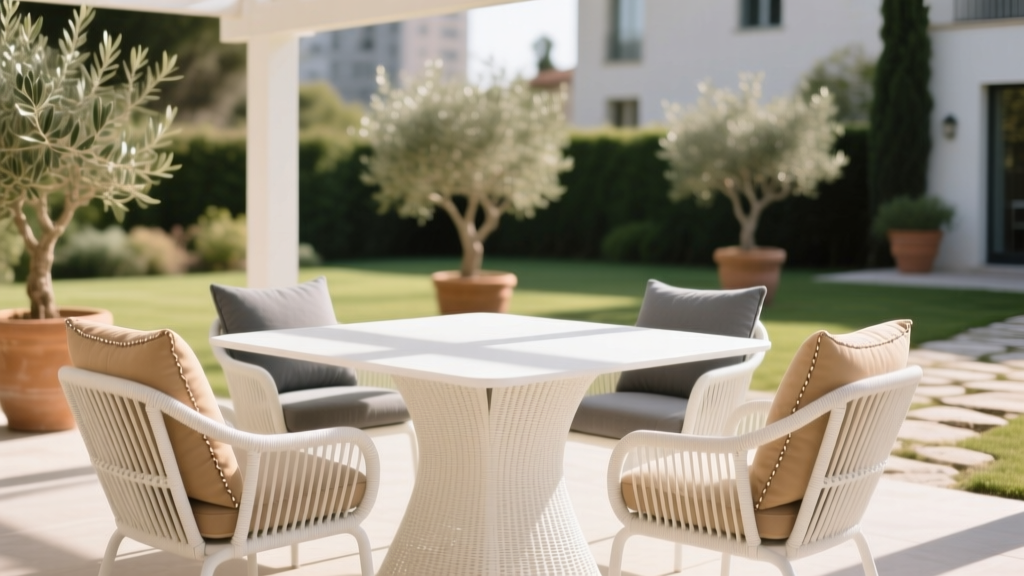
Best Outdoor Dining Chair Cushions - The Decor Mag
Outdoor dining is one of the fastest ways to make a patio, deck, or garden feel like a true extension of your home. The lighting can be perfect, the grill can be hot, and the table can be styled—but if the chairs aren’t comfortable, guests won’t linger for dessert. The right outdoor dining chair cushions turn “quick meal outside” into long, relaxed evenings that define great outdoor living.
Beyond comfort, cushions are a design power move. They add color, soften hard materials like metal or teak, and help tie together landscaping, patio décor, and architectural details. Whether you’re refreshing a small balcony bistro set or upgrading a full backyard entertaining zone, choosing the best outdoor chair cushions is a practical investment with big visual payoff.
What Makes an Outdoor Dining Chair Cushion “The Best”?
Indoor cushions might look similar, but outdoor living demands different performance. The best outdoor dining chair cushions combine weather-ready materials, supportive fill, and secure fit—while still looking elevated.
Key Features to Look For
- True outdoor fabric: Solution-dyed acrylic (like Sunbrella-style fabrics), olefin, or high-quality polyester with UV inhibitors.
- Quick-dry comfort: Reticulated (open-cell) foam or fast-drying foam wraps that shed water instead of soaking it up.
- Supportive thickness: 1.5–2.5 inches is ideal for dining (comfortable without raising you too high at the table).
- Secure attachments: Ties, hook-and-loop straps, or a non-slip backing keep cushions from sliding when you shift.
- Fade and mildew resistance: Essential for sunny patios, poolside dining, and humid climates.
- Easy cleaning: Removable covers with zippers are a game-changer for outdoor entertaining.
Outdoor Cushion Materials: Fabrics, Fill, and Construction
Best Fabrics for Patio Living
- Solution-dyed acrylic: The gold standard for colorfastness and UV resistance. Great for year-round outdoor living in sunny zones.
- Olefin (polypropylene): Strong, budget-friendly, and resistant to moisture and staining—ideal for family patios and high-traffic dining areas.
- Outdoor polyester: Look for a high-denier weave with UV protection. Often softer to the touch, but quality varies.
- Textured weaves and performance blends: Elevated look for modern outdoor design; pair beautifully with teak, powder-coated aluminum, or woven rope chairs.
Best Cushion Fill for Outdoor Dining Chairs
- Quick-dry foam: Best for rainy climates, poolside patios, and uncovered decks.
- High-density foam: Best for long meals and supportive seating; works well in covered outdoor rooms.
- Polyfill: Softer and less expensive, but can compress faster and hold water longer—better for occasional use or covered spaces.
Construction Details That Matter
- Boxed edges look tailored and hold shape well—excellent for contemporary patio furniture.
- Piped trim adds polish and helps define patterns (stripes, geometrics, cabana looks).
- Double-stitched seams last longer through heat, freezing temps, and frequent cleaning.
Choosing the Right Cushion Size and Fit
Even the best fabric won’t feel right if the cushion doesn’t fit the chair. Measure before you shop and consider how the cushion interacts with the dining table height.
How to Measure Outdoor Dining Chairs
- Seat width: Measure left to right across the chair seat.
- Seat depth: Measure front edge to back edge.
- Thickness allowance: For dining, aim for 1.5–2.5 inches to avoid sitting too high.
- Chair style compatibility: Bucket seats, sling chairs, and contoured resin chairs may need custom-shaped cushions.
Best Attachment Styles
- Back ties: Classic and adjustable; ideal for slat-back wood chairs.
- Straps with buckles or hook-and-loop: Clean look for modern patio furniture.
- Non-slip backing: Helpful for smooth metal or plastic seats.
Top Outdoor Dining Chair Cushion Picks (By Lifestyle and Budget)
Rather than focusing on a single “one-size-fits-all” cushion, match your choice to how you use your outdoor dining area—covered vs. open air, kids and pets vs. adult entertaining, poolside vs. garden terrace.
Best Overall: Solution-Dyed Acrylic + Quick-Dry Foam
Best for: Sunny patios, open decks, and homeowners who want long-lasting color and comfort.
- Fabric: Solution-dyed acrylic
- Fill: Quick-dry foam core
- Design tip: Choose a neutral base (sand, dove gray, flax) and add personality with patterned lumbar pillows.
Budget range: $45–$120 per seat cushion (premium brands and custom sizing can run higher).
Best Value: Olefin Fabric Cushions for High-Traffic Patios
Best for: Family outdoor dining, frequent use, and renters upgrading a patio set without replacing furniture.
- Fabric: Olefin
- Fill: High-density foam or foam/poly blend
- Design tip: Go slightly darker (charcoal, denim blue, olive) to hide everyday wear and sunscreen smudges.
Budget range: $20–$60 per cushion.
Best for Wet Climates: Mesh-Backed or Fast-Drain Designs
Best for: Coastal areas, rainy regions, and uncovered outdoor dining areas.
- Fabric: Performance polyester or acrylic with water-repellent finish
- Fill: Reticulated foam (open-cell quick-dry)
- Design tip: Pair with a breathable outdoor rug (polypropylene) to reduce splashback and dampness underfoot.
Budget range: $35–$90 per cushion.
Best for Style: Tailored Box Cushions in Stripes or Textures
Best for: Modern outdoor design, Mediterranean patios, and curated backyard entertaining zones.
- Fabric: Textured acrylic, cabana stripes, or small-scale geometrics
- Fill: High-density foam for crisp edges
- Design tip: Repeat one color from your landscape—like sage (lavender/rosemary), terracotta (clay pots), or deep green (boxwood/evergreens).
Budget range: $60–$150 per cushion.
Best on a Tight Budget: Outdoor Seat Pads with Ties
Best for: Quick refreshes, seasonal entertaining, small patios, and balcony dining sets.
- Fabric: Outdoor polyester
- Fill: Polyfill or thin foam
- Design tip: Use these as “seasonal style”—swap colors spring/summer vs. fall.
Budget range: $10–$30 per cushion.
Designing Your Outdoor Dining Area Around Cushions
Cushions don’t just sit on chairs—they set the mood for your whole patio living space. Use them to unify furniture finishes, landscaping, and accessories.
Color Palettes That Always Work Outdoors
- Coastal calm: Navy + white + sand (great with hydrangeas, ornamental grasses, and teak).
- Garden classic: Sage + cream + soft black (pairs beautifully with boxwood, lavender, and bluestone).
- Desert modern: Terracotta + camel + charcoal (perfect with agave, rosemary, and gravel courtyards).
- Tropical lift: Leaf green + aqua + crisp white (stunning against palms, banana plants, and bright planters).
Layout Tips for Comfortable Outdoor Dining
- Allow clearance: Leave 36–48 inches behind chairs for easy pull-out and traffic flow.
- Anchor with an outdoor rug: A polypropylene rug defines the dining zone and reduces chair scraping.
- Add shade: Umbrellas, pergolas, or shade sails protect cushion color and keep seating cool.
- Layer lighting: String lights overhead + a lantern centerpiece + low path lights for garden ambience.
Plant Pairings That Make the Dining Zone Feel Intentional
Use plants to soften the edges of hardscape and create a backdrop that makes your cushions and table styling pop.
- Fragrant herbs nearby: Rosemary, thyme, basil in pots—practical and atmospheric.
- Low-maintenance structure: Boxwood, dwarf yaupon holly, or evergreen grasses for year-round form.
- Seasonal color: Geraniums (sun), impatiens (shade), petunias (sun), pansies (cool season).
- Pollinator-friendly accents: Lavender, salvia, coneflower—great near patios (just keep blooming plants a few feet from dining chairs if bees are a concern).
Climate Considerations: Choosing Cushions That Thrive Where You Live
Hot, Sunny Climates
- Prioritize UV-resistant acrylic and lighter colors that stay cooler.
- Add shade to extend cushion life: umbrellas, pergolas, or retractable awnings.
- Choose breathable textures to reduce that “sticky” feel in peak summer.
Rainy or Humid Regions
- Look for quick-dry foam and mildew-resistant covers.
- Avoid deep tufting that can trap water.
- Store cushions in a ventilated deck box during wet weeks.
Coastal and Windy Areas
- Choose cushions with secure ties or straps.
- Rinse salt spray occasionally with fresh water to prevent fabric breakdown.
- Opt for patterns (stripes, heathers) that disguise minor weathering.
Cold Winters and Four-Season Patios
- Store cushions indoors or in a dry storage bench once temperatures drop consistently.
- If you keep a covered outdoor room year-round, use breathable covers and avoid sealing damp cushions in plastic.
- Consider a “winter set” of darker cushions that hide soot if you use a fire pit nearby.
Maintenance: Keeping Outdoor Chair Cushions Looking New
- Weekly: Brush off pollen, crumbs, and leaf debris to prevent staining.
- Monthly: Spot-clean with mild soap and water; rinse thoroughly.
- Seasonally: Deep clean removable covers (follow care labels), air-dry fully, and apply a fabric protectant if recommended by the manufacturer.
- After storms: Stand cushions on edge to drain and dry faster.
Smart Storage Ideas for Patio Living
- Deck box or storage bench: Fast and tidy for everyday use.
- Weatherproof cushion bag: Great for small spaces and seasonal swaps.
- Shelving in a garage or shed: Keep cushions off the floor to avoid moisture wicking.
Common Mistakes to Avoid
- Choosing indoor fabric for outdoor dining: It fades quickly and can develop mildew.
- Buying the wrong thickness: Overly thick cushions can make the table feel too low and throw off posture.
- Ignoring chair shape: Contoured seats need contoured cushions; a bad fit slides and wrinkles.
- Going too trendy with bold patterns everywhere: If the landscape is already busy, keep cushions calmer and add pattern in smaller accessories.
- Leaving cushions out 24/7: Even premium fabrics last longer with shade, storage, and occasional rotation.
- Skipping color coordination with hardscape: Match undertones (warm vs. cool) to pavers, decking, and exterior paint for a designer look.
FAQ: Outdoor Dining Chair Cushions
What is the best material for outdoor dining chair cushions?
Solution-dyed acrylic is the top choice for UV resistance and fade protection, especially for sunny patios. Olefin is an excellent value option with strong moisture resistance for everyday patio living.
How thick should dining chair cushions be?
For outdoor dining, 1.5–2.5 inches is the sweet spot—comfortable for long meals without making the table height feel awkward. If your chairs are hard metal or wood, lean toward the thicker end of that range.
Can outdoor cushions stay outside in the rain?
Many can, but performance varies. Quick-dry foam and breathable outdoor fabrics handle rain best. Even then, standing cushions on edge to drain and drying them fully prevents mildew and keeps them fresh.
How do I keep outdoor chair cushions from sliding?
Choose cushions with ties or straps, or add a non-slip gripper mat cut to size. For windy yards, prioritize secure attachments and slightly heavier cushions with boxed construction.
How often should I replace outdoor cushions?
Budget cushions may need replacing every 1–3 seasons, while premium fabrics and high-quality foam can last 5+ years with good maintenance, storage, and shade protection.
What colors are best for outdoor cushions?
Neutrals (sand, gray, cream) are timeless and easy to style with plants and outdoor décor. Darker tones hide stains, while medium tones and small patterns often look best long-term because they disguise fading and pollen.
Next Steps: Upgrade Your Patio Dining Comfort This Week
Start by measuring your chairs, then decide what your outdoor dining area needs most: better fade resistance, faster drying, or a style refresh. Choose a fabric that fits your climate, pick a thickness that works with your table height, and build a simple color palette that connects to your landscaping. Add a storage plan—deck box, bench, or indoor shelf—and your cushions will look better for longer.
If you’re ready to take the whole outdoor living space further, pair your new cushions with an outdoor rug, layered lighting, and a few well-placed planters for a patio that feels designed, not just furnished.
For more patio living, landscaping, and outdoor design ideas, explore the latest inspiration on thedecormag.com.
More Articles
 Best Outdoor Ice Bucket Station Ideas - The Decor Mag
 How To Choose Outdoor Decor: A Practical, Climate-Smart Guide for Patios, Decks, and Gardens
 How to Design a Dragonfly Garden - The Decor Mag
 Outdoor Gazebo Design Inspiration - The Decor Mag
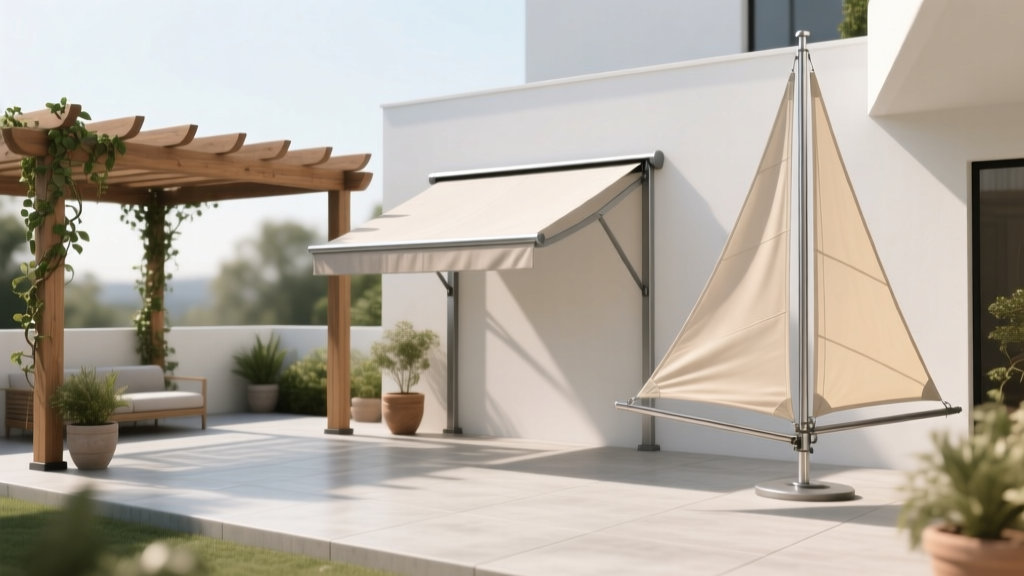 Pergola vs Awning vs Sail Shade: Best Patio Shade (2026)
 Best Outdoor Bar Lime Wheel Display - The Decor Mag
 Outdoor Kitchen Warming Drawer Install - The Decor Mag
 Outdoor Living Performance: 7 Costly Mistakes That Sabotage Durability, Comfort, and Value
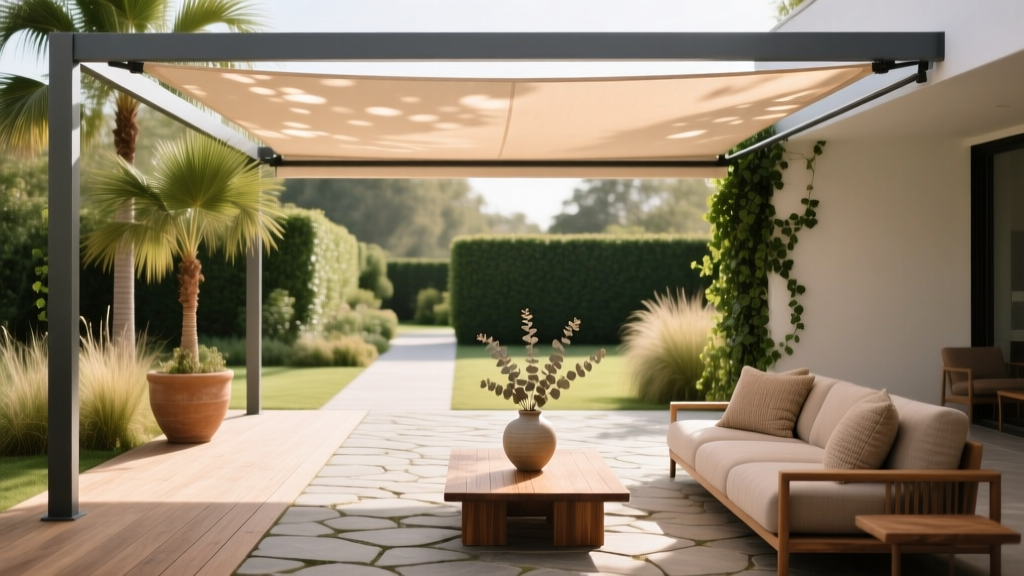 Outdoor Pergola with Retractable Canopy - The Decor Mag
 How to Design a Rain Garden - The Decor Mag