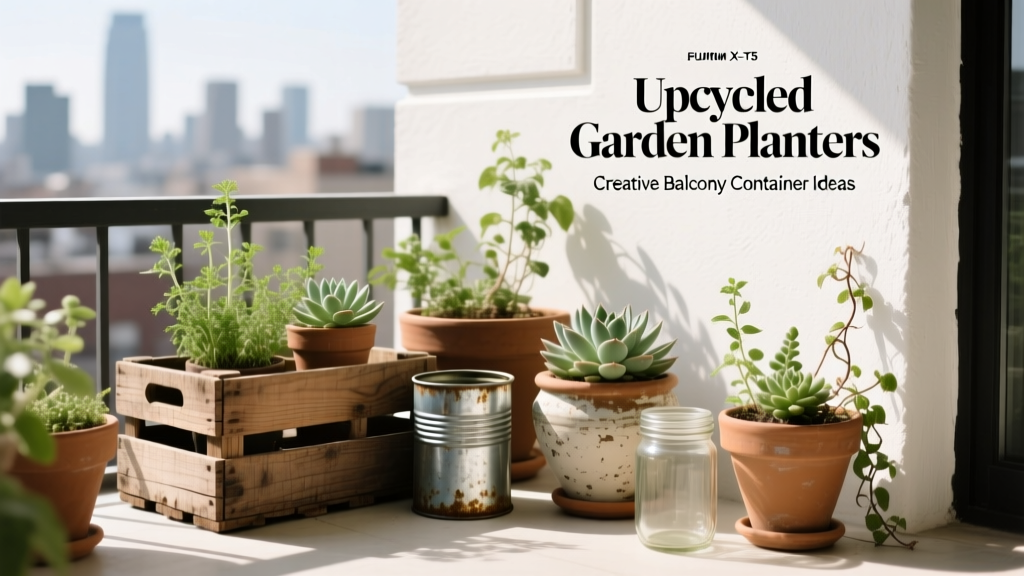
# Upcycled Garden Planters: Creative Balcony Container Ideas
Transform your balcony into a thriving green oasis while reducing waste with these imaginative upcycled container gardening ideas that prove sustainability and style go hand in hand.
## The Beauty of Upcycled Container Gardening
Container gardening has surged in popularity, but the environmental cost of buying new plastic pots adds up. Every year, millions of garden containers end up in landfills. Upcycling offers a creative, budget-friendly alternative that gives discarded materials a second life while adding unique character to your outdoor space.
As someone who has spent years transforming everyday discards into thriving garden installations, I can tell you that some of the most beautiful planters I've created cost nothing and came from items others were ready to throw away. The key is seeing potential where others see waste.
## Why Choose Upcycled Planters
Upcycled containers are incredibly cost-effective—most materials are free or available for just a few dollars at thrift stores. Each planter is one-of-a-kind, giving your space personality that mass-produced garden centers cannot replicate.
Environmental benefits extend beyond keeping items out of landfills. Upcycling eliminates the carbon footprint of manufacturing new planters. Many upcycled materials—terra cotta, wood, certain metals—also offer natural breathability and temperature regulation that benefit plant roots.
## Essential Considerations Before You Begin
**Drainage** is the most important factor—every planter must have adequate holes to prevent waterlogged roots. Use a drill to create multiple holes in containers that lack drainage.
**Weight** matters on balconies. Wet soil is heavy, and many balconies have weight restrictions. Opt for lightweight potting mixes and use plastic inserts inside heavier containers to reduce mass.
**Material safety** is key—avoid containers that previously held toxic chemicals or pressure-treated lumber. Always line questionable materials with food-safe plastic. Metal containers heat up quickly in sun and may require strategic placement.
## Vintage Ladder Shelf Planters
An old wooden ladder transforms into stunning tiered display shelves for your balcony containers.
**Step-by-step:**
1. Clean the ladder thoroughly and let it dry completely
2. Sand rough spots and splinters
3. Apply natural wood sealant—linseed oil works beautifully
4. Secure against a balcony wall with heavy-duty brackets
5. Place small pots, vintage teacups, or mason jars on each step
6. Arrange by height—shorter herbs below, trailing plants above
**Best plants:** Basil, thyme, and oregano thrive in varied light. Trailing nasturtiums and sweet potato vines create gorgeous cascading effects. Attach small hooks to side rails for hanging additional containers.
## Tin Can Herb Gardens
Tin cans are among the most accessible upcycling materials. With basic tools, these humble containers become charming planters for balcony herb gardens.
**Step-by-step:**
1. Collect clean tin cans of various sizes; remove labels with warm soapy water
2. Use a hammer and nail to punch 4-6 drainage holes in each can
3. Smooth sharp edges with a metal file
4. Paint with exterior chalk paint or wrap with jute twine
5. Fill with lightweight potting mix and plant herbs, leaving an inch below the rim
**Best plants:** Chives, parsley, cilantro, and dwarf basil. Always plant mint in its own can. For a striking design, mount cans horizontally on a wooden board using pipe clamps for a space-saving wall herb garden.
## Pallet Vertical Gardens
A single heat-treated shipping pallet becomes a productive vertical garden producing herbs, lettuce, and edible flowers.
**Step-by-step:**
1. Source a heat-treated pallet (look for the "HT" stamp, not "MB")
2. Disassemble carefully with a pry bar, wearing safety glasses
3. Sand all surfaces for clean lines
4. Reconstruct boards on edge to form compartments
5. Line with landscape fabric for soil retention and drainage
6. Fill with potting soil and mount against a balcony railing with brackets
**Best plants:** Leafy greens like lettuce, spinach, and arugula excel in shallow pallet planters. Strawberries cascade beautifully over edges. Growing upward saves precious balcony floor space.
## Thrifted Furniture Planters
Old dresser drawers and wooden crates make extraordinary statement planters with built-in charm.
**Step-by-step:**
1. Remove drawers and clean thoroughly
2. Drill multiple drainage holes in the bottom
3. Line with landscape fabric to prevent soil loss
4. Add gravel or broken pottery for drainage
5. Fill with potting mix and arrange plants deliberately
**Best plants:** Compact tomatoes, peppers, bush beans, or mixed annuals like marigolds and petunias. Leave original hardware intact and apply clear outdoor sealant for weather protection.
## Repurposed Boot Planters
Old rubber or leather boots make surprisingly effective and conversation-starting container planters.
**Step-by-step:**
1. Clean thoroughly and allow to dry completely
2. Punch drainage holes in the sole with a drill bit or awl
3. Apply waterproofing treatment to leather exteriors
4. Fill with lightweight growing medium
5. Plant compact specimens or a single statement plant
**Best plants:** Trailing sedums, creeping thyme, and small ferns work wonderfully. A single ornamental grass or succulent arrangement makes a striking statement near entry areas.
## Barrel and Bucket Planters
Old whiskey barrels and five-gallon buckets provide generous growing space for larger plants.
**Step-by-step:**
1. Source food-grade containers from local breweries and restaurants
2. Drill 6-8 drainage holes in the bottom with a spade bit
3. For barrels, add holes along lower sides for improved drainage
4. Line with food-safe plastic if previously holding non-food substances
5. Place on pot feet to elevate and promote drainage
6. Fill with potting mix enriched with compost
**Best plants:** Cherry tomatoes, bush squash, dwarf citrus, and deep-rooted herbs. A "thriller-filler-spiller" arrangement creates professional-looking displays.
## Designing Your Upcycled Balcony Oasis
Combine multiple container types into a cohesive design. Group odd numbers of containers and vary heights—tallest at the back, descending outward. Mix textures for visual interest: pair rough wooden planters with smooth tin cans and whimsical boot containers.
Consider microclimates—windward sides need sturdier containers; shaded corners suit ferns in wooden crates; sun-drenched railings favor succulents. Add reclaimed trellises for climbers like morning glory or pole beans. Incorporate solar string lights to extend balcony enjoyment into evening hours.
## Maintaining Your Upcycled Garden
Wooden containers may need annual resealing. Check drainage holes regularly. Monitor soil moisture more frequently in metal containers, which dry out quickly. Apply organic mulch to retain moisture and regulate temperature.
Refresh soil annually by replacing the top few inches with fresh compost-enriched potting mix. During harsh winters, store delicate containers indoors or insulate with burlap.
## The Ripple Effect of Sustainable Gardening
Every upcycled planter demonstrates that creativity and environmental responsibility go hand in hand. When neighbors ask about your unusual containers, you share knowledge about sustainable living and inspire others to see potential in the discarded.
Your upcycled balcony garden is a living statement that sustainability can be beautiful and every discarded object holds potential. Start with a single tin can or weathered drawer, and watch your balcony—and your perspective—transform.
 How to Create a Kitchen Garden - The Decor Mag
 Outdoor Pergola Climbing Vine Selection - The Decor Mag
 Best Outdoor Bar Citrus Squeezer Station - The Decor Mag
 How to Design a Garden Pathway - The Decor Mag
 Outdoor Gazebo with Screen Curtains - The Decor Mag
 Outdoor Kitchen Smoker Box Integration - The Decor Mag
 How to Design a Rain Garden - The Decor Mag
 Best Outdoor Bar Strainer and Shaker Rack - The Decor Mag
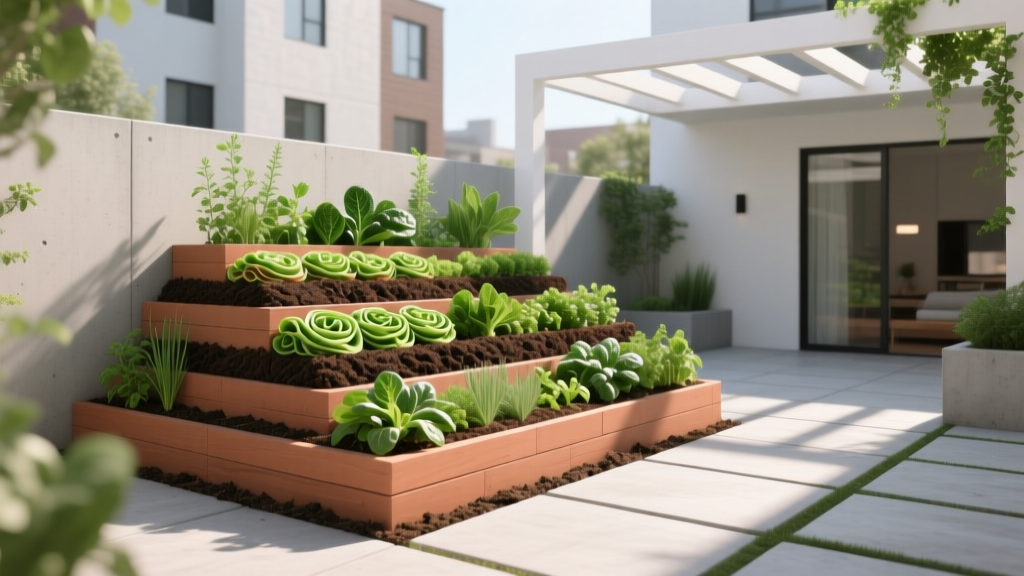 How to Create a Lasagna Garden Bed - The Decor Mag
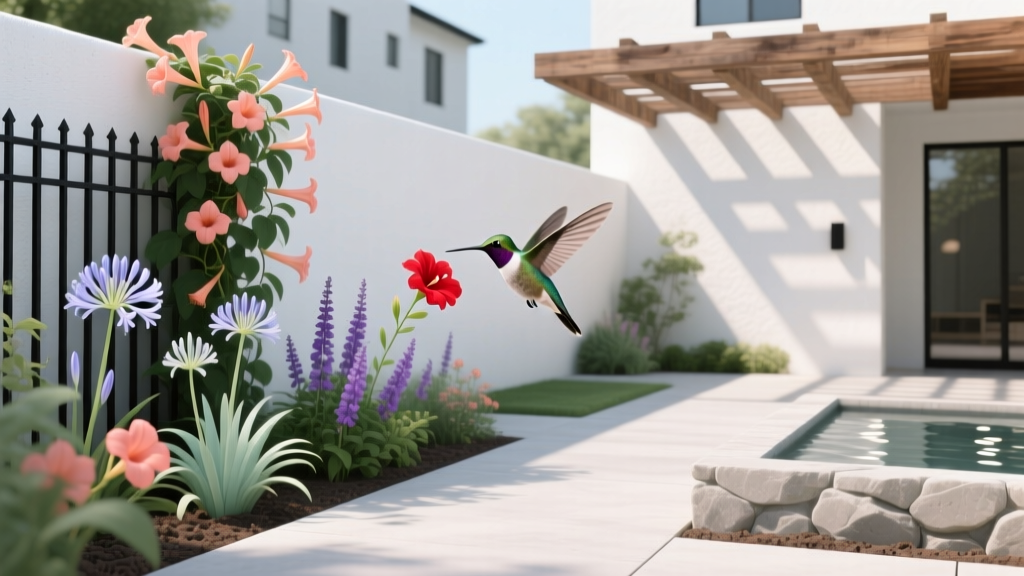 How to Design a Hummingbird Garden - The Decor Mag