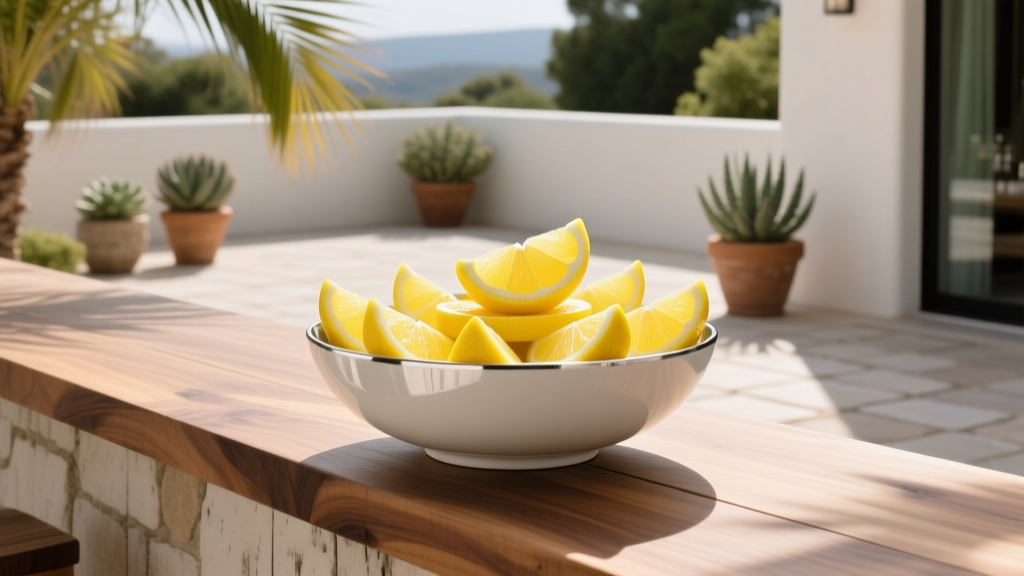
Best Outdoor Bar Lemon Wedge Bowl - The Decor Mag
Outdoor living has a way of turning ordinary moments into memorable ones—sunset cocktails on the patio, weekend barbecues, poolside gatherings, or a cozy fire pit night with friends. Yet the difference between a “nice” outdoor bar setup and one that feels truly polished often comes down to the smallest details. One of the most surprisingly impactful? A dedicated lemon wedge bowl.
A lemon wedge bowl isn’t just a place to toss citrus. It’s a functional bar essential that keeps your outdoor bar cart or built-in bar cleaner, more organized, and more inviting. It makes guests feel taken care of, speeds up drink-making, and prevents sticky cutting boards and dripping wedges from wandering across your patio countertop.
If you’re upgrading your outdoor kitchen, refreshing a patio bar, or building a backyard entertaining zone, choosing the best outdoor bar lemon wedge bowl is a practical step with outsized design payoff. Below you’ll find expert recommendations, materials that hold up in sun and storms, styling ideas, and layout tips for year-round outdoor living.
Why a Lemon Wedge Bowl Matters in Outdoor Bar Design
In outdoor entertaining, citrus does heavy lifting: it brightens sparkling water, finishes grilled seafood, balances tequila cocktails, and makes iced tea feel intentional. But outdoor spaces add challenges—heat, wind, bugs, pollen, and limited prep space. A dedicated bowl or caddy solves several issues at once.
- Cleaner countertops: Keeps juice and peels contained, especially on porous stone or wood.
- Better guest flow: A visible garnish station prevents bottlenecks near the sink or cutting board.
- More hygienic: Minimizes handling and reduces exposure to outdoor debris.
- Elevated styling: Adds a pop of color and a “cocktail lounge” feel to patios and outdoor kitchens.
What Makes the Best Outdoor Bar Lemon Wedge Bowl?
The best option balances durability, easy cleaning, and outdoor-friendly aesthetics. Before you buy, think about where it will live: a covered patio bar, open-air pool deck, or fully equipped outdoor kitchen. Each setting demands different materials and features.
Key Features to Look For
- Weight and stability: Outdoor breezes are real. Look for a bowl with a heavier base or a wide footprint.
- Non-porous surface: Citrus is acidic and can stain or etch some finishes over time.
- Easy-to-clean shape: Smooth interiors with minimal seams are best for quick rinsing.
- Optional lid or cover: Helpful for keeping fruit fresh and reducing insects, especially in warm climates.
- Drainage insert or perforated tray: Keeps wedges from sitting in juice and getting soggy.
- Size that fits your bar: Too big crowds the counter; too small causes frequent refills.
Ideal Size Guidelines (Based on Entertaining Style)
- Everyday patio use (2–4 people): 12–20 oz bowl or small ramekin set
- Weekend hosting (6–10 people): 1–1.5 quart bowl or divided garnish tray
- Frequent parties/pool gatherings: 2–3 quart bowl with lid or a full garnish caddy
Best Materials for an Outdoor Lemon Wedge Bowl (Ranked for Patio Performance)
1) Stainless Steel (Best for Heat, Durability, and Modern Outdoor Kitchens)
Stainless steel is the workhorse of outdoor kitchen design. It resists rust (especially in higher grades), doesn’t absorb odors, and looks at home next to grills and outdoor refrigerators.
- Best for: uncovered patios, poolside bars, high-use outdoor kitchens
- Look for: 18/8 or 304 stainless steel, brushed finish to hide fingerprints
- Budget range: $12–$45
Design tip: Pair stainless garnish bowls with teak or ipe bar tops for a balanced warm-and-cool material mix.
2) Melamine (Best Budget Pick for Families and Pool Areas)
Melamine offers the look of ceramic without the breakability—perfect for lively patios or homes with kids. Choose BPA-free, heavier melamine that won’t flip in wind.
- Best for: casual patio living, outdoor dining tables, pool decks
- Look for: UV-stable melamine, textured matte finish for a less “plastic” look
- Budget range: $8–$30
Maintenance note: Avoid abrasive scrubbers; they can dull melamine. Rinse promptly to prevent citrus oils from lingering.
3) Glazed Ceramic or Porcelain (Best for Style on Covered Patios)
Glazed ceramic brings artisan charm and color to outdoor bar decor—think Mediterranean courtyards, modern farmhouse patios, or boho garden bars. It’s best in covered areas to reduce break risk and weather stress.
- Best for: covered patios, screened porches, outdoor dining nooks
- Look for: fully glazed interior, chip-resistant rim
- Budget range: $15–$60
Climate tip: In freeze-thaw climates, store ceramic bowls indoors during winter to prevent cracking.
4) Acrylic or Tritan (Best for a “Glass Look” Without the Risk)
If you love the sparkle of glass but want outdoor durability, acrylic or Tritan-style plastic is a strong choice. It’s especially good for garnish bowls with lids.
- Best for: poolside cocktail stations, windy rooftops, entertaining-friendly patios
- Look for: scratch-resistant, dishwasher-safe, UV-resistant products
- Budget range: $10–$35
5) Natural Stone or Marble (Best as a Statement Piece—Use Carefully)
A marble or stone bowl can look stunning on a bar cart, but citrus acid can etch certain stones. If you go this route, choose a sealed, acid-resistant finish and treat it as decor-forward rather than high-abuse.
- Best for: covered outdoor bars, styled entertaining moments
- Look for: sealed stone, or use parchment/liner
- Budget range: $25–$120+
Smart Outdoor Bar Layout: Where the Lemon Wedge Bowl Should Go
Outdoor bar design is all about flow. The goal: guests can garnish a drink without interrupting the host’s prep zone. A lemon wedge bowl becomes a “micro-station” that improves your entire patio living setup.
The Most Functional Placement
- On the “guest side” of the bar: Place it near cups, napkins, and a small trash/compost vessel.
- Near beverages but away from heat: Keep it out of direct sun and away from the grill to prevent drying.
- Within arm’s reach of ice: Guests often grab citrus after ice and before stirring.
Build a Mini Garnish Station (Perfect for Patio Entertaining)
- Lemon wedge bowl (with lid if bugs are an issue)
- Second bowl for limes (or a divided tray)
- Small herb jar (mint, basil) or a clipped herb bundle
- Cocktail picks or mini tongs (more hygienic than fingers)
- Compact waste bowl for rinds and used wedges
Budget ranges for a garnish station:
- Budget-friendly: $25–$60 (melamine bowls + tongs + small tray)
- Mid-range: $60–$150 (stainless caddy, lidded containers, matching accessories)
- High-end: $150–$350+ (designer serveware, integrated bar inserts, premium trays)
Outdoor Styling: Make the Lemon Bowl Look Intentional
Yes, it’s functional. But it can also be a design moment—one that ties your outdoor kitchen and landscaping together.
Color Pairings That Work Beautifully Outdoors
- White bowl + bright lemons: Clean, crisp, coastal patio look
- Matte black bowl: Modern outdoor bar, great with concrete pavers and black aluminum furniture
- Blue glazed bowl: Mediterranean garden vibe with terracotta pots and olive trees
- Stainless bowl: Seamless with grills, sleek outdoor kitchens, and contemporary pergolas
Coordinate With Outdoor Furniture and Materials
- Outdoor bar tops: sealed granite, honed quartzite, stainless, concrete, or marine-grade polymer
- Bar stools: powder-coated aluminum (rust-resistant), teak (weathering gracefully), or all-weather wicker
- Trays: teak, powder-coated metal, or melamine to corral garnish bowls and prevent clutter
Plant Pairings: Grow Your Own Garnishes Near the Outdoor Bar
Landscaping can support your patio living goals. A small “bar garden” nearby reduces trips inside and adds fragrance and texture to your outdoor entertaining area.
Best Herbs for a Patio Bar Garden
- Mint: Best in pots (spreads aggressively); ideal for mojitos and lemonade
- Basil: Loves warmth; great for fruit spritzers and summer cocktails
- Rosemary: Drought-tolerant; doubles as a cocktail skewer and a grilled food seasoning
- Thyme: Compact, fragrant, and easy to maintain
Citrus-Friendly Plant Options (By Climate)
- Warm climates (USDA 9–11): dwarf lemon tree, lime tree, kumquat in large pots
- Cooler climates (USDA 4–8): grow citrus in containers and bring indoors for winter; use a sunny window or grow light
- Low-maintenance alternative: plant hardy scented herbs near the bar and keep citrus refrigerated inside until hosting
Design approach: Place two large planters flanking the outdoor bar (rosemary standards or dwarf citrus). It frames the space like an outdoor room and makes the bar feel built-in even if it’s a movable cart.
Climate & Maintenance Considerations for Year-Round Outdoor Living
Hot, Sunny Patios
- Choose stainless steel or UV-stable melamine to prevent fading and overheating.
- Use a lidded bowl or keep the garnish station under an umbrella or pergola.
- Prep smaller batches more frequently so wedges don’t dry out.
Humid or Coastal Environments
- Prioritize 304 stainless steel for improved corrosion resistance.
- Rinse and dry bowls after use; don’t leave salty air residue sitting on metal overnight.
- Avoid unsealed wood bowls; they can absorb moisture and odors.
Freeze-Thaw Climates
- Store ceramic, stone, and glass indoors during winter.
- Opt for melamine or stainless if your outdoor kitchen stays active year-round.
- Keep a winter kit: insulated tumbler, warm cocktail garnishes (dehydrated citrus), and a compact tray.
Quick Cleaning Routine (Host-Friendly)
- Rinse immediately after the gathering (citrus oils cling if left overnight).
- Wash with mild dish soap; avoid harsh abrasives on melamine and acrylic.
- Dry thoroughly before storing outdoors to prevent water spots and residue.
Common Mistakes to Avoid
- Using a porous bowl without sealing: Unsealed stone or raw wood can stain and hold odors.
- Placing citrus in direct sun: Wedges dry out fast and attract insects sooner.
- Skipping utensils: Add mini tongs or picks for a cleaner, more “hosting-ready” setup.
- Choosing something too lightweight: A shallow, light bowl can tip in a breeze—especially on a bar cart.
- Forgetting a discard spot: Provide a small waste bowl so used wedges don’t end up on side tables or planters.
- Overcrowding the bar: A garnish station should be compact. Leave room for prep, serving, and guest movement.
FAQ: Outdoor Bar Lemon Wedge Bowls
What’s the best material for an outdoor lemon wedge bowl?
For most outdoor kitchens and patio bars, stainless steel is the best all-around choice for durability and easy cleaning. For pool areas or homes with kids, UV-stable melamine is a strong budget-friendly option.
Do I need a lid on my lemon wedge bowl?
If you deal with flies, bees, or windy conditions, a lid is worth it. In mild climates on a covered patio, a lid is optional—mini tongs and frequent refreshes can be enough.
How do I keep lemon wedges fresh outside during a party?
Keep the bowl out of direct sunlight, use a drain insert if possible, and refill in smaller batches. For longer events, place the bowl on a tray near (but not on top of) an ice bucket to keep the area cooler.
Can I use a marble or stone bowl for lemon wedges?
You can, but be cautious: citrus acid may etch marble and some natural stones. If you love the look, choose a sealed stone bowl and consider using it for whole lemons or as a styled centerpiece, not constant wedge service.
What else should I put next to my lemon wedge bowl on an outdoor bar?
Add a small lime bowl, mini tongs, napkins, and a discard bowl for peels. If you want a designer touch, include a small herb pot (mint or rosemary) to tie your outdoor bar into the surrounding landscape.
Next Steps: Upgrade Your Outdoor Bar With One Simple, High-Impact Detail
Pick a lemon wedge bowl that matches your climate, your patio materials, and your hosting style—stainless for durability, melamine for casual poolside living, glazed ceramic for covered patio charm. Then set up a compact garnish station with tongs, a discard bowl, and a few bar-friendly herbs planted nearby. It’s a small upgrade that makes your outdoor entertaining space feel intentionally designed and effortless to use.
For more outdoor living inspiration—from patio layout ideas to landscaping that supports year-round entertaining—explore the latest outdoor design guides on thedecormag.com.
More Articles
 Best Outdoor Bar Cutting Board Station - The Decor Mag
 Outdoor Sink and Prep Station Ideas - The Decor Mag
 How to Create a Starlight Garden - The Decor Mag
 How to Create a Raised Bed Garden - The Decor Mag
 The Best Reading Color for Outdoor Living Spaces: Science, Design, and Real-World Performance
 Outdoor Living Budget Checklist: A Practical, Step-by-Step Planning Tool for Homeowners
 Best Outdoor Lantern and Candle Options - The Decor Mag
 Best Outdoor Swinging Chair Picks - The Decor Mag
 Small Balcony Garden Design Inspiration - The Decor Mag
 Outdoor Kitchen Drawer Slide Materials - The Decor Mag