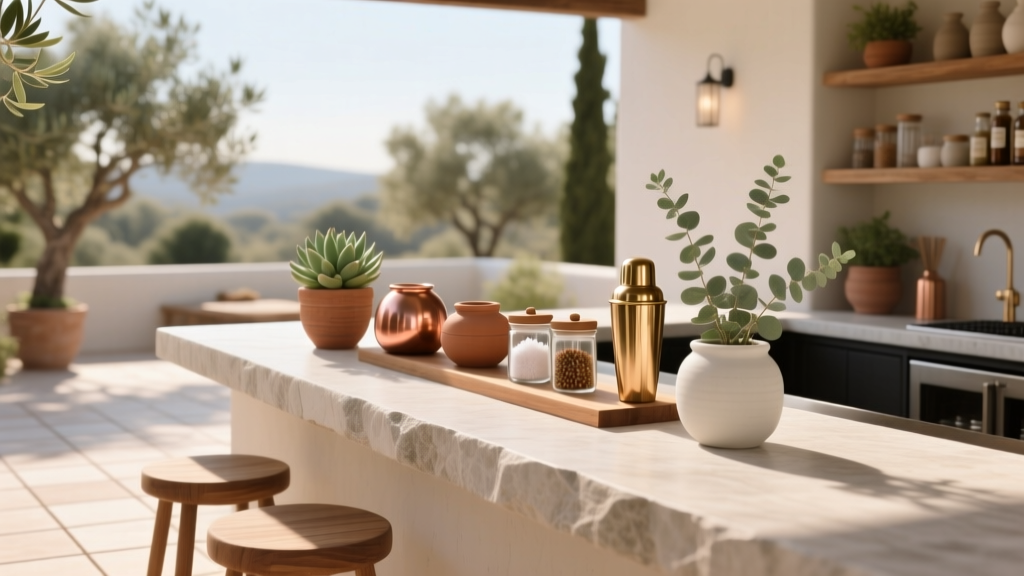
Best Outdoor Bar Salt and Spice Station - The Decor Mag
A great outdoor bar isn’t just about the grill, the shaker set, or a pretty patio. It’s about speed, flow, and comfort—being able to season a margarita rim, finish skewers with flaky salt, or sprinkle chili-lime on grilled corn without running back inside. That’s where an outdoor bar salt and spice station earns its keep: it turns a basic backyard setup into a true outdoor entertaining zone.
Homeowners investing in patio living and outdoor kitchen design often focus on big-ticket items—pergolas, built-in grills, fire pits—then realize the “little things” slow everything down. Spices clump from humidity, salt gets gritty, and bottles topple over on a windy deck. A well-designed station solves those issues with smart materials, weather-aware storage, and a layout that makes hosting feel effortless.
Whether you have a compact balcony bar cart or a full outdoor kitchen with stone counters, the right salt and spice station brings chef-level finishing power outdoors—while staying clean, organized, and ready for year-round outdoor living.
What Makes an Outdoor Bar Salt and Spice Station “Best”?
The best outdoor salt and spice station balances three things: durability (weather exposure), usability (easy to grab while cooking), and style (it should look intentional on your patio). Use this checklist as your benchmark.
Core Features to Look For
- Weather resistance: materials that handle sun, moisture, and temperature swings.
- Sealed storage: airtight containers to prevent clumping and loss of flavor.
- Stability: weighted bases, non-slip feet, or secured mounting for windy decks.
- Easy cleaning: removable inserts, wipeable surfaces, and minimal crevices.
- Logical organization: salt/rim salts separate from cooking spices; sweet vs savory zones.
- Room for tools: citrus zester, microplane, bar spoon, muddler, small funnel.
Ideal Size (So It Doesn’t Take Over the Counter)
- Small spaces (balcony/patio bistro setup): 8–14 inches wide footprint.
- Medium patios (grill + prep counter): 14–24 inches wide with a caddy or drawer insert.
- Full outdoor kitchen: integrated drawer or cabinet station, plus a countertop “service” set for guests.
Best Station Styles for Different Outdoor Living Setups
1) Countertop Caddy Station (Fastest Upgrade)
A countertop caddy is the easiest way to add a spice-and-salt hub to an outdoor bar. Choose a low-profile organizer that won’t block sightlines across the patio—especially helpful for entertaining.
Best for: grill islands, bar counters, outdoor dining tables, poolside beverage stations
Design recommendations:
- Material: powder-coated aluminum, stainless steel (304 grade), or marine-grade polymer.
- Container style: airtight canisters with gasket seals; avoid open ramekins outdoors.
- Weight: pick a caddy with a weighted base or add non-slip pads to prevent sliding on stone.
Budget range: $25–$120 for the caddy + $30–$80 for quality airtight jars
2) Bar Cart Salt & Spice Station (Best for Flexible Patio Layouts)
If your outdoor entertaining moves around—sometimes by the grill, sometimes by the lounge seating—a bar cart creates a mobile seasoning and cocktail finishing zone. It’s also ideal for renters or homeowners who want a non-permanent solution.
Best for: patios without built-ins, decks, small yards, pergola seating areas
Furniture recommendations:
- Powder-coated steel cart: durable and budget-friendly; choose one with wheels that lock.
- Teak cart: premium look, naturally weather-resistant; oil annually for best color.
- HDPE/resin cart: extremely low maintenance and great for humid or coastal climates.
Layout tip: designate shelves by function:
- Top shelf: “service zone” (rim salts, finishing salts, garnish tools, napkins).
- Middle shelf: cooking spices in sealed jars + small cutting board.
- Bottom shelf: backups, paper towels, and a lidded bin for bar waste.
Budget range: $90–$400 depending on material and brand
3) Built-In Drawer or Cabinet Insert (Best for Outdoor Kitchen Design)
For homeowners building or upgrading an outdoor kitchen, an integrated spice drawer insert keeps everything protected and streamlined. The “best” setup includes a weather-sealed cabinet plus removable trays for cleaning.
Best for: built-in grills, outdoor kitchen islands, covered patios with dedicated prep zones
Material recommendations:
- Cabinet construction: 304 stainless steel or marine-grade polymer.
- Drawer organizers: stainless tray dividers or sealed bamboo inserts (only in covered, dry conditions).
- Hardware: stainless drawer slides and pulls; avoid cheap plated metals that rust.
Budget range: $150–$500 for inserts and organizers; $800–$3,000+ if adding new cabinetry
What to Stock: The Best Salts, Spices, and Rim Options for Outdoor Entertaining
Outdoor cooking and patio bar service benefit from bold, heat-friendly flavors. Keep a curated set that covers grilling, snacking, and cocktails without clutter.
Go-To Salts (2–4 is Plenty)
- Flaky finishing salt: for steaks, grilled vegetables, and fresh tomatoes.
- Kosher salt: the everyday workhorse for seasoning and brining.
- Smoked salt: adds instant depth to burgers and grilled mushrooms.
- Chili-lime salt: perfect for corn, fruit, and micheladas.
Essential Outdoor Spices (A Smart 8-Pack)
- Granulated garlic
- Smoked paprika
- Cumin
- Crushed red pepper
- Black pepper (whole peppercorns + grinder)
- Oregano (Mexican or Mediterranean)
- Seasoning blend: choose one signature rub you love
- Cinnamon or pumpkin pie spice: great for fall cocktails and grilled fruit
Cocktail Rim Setup (Guest-Friendly and Clean)
Skip open bowls that attract moisture and debris. Use lidded, wide-mouth containers and keep a small rim tray only when serving.
- Rim salts: classic margarita salt, Tajín-style chili, sugar for lemon drops
- Tools: citrus wedges, small silicone mat, bar towel, microplane
Design Details That Make It Feel High-End
Choose Outdoor-Proof Materials That Look Intentional
- 304 stainless steel: best overall for outdoor kitchens and coastal durability.
- Powder-coated aluminum: lightweight, rust-resistant, modern.
- Teak: warm and elevated; perfect for covered patios and luxe bar carts.
- Stone or porcelain surfaces: easy wipe-down and heat resistant; great for outdoor countertops.
- Silicone liners: stop jars from sliding and reduce rattling on carts.
Organize Like a Pro (So You Can Cook and Host at the Same Time)
- Create two zones: “Cooking” (rub spices) and “Finishing/Bar” (flaky salt, rim salts).
- Use consistent containers: same size jars look calmer and store more efficiently.
- Label for low light: waterproof labels with bold print help at dusk.
- Keep a ‘backup bin’: store refills indoors or in a sealed outdoor cabinet.
Lighting for Evening Patio Living
If you entertain after sunset, add task lighting so guests aren’t guessing which jar is cumin.
- Under-shelf LED strip on a bar cart (battery or plug-in options)
- Under-counter lighting for outdoor kitchen islands
- Warm string lights overhead plus one focused prep light near the grill
Where to Place It: Layout Tips for Patios, Decks, and Outdoor Kitchens
Placement is the difference between “cute accessory” and “can’t live without it.” Use your outdoor living space like a working kitchen.
Best Placement Rules
- Within one step of the grill/prep area: ideally 12–36 inches from where you plate food.
- Out of direct sprinkler range: overspray ruins spices quickly.
- Away from extreme heat: don’t park it right next to the grill lid vent.
- Near the beverage station: rim salts and garnishes belong close to ice and glassware.
Simple Layout Examples
- Small patio: bar cart next to the grill + small tray on dining table for finishing salt.
- Medium deck: countertop caddy on prep counter + locked storage in a weatherproof bench.
- Outdoor kitchen: spice drawer near prep area + guest-facing rim salt tray near the bar sink.
Plants That Pair Perfectly with a Salt and Spice Station
Edible landscaping pulls double duty: it looks lush and supplies fresh garnishes for outdoor dining and cocktails.
Best Herbs for Patio Living (Easy + High Impact)
- Rosemary: tough, drought-tolerant, great for grilling skewers and infused cocktails.
- Thyme: low-growing, fragrant, excellent for roasted vegetables.
- Basil: summer essential; keep it closer to the kitchen door for easy picking.
- Mint (in pots only): perfect for mojitos; invasive in beds.
- Chives: reliable, cold-tolerant, and neat-looking in containers.
Planter and Placement Tips
- Use containers: place herbs in 10–14 inch pots near the station for quick snipping.
- Choose drip irrigation or self-watering pots for hot climates or vacation weeks.
- Go with lightweight fiberglass or resin planters for decks to reduce load and water damage.
Climate and Maintenance: Keep Spices Fresh Outdoors Year-Round
Outdoor kitchens and patio bars face real challenges: humidity, heat, rain, smoke, and pests. Your storage strategy should match your climate zone and how exposed your bar area is.
Hot & Sunny Climates
- Problem: heat and UV degrade flavor and fade labels.
- Fix: store in opaque containers or a closed drawer; keep only a small “service set” out.
- Material win: stainless steel or UV-stable resin organizers.
Humid & Coastal Climates
- Problem: clumping, corrosion, and mildew.
- Fix: use gasket-sealed jars; add food-safe desiccant packs inside the drawer (not in jars with food unless designed for it).
- Material win: 304 stainless steel hardware; avoid untreated wood organizers.
Cold Winters and Freeze-Thaw Regions
- Problem: condensation and cracked containers if liquids are stored nearby.
- Fix: rotate spices indoors in winter; keep outdoor stations for tools and empty organizers.
- Year-round tip: if you use a heated patio or covered outdoor kitchen, still store backups indoors to preserve freshness.
Quick Maintenance Routine (5 Minutes a Week)
- Wipe containers and the organizer with warm soapy water (or a gentle multi-surface cleaner for outdoor kitchens).
- Check lids and seals for grit or salt crust; clean and dry fully.
- Replace any spice that smells flat (outdoor heat shortens shelf life).
- Shake clumped spices through a small sieve and move to a drier storage spot.
Common Mistakes to Avoid
- Leaving spices in open bowls: humidity, bugs, and wind will ruin them quickly.
- Using non-outdoor metals: plated steel rusts fast on patios, especially near pools.
- Overstocking: a crowded station looks messy and slows you down—curate your essentials.
- Storing next to direct heat: grill vents and pizza ovens can “cook” spices in the jar.
- Ignoring label visibility: tiny labels are frustrating at night and lead to seasoning mistakes.
- Putting mint in the ground: it spreads aggressively; keep it contained in pots.
FAQ: Outdoor Bar Salt and Spice Stations
How do I keep salt from clumping outside?
Use airtight containers with gasket seals and store them in a shaded drawer or lidded caddy. In humid climates, keep a smaller amount outside and refill from an indoor backup to maintain freshness.
What’s the best material for an outdoor spice organizer?
For true outdoor durability, choose 304 stainless steel, powder-coated aluminum, or marine-grade polymer. If your station is fully covered and stays dry, teak or sealed wood trays can work beautifully.
Can I leave spices outside all year?
You can, but flavor fades faster with heat and sun. For year-round outdoor living, keep a “daily use” set outdoors in sealed containers and store bulk refills indoors—especially through hot summers or freezing winters.
What’s a good budget for building a salt and spice station?
Expect $60–$200 for a strong starter setup (organizer + airtight jars + labels). A premium bar cart station typically runs $150–$500, while integrated outdoor kitchen drawer solutions can be $150–$500 for inserts (or more if adding cabinetry).
Where should I place it in an outdoor kitchen layout?
Place it within 12–36 inches of your prep/plating zone, out of sprinkler overspray, and not directly beside grill vents. If you have a bar sink, keep rim salts and garnish tools near the glassware and ice.
What herbs are easiest to grow near an outdoor bar?
Rosemary, thyme, chives, and mint (in pots) are reliable and great for cocktails and grilling. Basil thrives in summer but needs consistent watering and a bit of shelter from harsh afternoon sun.
Your Next Steps: Build a Station You’ll Actually Use
Start by choosing the station style that fits your patio setup—a countertop caddy for quick upgrades, a bar cart for flexibility, or a built-in drawer insert for a seamless outdoor kitchen design. Then stock a curated set of salts and spices, add airtight containers, and place it where it supports the natural flow between grill, prep, and seating.
Want a simple weekend plan? Pick one organizer, transfer your top 8 seasonings into sealed jars, label them for low light, and add two herb pots beside your outdoor bar. You’ll feel the difference the next time you host—faster cooking, better cocktails, and a patio that functions like a true outdoor room.
For more outdoor living ideas, patio layout inspiration, and landscaping tips, explore the latest guides on thedecormag.com.
More Articles
 Best Outdoor Bar Cutting Board Station - The Decor Mag
 Best Outdoor Dining Chair Cushions - The Decor Mag
 Outdoor Daybed and Cabana Ideas - The Decor Mag
 How to Create an Outdoor Dining Area - The Decor Mag
 Outdoor Built-In Grill Station Ideas - The Decor Mag
 Outdoor Gazebo with Screen Curtains - The Decor Mag
 Best Outdoor Drink Tray Cart Ideas - The Decor Mag
 Best Outdoor Rug Options for Durability - The Decor Mag
 How to Design a Tea Garden - The Decor Mag
 How to Design a Shade Tolerant Border - The Decor Mag